Menu

Short Cycling in Baltimore – Expert Diagnosis and Permanent Fixes for HVAC Systems That Won't Stay Running

When your air conditioner or furnace turns on and off repeatedly, you need specialized diagnostic equipment and Baltimore climate expertise to identify the root cause and stop the waste before your energy bills climb.

Slider Image 1
Slider Image 2
Slider Image 3
Slider Image 4
Slider Image 5
Slider Image 7
Slider Image 8
Slider Image 9
Slider Image 10
Slider Image 11

Why Baltimore HVAC Systems Short Cycle More Than You Think

You hear the click. The compressor fires up. Thirty seconds later, it shuts down. Two minutes pass, then it kicks on again. Your AC turning on and off repeatedly is not normal, and it's costing you money every single cycle.

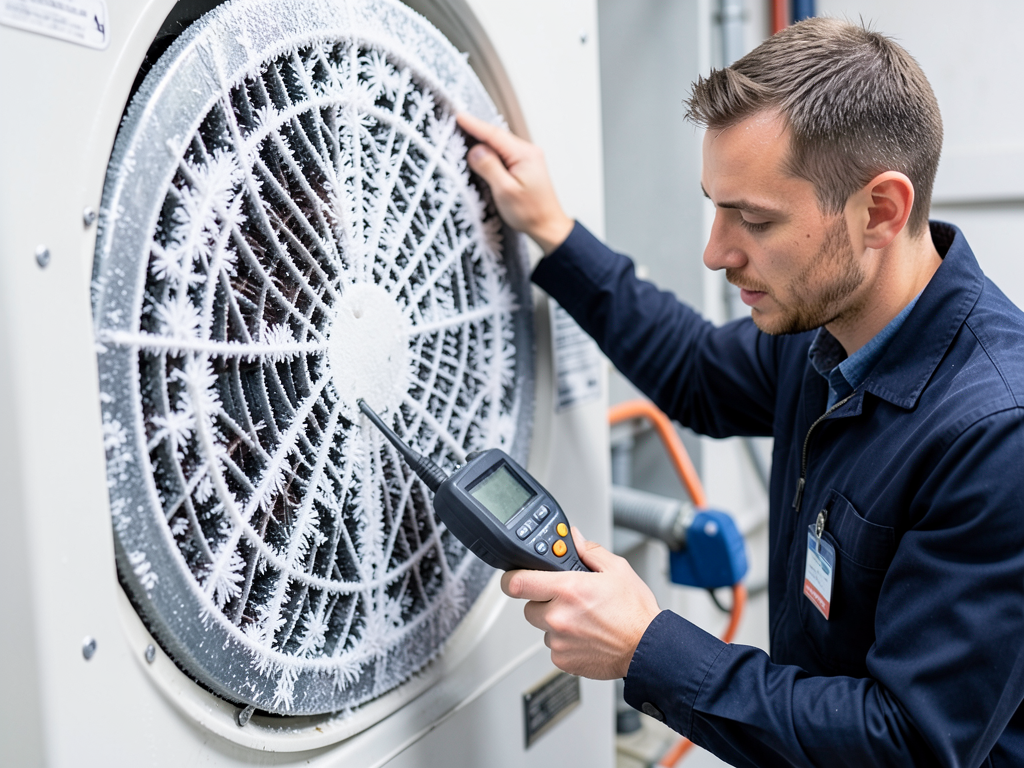
Short cycling happens when your HVAC system cannot complete a full heating or cooling cycle before shutting down. Baltimore's humid summers create a perfect storm for this problem. When outdoor humidity hovers between 60 and 80 percent from June through September, undersized systems struggle to remove moisture from the air. The evaporator coil freezes, the compressor overheats, and the safety switch trips. The system reboots, tries again, and fails again.

Furnace short cycling in winter has a different trigger. Baltimore winters swing between freezing nights and 50-degree afternoons. When your furnace tries to compensate for these temperature swings, a dirty flame sensor or clogged air filter forces the system to shut down prematurely. The heat exchanger never reaches operating temperature. The blower motor never distributes warmth evenly. You end up with cold spots in your Federal Hill rowhouse or Fells Point condo.

HVAC rapid cycling is not a minor annoyance. Every failed start cycle stresses the compressor. Every incomplete heating cycle leaves combustion byproducts in the heat exchanger. Left unchecked, an air conditioner short cycle can destroy a compressor in one summer. A furnace that kicks on and off can crack a heat exchanger and create a carbon monoxide risk.

You need a diagnostic process that identifies whether the problem is electrical, mechanical, or related to improper sizing. Guessing wastes money. Testing gives answers.

Why Baltimore HVAC Systems Short Cycle More Than You Think
How Victory HVAC Baltimore Stops Short Cycling at the Source

How Victory HVAC Baltimore Stops Short Cycling at the Source

Most HVAC companies replace parts until something sticks. That approach burns through your budget and rarely solves the underlying issue. We use a systematic diagnostic protocol that isolates the exact failure point before we touch a single component.

First, we measure runtime intervals with a data logger. This device tracks how long the system runs before shutdown and how long it stays off before restarting. A 90-second runtime followed by a 3-minute off cycle points to a refrigerant charge issue or a frozen evaporator coil. A 10-second runtime suggests a flame sensor problem in gas furnaces or a failed capacitor in air conditioners.

Second, we test electrical draw at the compressor and blower motor. An AC system pulling 15 amps when it should pull 18 indicates low refrigerant. A furnace drawing 8 amps when it should draw 6 means a dirty blower wheel or restricted ductwork. These numbers tell us whether the problem is upstream or downstream of the main components.

Third, we verify static pressure in the duct system. Baltimore rowhomes and older homes in Bolton Hill often have undersized return ducts or blocked registers. When static pressure exceeds 0.5 inches of water column, the blower motor cannot move enough air across the heat exchanger or evaporator coil. The system overheats, trips the limit switch, and shuts down.

We also check thermostat placement. A thermostat mounted on an exterior wall in Canton or near a heat source in Mount Vernon will send false temperature readings to the system. The furnace or air conditioner shuts off before the home reaches the set temperature, then restarts when the thermostat registers a new demand.

Once we isolate the cause, we fix it. No upselling. No part swapping. Just the repair that stops the cycle.

What Happens During a Short Cycle Service Call

Short Cycling in Baltimore – Expert Diagnosis and Permanent Fixes for HVAC Systems That Won't Stay Running
01

Initial System Observation

We arrive at your home and observe at least two full short cycle sequences before opening the unit. We time the on cycle, measure the off cycle, and listen for mechanical or electrical sounds that indicate compressor strain, relay chatter, or blower motor hesitation. This observation period tells us whether the problem is component failure, airflow restriction, or control board logic.
02

Targeted Component Testing

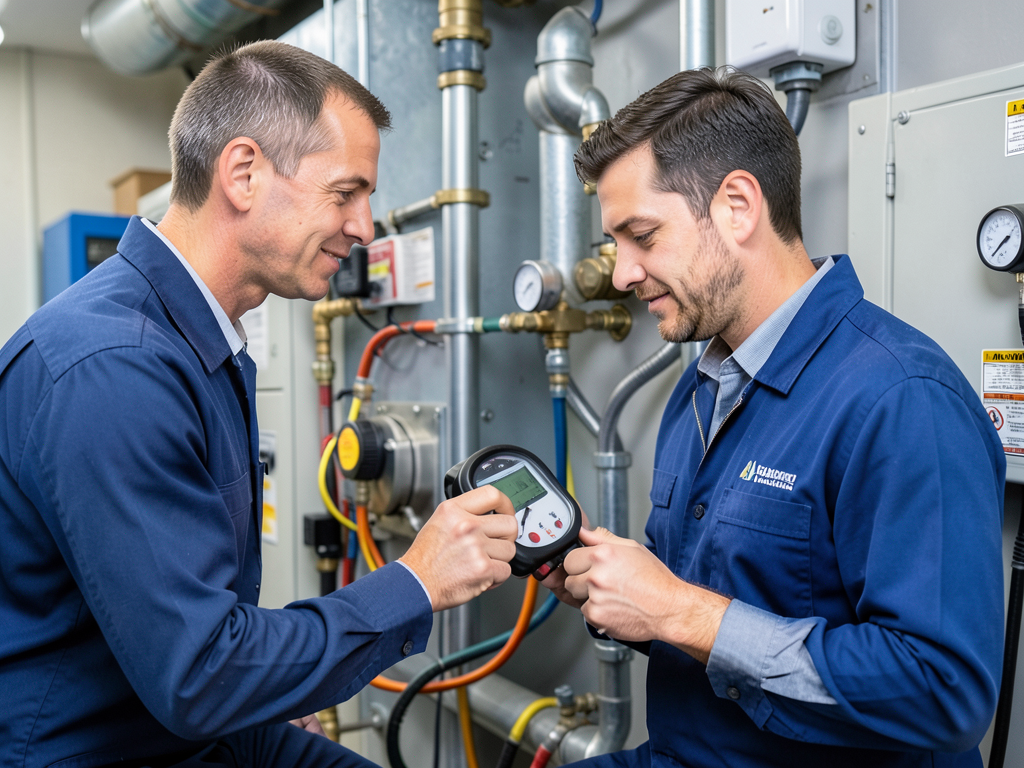
We use multimeters to test voltage at the thermostat, transformer, and contactor. We measure amp draw at the compressor and blower motor. We check refrigerant pressures with manifold gauges and verify superheat and subcooling values. For furnaces, we inspect the flame sensor with a microamp meter and check gas pressure at the valve. These tests eliminate guesswork and identify the exact failure point.
03

Permanent Repair and Verification

We make the repair, then monitor the system through at least three full cycles. We verify the furnace or air conditioner completes a full heating or cooling cycle without premature shutdown. We recheck amp draw, static pressure, and refrigerant charge to confirm the system operates within manufacturer specifications. You get documentation of the problem, the fix, and the post-repair performance data.

Why Baltimore Homeowners Trust Victory HVAC Baltimore for Short Cycle Repairs

Short cycling is a diagnostic challenge, not a simple repair. You need a technician who understands psychrometrics, electrical theory, and refrigeration cycle dynamics. You need someone who has repaired systems in Baltimore rowhomes where ductwork runs through uninsulated crawl spaces and attics that hit 140 degrees in July.

We know the difference between a short cycle caused by a failing run capacitor and one caused by oversized equipment installed during a cheap replacement. We understand how Baltimore's clay soil shifts foundations and pulls ductwork connections apart, creating air leaks that spike static pressure and trigger limit switches. We recognize when a short cycle is actually a low voltage problem caused by corroded wire connections in humid basements common to Hampden and Remington homes.

Victory HVAC Baltimore does not sell you a new system when a dirty flame sensor or a refrigerant leak is the real issue. We do not replace capacitors, contactors, and control boards in sequence hoping one of them fixes the problem. We test, verify, and repair the actual failure point.

Our service area covers Baltimore City and the surrounding metro. We have repaired short cycling systems in Patterson Park bungalows, Roland Park colonials, and Locust Point condos. We understand the quirks of older Bryant and Carrier systems still running in homes built in the 1920s, and we know the failure patterns of newer Trane and Lennox units installed in the last decade.

When your system kicks on and off every few minutes, you are burning money on electricity, stressing mechanical components, and risking a complete breakdown in the middle of a heat wave or cold snap. You need a team that diagnoses correctly the first time and fixes the problem permanently.

What You Can Expect During Short Cycle Diagnosis and Repair

Same-Day Service Availability

Short cycling destroys compressors and heat exchangers. Waiting a week for an appointment turns a simple repair into a complete system replacement. We offer same-day service for short cycle calls in Baltimore City and the metro area. You call in the morning, we arrive in the afternoon. For emergency situations where your furnace is cycling off in freezing weather or your air conditioner is overheating in 95-degree heat, we prioritize your call and dispatch a technician within hours. You do not sit in discomfort while your energy bills climb.

Comprehensive Diagnostic Testing

We do not show up with a parts truck and start swapping components. Our technicians carry diagnostic equipment including manifold gauges, multimeters, amp clamps, manometers for static pressure testing, and data loggers for cycle tracking. We spend the time necessary to isolate the exact cause of the short cycle. This means testing electrical voltage and amperage, measuring refrigerant charge, checking airflow, inspecting duct connections, and verifying thermostat operation. You get a written diagnostic report that explains what failed, why it failed, and what we recommend to fix it. No surprises. No upselling.

Verified System Performance

After the repair, we do not pack up and leave. We monitor your system through multiple heating or cooling cycles to verify it completes each cycle without premature shutdown. We recheck the measurements we took during diagnosis to confirm the system operates within manufacturer specifications. For refrigerant-related repairs, we verify superheat and subcooling values match the equipment nameplate data. For airflow issues, we recheck static pressure to ensure it falls within acceptable limits. You get proof the problem is solved, not just a handshake and a hope.

Maintenance Plans to Prevent Future Short Cycling

Many short cycle problems develop over time. A flame sensor accumulates soot. An evaporator coil collects dirt. A blower wheel clogs with dust. Our maintenance plans include the cleaning, testing, and minor adjustments that prevent these gradual failures. During a maintenance visit, we clean flame sensors and ignitors, inspect electrical connections for corrosion, measure refrigerant charge, and check static pressure. We catch problems before they cause short cycling. Members get priority scheduling and discounted rates on repairs. You avoid the frustration and expense of repeated short cycle emergencies.

Frequently Asked Questions

You Have Questions,
We Have Answers

What is the most common cause of short cycling? +

The most common cause of short cycling is an oversized air conditioner. When your AC is too powerful for your home, it cools the space too quickly, then shuts off before completing a full cycle. Baltimore's high humidity and older row homes can amplify this problem. Other frequent causes include a malfunctioning thermostat, refrigerant leaks, clogged air filters, or a dirty evaporator coil. Electrical issues like a faulty capacitor or compressor problems also trigger short cycling. The system turns on, runs for two to three minutes, then shuts down repeatedly. This wastes energy and damages components.

How do you fix short cycling? +

Fixing short cycling starts with diagnosis. Replace your air filter first. Check your thermostat placement. If it sits near a heat source or in direct sunlight, it gives false readings. Clean your outdoor condenser coils and clear debris from around the unit. Baltimore's tree-lined neighborhoods create airflow blockages. If these steps fail, call a licensed HVAC technician. The fix may require refrigerant recharge, capacitor replacement, compressor repair, or thermostat recalibration. In some cases, you need a properly sized system. Never ignore short cycling. It increases your electric bill and shortens equipment lifespan by years.

What is the definition of short cycling? +

Short cycling means your air conditioner turns on and off in rapid succession without completing a full cooling cycle. A normal cycle runs 15 to 20 minutes. Short cycling happens when the unit runs for only two to five minutes, shuts down, then restarts shortly after. This pattern repeats constantly throughout the day. The compressor never reaches optimal operating temperature. Your home never achieves consistent comfort. The system works harder while cooling less effectively. Short cycling stresses mechanical components, increases wear on the compressor, and drives up energy costs. It signals an underlying problem that needs professional attention.

How to tell if HVAC is short cycling? +

You can tell your HVAC is short cycling by timing the run cycles. Set a timer when the compressor kicks on. If the unit shuts off before 10 minutes, you have short cycling. Listen for the outdoor unit turning on and off repeatedly throughout the day. Check your thermostat. If the temperature never reaches your set point, that confirms the problem. Baltimore residents often notice short cycling during humid summer months when the system struggles. Your energy bills spike. Rooms feel muggy. The air never feels fully conditioned. You hear constant starting and stopping from your outdoor compressor.

What is the $5000 AC rule? +

The $5,000 AC rule is a guideline for repair versus replacement decisions. If your air conditioner repair cost multiplied by the age of your unit exceeds $5,000, replace the system instead of repairing it. For example, if your 12-year-old AC needs a $500 repair, that equals $6,000 (12 x 500). You should replace it. This rule accounts for diminishing returns on aging equipment. Baltimore's climate demands reliable cooling. Older systems lose efficiency and face more breakdowns. The calculation helps you avoid throwing money at a dying unit. Consider energy savings from modern equipment when making your decision.

What does short cycling look like? +

Short cycling looks like constant on-off behavior from your outdoor condensing unit. The compressor starts with a mechanical hum or click, runs briefly, then shuts down. Within minutes, it repeats. You see the condenser fan spinning for short bursts instead of sustained operation. Inside, your thermostat shows the system calling for cooling, but the temperature never drops to your set point. Baltimore homeowners notice lights flickering when the compressor kicks on repeatedly. Your indoor blower may run longer than the outdoor unit. The system never settles into steady operation. This jerky, inefficient pattern continues all day.

Can a dirty air filter cause short cycling? +

Yes, a dirty air filter causes short cycling. When your filter clogs with dust, pet hair, and Baltimore's seasonal pollen, airflow drops dramatically. Restricted airflow makes the evaporator coil freeze. The system detects the problem and shuts down to protect itself. Once the ice melts, the unit restarts, then freezes again. This creates a short cycling pattern. Reduced airflow also causes the heat exchanger to overheat, triggering the limit switch. The compressor shuts off prematurely. Change your filter every 30 to 60 days. Baltimore's humidity and urban air quality demand frequent filter changes.

What is the 3 minute rule for AC? +

The 3-minute rule for AC is a built-in compressor protection delay. After your air conditioner shuts off, the system waits three to five minutes before restarting the compressor. This delay allows refrigerant pressure to equalize between the high and low sides of the system. Starting the compressor with unequal pressure damages the motor and shortens its life. If you adjust your thermostat and nothing happens immediately, the delay is working correctly. This protection prevents short cycling caused by rapid temperature changes. Modern thermostats have this timer built in. Never override it or force a restart.

Why is my AC set to 72 but reads 78? +

Your AC reads 78 degrees when set to 72 because the system cannot keep up with the cooling load. Common causes include an undersized unit, refrigerant leak, dirty coils, or failing compressor. Baltimore's summer heat and humidity stress aging systems. Check your air filter first. Inspect for closed or blocked supply vents. Your ductwork may have leaks, especially in older row homes with additions. The thermostat placement matters. If it sits on an exterior wall or near a window, it reads higher than actual room temperature. Your system may need professional service or refrigerant recharge.

How to tell if a compressor is shorted to ground? +

A compressor shorted to ground shows specific electrical symptoms. Turn off power to the unit. Use a multimeter set to ohms. Disconnect the compressor wiring. Touch one probe to a compressor terminal and the other to the copper refrigerant line or compressor housing. Any reading below infinite resistance means the compressor windings have shorted to ground. You may see zero ohms or a low resistance reading. The compressor cannot run safely. It trips your breaker repeatedly. This requires immediate replacement by a licensed technician. Never attempt to run a grounded compressor. It creates a fire hazard and electrical danger.

How Baltimore's Humidity and Temperature Swings Trigger HVAC Short Cycling

Baltimore sits in a humid subtropical climate zone where summer dew points regularly hit 70 degrees and winter temperatures swing 30 degrees in 24 hours. These conditions stress HVAC systems in ways that dry or stable climates do not. When humidity is high, air conditioners must work harder to remove moisture from indoor air. If the system is undersized or the evaporator coil is dirty, the coil freezes, refrigerant flow stops, and the compressor cycles off on the high-pressure switch. In winter, rapid temperature changes force furnaces to fire repeatedly in short bursts. The heat exchanger never reaches full operating temperature, combustion efficiency drops, and the limit switch shuts the system down to prevent overheating.

Baltimore also has thousands of older homes with original ductwork that does not meet modern airflow standards. A rowhouse in Butchers Hill or a Victorian in Charles Village may have undersized return ducts that restrict airflow and spike static pressure. When static pressure is too high, the blower motor cannot move enough air, the heat exchanger or evaporator coil overheats, and the system short cycles. Local HVAC expertise means understanding these building characteristics and knowing how to diagnose airflow problems unique to Baltimore housing stock. National chain technicians do not have that knowledge.
HVAC Services in The Baltimore Area

Easily locate Victory HVAC and our service areas on the map below. We are strategically positioned to provide prompt and efficient heating, ventilation, and air conditioning services across the entire region. Whether you're seeking a new installation, emergency repair, or routine maintenance, our team is readily available to reach your location quickly, ensuring your comfort is restored without delay. Feel free to zoom in to see our exact location or contact us for directions and service area details.

Address:
Victory HVAC Baltimore, 729 E Pratt St, Baltimore, MD, 21202

Additional Services We Offer

Our news updates

Latest Articles & News from The Blogs

The Most Effective Ways to Improve Indoor Air Quality in Your Older Home in Original Northwood Older homes in Original…

The Most Effective Ways to Improve Indoor Air Quality in Your Older Home in Original Northwood

The Most Effective Ways to Improve Indoor Air Quality in Your Older Home in Original Northwood Older homes in Original…

Why Proper Load Calculations Are Vital for New Construction Homes in White Marsh

Why Proper Load Calculations Are Vital for New Construction Homes in White Marsh Building a new home in White Marsh…

Protecting Your Outdoor AC Compressor from Corrosion and Salt Air in Bowleys Quarters

Protecting Your Outdoor AC Compressor from Corrosion and Salt Air in Bowleys Quarters The salty breeze from the Chesapeake Bay…

Contact Us

Your system is cycling off because something failed or was never sized correctly. You need testing, not guessing. Call Victory HVAC Baltimore at (443) 390-4933 for same-day short cycle diagnosis in Baltimore City and the metro area.