

Menu

Excess Dust in Home in Baltimore – Expert Diagnosis and Permanent Solutions from Victory HVAC

If you're constantly wiping surfaces or noticing heavy dust buildup within hours of cleaning, your HVAC system may be circulating contaminated air through your Baltimore home. Victory HVAC Baltimore specializes in diagnosing and fixing the root causes of excessive house dust.

Slider Image 1
Slider Image 2
Slider Image 3
Slider Image 4
Slider Image 5
Slider Image 7
Slider Image 8
Slider Image 9
Slider Image 10
Slider Image 11

Why Baltimore Homes Struggle With Constant Dust Buildup

You clean on Saturday. By Tuesday, every surface in your home is covered again. The problem is not your cleaning routine. The problem is your air.

Baltimore's geography creates a perfect storm for unusually dusty homes. The city sits in a humid subtropical climate zone where moisture levels hover between 60 and 75 percent for most of the year. This humidity acts as a magnet for particulate matter. When your HVAC system pulls in outdoor air, it brings pollen from the urban tree canopy, construction dust from constant row home renovations, and fine particulates from port activity near the Inner Harbor.

Too much dust in home environments also comes from inside. Older Baltimore homes, especially the brick row houses in neighborhoods like Fells Point and Canton, were built before modern HVAC filtration standards existed. Ductwork in these structures often has gaps, cracks, or disconnected joints that pull dust directly from crawl spaces and attics. Every time your furnace or air handler cycles on, it distributes contaminated air throughout your living space.

Heavy dust buildup also signals filter failure. Most homeowners use the cheapest fiberglass filters available. These filters capture large debris but allow microscopic particles to pass through and resettle on furniture, electronics, and bedding. If you have pets, the problem compounds. Dander and hair clog filters faster, reducing airflow and forcing your system to work harder while distributing more particulates.

Constant dust in house environments is not just annoying. It aggravates asthma, triggers allergies, and reduces indoor air quality to levels that impact sleep and cognitive function. If you are dusting more than once per week, your HVAC system is the likely culprit.

Why Baltimore Homes Struggle With Constant Dust Buildup
How Victory HVAC Baltimore Eliminates Excessive House Dust

How Victory HVAC Baltimore Eliminates Excessive House Dust

We do not sell you filters and walk away. We perform a complete air quality diagnostic to identify where dust enters your system and why your current setup fails to capture it.

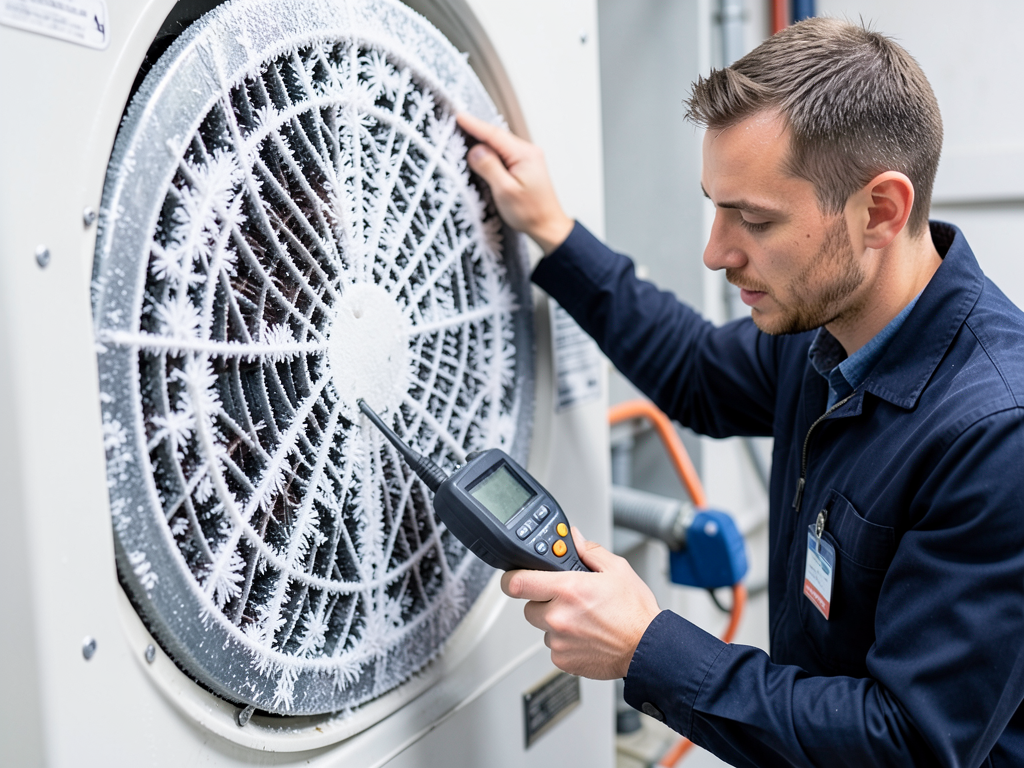
Our process starts with a static pressure test. We measure the resistance in your ductwork to determine if your system has adequate airflow. Low airflow means your filter is either clogged or undersized for your system's CFM requirements. High static pressure also indicates duct leaks or blockages that allow unfiltered air to bypass your filter entirely.

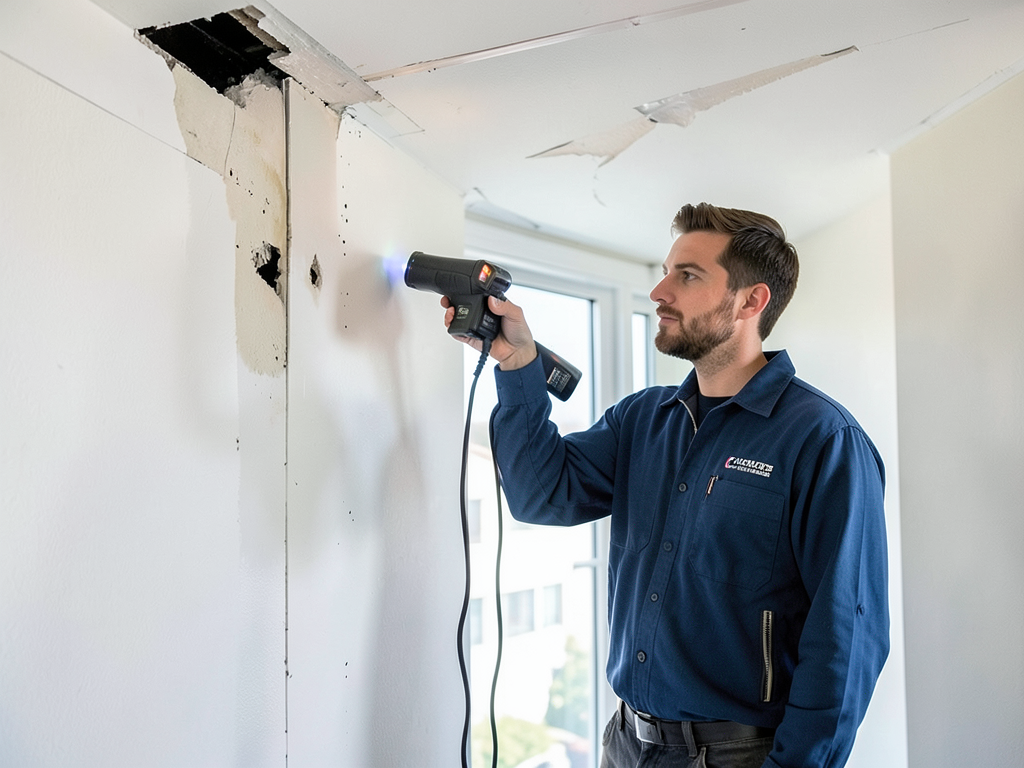
Next, we inspect your ductwork for integrity. Baltimore homes built before 1980 often have flex duct that has deteriorated or disconnected at the plenum. We use a camera scope to visually inspect runs and identify tears, gaps, or sections where rodents have damaged insulation. If your ducts run through an unfinished basement or vented crawl space, we check for negative pressure conditions that pull in dust from these areas.

We also evaluate your filter housing. Many older furnaces have poorly sealed filter racks that allow air to bypass the filter through gaps around the frame. This is called filter bypass, and it is one of the most common causes of excessive house dust in Baltimore homes. We measure the gap and either retrofit a media cabinet or install a high-efficiency return grille that seals properly.

Finally, we test your blower motor. A failing or undersized blower cannot pull enough air through a high-MERV filter. If your system requires an upgrade to handle MERV 11 or MERV 13 filtration, we calculate the correct motor size and install a variable-speed ECM blower that maintains proper airflow while improving filtration efficiency. This is not a guess. We use manometers and airflow hoods to measure CFM at each register and verify that your system performs to specification.

What Happens During Your Dust Elimination Service

Excess Dust in Home in Baltimore – Expert Diagnosis and Permanent Solutions from Victory HVAC
01

System Airflow Assessment

We begin by measuring static pressure across your HVAC system using a digital manometer. This tells us if your ductwork is leaking or if your filter is creating excessive resistance. We also inspect your return air pathways to verify that your system is not pulling unfiltered air from attics, crawl spaces, or wall cavities. This diagnostic takes about 45 minutes and identifies the source of your dust problem.
02

Duct Integrity and Sealing

After identifying leaks or gaps, we seal all accessible ductwork using mastic sealant and foil tape. We do not use duct tape, which degrades in humid environments. For disconnected sections or crushed flex duct, we replace the damaged runs entirely. If your home has a vented crawl space, we may recommend encapsulating the return plenum to prevent dust infiltration from below. This step eliminates bypass air and forces all airflow through your filtration system.
03

Filtration Upgrade and Verification

Once your ductwork is sealed, we install a high-efficiency filter that matches your system's capacity. For systems that cannot handle MERV 13 filtration, we retrofit a media cabinet or install a standalone air purifier with HEPA filtration. We then re-measure airflow at your registers to confirm that the system delivers adequate CFM to each room. You will notice a reduction in dust within 48 hours as your system begins filtering particulates instead of circulating them.

Why Baltimore Homeowners Choose Victory HVAC for Dust Problems

Most HVAC companies treat dust as a filter problem. They sell you a box of MERV 8 filters and leave. Two weeks later, you are dusting again because the root cause was never addressed.

Victory HVAC Baltimore solves the problem, not the symptom. We have worked in hundreds of Baltimore row homes, ranchers in Towson, and historic properties in Mount Vernon. We understand how these structures were built and where they fail. We know that homes near the port accumulate fine particulates from shipping activity. We know that neighborhoods with mature tree canopies like Roland Park deal with pollen infiltration. We know that homes built before 1970 often have uninsulated ductwork in vented crawl spaces that pull in dust every time the blower runs.

Our technicians are trained to diagnose air quality issues using calibrated instruments, not guesswork. We do not upsell equipment you do not need. If your system only needs duct sealing and a better filter, we tell you. If your blower motor is undersized for high-efficiency filtration, we show you the CFM calculations and explain why an upgrade is necessary.

We also understand Baltimore's building codes. If your home is located in a historic district, we know which modifications require permits and which do not. We work with the Baltimore City Department of Permits and Inspections regularly and can navigate the approval process if your project requires structural changes to ductwork or mechanical systems.

You will not get a generic sales pitch. You will get a detailed report that explains what is wrong, why it is wrong, and how we fix it. We provide written estimates with line-item costs so you know exactly what you are paying for. If we recommend a media cabinet, we show you the filter cost, the installation cost, and the labor cost separately.

We also service what we install. If you have an issue after we complete your work, we come back and make it right. No runaround. No excuses.

What to Expect When You Call Victory HVAC Baltimore

Same-Day Diagnostic Appointments

We understand that living with constant dust in house environments is frustrating. That is why we offer same-day diagnostic appointments for most Baltimore neighborhoods. When you call, we schedule a two-hour window and arrive on time. Our technician performs a complete airflow assessment, inspects your ductwork, and measures static pressure to identify the source of your dust problem. You receive a written diagnostic report before we leave, with photos of any issues we find. Most diagnostics take 60 to 90 minutes.

Transparent Air Quality Testing

We do not guess. We measure. Our diagnostic includes a static pressure test, a visual duct inspection, and an airflow measurement at your supply registers. If you request it, we can also perform a particle count test to quantify the concentration of airborne particulates in your home. This test uses a laser particle counter to measure particles per cubic foot and compare your indoor air quality to outdoor levels. You receive a printed report with the results. This data helps us recommend the correct filtration system for your home.

Immediate Dust Reduction Results

Once we complete duct sealing and install a high-efficiency filter, you will notice a difference within 48 hours. Surfaces stay cleaner longer. Your home smells fresher. If you have allergies, symptoms improve as your system removes particulates instead of circulating them. For homes with severe dust buildup, we recommend a follow-up air quality test 30 days after installation to verify that particle counts have decreased. Most homes see a 60 to 80 percent reduction in airborne dust after we complete our work.

Filter Maintenance Plans

High-efficiency filters require regular replacement to maintain performance. We offer filter delivery and installation plans that ensure you never run your system with a clogged filter. For MERV 11 and MERV 13 filters, we recommend replacement every 60 to 90 days depending on occupancy and pet load. For media cabinets, filters last six to twelve months. We send you a reminder two weeks before your filter is due for replacement and schedule a quick service visit. This prevents filter bypass and keeps your system running efficiently.

Frequently Asked Questions

You Have Questions,
We Have Answers

What causes so much dust in my house? +

Excess dust comes from multiple sources. Your HVAC system circulates air through ductwork that may be leaking or caked with debris. Baltimore's humidity causes particles to clump and settle faster. Dirty air filters force dust back into rooms. Gaps around doors and windows let in pollen, dirt, and construction debris common in older Baltimore neighborhoods. Pets shed dander continuously. Carpet fibers break down over time. If you see heavy accumulation within days of cleaning, your ductwork likely needs professional inspection. Leaky ducts waste energy and push contaminated air through your home constantly.

How do I stop my house from getting so dusty? +

Start with your HVAC filter. Replace it every 30 to 60 days, especially during Baltimore's humid summers when mold spores add to airborne particles. Seal gaps around windows and doors with weatherstripping. Schedule duct cleaning if you have not done it in five years. Vacuum carpets twice weekly with a HEPA filter vacuum. Reduce clutter where dust collects. Run exhaust fans in bathrooms and kitchens to pull moisture and particles out. Keep humidity between 30 and 50 percent. High humidity makes dust stick to surfaces and promotes mold growth in ductwork.

Do air purifiers actually reduce dust? +

Yes, air purifiers with true HEPA filters capture 99.97 percent of particles down to 0.3 microns. They trap dust, pollen, pet dander, and mold spores before they settle on surfaces. Place units in high-traffic rooms like bedrooms and living areas. In Baltimore homes with older HVAC systems, portable purifiers supplement filtration your central system cannot handle. They work best in closed rooms. Change filters as recommended. Purifiers do not replace duct cleaning or HVAC maintenance, but they reduce airborne particles noticeably. You will dust less frequently and breathe cleaner air.

Is it unhealthy to live in a dusty house? +

Yes. Dust contains allergens, pet dander, mold spores, dust mites, and chemical residues. Breathing this mixture triggers allergies, asthma, and respiratory irritation. Baltimore's humidity feeds dust mites, which thrive in carpets and bedding. Long-term exposure worsens chronic conditions like COPD and bronchitis. Children and elderly residents face higher risks. Dust mites produce waste that becomes airborne when you walk on carpets or sit on furniture. If you wake up congested or experience frequent sneezing indoors, dust is likely affecting your health. Address the source through HVAC maintenance and improved filtration.

How to clean an extremely dusty house? +

Work top to bottom. Start with ceiling fans, light fixtures, and vents. Use a damp microfiber cloth to trap particles instead of spreading them. Vacuum upholstered furniture with a brush attachment. Wash curtains and bedding in hot water to kill dust mites. Vacuum carpets thoroughly, then mop hard floors with a damp mop. Do not dry dust, it just moves particles into the air. Check your HVAC filter and replace it. If dust reappears within days, your ductwork needs cleaning. Baltimore homes with forced air systems recirculate dust constantly when ducts leak or filters fail.

What is grandma's simple trick to eliminate dust? +

Place a damp microfiber cloth on surfaces overnight. Moisture attracts and traps dust particles instead of scattering them. This method works because dry dusting pushes particles into the air where they resettle quickly. Baltimore's humidity helps the cloth stay slightly damp longer. Rinse the cloth frequently to avoid spreading dirt. Pair this with regular HVAC filter changes for better results. While simple, this trick does not address the root cause. If your ducts leak or your filtration system underperforms, dust returns fast. Address mechanical issues for lasting improvement.

What absorbs dust in the house? +

Nothing truly absorbs dust, but materials can trap it. Microfiber cloths grab particles through static and texture. HEPA filters in vacuums and air purifiers capture microscopic particles. Your HVAC system's air filter traps dust if you change it regularly. In Baltimore's humid climate, moisture makes dust stick to surfaces temporarily, but it does not eliminate the source. Plants slightly reduce airborne particles, but the effect is minimal. The best approach combines mechanical filtration, sealed ductwork, and proper ventilation. Trapping dust at the source prevents it from circulating and settling repeatedly throughout your home.

What is the golden rule of dusting? +

Dust top to bottom, left to right. Start with ceiling fans, crown molding, and high shelves. Work down to furniture, baseboards, and floors last. This prevents clean surfaces from getting dirty again when particles fall. Use a damp microfiber cloth to trap dust instead of spreading it. Vacuum or mop floors after dusting everything else. In Baltimore homes with forced air systems, turn off the HVAC temporarily while dusting to avoid blowing particles around. Replace your air filter after deep cleaning sessions. This rule saves time and keeps dust from resettling on surfaces you already cleaned.

Does opening a window reduce dust? +

It depends. Opening windows brings fresh air but also introduces pollen, vehicle exhaust, and construction dust common in Baltimore neighborhoods. If outdoor air quality is poor or you live near busy roads, you add more particles than you remove. Windows help dilute indoor pollutants when outdoor conditions are clean and dry. Cross-ventilation moves stale air out, but particles settle on surfaces as air circulates. Use windows strategically on low-pollen days with mild weather. Pair ventilation with HEPA filtration for best results. Relying only on windows does not address dust generated inside your home or circulated through ductwork.

Is there a machine that removes dust from the air? +

Yes. HEPA air purifiers remove airborne dust, and whole-home air filtration systems integrate with your HVAC to clean air throughout the house. Portable purifiers handle single rooms, while central systems filter air before it circulates through ducts. In Baltimore, where humidity and older HVAC systems contribute to dust buildup, a whole-home solution offers better coverage. Choose units rated for your square footage. HEPA filters capture particles down to 0.3 microns, including dust mites, pollen, and mold spores. Regular filter changes maintain effectiveness. These machines reduce dust but work best alongside duct cleaning and proper HVAC maintenance.

How Baltimore's Humidity and Urban Environment Worsen Excess Dust in Home Conditions

Baltimore's location between the Chesapeake Bay and the Patapsco River creates year-round humidity that traps airborne particles and prevents them from settling outdoors. When your HVAC system pulls in outdoor air, it brings moisture-laden particulates that stick to duct walls and filter media. This is why homes near the Inner Harbor or Locust Point experience heavier dust accumulation than homes in drier climates. The urban heat island effect also increases particulate concentration. Baltimore's dense row home construction and asphalt streets radiate heat that keeps dust suspended in the air longer.

Victory HVAC Baltimore has worked in every Baltimore neighborhood, from Federal Hill to Hampden to the suburbs in Baltimore County. We understand how local construction methods and environmental factors impact indoor air quality. We know which homes have uninsulated ductwork in vented crawl spaces and which homes have return plenums that pull air from attics. We also work with local inspectors and understand Baltimore's building code requirements for duct sealing and ventilation. When you hire us, you get a team that knows your home's unique challenges and has the tools to fix them correctly.

HVAC Services in The Baltimore Area

Easily locate Victory HVAC and our service areas on the map below. We are strategically positioned to provide prompt and efficient heating, ventilation, and air conditioning services across the entire region. Whether you're seeking a new installation, emergency repair, or routine maintenance, our team is readily available to reach your location quickly, ensuring your comfort is restored without delay. Feel free to zoom in to see our exact location or contact us for directions and service area details.

Address:
Victory HVAC Baltimore, 729 E Pratt St, Baltimore, MD, 21202

Additional Services We Offer

Our news updates

Latest Articles & News from The Blogs

The Best Time to Switch Your Guilford Home from Heating to Cooling Mode When should you flip that thermostat switch…

The Best Time to Switch Your Guilford Home from Heating to Cooling Mode

The Best Time to Switch Your Guilford Home from Heating to Cooling Mode When should you flip that thermostat switch…

How Much Space Does Your AC Unit Actually Need from Landscaping in Your Ruxton Yard?

How Much Space Does Your AC Unit Actually Need from Landscaping in Your Ruxton Yard? Your outdoor AC condenser needs…

Common Reasons Your Brooklyn Park AC Is Blowing Warm Air

Common Reasons Your Brooklyn Park AC Is Blowing Warm Air Your air conditioner is running but the air coming from…

Contact Us

Your home should not require daily cleaning. If you are dealing with excessive house dust, call Victory HVAC Baltimore at (443) 390-4933. We diagnose the problem, seal your ducts, and install the correct filtration system. Same-day appointments available. Stop living with dust. Call now.