


Greenbelt sits in Prince George's County where humid subtropical climate creates intense demands on heating and cooling systems. Summer temperatures regularly climb into the 90s with humidity that makes heat indices dangerous. Your air conditioner runs hard from June through September, working overtime to remove moisture and maintain safe indoor temperatures.
Winter brings freezing temperatures and ice storms that stress furnaces and heat pumps. The freeze-thaw cycles common to central Maryland cause ground shifting that can damage ductwork connections and outdoor unit foundations. Greenbelt's tree-lined neighborhoods and proximity to the Anacostia River watershed create microclimates with higher humidity levels that promote mold growth in poorly maintained systems.
The aging housing stock in historic neighborhoods like Greenbelt West and Boxwood means many homes still run original HVAC equipment from the 1970s and 1980s. These systems lack modern efficiency standards and struggle with Maryland's climate swings. Newer developments near Greenbelt Station have builder-grade equipment that often fails within the first decade. Both scenarios create urgent repair needs that can't wait. When your system quits during a heat wave or cold snap, fast response prevents property damage and health risks.
Victory HVAC Baltimore built our reputation on honest service and rapid response across Prince George's County and the greater Baltimore metro. We serve Greenbelt because we understand what Maryland climate does to HVAC systems. Our technicians live and work in these communities. We know the equipment that local builders installed and the problems that Maryland weather creates.
We don't sell you equipment you don't need. Our diagnostic approach identifies the actual problem, not the most expensive solution. Many Greenbelt service calls reveal simple fixes like failed capacitors, clogged condensate lines, or dirty flame sensors. We repair these issues on the spot and get your system running the same day. When replacement makes more sense than repair, we explain why and provide transparent pricing without pressure tactics.
Our trucks carry extensive parts inventory because we know what fails in Maryland installations. This means fewer return trips and faster repairs. We service all major brands and handle both residential and commercial systems. Our team holds Maryland HVAC licenses and stays current on building codes and efficiency standards.
We answer emergency calls 24/7 because system failures don't follow business hours. Summer heat and winter cold create genuine emergencies that threaten health and property. Our dispatch system routes the nearest available technician to minimize your wait time. We provide realistic arrival windows and call ahead so you're not left guessing. This combination of technical expertise, honest communication, and genuine urgency response makes us the first call for Greenbelt residents facing HVAC problems.

HVAC failures happen at the worst times. We dispatch technicians around the clock because Maryland weather creates genuine emergencies. Our team arrives equipped to diagnose and repair most problems on the first visit. No appointment needed when your system quits.

We troubleshoot the actual problem before recommending solutions. Many Greenbelt service calls need simple repairs, not expensive replacements. Our technicians explain what failed, why it happened, and what fixes make sense for your situation and budget.
Our technicians repair every major HVAC brand installed in Maryland homes. We maintain manufacturer training and certification across product lines. Our trucks stock common parts for Carrier, Trane, Lennox, Goodman, Rheem, and other systems popular in Greenbelt installations.
We work in Greenbelt neighborhoods daily and know what equipment local builders installed. This familiarity with regional installation practices helps us diagnose problems faster and source the right parts. We understand Maryland climate stress on HVAC components.
Victory HVAC Baltimore handles every aspect of heating, cooling, and air quality for Greenbelt properties. Our service range covers emergency repairs, planned maintenance, complete system replacements, and indoor air quality improvements. We work on residential homes from historic Greenbelt West to newer developments near Greenbelt Station, plus commercial properties throughout Prince George's County.
Maryland's climate extremes mean your HVAC system serves as critical safety equipment, not just comfort. We structure our services around urgency levels and system lifecycle stages. Emergency repair service gets your failed system running when temperatures threaten health or property. Preventive maintenance catches problems before they cause breakdowns during peak demand periods. System replacement service helps you navigate equipment decisions when repair no longer makes financial sense.
Our technicians handle central air conditioning, heat pumps, gas furnaces, oil furnaces, ductless mini-splits, and commercial rooftop units. We perform load calculations for replacements to ensure proper sizing. We test ductwork integrity and seal leaks that waste energy. We install programmable and smart thermostats that reduce operating costs. This comprehensive approach means one call handles whatever your property needs.
System failures during Maryland heat waves and cold snaps create dangerous conditions. We dispatch technicians day or night to restore your heating or cooling. Our trucks carry diagnostic equipment and common repair parts to fix most problems on the first visit. We troubleshoot failed compressors, refrigerant leaks, ignition problems, blower motor failures, and control board issues. Emergency service focuses on getting your system running safely and quickly.
Regular maintenance extends equipment life and prevents failures during peak demand. Our seasonal tune-ups include cleaning coils, checking refrigerant levels, testing electrical components, inspecting heat exchangers, and calibrating controls. We catch worn parts before they fail and keep your system running efficiently. Maintenance plan members get priority scheduling and discounted repairs. Planned service costs less than emergency breakdowns.
Older systems eventually reach the point where repair costs exceed replacement value. We perform load calculations to size new equipment correctly for your home. We explain efficiency ratings, warranty coverage, and operating cost differences between equipment tiers. Our installation teams remove old equipment, modify ductwork as needed, install new systems to manufacturer specifications, and test performance. We handle permits and inspections required by Prince George's County.
Greenbelt's climate and housing characteristics create predictable HVAC problems. High humidity promotes condensate line clogs and drain pan overflow. Temperature swings stress electrical components. Ground movement from freeze-thaw cycles damages outdoor unit foundations and refrigerant lines. Older homes lack adequate ductwork for modern high-efficiency equipment. Trees and landscaping block airflow to outdoor units.
We respond to these issues daily across Greenbelt neighborhoods. Many problems start small but cascade into expensive failures if ignored. A clogged condensate line causes water damage to ceilings and walls. A refrigerant leak forces your compressor to work harder until it burns out. A cracked heat exchanger releases carbon monoxide into living spaces. Understanding these common problems helps you recognize warning signs and call for service before minor issues become emergencies.
Lost cooling during Maryland heat waves threatens health and damages temperature-sensitive property. Common causes include refrigerant leaks, failed compressors, frozen evaporator coils, and electrical component failures. We diagnose the root cause and restore cooling fast. Ignoring reduced cooling performance leads to complete system failure.
Gas and oil furnaces that won't start leave Greenbelt homes dangerously cold. Failed ignitors, clogged burners, faulty flame sensors, and thermocouple problems prevent ignition. We carry replacement parts for common furnace brands and restore heat the same day. Attempting DIY furnace repair creates carbon monoxide risks.
HVAC systems account for half of home energy costs in Maryland. Dirty coils, low refrigerant, duct leaks, and worn components force systems to run longer and work harder. We test system efficiency and identify what's wasting energy. Simple repairs and maintenance often cut operating costs significantly.
Grinding, squealing, rattling, or banging sounds indicate failing components. Blower motor bearings wear out. Compressors make noise before they fail completely. Loose parts vibrate and damage other components. We diagnose noise sources and repair problems before catastrophic failures occur. Unusual sounds always warrant immediate inspection.
We built our service model around transparency and respect for your time. When you call Victory HVAC Baltimore for HVAC service in Greenbelt, you get straight answers and realistic timelines. Our dispatch team provides arrival windows we actually meet. Our technicians call ahead so you're not left waiting. We show up in marked trucks with uniforms and identification.
The service experience starts with listening to your problem and observing system symptoms. Our technicians ask questions about when problems started, what you've noticed, and how long equipment has been in service. We perform systematic diagnostics before recommending solutions. We explain what we find in plain language without technical jargon designed to confuse. You'll understand what failed, why it happened, and what options make sense for your situation. This straightforward approach eliminates the uncertainty and pressure tactics that give HVAC companies bad reputations.
We explain findings before starting repairs. You'll see the failed part and understand why it stopped working. We provide upfront pricing for recommended repairs with no hidden charges. You approve work before we start. For complex problems with multiple solutions, we explain the pros and cons of each approach. Emergency situations get priority attention with options that restore safety first.
Our trucks carry diagnostic equipment and parts inventory for common repairs. We stock capacitors, contactors, thermostats, flame sensors, condensate pumps, and other components that fail regularly. This means we complete most repairs on the first visit without return trips. For unusual parts, we source them quickly through local suppliers. You won't wait days for parts that delay your comfort and safety.
We test system performance after repairs to verify proper operation. You'll see that cooling reaches target temperatures, heating ignites reliably, and controls respond correctly. We clean up our work area and haul away failed parts. For major repairs and installations, we follow up to confirm everything still works correctly. Our warranty on labor and parts backs the quality of our work.
Getting your HVAC system repaired shouldn't feel complicated. We keep the process simple because urgent problems demand fast solutions without unnecessary steps or delays.
When your system fails, call (443) 390-4933 any time day or night. Our dispatch team asks about symptoms and urgency level. We provide a realistic arrival window based on current call volume and technician locations. For true emergencies during extreme weather, we prioritize dispatch. You'll get a callback when our technician is headed to your location.
Our technician inspects your system and performs diagnostic tests to identify the problem. We explain what failed and show you the issue when possible. You'll get upfront pricing for repairs with clear explanations of what work involves. We outline options when multiple solutions exist. You approve the repair approach before we start work. Most repairs complete the same day.
After completing repairs, we test system operation through complete heating or cooling cycles. We verify proper temperatures, check airflow, and confirm controls respond correctly. You'll see that your system works properly before we leave. We answer questions about operation and provide maintenance recommendations to prevent future problems. Our warranty information and service records document the work completed.
Professional HVAC service in Maryland follows strict technical standards and regulatory requirements. Victory HVAC Baltimore maintains licensing through the Maryland Board of Heating, Ventilation, Air Conditioning, and Refrigeration Contractors. Our technicians hold EPA Section 608 certification for refrigerant handling and stay current on International Mechanical Code requirements adopted by Prince George's County.
Proper system installation and repair requires more than mechanical skills. Load calculations using Manual J methodology ensure equipment matches building heating and cooling demands. Undersized systems run constantly without reaching target temperatures. Oversized systems short-cycle and fail to remove humidity. We perform room-by-room load calculations that account for insulation levels, window area, orientation, and occupancy patterns.
Refrigerant handling follows EPA regulations that prohibit venting and require recovery of existing refrigerant. We use calibrated manifold gauges to check system charge and add refrigerant only after confirming no leaks exist. The refrigerant type matters because older R-22 systems require different service approaches than modern R-410A equipment. We recover and recycle refrigerant according to federal environmental regulations.
Ductwork integrity directly affects system performance and indoor air quality. We test duct leakage using pressure measurement and seal connections with mastic or approved tape. Many Greenbelt homes lose 20 to 30 percent of conditioned air through duct leaks in attics and crawlspaces. Sealing these leaks improves comfort and reduces energy costs. We also verify adequate return air pathways because restricted airflow damages equipment and reduces efficiency. Combustion safety testing on gas and oil furnaces checks for proper venting and carbon monoxide production. We measure flue draft, test for spillage, and verify adequate combustion air supply. These tests protect your family from carbon monoxide poisoning.
Properly sized HVAC equipment matches your home's actual heating and cooling demands. We perform Manual J load calculations that account for square footage, insulation, windows, and air infiltration. Correct sizing prevents short-cycling, humidity problems, and premature equipment failure. Rule-of-thumb sizing leads to expensive mistakes.
Air conditioning and heat pump efficiency depends on precise refrigerant charge. Low charge reduces capacity and damages compressors. Overcharging wastes energy and causes high pressure damage. We measure subcooling and superheat with calibrated instruments to verify proper charge levels. We never add refrigerant without checking for leaks first.
Leaky ductwork wastes conditioned air and creates comfort problems. We test duct systems for leakage and seal connections properly. Adequate return air pathways prevent negative pressure problems. Proper duct sizing ensures equipment receives sufficient airflow. We measure static pressure and airflow to verify system performance meets design specifications.
Gas and oil furnaces require proper venting to remove combustion products safely. We test flue draft, check for spillage, measure carbon monoxide levels, and verify adequate combustion air supply. Cracked heat exchangers and blocked vents create deadly carbon monoxide hazards. Safety testing protects your family from poisoning risks.
This video explains HVAC repair, maintenance, and replacement considerations for Greenbelt, Maryland homeowners. Topics include climate-specific challenges affecting heating and cooling systems in Prince George's County, common equipment failures in Maryland weather, diagnostic procedures for air conditioning and furnace problems, proper refrigerant handling and system sizing, ductwork integrity issues, and combustion safety testing. Viewers learn how to recognize HVAC problems early, understand repair versus replacement decisions, and identify professional service standards for residential heating and cooling systems.
Victory HVAC Baltimore provides comprehensive heating and cooling service throughout Greenbelt and the greater Prince George's County area. We work daily in historic Greenbelt West where tree-lined streets and vintage homes present unique HVAC challenges. The original housing cooperative buildings in this area often have aging ductwork and outdated equipment that requires specialized knowledge to service properly. We handle emergency repairs and system replacements in these classic homes while respecting their historic character.
The Boxwood Village neighborhood features mid-century construction with space constraints that complicate equipment access. We navigate tight mechanical rooms and creative ductwork routing to service systems in these homes. Our technicians know the common equipment brands installed during this construction era and stock parts accordingly. Greenbelt East and Charlestowne Village include both townhomes and single-family properties with varying HVAC configurations from central systems to ductless mini-splits.
Properties near Greenbelt Station and the newer developments off Cherrywood Lane feature modern construction but often struggle with builder-grade equipment installed to minimum specifications. We help homeowners in these areas upgrade to more reliable systems when initial installations fail prematurely. The commercial corridor along Greenbelt Road includes retail and office spaces that require commercial HVAC expertise for rooftop units and large-capacity systems.
Our service area extends beyond Greenbelt proper to neighboring communities in Prince George's County. We respond to calls in College Park, Berwyn Heights, and Riverdale Park where similar housing stock and climate conditions create comparable HVAC demands. Properties near the Beltsville Agricultural Research Center face rural exposure to temperature extremes. We also serve Lanham, New Carrollton, and Laurel communities that share Greenbelt's humid climate and weather patterns. This regional presence means faster response times and familiarity with equipment installed throughout central Maryland.
Your AC freezes when airflow gets restricted or refrigerant levels drop. Check your air filter first. A clogged filter blocks airflow and causes the evaporator coil to ice over. Greenbelt's humid air makes filters dirty faster. Dirty evaporator coils also trap moisture and freeze. Low refrigerant from leaks creates pressure problems that lead to freezing. Your blower fan might be failing. Closed or blocked vents reduce airflow too. Turn off your system to let ice melt. Replace the filter. If freezing continues, call a technician to check refrigerant levels and clean coils.
Replacing an HVAC system in Greenbelt varies based on several factors. Your home's size matters most. A 1,500 square foot home needs different equipment than a 3,000 square foot home. System type affects pricing. Heat pumps differ from traditional furnace and AC combinations. Efficiency ratings change what you pay. Higher SEER and HSPF ratings mean better performance but different investment levels. Ductwork condition matters. Damaged ducts need repair or replacement. Installation complexity affects labor time. Get three written estimates from licensed Greenbelt contractors. Compare equipment specifications and installation details carefully.
Heat pump sizing depends on your home's square footage and insulation quality. Most Greenbelt homes need 2 to 5 tons of cooling capacity. A 1,500 square foot home typically needs 2 to 3 tons. Homes with 2,500 square feet usually need 3.5 to 4 tons. Your insulation quality affects this calculation. Poor insulation requires larger equipment. Window quality matters. Single-pane windows lose more heat. Your home's age and ductwork condition play roles. A qualified technician should perform a Manual J load calculation. This analysis accounts for Greenbelt's climate and your home's specific characteristics.
Your AC freezes when airflow gets restricted or refrigerant levels drop. Check your air filter first. A clogged filter blocks airflow and causes the evaporator coil to ice over. Greenbelt's humid air makes filters dirty faster. Dirty evaporator coils also trap moisture and freeze. Low refrigerant from leaks creates pressure problems that lead to freezing. Your blower fan might be failing. Closed or blocked vents reduce airflow too. Turn off your system to let ice melt. Replace the filter. If freezing continues, call a technician to check refrigerant levels and clean coils.
Replacing an HVAC system in Greenbelt varies based on several factors. Your home's size matters most. A 1,500 square foot home needs different equipment than a 3,000 square foot home. System type affects pricing. Heat pumps differ from traditional furnace and AC combinations. Efficiency ratings change what you pay. Higher SEER and HSPF ratings mean better performance but different investment levels. Ductwork condition matters. Damaged ducts need repair or replacement. Installation complexity affects labor time. Get three written estimates from licensed Greenbelt contractors. Compare equipment specifications and installation details carefully.
Heat pump sizing depends on your home's square footage and insulation quality. Most Greenbelt homes need 2 to 5 tons of cooling capacity. A 1,500 square foot home typically needs 2 to 3 tons. Homes with 2,500 square feet usually need 3.5 to 4 tons. Your insulation quality affects this calculation. Poor insulation requires larger equipment. Window quality matters. Single-pane windows lose more heat. Your home's age and ductwork condition play roles. A qualified technician should perform a Manual J load calculation. This analysis accounts for Greenbelt's climate and your home's specific characteristics.
Schedule HVAC maintenance twice yearly in Greenbelt. Book one service visit in spring before cooling season starts. Schedule another in fall before heating season begins. Greenbelt's humid summers stress your AC compressor and coils. Winter temperature swings challenge your heating system. Spring maintenance includes cleaning coils, checking refrigerant, and testing cooling performance. Fall service covers heat pump reversing valves, burner inspection for gas furnaces, and airflow testing. Replace filters every 30 to 90 days depending on usage. Regular maintenance prevents breakdowns during extreme weather. It keeps your system running efficiently year-round.
Yes, you need a permit to replace your furnace in Greenbelt. Prince George's County requires permits for HVAC equipment replacement. Your contractor should pull the permit before starting work. The permit process ensures your installation meets Maryland building codes. Inspectors check proper sizing, venting, and electrical connections. Gas line work requires additional permits. Permit fees vary based on equipment type and installation scope. Your contractor typically handles the permit application and coordinates inspections. Operating without proper permits risks fines. It complicates future home sales. Always verify your contractor obtains necessary permits before beginning work.
Heat pumps lose efficiency when outdoor temperatures drop below 25 to 30 degrees. Greenbelt experiences these cold snaps several times each winter. Heat pumps extract warmth from outdoor air. Less heat exists in cold air to extract. Your system works harder and runs longer. The defrost cycle runs more frequently. Ice builds on outdoor coils during operation. Your backup heat strips activate more often. Older heat pumps struggle more than newer models. Modern cold-climate heat pumps perform better in freezing weather. Check your outdoor unit for ice buildup. Clean debris around the unit. Consider upgrading to a cold-climate model.
Complete HVAC installation in Greenbelt takes one to three days for most homes. A straightforward replacement with existing ductwork takes one day. Your installer removes old equipment, installs new units, and tests performance. Complex installations need more time. Adding new ductwork extends the timeline to two or three days. Multi-zone systems take longer. Structural modifications add time. Your installer needs additional hours if electrical panels require upgrades. Permit inspections add scheduling considerations. Weather affects outdoor work. Most contractors complete standard installations in eight to ten hours. Plan to be home during installation for access and questions.
A two-stage heat pump with variable-speed air handler works best for Greenbelt's climate. This system handles both humid summers and cold winters efficiently. The variable-speed fan maintains consistent airflow for better dehumidification. Two-stage operation runs longer at lower speeds during mild weather. This removes more moisture than single-stage units. Look for high SEER ratings above 16 for efficient cooling. HSPF ratings above 9 provide good heating performance. Add a backup heat source for cold snaps below 25 degrees. Consider a dehumidification mode for sticky spring and fall weather.
Many Greenbelt HVAC companies offer same-day AC repair for emergencies. Availability depends on the season and time of day. Summer weekdays see highest demand. Call early in the morning for best same-day availability. Some contractors reserve emergency slots for existing maintenance customers. Simple repairs like capacitor replacement or thermostat fixes happen quickly. Complex problems needing parts might require return visits. Evenings, weekends, and holidays typically cost more for emergency service. Keep your system maintained to reduce emergency repair needs. Ask about response times when you call. Some companies provide arrival windows.
High energy bills after switching to gas heat often surprise homeowners. Several factors explain increased costs. Your old system might have been undersized and struggled to heat properly. The new system heats better but uses more fuel. Gas furnaces use electricity to run blowers and controls. Thermostat settings might be higher than before. Ductwork leaks waste heated air. Poor insulation lets heat escape. Your billing cycle timing affects comparisons. Winter gas rates fluctuate. Check your thermostat programming. Seal duct leaks. Add insulation to your attic. Have your installer verify proper equipment sizing and operation.
Schedule HVAC maintenance twice yearly in Greenbelt. Book one service visit in spring before cooling season starts. Schedule another in fall before heating season begins. Greenbelt's humid summers stress your AC compressor and coils. Winter temperature swings challenge your heating system. Spring maintenance includes cleaning coils, checking refrigerant, and testing cooling performance. Fall service covers heat pump reversing valves, burner inspection for gas furnaces, and airflow testing. Replace filters every 30 to 90 days depending on usage. Regular maintenance prevents breakdowns during extreme weather. It keeps your system running efficiently year-round.
Yes, you need a permit to replace your furnace in Greenbelt. Prince George's County requires permits for HVAC equipment replacement. Your contractor should pull the permit before starting work. The permit process ensures your installation meets Maryland building codes. Inspectors check proper sizing, venting, and electrical connections. Gas line work requires additional permits. Permit fees vary based on equipment type and installation scope. Your contractor typically handles the permit application and coordinates inspections. Operating without proper permits risks fines. It complicates future home sales. Always verify your contractor obtains necessary permits before beginning work.
Heat pumps lose efficiency when outdoor temperatures drop below 25 to 30 degrees. Greenbelt experiences these cold snaps several times each winter. Heat pumps extract warmth from outdoor air. Less heat exists in cold air to extract. Your system works harder and runs longer. The defrost cycle runs more frequently. Ice builds on outdoor coils during operation. Your backup heat strips activate more often. Older heat pumps struggle more than newer models. Modern cold-climate heat pumps perform better in freezing weather. Check your outdoor unit for ice buildup. Clean debris around the unit. Consider upgrading to a cold-climate model.
Complete HVAC installation in Greenbelt takes one to three days for most homes. A straightforward replacement with existing ductwork takes one day. Your installer removes old equipment, installs new units, and tests performance. Complex installations need more time. Adding new ductwork extends the timeline to two or three days. Multi-zone systems take longer. Structural modifications add time. Your installer needs additional hours if electrical panels require upgrades. Permit inspections add scheduling considerations. Weather affects outdoor work. Most contractors complete standard installations in eight to ten hours. Plan to be home during installation for access and questions.
A two-stage heat pump with variable-speed air handler works best for Greenbelt's climate. This system handles both humid summers and cold winters efficiently. The variable-speed fan maintains consistent airflow for better dehumidification. Two-stage operation runs longer at lower speeds during mild weather. This removes more moisture than single-stage units. Look for high SEER ratings above 16 for efficient cooling. HSPF ratings above 9 provide good heating performance. Add a backup heat source for cold snaps below 25 degrees. Consider a dehumidification mode for sticky spring and fall weather.
Many Greenbelt HVAC companies offer same-day AC repair for emergencies. Availability depends on the season and time of day. Summer weekdays see highest demand. Call early in the morning for best same-day availability. Some contractors reserve emergency slots for existing maintenance customers. Simple repairs like capacitor replacement or thermostat fixes happen quickly. Complex problems needing parts might require return visits. Evenings, weekends, and holidays typically cost more for emergency service. Keep your system maintained to reduce emergency repair needs. Ask about response times when you call. Some companies provide arrival windows.
High energy bills after switching to gas heat often surprise homeowners. Several factors explain increased costs. Your old system might have been undersized and struggled to heat properly. The new system heats better but uses more fuel. Gas furnaces use electricity to run blowers and controls. Thermostat settings might be higher than before. Ductwork leaks waste heated air. Poor insulation lets heat escape. Your billing cycle timing affects comparisons. Winter gas rates fluctuate. Check your thermostat programming. Seal duct leaks. Add insulation to your attic. Have your installer verify proper equipment sizing and operation.
Easily locate Victory HVAC and our service areas on the map below. We are strategically positioned to provide prompt and efficient heating, ventilation, and air conditioning services across the entire region. Whether you're seeking a new installation, emergency repair, or routine maintenance, our team is readily available to reach your location quickly, ensuring your comfort is restored without delay. Feel free to zoom in to see our exact location or contact us for directions and service area details.
Address:
Greenbelt, MD, 20770
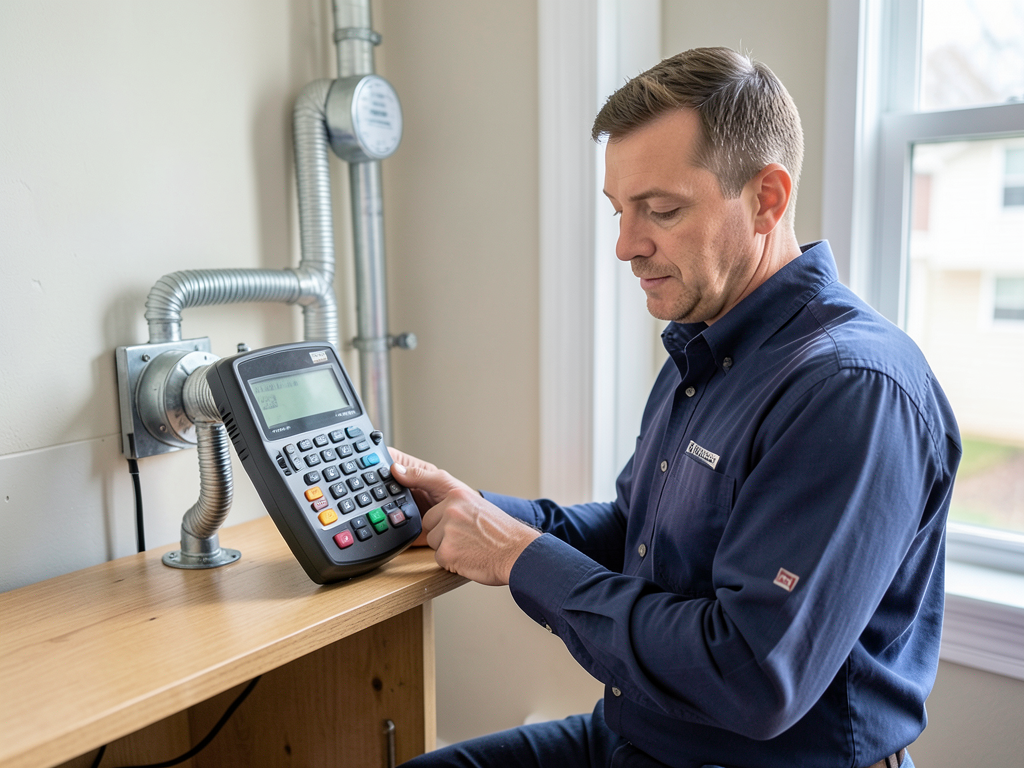
Why Moving Your HVAC Vents Might Be Necessary During a Home Remodel in Anneslie Planning a home remodel in Anneslie often means rethinking your HVAC system layout. Whether you're knocking down walls to create an…
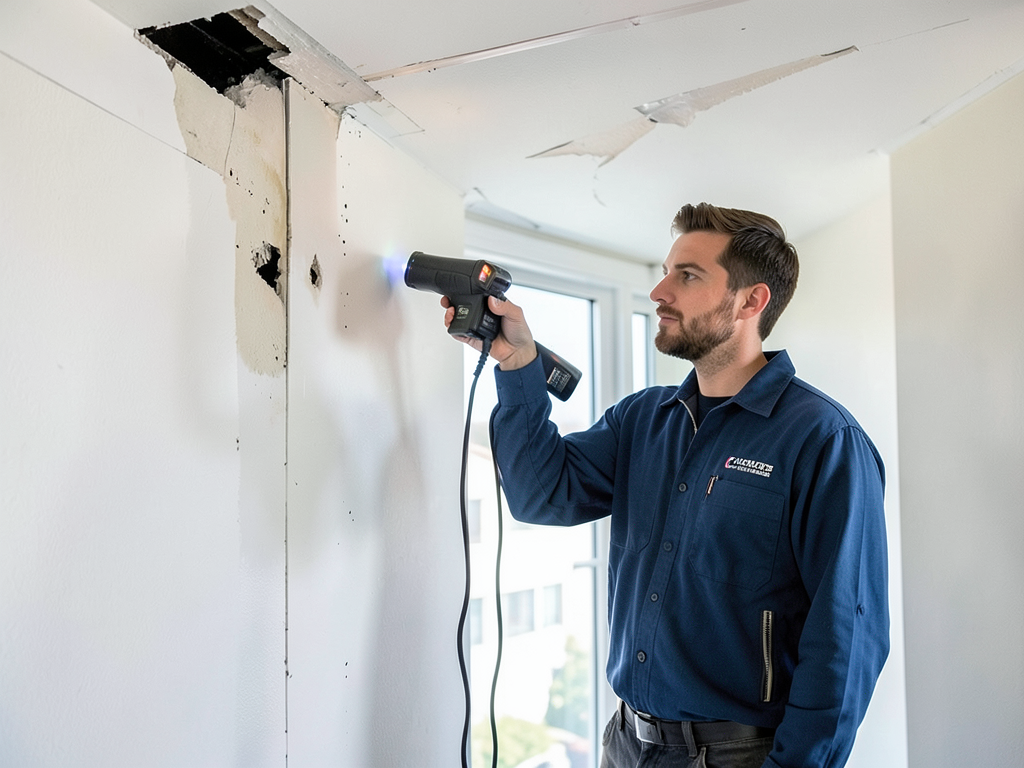
How to Fix Drafty Rooms and High Air Velocity in Your Cross Keys Condo Feeling…
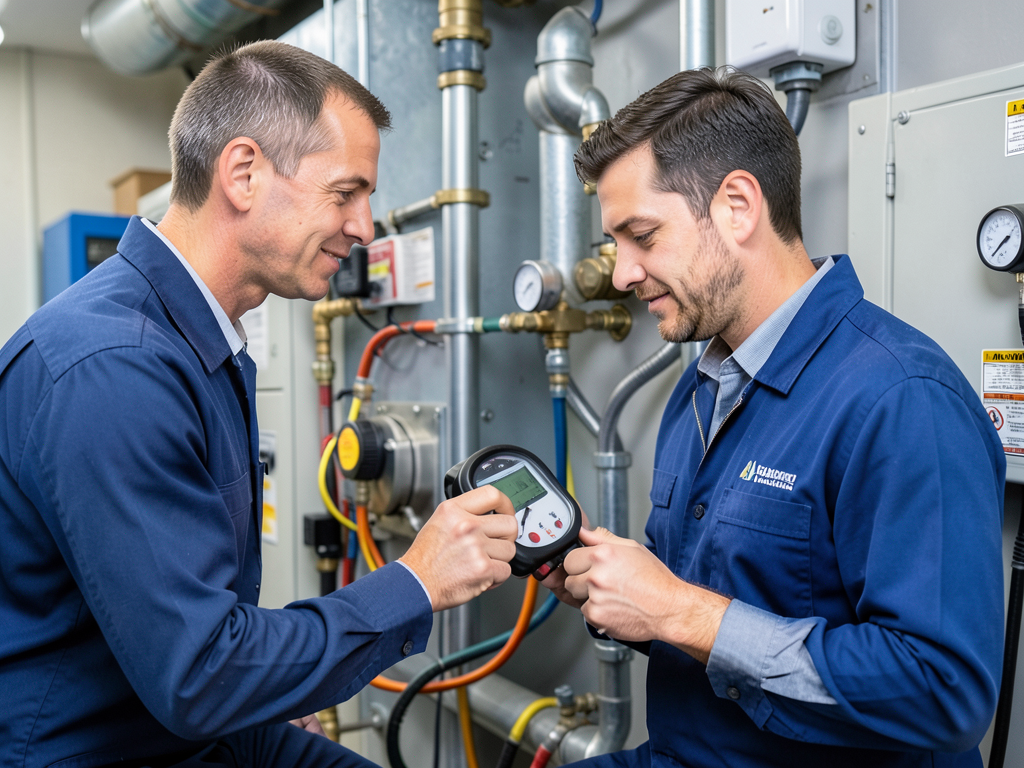
Why Your BGE Bill Is So High and How Your HVAC System Is Likely to…
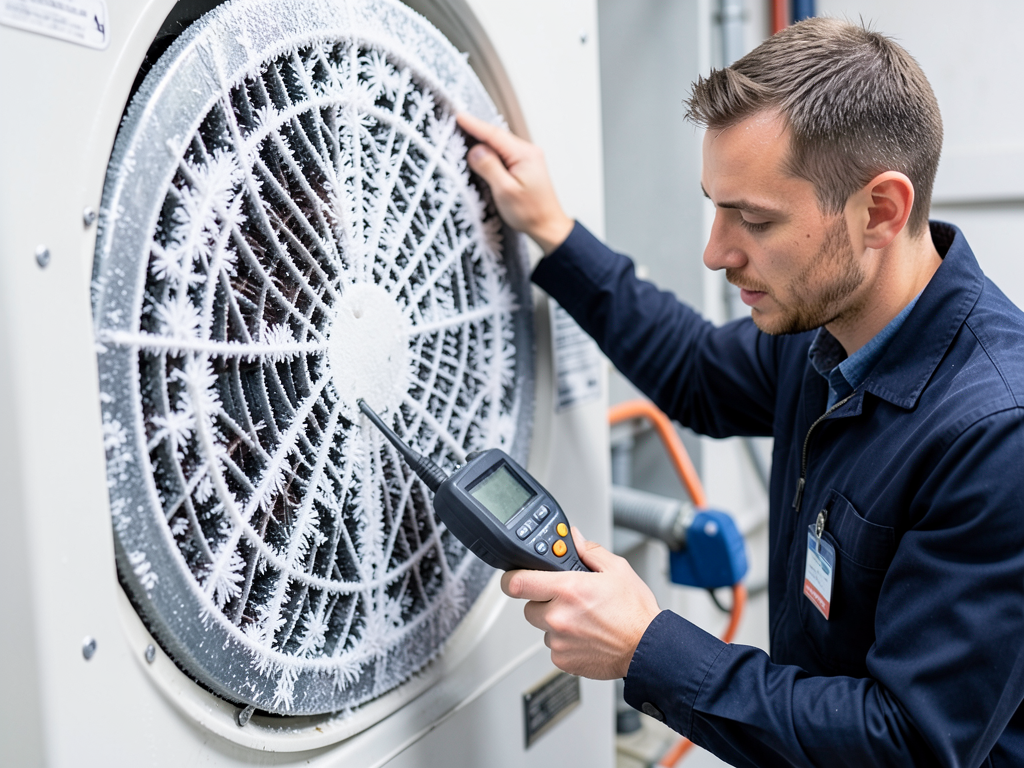
Why Your Reisterstown Heat Pump Is Covered in Ice and How to Fix It Your…
Your comfort and safety matter. Call Victory HVAC Baltimore at (443) 390-4933 for immediate HVAC service in Greenbelt. We answer 24/7 and dispatch technicians fast. No system failure is too small or too urgent for our team to handle.