

Menu

New HVAC System Cost 2026 in Baltimore – Get Real Pricing Data Before You Buy

Understanding the 2026 HVAC replacement cost for Baltimore homes means accounting for local climate demands, equipment tier choices, and installation complexity so you can budget accurately and avoid overpaying.

Slider Image 1
Slider Image 2
Slider Image 3
Slider Image 4
Slider Image 5
Slider Image 7
Slider Image 8
Slider Image 9
Slider Image 10
Slider Image 11

What Drives HVAC System Pricing in Baltimore's Climate

Baltimore homeowners face a unique climate challenge. The city experiences humid summers that stress cooling systems and freezing winters that demand reliable heat. This dual-season demand means your HVAC system works harder than equipment in milder climates. The average HVAC system price 2026 reflects this reality.

Baltimore's coastal humidity accelerates corrosion on outdoor condensers. Salt air from the Chesapeake Bay compounds the problem, shortening equipment lifespan in neighborhoods near the waterfront like Fells Point and Canton. You need systems built to withstand this environment, which affects the new HVAC installation pricing 2026.

The 2026 heating and cooling system cost varies based on three core factors. First, equipment tier matters. A basic single-stage system costs less upfront but runs longer cycles and consumes more energy. Variable-speed systems cost more initially but deliver precise temperature control and lower monthly bills. Second, your home's ductwork condition determines labor hours. Older Baltimore rowhomes often have undersized or leaking ducts that require modification. Third, removal and disposal of your old system adds to the total project expense.

Understanding the HVAC replacement price guide 2026 means looking beyond the equipment sticker price. Installation quality determines whether your system delivers its rated efficiency. Poor installation can reduce efficiency by 30 percent, negating any savings from buying a premium unit. Baltimore's mix of historic homes and newer construction means installation approaches vary widely. You need a contractor who understands load calculations, refrigerant charging protocols, and airflow balancing.

What Drives HVAC System Pricing in Baltimore's Climate
How We Calculate Your True System Cost

How We Calculate Your True System Cost

We start with a Manual J load calculation. This engineering method accounts for your home's square footage, insulation levels, window count, and orientation. Generic sizing based on square footage alone leads to oversized systems that short-cycle and undersized systems that run continuously. Both mistakes waste money.

We measure your existing ductwork using ACCA Manual D standards. Duct diameter, run length, and turn count determine static pressure. High static pressure forces your blower motor to work harder, increasing energy consumption and shortening compressor life. If your ducts are undersized, we calculate the cost to modify them or recommend ductless mini-split zones for problem areas.

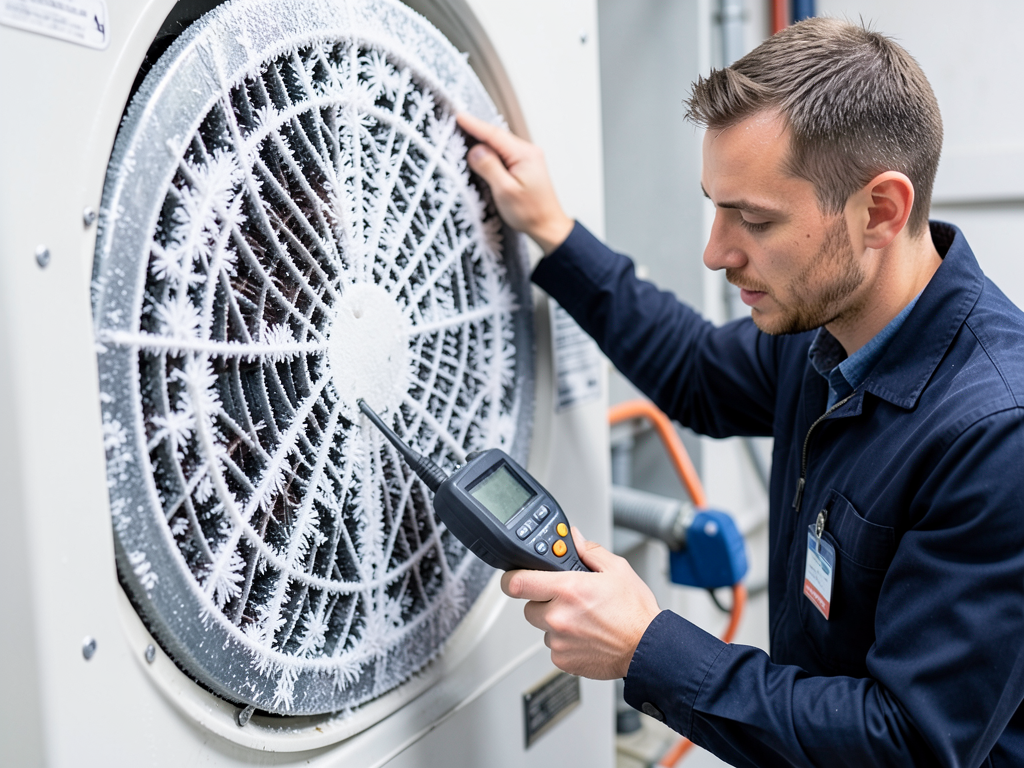
We test your current system's refrigerant charge and airflow. Many Baltimore homes have systems installed years ago with incorrect charge levels. Undercharged systems freeze evaporator coils. Overcharged systems damage compressors. We verify charge by superheat and subcooling measurements, not guesswork. Airflow testing uses a flow hood to measure CFM at each register. Proper airflow prevents hot and cold spots.

We provide tiered equipment options with SEER2 and HSPF2 ratings. The new 2023 efficiency standards changed how systems are rated. A 14 SEER system under old ratings equals roughly 13.4 SEER2 under new testing. We explain real-world performance differences between 14 SEER2, 16 SEER2, and 18 SEER2 systems based on Baltimore's climate data. You get a line-item breakdown covering equipment, labor, permits, duct modifications, electrical upgrades, condensate pumps, and disposal fees. No surprise charges after you sign.

What Happens During Your HVAC Replacement

New HVAC System Cost 2026 in Baltimore – Get Real Pricing Data Before You Buy
01

In-Home Assessment

A technician measures your home's heat gain and heat loss using infrared thermography and blower door testing. We photograph your existing equipment, ductwork, electrical panel, and thermostat wiring. We check for asbestos-wrapped ducts common in pre-1980 Baltimore homes. You receive a written load calculation report with recommended system sizes and efficiency tiers. We explain how Baltimore's 38-inch annual rainfall affects outdoor unit placement and drainage requirements.
02

Installation Day Execution

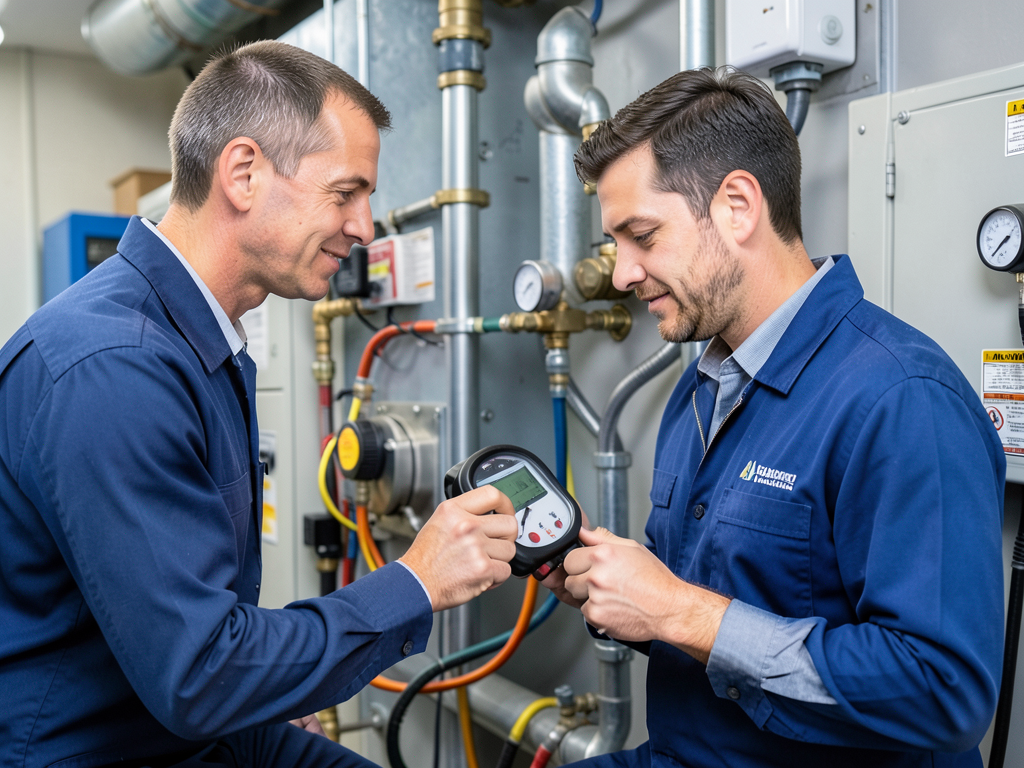
The crew arrives with all equipment and materials. We remove your old system and inspect the lineset for leaks or damage. If reusing existing linesets, we perform a nitrogen pressure test to 450 PSI. New refrigerant lines get vacuum-tested to 500 microns before charging. We install vibration isolators on the air handler to prevent noise transmission through floor joists. The outdoor condenser sits on a composite pad that resists settling in Baltimore's clay soil. All electrical connections follow NEC Article 440 for air conditioning equipment.
03

System Commissioning

We charge refrigerant by subcooling method for fixed-orifice systems or superheat method for TXV systems. Airflow gets verified at 400 CFM per ton of cooling. We measure temperature split across the evaporator coil, targeting 18 to 22 degrees in cooling mode. The condensate drain gets tested with a full water pour to check for clogs. You receive a startup report showing all measured values, thermostat programming instructions, and filter change intervals based on your household occupancy and pet count.

Why Baltimore Homeowners Choose Local HVAC Expertise

Baltimore's building stock ranges from 1800s rowhomes in Federal Hill to modern construction in Harbor East. Each building type presents different HVAC challenges. Rowhomes have narrow footprints with limited space for ductwork. Modern condos have concrete floors that complicate drain routing. We have installed systems in every Baltimore neighborhood and understand these variables.

Local code knowledge matters. Baltimore City requires permits for HVAC replacements. The inspection process checks refrigerant handling, electrical connections, and combustion venting for gas furnaces. We handle all permit applications and coordinate inspections. Out-of-town contractors often skip permits, leaving you liable for code violations when you sell.

We stock parts for systems common to this region. Baltimore's HVAC mix includes Carrier, Trane, Lennox, and Rheem equipment. When a blower motor fails on a Saturday, we have replacements in our warehouse. National chains order parts from regional hubs, adding days to repair timelines.

Our technicians train on Baltimore-specific conditions. The Chesapeake Bay's salt air requires stainless steel fasteners and corrosion-resistant coil coatings. We specify outdoor units with extended coastal protection when installing near the waterfront. Standard units corrode within five years in these environments.

We understand Baltimore's seasonal patterns. Fall is our busiest season for furnace replacements because homeowners discover failures during first cold snaps. Spring brings cooling system failures during the first heat wave. We staff accordingly and maintain equipment inventory to handle demand surges. You get faster service because we plan for Baltimore's weather patterns, not national averages.

What to Expect During Your HVAC Replacement

Project Timeline

Most residential HVAC replacements take one to two days. Single-story homes with accessible ductwork and standard equipment typically complete in one day. Two-story homes or projects requiring duct modifications take two days. We schedule installations Monday through Friday to ensure inspector availability. Emergency replacements during system failures get priority scheduling, often within 48 hours. You receive a confirmed installation date after equipment delivery to our warehouse. We call the morning of installation with a two-hour arrival window. The crew arrives with all materials to avoid mid-project supply runs.

The Assessment Process

Your assessment takes 60 to 90 minutes. We measure every room, count windows, and photograph your current system. The technician checks attic insulation levels and crawl space conditions if applicable. We test your existing system's performance using refrigerant gauges and airflow meters. You receive a detailed proposal within 24 hours showing three equipment options at different efficiency levels. Each option includes a 10-year cost analysis comparing equipment price, installation cost, estimated annual energy consumption, and projected repair expenses. This helps you evaluate total ownership cost instead of just upfront price.

Installation Quality Standards

We follow ACCA Quality Installation standards for every project. Refrigerant charging happens by measured superheat and subcooling, never by rule-of-thumb methods. Ductwork gets sealed with mastic, not cloth tape that degrades. All joints get mechanical fasteners plus sealant. We insulate refrigerant lines to prevent condensation dripping and energy loss. Electrical connections get torqued to manufacturer specifications using a calibrated torque screwdriver. The outdoor disconnect gets a weatherproof cover. Condensate drains pitch at one-quarter inch per foot minimum. You see these details in progress photos we provide after installation.

Post-Installation Support

We return 30 days after installation for a follow-up check. This visit includes filter inspection, thermostat operation review, and airflow verification. You receive a maintenance plan option covering two annual tune-ups. Spring maintenance prepares your cooling system before summer heat. Fall maintenance checks your heating system before winter. Tune-ups include refrigerant level checks, electrical connection testing, condensate drain cleaning, and blower wheel cleaning. Plan members get priority scheduling and discounted repair rates. All labor comes with a one-year workmanship guarantee. Equipment warranties vary by manufacturer but typically cover parts for 10 years.

Frequently Asked Questions

You Have Questions,
We Have Answers

Will HVAC prices go down in 2026? +

HVAC prices in 2026 will remain elevated. Labor costs continue to climb as skilled technicians become scarce across Baltimore. Refrigerant regulations push manufacturers toward new eco-friendly systems, which carry higher price tags. Supply chain stabilization may bring minor relief, but inflation offsets those gains. Baltimore homeowners should expect equipment costs to stay flat or increase slightly. Installation labor rates will rise due to demand in the metro area. If you need a system now, do not wait. A failing unit stresses your budget more than incremental price increases. Plan your replacement proactively rather than during an emergency breakdown.

Will HVAC systems be more expensive in 2025? +

HVAC systems cost more in 2025 compared to previous years. New efficiency mandates took effect January 2025, requiring higher SEER2 ratings. Manufacturers redesigned equipment to meet these standards, raising production costs. Refrigerant transitions from R-410A to R-454B also add expense. Baltimore installers face tighter margins due to labor shortages and insurance increases. A standard gas furnace and air conditioner combination now runs higher than 2023 pricing. Heat pumps, gaining popularity in Maryland due to efficiency rebates, also carry premium pricing. Factor in ductwork modifications for older Baltimore rowhomes, and total project costs climb further.

What is the $5000 rule for HVAC? +

The $5,000 rule guides repair-versus-replace decisions. Multiply your system age by the repair cost. If the result exceeds $5,000, replace the unit instead of repairing it. A 12-year-old furnace needing a $500 repair equals $6,000, signaling replacement time. This rule prevents you from pouring money into aging equipment that will fail again soon. Baltimore homes with 15-plus-year-old systems should weigh this carefully. Older units use R-22 refrigerant, which costs three times more than modern alternatives. Factor in rising energy bills from inefficiency. A new system pays for itself through lower utility costs and fewer emergency service calls.

How much is HVAC to cost in 2025? +

A complete HVAC replacement in Baltimore ranges widely based on system type and home size. A gas furnace and air conditioner for a typical 1,500-square-foot rowhome sits in the mid-range. Heat pump installations cost more upfront but qualify for federal tax credits. High-efficiency models with variable-speed technology push costs higher but cut energy bills. Ductwork replacement or modification adds to the total, common in older Baltimore neighborhoods. Expect installation to take two to three days. Get three written estimates from licensed contractors. Financing options spread payments over 60 to 120 months for qualified buyers.

Should I wait until 2026 to sell my house? +

Waiting until 2026 to sell depends on your HVAC system condition, not market timing. A failing furnace or air conditioner kills buyer confidence during home inspections. Baltimore buyers expect working systems, especially in competitive markets. Replacing an outdated unit before listing increases home value and speeds sales. A 20-year-old system raises red flags. Buyers factor replacement costs into their offers, lowering your net proceeds. Install a new high-efficiency system now and market it as a selling point. Energy-efficient homes attract Baltimore buyers concerned with rising BGE utility rates. Your timing should prioritize system reliability over speculative price drops.

What are the HVAC trends for 2026? +

HVAC trends in 2026 focus on electrification and smart controls. Heat pumps dominate new installations as Maryland pushes clean energy incentives. Cold-climate models handle Baltimore winters without backup heat. Smart thermostats with zoning controls optimize comfort and cut waste. Ductless mini-splits gain traction in rowhomes and additions where ductwork is impractical. Air quality upgrades, including UV lights and HEPA filtration, become standard add-ons. Refrigerant shifts to A2L blends require technician recertification. Variable-speed compressors and modulating furnaces replace single-stage equipment. Financing terms extend to 15 years as system costs rise. Maintenance agreements bundled with installations protect your investment.

Is a new HVAC system tax deductible in 2025? +

A new HVAC system is not tax deductible, but it may qualify for federal tax credits. The Inflation Reduction Act offers credits up to 30 percent for high-efficiency heat pumps, central air conditioners with SEER2 ratings above 16, and gas furnaces exceeding 95 percent AFUE. Heat pump installations receive the largest incentives. Baltimore homeowners must meet efficiency thresholds and file IRS Form 5695. Credits reduce your tax liability dollar-for-dollar. Maryland offers additional rebates through EmPOWER programs. Combine federal credits with state rebates to offset installation costs. Consult a tax professional for your specific situation before purchasing.

How much does a new HVAC system cost 2000 sq ft? +

A new HVAC system for a 2,000-square-foot Baltimore home varies by equipment type and efficiency. A mid-efficiency gas furnace paired with a 16 SEER2 air conditioner sits in the moderate range. Heat pump systems cost more upfront but provide heating and cooling in one unit. High-efficiency variable-speed models add 20 to 30 percent to the baseline. Older Baltimore homes may need ductwork upgrades, adding thousands. Brands like Carrier, Trane, and Lennox dominate local installations. Get multiple quotes and verify contractor licensing through Maryland HVAC Board. Financing spreads costs over five to ten years.

What is the 3 minute rule for AC? +

The three-minute rule prevents compressor damage. After shutting off your air conditioner, wait at least three minutes before restarting it. Refrigerant pressure needs time to equalize between the high and low sides of the system. Restarting too quickly forces the compressor to work against unbalanced pressure, causing strain and potential failure. Baltimore homeowners who frequently adjust thermostats risk shortening compressor life. Modern thermostats include delay timers to enforce this rule automatically. If your system short-cycles (turns on and off rapidly), call a technician. Short-cycling indicates airflow problems, refrigerant issues, or oversized equipment.

Can you get a tax credit for a new HVAC system? +

You can get federal tax credits for qualifying HVAC systems. The Inflation Reduction Act provides credits up to 30 percent of equipment and installation costs. Heat pumps, central air conditioners meeting SEER2 requirements, and high-efficiency furnaces qualify. Maximum credits reach $2,000 for heat pumps and $600 for air conditioners or furnaces. Baltimore homeowners must install systems by December 31, 2032, to claim credits. File IRS Form 5695 with your tax return. Combine federal credits with Maryland EmPOWER rebates for additional savings. Verify equipment qualifies before purchasing. Keep manufacturer certifications and installer invoices for documentation.

How Baltimore's Humidity and Clay Soil Impact HVAC Installation Costs

Baltimore averages 75 percent relative humidity in summer months. High humidity forces your air conditioner to remove moisture in addition to cooling air. This extended runtime increases wear on compressors and blower motors. Systems in Baltimore need larger condensate removal capacity than identical homes in dry climates. We install auxiliary condensate pumps in finished basements common to Roland Park and Guilford neighborhoods. The city's clay soil expands when wet and contracts when dry, causing concrete pads to settle unevenly. Settled pads tilt outdoor units, causing refrigerant migration and compressor damage. We install composite pads on compacted gravel bases that resist settling.

Baltimore City mechanical codes require licensed contractors for all HVAC work. The licensing process verifies technical knowledge and maintains consumer protection standards. We hold Maryland HVAC Master licenses and pull permits for every installation. City inspectors verify refrigerant handling, electrical safety, and combustion venting. This protects you from substandard work that causes carbon monoxide leaks or electrical fires. Choosing an unlicensed installer saves money upfront but leaves you with no recourse when problems emerge. Insurance companies can deny claims for damage caused by unpermitted work. Local expertise means we know inspector expectations and pass inspections on the first visit.
HVAC Services in The Baltimore Area

Easily locate Victory HVAC and our service areas on the map below. We are strategically positioned to provide prompt and efficient heating, ventilation, and air conditioning services across the entire region. Whether you're seeking a new installation, emergency repair, or routine maintenance, our team is readily available to reach your location quickly, ensuring your comfort is restored without delay. Feel free to zoom in to see our exact location or contact us for directions and service area details.

Address:
Victory HVAC Baltimore, 729 E Pratt St, Baltimore, MD, 21202

Additional Services We Offer

Our news updates

Latest Articles & News from The Blogs

The Best Time to Switch Your Guilford Home from Heating to Cooling Mode When should you flip that thermostat switch…

The Best Time to Switch Your Guilford Home from Heating to Cooling Mode

The Best Time to Switch Your Guilford Home from Heating to Cooling Mode When should you flip that thermostat switch…

How Much Space Does Your AC Unit Actually Need from Landscaping in Your Ruxton Yard?

How Much Space Does Your AC Unit Actually Need from Landscaping in Your Ruxton Yard? Your outdoor AC condenser needs…

Common Reasons Your Brooklyn Park AC Is Blowing Warm Air

Common Reasons Your Brooklyn Park AC Is Blowing Warm Air Your air conditioner is running but the air coming from…

Contact Us

Stop guessing about replacement costs. Call (443) 390-4933 for a detailed assessment and line-item proposal. We provide same-day quotes Monday through Saturday. You receive three equipment options with 10-year cost projections so you can make an informed decision. No pressure, just facts.