Menu

Gas Furnace Leak Repair in Baltimore – 24/7 Emergency Response Within 90 Minutes

When you smell gas near your furnace, every second counts. Our certified technicians arrive fast, locate the leak source, and restore safe heat to your Baltimore home before the situation escalates.

Slider Image 1
Slider Image 2
Slider Image 3
Slider Image 4
Slider Image 5
Slider Image 7
Slider Image 8
Slider Image 9
Slider Image 10
Slider Image 11

Why Gas Furnace Leaks Are a Critical Emergency in Baltimore Winters

You smell rotten eggs near your furnace. Your carbon monoxide detector is beeping. The gas odor is getting stronger. This is not a situation you can wait out.

Baltimore's freeze-thaw cycles put unique stress on furnace gas lines. When temperatures drop below 20 degrees, older copper supply lines contract and crack. The city's aging housing stock, especially rowhouses built before 1960, often have original gas piping that was never designed for modern high-efficiency furnaces. Add in corroded fittings from decades of Chesapeake Bay humidity, and you have a perfect storm for furnace gas line leak repair emergencies.

A gas leak near your furnace creates two immediate dangers. First, natural gas is explosive in concentrations as low as 5 percent. Second, if the leak is in the heat exchanger, carbon monoxide can enter your living space without warning. Baltimore Gas and Electric responds to over 1,200 gas leak calls annually in the city, with furnace-related leaks spiking every January and February when systems run continuously.

If you detect a sulfur smell, hear hissing near your gas heater, or notice dead plants near your furnace exhaust, you need emergency furnace gas leak service immediately. Do not try to locate the leak yourself. Do not turn the system back on. Evacuate the home and call for professional help. The time between detection and repair can mean the difference between a fixable problem and a catastrophic event.

Why Gas Furnace Leaks Are a Critical Emergency in Baltimore Winters
How We Fix Gas Leaks on Furnaces Without Cutting Corners

How We Fix Gas Leaks on Furnaces Without Cutting Corners

When you call for a furnace gas line leak repair, you do not need a parts salesman. You need a diagnostician who can isolate the leak source in minutes, not hours.

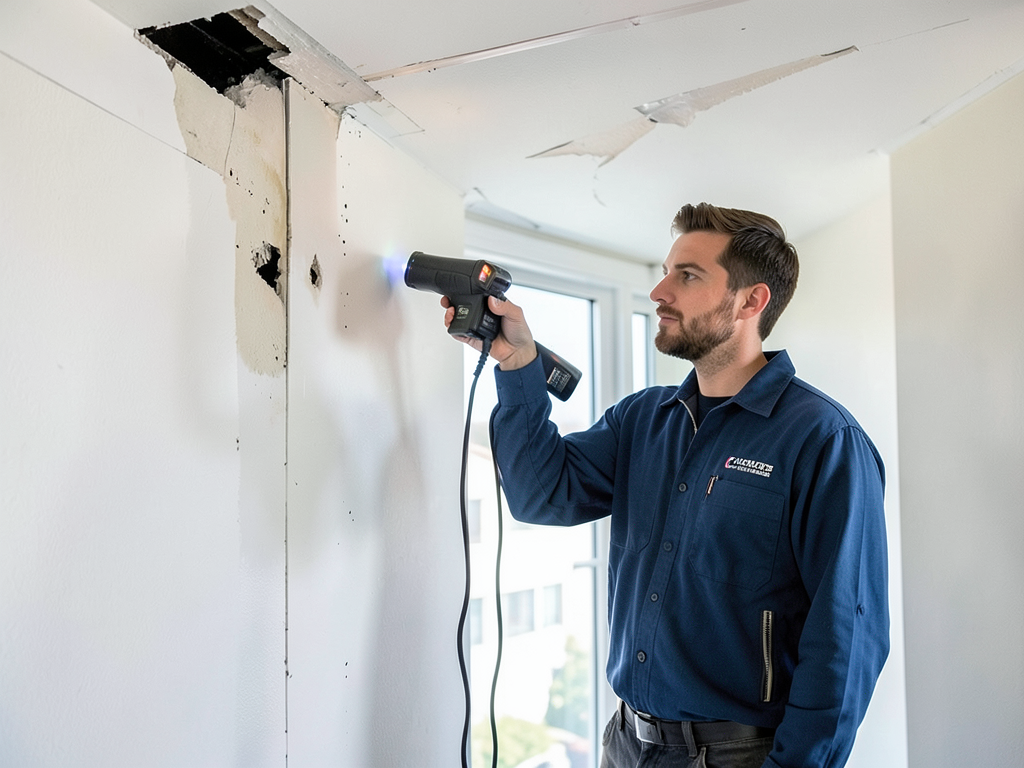
We arrive with combustible gas detectors calibrated to detect natural gas and propane at levels as low as 50 parts per million. Our technicians do not guess. We pressurize the gas line with nitrogen, then use electronic leak detectors and soap bubble tests to pinpoint the exact failure point, whether it is a cracked union, a corroded nipple, or a compromised heat exchanger.

Most furnace gas leaks occur at three points. The gas valve connection, where vibration loosens threaded fittings over years of operation. The manifold, where burner orifices can crack from thermal cycling. The heat exchanger itself, where metal fatigue creates hairline cracks that leak combustion gases into the air stream. Each requires a different repair approach.

For supply line leaks, we replace the compromised section with black iron pipe rated for natural gas, using pipe dope approved for gas applications and torquing all connections to manufacturer specifications. For heat exchanger leaks, we do not patch. We replace. A cracked heat exchanger is a failed component, and temporary fixes put your family at risk.

After the repair, we perform a standing pilot pressure test and a full combustion analysis. We check gas pressure at the manifold, verify proper flame characteristics, and test for carbon monoxide in the flue and living space. You do not get a handshake and a bill. You get documentation that your system is safe.

What Happens During Your Emergency Gas Leak Call

Gas Furnace Leak Repair in Baltimore – 24/7 Emergency Response Within 90 Minutes
01

Immediate Dispatch and Safety

The moment you call, we dispatch the nearest available technician with a fully stocked truck. While en route, we confirm you have evacuated the home, shut off the gas at the meter if safe to do so, and opened windows. We arrive with gas detection equipment ready and establish a safety perimeter before entering the home.
02

Leak Detection and Isolation

Using calibrated combustible gas detectors, we scan the furnace cabinet, gas valve assembly, burner manifold, and heat exchanger. We trace gas supply lines from the meter to the appliance, checking every union and coupling. Once located, we isolate the leak by closing the gas valve and confirming zero gas flow before beginning repairs.
03

Repair and System Testing

We replace the failed component using code-compliant materials and techniques. After reassembly, we pressure test the gas line, restore gas flow, and monitor for leaks using both electronic detection and soap solution. We fire the furnace, verify proper combustion, and test for carbon monoxide. You receive written documentation of the repair and safety test results.

Why Baltimore Homeowners Trust Us With Gas Furnace Emergencies

Gas work is not something you trust to the lowest bidder. In Baltimore, you need technicians who understand both the technical requirements of modern furnaces and the quirks of the city's older housing infrastructure.

Our team has worked on everything from Federal Hill rowhouses with 1940s-era octopus furnaces to new construction condos in Harbor East with modulating gas furnaces. We know the challenges of tight basement access in Canton, the venting limitations in Hampden rowhouses, and the code requirements for gas line replacement in historic districts. This is not knowledge you get from a YouTube video. It comes from years of working in Baltimore's unique building environment.

Every technician carries a Maryland gas fitter license and completes annual training on the latest furnace technology. When we repair a gas leak on your furnace, we are not just stopping the immediate problem. We are evaluating the entire gas delivery system for potential failure points, checking for code violations from previous installations, and identifying issues that could cause the next emergency.

We also understand the reality of Baltimore winters. When your furnace goes down in January, you do not have time to wait for a callback. Our emergency response is not a phone tree. You talk to a dispatcher who can see our technicians' locations in real time and give you an accurate arrival window, not a four-hour spread.

You will also never get pressured into unnecessary upgrades. If your furnace is repairable, we repair it. If replacement makes more sense, we explain why and give you options. Our job is to restore safe heat to your home, not to upsell you on equipment you do not need.

What You Can Expect When You Call for Emergency Gas Leak Service

Response Time

Gas leaks do not wait for business hours. We maintain multiple service vehicles across Baltimore with technicians on call 24 hours a day, seven days a week. Average response time for emergency gas leak calls is under 90 minutes citywide, with faster response in high-density areas like Fells Point, Mount Vernon, and Roland Park. When you call, you get a real person who dispatches immediately, not an answering service that will call you back in the morning.

Diagnostic Process

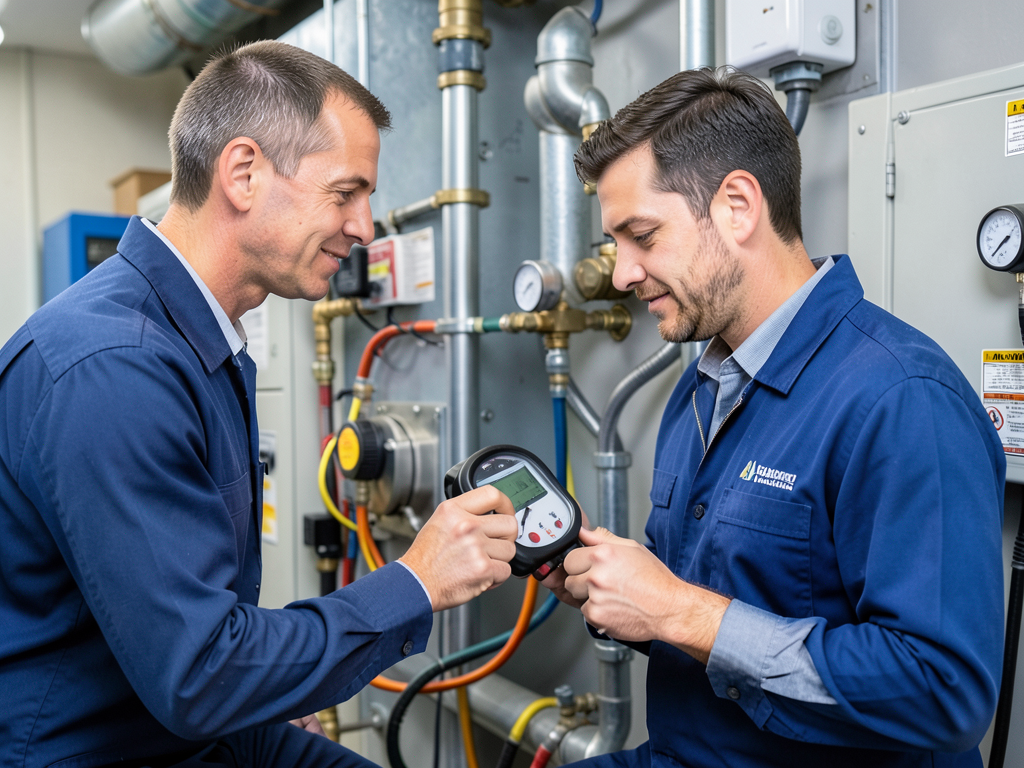
We do not charge you to show up and guess. The diagnostic process uses professional-grade combustible gas detectors, digital manometers for pressure testing, and thermal imaging to identify heat exchanger cracks. You receive a clear explanation of what failed, why it failed, and what it takes to fix it. If parts need to be ordered, we provide temporary solutions when safe to do so, or we help you arrange alternative heating until repairs are complete.

Repair Quality

Gas line repairs are performed using black iron pipe or approved flexible gas connectors, never with temporary fittings or unapproved materials. All threaded connections use yellow thread sealant rated for natural gas. Heat exchanger replacements use OEM parts when available. After repair, the system undergoes a full safety check including gas pressure verification, combustion analysis, and carbon monoxide testing. You receive written documentation of all test results before we leave.

Post-Repair Support

A gas leak repair is not a one-and-done service call. We follow up within 24 hours to confirm the system is operating correctly. If you detect any gas odor or experience any issues after the repair, we return immediately at no additional charge. We also provide written recommendations for preventive maintenance to reduce the risk of future leaks, including annual heat exchanger inspections and gas line pressure testing for older systems.

Frequently Asked Questions

You Have Questions,
We Have Answers

How much does it cost to fix a furnace leak? +

Gas furnace leak repair costs vary based on the leak source and severity. A simple valve replacement runs less than a cracked heat exchanger, which often means full unit replacement. Emergency calls cost more than scheduled service. Baltimore homes with older furnaces may face higher repair bills due to discontinued parts. Get a professional inspection immediately. A licensed technician will diagnose the exact problem and give you an accurate estimate. Do not wait. Gas leaks pose serious safety risks to your family and property.

What happens if your furnace is leaking gas? +

If your furnace leaks gas, evacuate immediately. Do not flip light switches or use your phone inside. Gas creates explosive risk and causes carbon monoxide poisoning. Once outside, call 911 and your gas company. Baltimore Gas and Electric will shut off your meter. Do not re-enter until cleared by emergency responders. After the all-clear, call a licensed HVAC technician for emergency repair. Gas leaks stem from cracked heat exchangers, faulty valves, or loose connections. Every minute counts. Your family's safety depends on fast action.

Why is my furnace leaking when the heat is on? +

Your furnace likely leaks water, not gas, when the heat runs. Baltimore's humid climate causes condensation in high-efficiency furnaces. A clogged condensate drain or broken pump creates pooling water. Cracked heat exchangers also leak, but that produces gas odors, not water puddles. Check your drain line first. If you smell rotten eggs or hear hissing, shut down the system and call for emergency service. Water leaks damage floors and breed mold. Gas leaks threaten lives. Both need immediate professional attention.

Can I fix a furnace leak myself? +

No. Do not attempt DIY gas furnace leak repair. Gas leaks require licensed technicians with specialized tools and training. Baltimore enforces strict permitting requirements for gas line work. You risk explosion, fire, carbon monoxide poisoning, and code violations. Homeowners insurance may deny claims for unpermitted work. Even minor connection adjustments demand proper torque specs and leak testing. Gas work is not plumbing or electrical tinkering. Your only safe action is shutting off the gas valve, evacuating, and calling professionals immediately.

Does homeowners insurance cover furnace leaks? +

Homeowners insurance typically covers sudden gas furnace damage from covered perils like fire or storms. Gradual wear, neglect, and maintenance issues get denied. A cracked heat exchanger from age will not qualify. Explosion damage from a gas leak often does. Baltimore insurers require proof of regular maintenance. Keep service records. Review your policy's equipment breakdown coverage. Some policies exclude older furnaces or require specific endorsements. File claims immediately after emergency repairs. Document everything with photos and professional reports.

What is the average lifespan of a gas furnace? +

Gas furnaces last 15 to 20 years with proper maintenance. Baltimore's humid summers and cold winters stress systems year-round. Furnaces in rowhouses with poor ventilation fail sooner. Heat exchangers crack after 15 years, creating dangerous gas leaks. Older furnaces lose efficiency and cost more to heat your home. If your unit approaches 15 years and needs major repairs, replacement makes financial sense. Annual inspections catch problems early. Neglected furnaces fail faster and leak gas. Replace before emergency strikes.

How long can a gas leak go undetected? +

Small gas leaks go undetected for days or weeks without proper monitoring. You adapt to faint odors. Carbon monoxide is odorless and deadly. Baltimore's older homes lack modern detectors. Slow leaks from pinhole cracks in heat exchangers build up gradually. Symptoms like headaches, nausea, and fatigue mimic flu. Install carbon monoxide detectors on every floor. Test monthly. Schedule annual furnace inspections before heating season. Technicians use combustion analyzers to detect invisible leaks. Do not trust your nose alone.

Will turning off the furnace stop a gas leak? +

Turning off the furnace stops gas flow to the burners but does not stop all leaks. If the leak originates upstream at the supply line or gas valve, gas continues flowing. Shut off the gas valve at the furnace and the main meter valve outside. Baltimore Gas and Electric will help if you cannot locate valves. Evacuate after shutting off gas. Do not restart the furnace until a licensed technician inspects, repairs, and tests the system. Gas lingers and ignites easily.

Are gas leaks expensive to fix? +

Gas leak repair costs depend on location and damage. Simple valve replacements or tightened connections cost less than heat exchanger cracks, which require furnace replacement. Emergency service costs more than scheduled repairs. Baltimore's older housing stock often has outdated gas lines, increasing complexity. Expect diagnostic fees plus parts and labor. Cracked heat exchangers mean full replacement because repair is unsafe. Get multiple estimates but prioritize speed and safety. Cheap fixes on gas systems create deadly risks. Invest in proper repair.

Why Baltimore's Aging Housing Stock Creates Higher Risk for Furnace Gas Leaks

Baltimore has one of the oldest housing inventories on the East Coast, with over 65,000 homes built before 1950. Most of these properties have original gas piping that was installed when furnaces operated at much lower pressures and efficiencies. Modern high-efficiency furnaces require tighter tolerances and more consistent gas pressure, putting stress on aging supply lines. Combine this with the city's high humidity from proximity to the Chesapeake Bay, which accelerates corrosion of steel pipe fittings, and you have a recipe for gas line failures. Rowhouse construction also creates unique challenges, with shared walls and limited ventilation that can allow gas to accumulate quickly if a leak occurs.

Gas work in Baltimore requires compliance with both state codes and local amendments specific to the city's building stock. Any furnace gas line leak repair must meet Baltimore City Code requirements for gas piping materials, venting, and combustion air. Our technicians work daily with city inspectors and understand the permit requirements for major gas line replacements in historic districts. When you hire a local company with deep roots in Baltimore's HVAC community, you get more than technical skill. You get navigational knowledge of local regulations and relationships with suppliers who stock parts for older systems that national chains cannot source.
HVAC Services in The Baltimore Area

Easily locate Victory HVAC and our service areas on the map below. We are strategically positioned to provide prompt and efficient heating, ventilation, and air conditioning services across the entire region. Whether you're seeking a new installation, emergency repair, or routine maintenance, our team is readily available to reach your location quickly, ensuring your comfort is restored without delay. Feel free to zoom in to see our exact location or contact us for directions and service area details.

Address:
Victory HVAC Baltimore, 729 E Pratt St, Baltimore, MD, 21202

Additional Services We Offer

Our news updates

Latest Articles & News from The Blogs

The Best Time to Switch Your Guilford Home from Heating to Cooling Mode When should you flip that thermostat switch…

The Best Time to Switch Your Guilford Home from Heating to Cooling Mode

The Best Time to Switch Your Guilford Home from Heating to Cooling Mode When should you flip that thermostat switch…

How Much Space Does Your AC Unit Actually Need from Landscaping in Your Ruxton Yard?

How Much Space Does Your AC Unit Actually Need from Landscaping in Your Ruxton Yard? Your outdoor AC condenser needs…

Common Reasons Your Brooklyn Park AC Is Blowing Warm Air

Common Reasons Your Brooklyn Park AC Is Blowing Warm Air Your air conditioner is running but the air coming from…

Contact Us

If you smell gas near your furnace, evacuate immediately and call (443) 390-4933. Our emergency dispatch is standing by 24/7 to send a certified technician to your Baltimore home. We arrive fast, locate the leak, and restore safe heat before the problem escalates.