Menu

Iced Up Evaporator Coil in Baltimore – Expert Diagnosis Stops the Ice and Fixes the Root Cause

When your air conditioner coil freezing up, you need technicians who understand the unique humidity and temperature swings in Baltimore homes and can identify whether the culprit is refrigerant loss, airflow restriction, or a failing blower motor.

Slider Image 1
Slider Image 2
Slider Image 3
Slider Image 4
Slider Image 5
Slider Image 7
Slider Image 8
Slider Image 9
Slider Image 10
Slider Image 11

Why Your AC Evaporator Coil Keeps Freezing Over in Baltimore

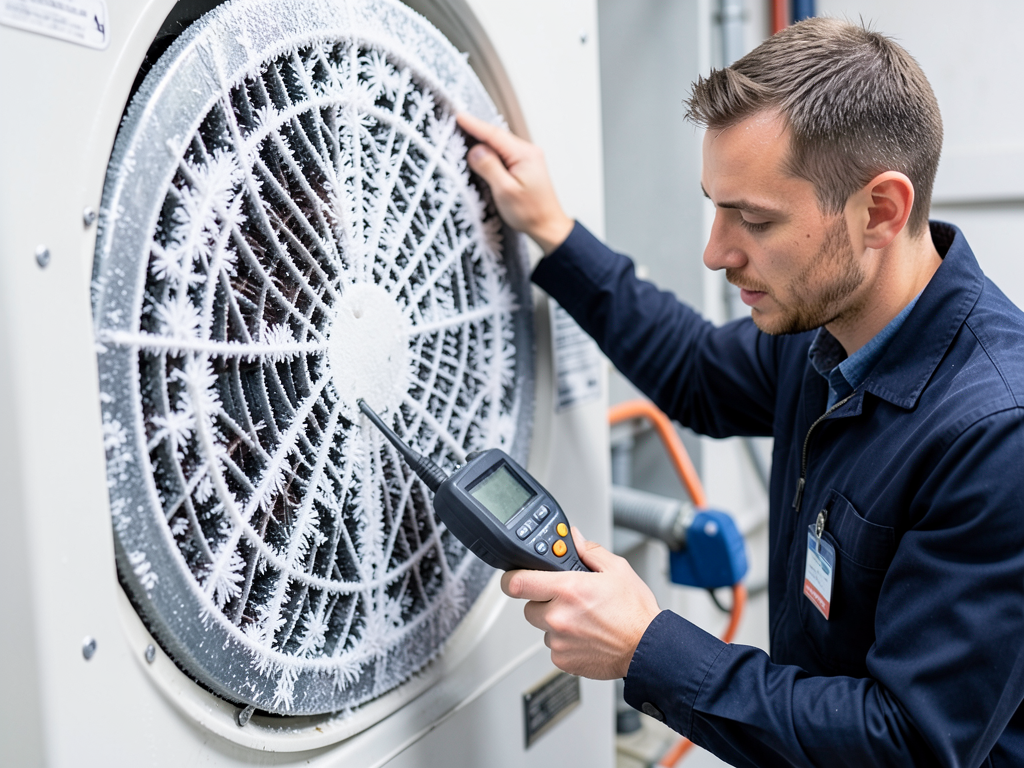
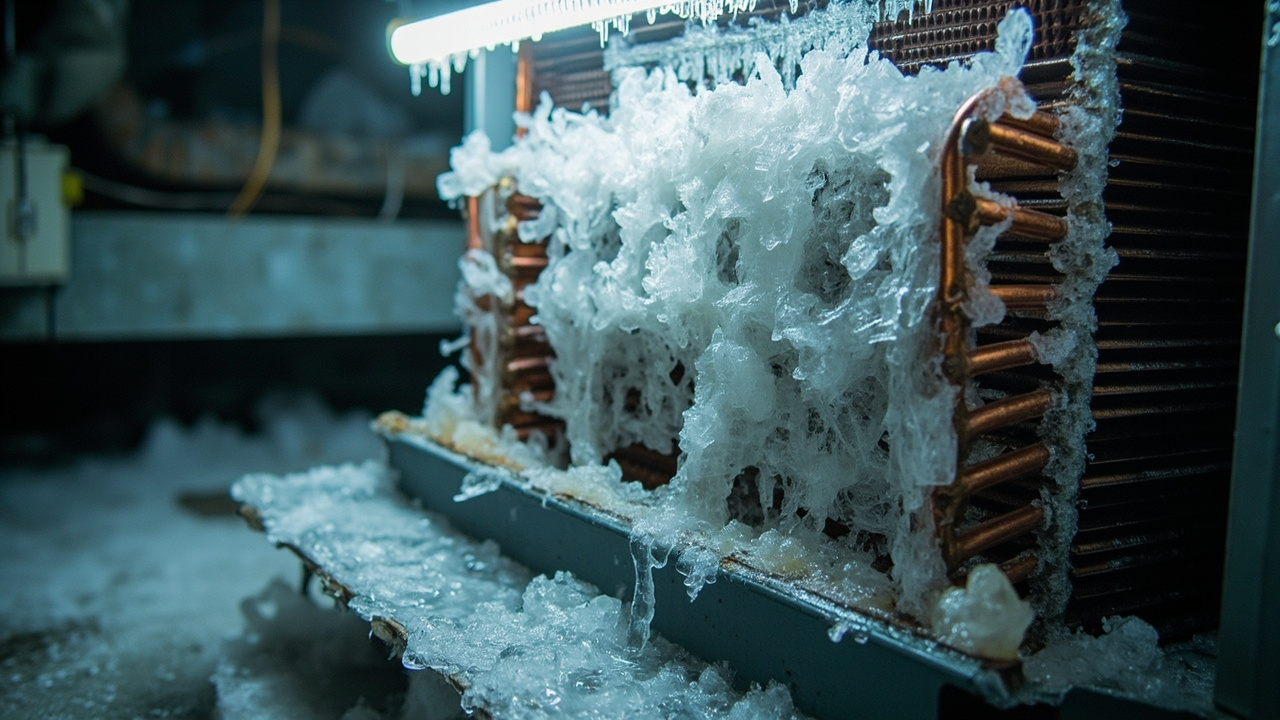
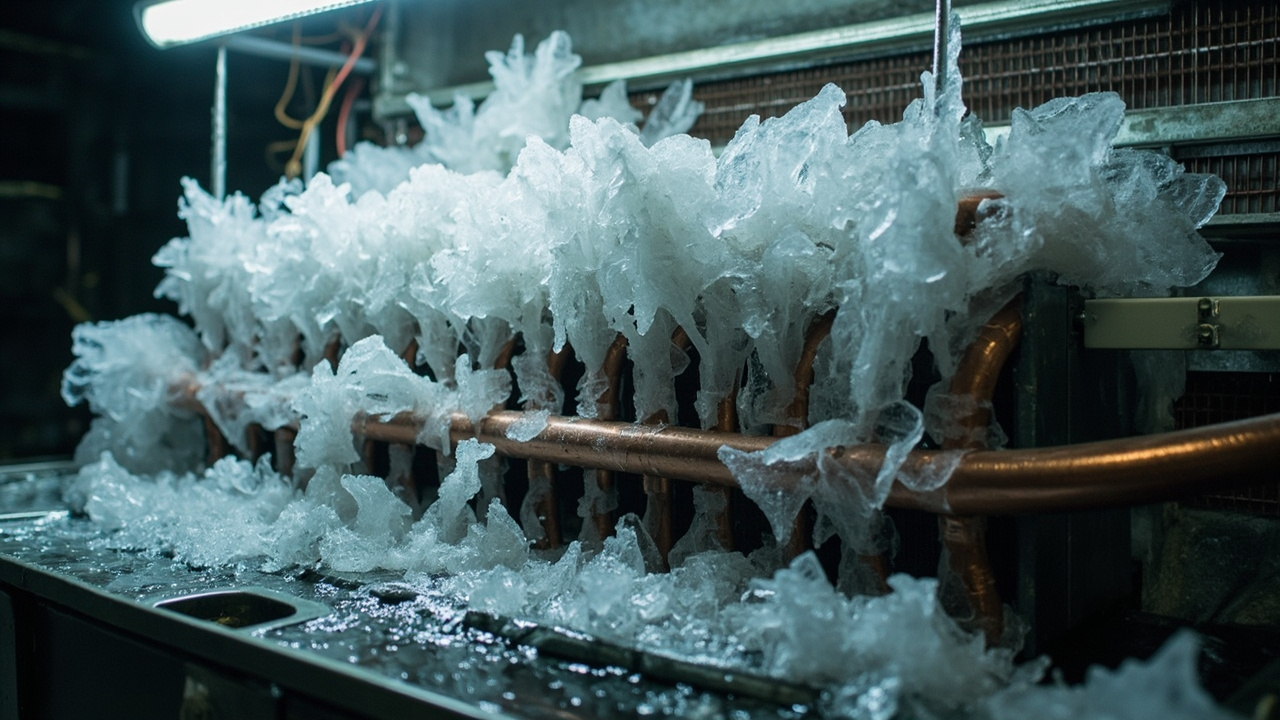
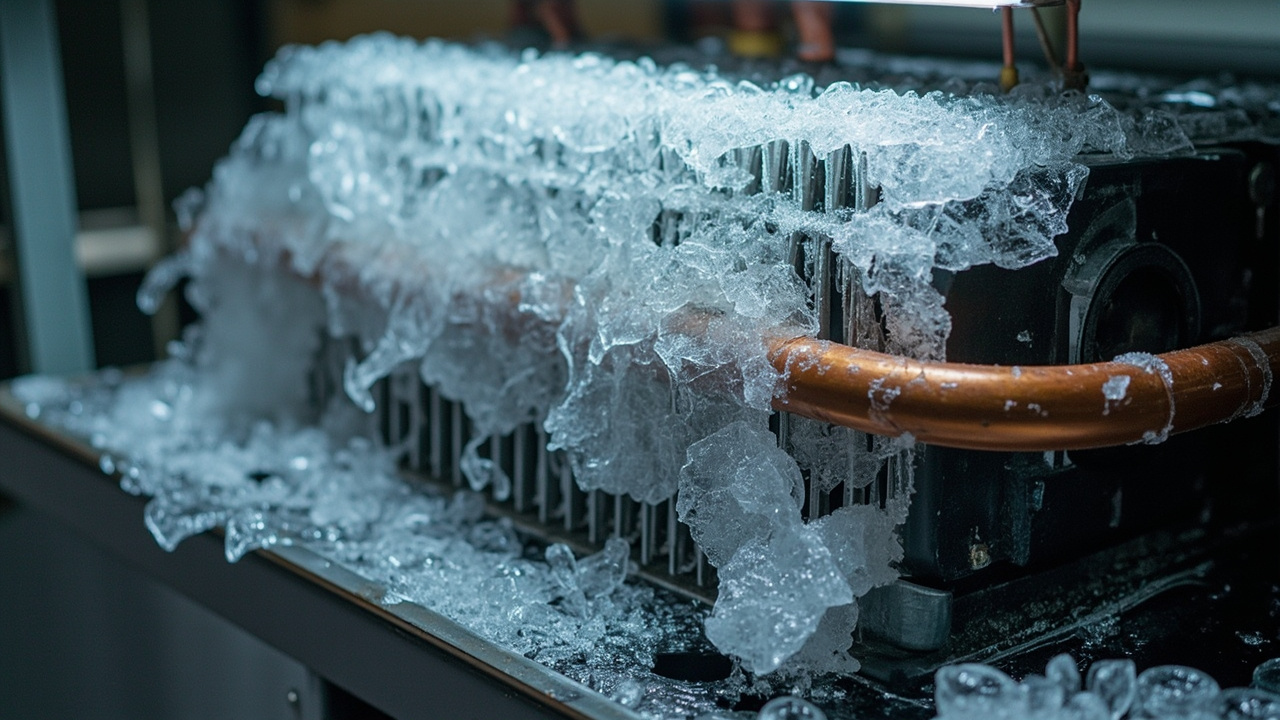
You walk downstairs and see ice coating your indoor unit. Your house is warm. The system is running but not cooling. You have a frozen ac evaporator coil.

This happens frequently in Baltimore because of the Mid-Atlantic climate. Summer humidity hovers between 60 and 75 percent. Your evaporator coil pulls moisture from the air while cooling it. When something disrupts that balance, condensation freezes instead of draining. The ice builds. Airflow stops. The compressor runs too long and overheats.

Three things cause frozen cooling coils in this region. Low refrigerant from a slow leak makes the coil too cold. Dirty air filters or blocked return vents choke off airflow. A failing blower motor slows down and cannot move enough air across the coil surface. Each of these problems shows up differently during a diagnostic.

Baltimore homes with older ductwork in crawl spaces or attics face a fourth issue. Leaky ducts pull in hot, humid air from unconditioned spaces. The system works harder to dehumidify. Coil temperatures drop. Ice forms faster than the defrost cycle can manage.

An iced over evaporator coil is not something you fix with a YouTube video. You need a technician who measures refrigerant pressures, checks static pressure in the duct system, and tests blower motor amperage. Guessing wastes time and money. Precision diagnostics find the real problem.

Why Your AC Evaporator Coil Keeps Freezing Over in Baltimore
How We Diagnose and Fix Ice on Evaporator Coil the Right Way

How We Diagnose and Fix Ice on Evaporator Coil the Right Way

Most companies thaw the coil, restart the system, and leave. The ice returns in 48 hours. Victory HVAC Baltimore runs a full airflow and refrigerant analysis before we touch anything.

We start by measuring suction line temperature and superheat at the evaporator. If superheat is too low, the coil is flooded with liquid refrigerant. That points to a metering device problem or overcharge. If superheat is too high, you have a refrigerant leak or a restriction in the liquid line.

Next, we check static pressure across the blower. High static pressure means blocked airflow. We inspect filters, return grilles, and supply registers. We pull the blower wheel to check for dirt buildup. A coil clogged with dust cannot transfer heat. Airflow drops. The coil temperature falls below freezing.

We test blower motor capacitors and measure amp draw. A weak capacitor causes the motor to run slow. Airflow decreases by 20 to 30 percent. The coil freezes even when refrigerant charge is correct.

If we find a refrigerant leak, we use nitrogen pressure testing and electronic leak detectors to locate it. We do not add refrigerant without fixing the leak first. That is a temporary patch that fails again.

Once we identify the root cause, we make the repair and retest the system under load. We measure supply air temperature, return air temperature, and temperature split across the coil. We verify the system is pulling humidity out of the air without freezing. You get documentation of the repair with before and after readings.

What Happens When You Call Us for a Frozen Coil

Iced Up Evaporator Coil in Baltimore – Expert Diagnosis Stops the Ice and Fixes the Root Cause
01

System Shutdown and Thaw

We turn off the system and switch the blower to fan-only mode to safely thaw the ice without damaging the coil. We inspect the drain pan and condensate line for blockages that could cause water damage. This step takes 30 to 60 minutes depending on ice thickness. Forcing the system to run while iced over can crack the coil or burn out the compressor.
02

Airflow and Refrigerant Testing

We measure static pressure, check blower motor performance, and test refrigerant charge using digital manifold gauges. We inspect the filter, return plenum, and ductwork for restrictions. We pull temperature readings at the evaporator inlet and outlet to calculate heat exchange efficiency. This tells us whether the problem is mechanical, airflow-related, or refrigerant-related before we make any repairs.
03

Repair and Performance Verification

After fixing the identified issue, we restart the system and monitor it through a full cooling cycle. We measure temperature split, humidity removal, and airflow volume to confirm the coil stays above freezing under normal load. You get a written report with refrigerant pressures, airflow data, and temperature readings. We explain what failed and what we did to fix it.

Why Baltimore Homeowners Trust Us with Frozen Evaporator Coils

Baltimore HVAC systems work harder than most because of the humidity. You need technicians who understand how dew point, wet bulb temperature, and latent heat load affect coil performance. Victory HVAC Baltimore trains every technician on psychrometrics and refrigerant cycle diagnostics.

We work on systems in Fells Point rowhomes with no crawl space, Hampden bungalows with finished attics, and Roland Park colonials with zone dampers. Each home has different airflow challenges. We do not use a one-size-fits-all approach.

Most companies guess at refrigerant charge by adding a can and hoping it works. We use digital scales and measure subcooling and superheat to charge the system to manufacturer specifications. That precision matters when summer humidity hits 70 percent and your coil is pulling gallons of water out of the air every day.

We also understand Baltimore building codes and the duct insulation requirements for systems in unconditioned spaces. If your ducts run through a vented crawl space, condensation forms on cold duct surfaces. That moisture gets pulled into the return air stream. Your evaporator works harder. Ice forms faster. We identify those problems during the diagnostic and explain your options.

You will not get a sales pitch for a new system unless the repair cost exceeds 50 percent of replacement value. Most frozen coil issues are fixable. We give you the data and let you decide.

What to Expect When You Schedule a Frozen Coil Repair

Same-Day Availability for Frozen Coils

We schedule frozen evaporator coil repairs within hours, not days. Most calls get same-day or next-morning appointments. Ice on your coil means no cooling. We treat it as urgent. Our technicians carry refrigerant, blower motors, capacitors, and contactors on every truck. If the part is in stock, you get same-day repair. If we need to order a part, we explain the timeline and give you options for temporary cooling.

Diagnostic Testing Before Any Repair

You get a full system diagnostic before we quote a repair price. We test refrigerant charge, airflow, static pressure, and blower motor performance. We inspect the condensate drain and ductwork. The diagnostic fee applies to the repair if you move forward. You receive a written breakdown of what we found, what failed, and what it will cost to fix. No surprises. No upselling.

Verified Performance After the Fix

We do not leave until the system runs through a full cooling cycle without freezing. We measure supply air temperature, return air temperature, and humidity removal. You get documentation showing the system is operating within manufacturer specifications. We explain what to watch for and when to call if something changes. Most frozen coil repairs hold for years when the root cause is addressed.

Preventive Maintenance to Avoid Future Freeze-Ups

After the repair, we offer a maintenance plan that includes coil cleaning, filter replacement, and refrigerant pressure checks twice a year. Baltimore humidity causes dirt buildup faster than drier climates. Regular coil cleaning prevents airflow restrictions that lead to freezing. Maintenance customers get priority scheduling and discounted service rates. We also track your system history so future technicians know what repairs were done.

Frequently Asked Questions

You Have Questions,
We Have Answers

What causes ice on an evaporator coil? +

Ice forms on your evaporator coil when airflow drops or refrigerant pressure falls. Dirty air filters are the most common culprit in Baltimore homes, blocking air and causing the coil to drop below freezing. A failing blower motor, closed supply vents, or crushed return ducts also starve the coil of warm air. Low refrigerant from a leak creates similar conditions. During humid Baltimore summers, even a small airflow problem causes rapid ice buildup. If you see ice forming, shut off your system immediately and check your filter first.

What is the best way to thaw out an iced up evaporator coil? +

Turn off your AC at the thermostat and switch the fan to ON. This circulates warm air across the coil and speeds thawing. Place towels under your air handler because melting ice produces several gallons of water that can overwhelm the drain pan. Full thawing takes two to four hours depending on ice thickness. Do not use heat guns or scrapers because you will damage the delicate aluminum fins. After thawing, replace your filter and check for water damage before calling a technician to diagnose the root cause.

Will low refrigerant cause an evaporator to ice up? +

Yes. Low refrigerant drops pressure inside the evaporator coil, causing the temperature to plummet below freezing even when airflow is normal. As refrigerant leaks out, the remaining liquid expands more aggressively and freezes moisture on contact. You will see ice forming on the suction line extending from your air handler. Refrigerant does not get used up, so low levels always mean a leak. Baltimore humidity accelerates ice formation when refrigerant is low. A technician must locate the leak, repair it, and recharge your system to factory specifications.

How to melt ice on an evaporator coil? +

Shut down your AC and turn the thermostat fan to ON. The blower circulates room-temperature air across the frozen coil, melting ice within two to four hours. Open your air handler cabinet and monitor the drain pan because significant water will collect as ice melts. Place towels or a wet vacuum nearby. Do not pour hot water on the coil or use external heat sources because you will warp the fins and damage refrigerant lines. Once thawed, identify why it froze before restarting your system.

What is the likely cause for heavy icing in the evaporator coil? +

Heavy ice buildup points to severely restricted airflow or a major refrigerant leak. A completely clogged filter, closed dampers throughout your ductwork, or a failed blower motor starves the coil of warm air. Baltimore homes with undersized return ducts or blocked vents in multiple rooms often see thick ice formation. A large refrigerant leak also creates flash freezing conditions. If ice covers the entire coil and extends down the refrigerant lines, you have a serious problem requiring immediate professional diagnosis to prevent compressor failure.

Can I turn my AC back on after it thaws? +

Not immediately. After your coil thaws, you must fix the underlying problem first. Replace your air filter, open all supply vents, and inspect visible ductwork for damage. If the cause was simply a dirty filter, wait 30 minutes after thawing before restarting. Monitor your system for one hour. If ice reappears, you have a refrigerant leak or mechanical failure requiring professional repair. Running a system that repeatedly ices up will damage your compressor and cost you thousands in repairs. Baltimore humidity makes repeat icing worse.

What are the six common causes of evaporator freezing? +

Dirty air filters block airflow and cause 60 percent of evaporator freezing. Closed or blocked supply vents create back pressure. Low refrigerant from leaks drops coil temperature. A failing blower motor cannot move enough air. Crushed or disconnected return ducts starve the system. Dirty evaporator coils themselves restrict airflow over time. In Baltimore, high humidity worsens all these conditions because moisture freezes faster on cold surfaces. Each cause requires different fixes, so proper diagnosis matters. Most homeowners can check filters and vents themselves before calling a technician.

What is the 3 minute rule for AC? +

The three-minute rule prevents compressor damage by giving refrigerant pressure time to equalize before restart. After shutting down your AC, wait three full minutes before turning it back on. Restarting too quickly forces the compressor to work against high pressure, overheating the motor and shortening its lifespan. This rule applies after any shutdown, but especially after an icing event when your system has been off for hours. Modern thermostats include built-in delay timers, but older systems require manual timing.

Can you run AC with frozen coils? +

No. Running your AC with frozen coils damages the compressor and reduces cooling capacity to zero. Ice blocks heat transfer, forcing your compressor to run continuously without cooling your home. This overworks the motor and can cause it to overheat and fail. Melting ice also floods your drain pan, risking water damage to ceilings and walls in Baltimore homes. Shut down immediately when you spot ice. Running frozen increases your repair bill from a simple fix to a full compressor replacement costing thousands.

What is the $5000 AC rule? +

The $5000 rule is informal guidance suggesting that if your AC repair costs more than $5000 and your system is over 10 years old, replacement makes more financial sense than repair. This threshold reflects average compressor replacement costs plus labor in many markets. However, Baltimore pricing, your system efficiency, and remaining lifespan affect this calculation. A five-year-old system justifies expensive repairs. A 15-year-old system does not. Get multiple quotes and factor in energy savings from newer high-efficiency models before deciding.

How Baltimore Humidity Makes Evaporator Coil Freezing More Common

Baltimore sits in a humid subtropical zone where summer dew points regularly hit 65 to 70 degrees. Your evaporator coil pulls moisture from the air while cooling. When coil surface temperature drops below the dew point, water condenses. If airflow is restricted or refrigerant charge is low, coil temperature falls below 32 degrees. Condensation freezes instead of draining. Homes near the Inner Harbor and along the Chesapeake Bay see even higher humidity. The coil works harder. Ice builds faster. A system that runs fine in Arizona will freeze up here without proper airflow and refrigerant balance.

Victory HVAC Baltimore has worked on HVAC systems in every neighborhood from Canton to Catonsville. We understand the ductwork layouts in Baltimore rowhomes, the airflow challenges in finished attics, and the condensation issues in vented crawl spaces. Baltimore County requires duct insulation to R-8 in unconditioned spaces. We verify that insulation during diagnostics because poor insulation causes condensation that gets pulled into the return air. Local expertise matters when humidity is this high and coil freezing happens this often.
HVAC Services in The Baltimore Area

Easily locate Victory HVAC and our service areas on the map below. We are strategically positioned to provide prompt and efficient heating, ventilation, and air conditioning services across the entire region. Whether you're seeking a new installation, emergency repair, or routine maintenance, our team is readily available to reach your location quickly, ensuring your comfort is restored without delay. Feel free to zoom in to see our exact location or contact us for directions and service area details.

Address:
Victory HVAC Baltimore, 729 E Pratt St, Baltimore, MD, 21202

Additional Services We Offer

Our news updates

Latest Articles & News from The Blogs

The Best Time to Switch Your Guilford Home from Heating to Cooling Mode When should you flip that thermostat switch…

The Best Time to Switch Your Guilford Home from Heating to Cooling Mode

The Best Time to Switch Your Guilford Home from Heating to Cooling Mode When should you flip that thermostat switch…

How Much Space Does Your AC Unit Actually Need from Landscaping in Your Ruxton Yard?

How Much Space Does Your AC Unit Actually Need from Landscaping in Your Ruxton Yard? Your outdoor AC condenser needs…

Common Reasons Your Brooklyn Park AC Is Blowing Warm Air

Common Reasons Your Brooklyn Park AC Is Blowing Warm Air Your air conditioner is running but the air coming from…

Contact Us

A frozen evaporator coil will not fix itself. Call Victory HVAC Baltimore at (443) 390-4933 right now. We diagnose the root cause and repair it the same day in most cases. No guessing. No return trips.