


College Park sits in a climate zone that punishes HVAC equipment year-round. Summer humidity levels near the Anacostia River watershed create moisture loads that strain air conditioning systems and promote mold growth in ductwork. Winter temperatures drop below freezing regularly, forcing furnaces and heat pumps to work overtime. This extreme seasonal swing from 95-degree summers to 20-degree winters creates more thermal stress on equipment than most regions experience.
The area's older housing stock in neighborhoods like Old Town and Calvert Hills often contains original ductwork from the 1960s and 70s, leading to massive energy loss and uneven heating. Many homes near the University of Maryland campus were built as rentals with minimal insulation and undersized systems. Clay-heavy soil common throughout Prince George's County affects ground-source heat pump performance and can shift foundations enough to disconnect ductwork at joints.
Maryland's building codes require specific efficiency ratings and proper permitting for HVAC replacements, adding complexity most homeowners don't anticipate. Systems need to handle both extreme heat and cold efficiently, which requires careful equipment selection and proper installation depth for regional frost lines.
Victory HVAC Baltimore has served the greater Baltimore-Washington corridor for years, building a reputation on speed and honesty when systems fail. We're not the company that shows up three days later or tries to sell you a new system when a repair will do. Our technicians arrive with fully stocked trucks, eliminating the "need to order parts" delay that leaves you sweating or freezing.
We serve College Park specifically because we understand the housing mix here. From historic bungalows near Paint Branch to newer construction near Hollywood, we've worked on every system type this area contains. Our technicians know which brands hold up in Maryland's climate and which fail within five years. That knowledge saves you money because we recommend equipment that actually lasts in this region's conditions.
Our service philosophy is simple. Answer the phone when you call. Show up when we say we will. Give you an honest assessment of what's broken and what it costs to fix. Don't pressure you into unnecessary replacements. Fix it fast so you're comfortable again. We charge by the job, not by the hour, so there's no incentive to work slowly. You get a price before we start, and that's what you pay.
We maintain relationships with local supply houses in Prince George's County, which means we can get parts the same day instead of waiting on shipments. For emergency calls, we dispatch within two hours during business days and offer after-hours service when your system fails at night or on weekends. We're small enough to care about our reputation in College Park and experienced enough to handle complex repairs other companies won't touch.

When your system fails during a Maryland heat wave or cold snap, waiting days isn't acceptable. We dispatch technicians within hours, not days, with fully stocked trucks ready to complete most repairs on the first visit. Our rapid response stops damage from frozen pipes or heat-related health risks in vulnerable family members.

We tell you what's actually broken and what it costs to fix. If your system is truly beyond repair, we'll explain why and show you the failed components. But we don't push replacements when a repair makes financial sense. Our technicians earn the same whether they repair or replace, eliminating sales pressure.
Maryland's extreme seasonal swings require specific equipment knowledge. We understand which systems handle the humidity near the Anacostia watershed and which furnaces survive cold snaps without constant service calls. This regional experience means we install and repair systems that actually last in College Park's conditions.
We know College Park's housing stock from Old Town's historic homes to newer developments near Route 1. We understand local permit requirements, clay soil challenges for ground-source systems, and the ductwork problems common in this area's older construction. That local knowledge speeds repairs and prevents code violations.
Victory HVAC Baltimore handles every heating and cooling need in College Park, from emergency breakdowns to planned system replacements. Our service range covers residential and light commercial properties throughout Prince George's County. We repair all major brands and install new systems when existing equipment reaches end of life.
Our technicians carry diagnostic equipment to identify failures quickly, whether it's a failed compressor, refrigerant leak, cracked heat exchanger, or electrical fault. We handle both the mechanical and electrical sides of HVAC work, eliminating the need to call multiple contractors. For older homes with outdated systems, we design upgrade solutions that work with existing ductwork when possible, reducing installation costs and disruption.
We provide seasonal maintenance to catch problems before they cause breakdowns, indoor air quality solutions for homes with allergy concerns, and ductwork repair for systems losing efficiency to leaks. Our service categories cover emergency repairs when systems fail, planned replacements for aging equipment, and preventive maintenance to extend system life.
Your air conditioner quits during a heat wave or your furnace dies on a freezing night. We respond fast with same-day service to restore comfort and prevent damage. Our technicians diagnose the failure, explain what's broken, and complete most repairs on the first visit. We stock common parts for all major brands and can source specialized components quickly through local suppliers. Emergency service includes compressor replacement, refrigerant leak repair, blower motor replacement, thermostat issues, electrical faults, and heat exchanger problems.
When your system is beyond economical repair or you're replacing equipment that's 15-plus years old, we install new heating and cooling systems sized correctly for your home. We perform load calculations based on your square footage, insulation levels, and Maryland's climate to prevent oversized or undersized installations. Our replacement service includes equipment removal, new system installation, ductwork modifications if needed, thermostat upgrades, and permit coordination with Prince George's County. We install energy-efficient systems that lower utility bills.
Regular maintenance catches small problems before they become expensive failures. We inspect your system each season, clean components that affect efficiency, check refrigerant levels, test electrical connections, and replace filters. Maintenance visits include checking for refrigerant leaks, measuring airflow, testing safety controls, lubricating motors, cleaning condensate drains, and inspecting ductwork for leaks. This preventive approach extends equipment life by years and reduces the likelihood of middle-of-the-night failures during extreme weather.
College Park's climate and housing characteristics create specific HVAC challenges. The combination of humid summers, cold winters, and aging housing stock leads to recurring problems. Many homes near the university were built decades ago with minimal insulation and undersized systems that struggle to keep up with modern comfort expectations.
High humidity from the Anacostia River watershed and surrounding wetlands creates condensation issues that damage ductwork and promote mold growth. Clay soil throughout Prince George's County expands and contracts with moisture changes, shifting foundations enough to disconnect ductwork at joints and create air leaks. Older homes in neighborhoods like Old Town and Hollywood often have original equipment from the 1970s that's grossly inefficient by modern standards.
Maryland's temperature extremes force systems to work harder than equipment in milder climates. Air conditioners run continuously during July and August, while furnaces cycle constantly during January and February cold snaps. This intense seasonal usage accelerates wear and leads to failures at the worst possible times. Understanding these regional problems helps homeowners recognize warning signs before complete breakdowns occur.
Maryland's high humidity corrodes copper refrigerant lines and coil connections over time. Small leaks reduce cooling capacity gradually, making your system run constantly without reaching set temperature. You notice higher electric bills and poor cooling before the system fails completely. We locate leaks, repair them properly, and recharge systems to factory specifications.
Many College Park homes near campus were built with minimal HVAC capacity because they were designed as rentals. These undersized systems run continuously, wear out faster, and never achieve comfortable temperatures during extreme weather. Upgrading to properly sized equipment eliminates constant cycling and reduces energy costs despite the larger unit size.
Clay soil throughout Prince George's County shifts with seasonal moisture changes, moving foundations enough to disconnect ductwork joints in crawlspaces and basements. These leaks dump conditioned air into unoccupied spaces, wasting energy and creating hot or cold spots in rooms. Sealing ductwork properly and using flexible connections prevents recurring problems.
Furnaces older than 15 years often develop cracked heat exchangers, which allows dangerous carbon monoxide to mix with heated air. This creates immediate safety risks for your family. We test for heat exchanger integrity during maintenance visits and recommend replacement when cracks appear, preventing carbon monoxide exposure.
We understand that HVAC failures create stress and discomfort. You need fast response, honest answers, and reliable repairs without pressure or games. Our service approach focuses on getting your system working again quickly while treating you with respect throughout the process.
When you call our number, you talk to someone who can actually help you, not a voicemail system or answering service. We ask about your symptoms, provide a realistic timeframe for arrival, and dispatch a technician with the tools and knowledge to diagnose your problem. You'll receive a call when the technician is on the way, so you're not waiting around wondering when help arrives.
Our pricing is straightforward. After diagnosing the problem, we explain what's broken, why it failed, and what it costs to fix. You approve the price before we start work. No surprises on the bill. If we discover additional problems during the repair, we stop and discuss options before proceeding. This transparent approach means you control the spending and understand exactly what you're paying for.
We answer phones during business hours and provide emergency contact information for after-hours calls. When you schedule service, we give you a realistic arrival window and call before the technician arrives. You won't waste half a day waiting for a vague "sometime between 8 and 5" appointment. Our technicians carry full diagnostic equipment and common parts, which means most repairs finish on the first visit without return trips.
Our technicians explain what's actually wrong with your system in plain language. If it's repairable, we fix it. If replacement makes more financial sense, we explain why and show you the failed components. We don't earn commissions on equipment sales, which eliminates the incentive to push unnecessary replacements. You'll get honest advice about whether repair or replacement is the smarter choice for your situation.
We guarantee our repairs and stand behind our work. If something fails after we service it, we come back and make it right. Our technicians take time to test systems thoroughly after repairs, checking airflow, temperatures, and electrical connections before they leave. You'll receive maintenance recommendations to prevent future problems, but without pressure to buy service plans or additional work you don't need.
We've streamlined HVAC service to eliminate confusion and delays. Our process focuses on speed, clarity, and quality work that solves your problem the first time.
Call our number and describe what's happening with your system. We ask targeted questions to understand the problem and dispatch a technician with appropriate equipment and parts. You receive a realistic arrival timeframe, and we call when the technician is on the way. For most College Park locations, we arrive within a few hours during business days. After-hours emergencies receive priority dispatch to prevent damage from extreme temperatures.
The technician examines your system, tests components, and identifies the failure. We explain what's broken, why it happened, and what's required to fix it. You receive a firm price quote before any repair work begins. If your system needs multiple repairs, we prioritize them by urgency and let you decide how to proceed. Once you approve the work and price, we complete the repair using quality parts and proven techniques.
After completing repairs, we test your system thoroughly to verify proper operation. We check temperatures, airflow, electrical connections, and safety controls. The technician explains what was done and provides maintenance recommendations to prevent future problems. You receive documentation of the work completed and our service guarantee. If issues arise after our repair, we return and make it right at no additional charge.
Maryland enforces specific HVAC installation and repair standards through Prince George's County building codes and state regulations. These requirements exist to ensure safety, efficiency, and proper system operation in the region's climate. Understanding these standards helps homeowners recognize quality work and avoid contractors who cut corners.
All HVAC system replacements in College Park require permits from Prince George's County. This includes furnace replacements, air conditioner installations, and heat pump systems. The permit process ensures installations meet Maryland's building code, which references national standards but adds state-specific requirements for efficiency ratings and installation practices. Contractors must be licensed in Maryland to pull permits legally.
Refrigerant handling follows EPA Section 608 regulations, which require technicians to hold certification before purchasing or handling refrigerants. This certification ensures proper recovery, recycling, and disposal of refrigerants that damage the environment when released. Maryland enforces these federal standards strictly, and homeowners should verify their HVAC contractor employs certified technicians.
Load calculations determine correct system sizing using ACCA Manual J methodology. This calculation considers your home's square footage, insulation levels, window area, orientation, and Maryland's climate data to specify the right heating and cooling capacity. Oversized systems cycle too frequently and fail to dehumidify properly. Undersized systems run constantly and never achieve comfortable temperatures. Proper sizing is critical for efficiency and comfort in College Park's extreme seasonal temperature swings.
Ductwork installation follows ACCA Manual D standards for sizing supply and return ducts based on airflow requirements. Improperly sized ducts create noise, reduce efficiency, and cause uneven heating or cooling. Maryland's energy code requires duct sealing to limit air leakage, which wastes conditioned air in unconditioned spaces like attics and crawlspaces. Mastic sealant or approved foil tape must seal all duct joints, not standard cloth duct tape which fails quickly.
Prince George's County requires permits for HVAC system replacements, major repairs involving gas lines or electrical modifications, and ductwork installations. Inspectors verify installations meet code before issuing final approval. Working without permits creates liability issues and can affect home sales. We handle all permit applications and coordinate inspections for replacement projects.
Proper system sizing requires detailed load calculations using ACCA Manual J methodology. Variables include square footage, insulation R-values, window areas and types, home orientation, and Maryland's climate data. Contractors who size systems by rule of thumb or square footage alone typically install oversized equipment that costs more, cycles frequently, and dehumidifies poorly.
EPA Section 608 requires certification for anyone handling refrigerants. This includes recovery during repairs, charging systems after leak repairs, and reclaiming refrigerant from decommissioned equipment. Maryland enforces these federal regulations strictly. Technicians must carry EPA certification cards, and contractors must maintain recovery equipment properly. Releasing refrigerants intentionally carries significant fines.
Maryland's energy code limits duct leakage to specific percentages based on system capacity. All joints require sealing with mastic or approved foil tape. Ductwork in unconditioned spaces needs insulation to minimum R-values. These requirements reduce energy waste and improve system efficiency. Proper duct sealing often improves comfort more than equipment upgrades.
Expert overview of HVAC service requirements specific to College Park, Maryland. Covers regional climate challenges including humidity effects from the Anacostia River watershed, clay soil foundation movement, and temperature extremes. Explains Prince George's County permit requirements, proper system sizing methodology, EPA refrigerant handling standards, and ductwork sealing requirements under Maryland energy code. Provides guidance on selecting qualified HVAC contractors and avoiding common repair scams in the College Park area.
Victory HVAC Baltimore provides heating and cooling services throughout College Park and neighboring communities in Prince George's County. We serve the historic homes in Old Town near the Rossborough Inn, where original bungalows and craftsman houses from the early 1900s present unique HVAC challenges with limited attic space and outdated ductwork. The Hollywood neighborhood near Route 1 contains a mix of mid-century construction and newer developments, each with different system requirements and installation constraints.
North College Park near Paint Branch features split-level homes from the 1960s and 70s that often have zone heating issues and undersized ductwork in additions. We've worked extensively in this area addressing hot and cold spots caused by poor duct design and inadequate insulation. The Calvert Hills and Yarrow neighborhoods contain both original homes and renovated properties where modern HVAC expectations clash with older infrastructure.
Areas near the University of Maryland campus include many rental properties with deferred maintenance and aging systems. We help property owners maintain reliable heating and cooling for tenants while managing budgets effectively. Our proximity to major routes like US Route 1, the Baltimore-Washington Parkway, and I-495 allows rapid response across all College Park neighborhoods.
We extend service to adjacent communities including Berwyn Heights, where older housing stock mirrors College Park's HVAC challenges. Greenbelt residents benefit from our knowledge of the area's cooperative housing requirements and architectural restrictions. Riverdale Park and Hyattsville properties receive the same rapid response and quality service as College Park locations.
The Anacostia River watershed influences humidity levels across the entire region, creating moisture management challenges in HVAC systems. We understand how this affects equipment selection and ductwork design. Our familiarity with soil conditions throughout Prince George's County helps us anticipate foundation movement issues that affect ductwork integrity in crawlspace installations. Whether you're in the older neighborhoods near Campus Drive or newer construction near the Route 1 corridor, we know your area's specific characteristics and HVAC needs.
The $5000 rule is a quick calculation homeowners use to decide between repair and replacement. Multiply your system's age by the repair cost. If the result exceeds $5000, replace the unit. For example, a 12-year-old system needing a $500 repair equals $6000, suggesting replacement makes more sense. In College Park, where humidity and temperature swings stress aging equipment, this rule helps you avoid throwing money at a failing system. Factor in efficiency gains too. Modern units cut energy bills significantly compared to older models common in many College Park homes.
Yes, skilled HVAC technicians can earn six figures through experience, specialization, and business ownership. Commercial service technicians, those handling complex refrigeration systems, or running their own companies often exceed $100,000 annually. In the College Park metro area, demand stays strong year-round due to humid summers and cold winters. Overtime during peak seasons adds significant income. Techs with EPA certifications, expertise in high-efficiency systems, and strong commercial client bases earn the most. Building a reputation for reliable emergency service also drives income higher in competitive markets.
HVAC job costs vary widely based on scope. Simple repairs like replacing a capacitor or cleaning coils run a few hundred dollars. Complex repairs involving compressors or heat exchangers cost more. Full system replacements for College Park homes range from several thousand to over ten thousand, depending on home size, efficiency ratings, and equipment brand. Installation complexity matters too. Homes with difficult attic access or older ductwork requiring modification increase labor costs. Always get detailed estimates that break down equipment, labor, and any necessary modifications before starting work.
The $5000 rule is a quick calculation homeowners use to decide between repair and replacement. Multiply your system's age by the repair cost. If the result exceeds $5000, replace the unit. For example, a 12-year-old system needing a $500 repair equals $6000, suggesting replacement makes more sense. In College Park, where humidity and temperature swings stress aging equipment, this rule helps you avoid throwing money at a failing system. Factor in efficiency gains too. Modern units cut energy bills significantly compared to older models common in many College Park homes.
Yes, skilled HVAC technicians can earn six figures through experience, specialization, and business ownership. Commercial service technicians, those handling complex refrigeration systems, or running their own companies often exceed $100,000 annually. In the College Park metro area, demand stays strong year-round due to humid summers and cold winters. Overtime during peak seasons adds significant income. Techs with EPA certifications, expertise in high-efficiency systems, and strong commercial client bases earn the most. Building a reputation for reliable emergency service also drives income higher in competitive markets.
HVAC job costs vary widely based on scope. Simple repairs like replacing a capacitor or cleaning coils run a few hundred dollars. Complex repairs involving compressors or heat exchangers cost more. Full system replacements for College Park homes range from several thousand to over ten thousand, depending on home size, efficiency ratings, and equipment brand. Installation complexity matters too. Homes with difficult attic access or older ductwork requiring modification increase labor costs. Always get detailed estimates that break down equipment, labor, and any necessary modifications before starting work.
Commercial HVAC technicians and specialists in industrial refrigeration earn the highest wages. These roles require advanced certifications, complex troubleshooting skills, and expertise with large-scale equipment. Controls specialists who program and maintain building automation systems also command top pay. In College Park, techs servicing university facilities, data centers, or medical buildings earn premium rates due to the critical nature of climate control. Service managers and business owners typically out-earn hourly technicians. Specializing in emerging technologies like geothermal systems or smart HVAC controls positions you for higher compensation.
The 2025 federal tax credits cover high-efficiency heat pumps, central air conditioners with SEER2 ratings of 16 or higher, and qualified furnaces. Heat pump water heaters and biomass stoves also qualify. College Park homeowners can claim up to 30 percent of equipment and installation costs, with specific caps depending on the technology. Energy Star certification is required for most equipment. Always verify current IRS guidelines before purchasing, as requirements change. Keep receipts and manufacturer certification statements for your tax filing. Combining federal credits with Maryland state incentives maximizes your savings.
A new HVAC system for a 1500-square-foot home in College Park typically requires a 2.5 to 3-ton unit. Total costs depend on efficiency ratings, brand selection, and installation complexity. Mid-efficiency systems cost less than high-efficiency heat pumps with variable-speed technology. Ductwork condition matters. Homes needing duct sealing or replacement face higher costs. Your home's insulation quality affects sizing requirements too. Poorly insulated College Park homes may need larger capacity equipment. Get multiple detailed quotes that specify SEER ratings, tonnage, warranty coverage, and any ductwork modifications needed.
Both trades offer strong earning potential, but compensation varies by specialization and location. HVAC technicians often earn more through emergency service calls and seasonal overtime during College Park's hot summers and cold winters. Electricians working commercial projects or specializing in industrial settings command high wages too. HVAC business ownership potentially generates higher income due to recurring maintenance contracts. Electricians face steadier year-round demand. Your earning potential in either field depends on certifications, experience, and whether you work residential, commercial, or industrial. Both trades offer paths to six-figure incomes.
HVAC work is physically demanding. You crawl through tight attics in College Park's humid summers, work in cramped crawl spaces, and lift heavy equipment. Extreme temperature exposure is constant. You work in freezing outdoor units during winter and sweltering attic spaces in July. Emergency calls disrupt personal time, especially during peak seasons. The job carries injury risks from electrical work, refrigerant exposure, and tool use. Continuing education is mandatory as technology evolves. Customer interactions can be stressful when explaining expensive repairs. Despite these challenges, skilled techs find steady work and solid income.
Yes, HVAC business owners can build significant wealth through strategic growth, recurring service contracts, and commercial accounts. Residential service alone rarely creates millionaires, but scaling to multiple trucks, hiring skilled techs, and securing commercial maintenance contracts builds equity. In growing areas like College Park, consistent demand supports business expansion. Success requires business acumen beyond technical skills. You need strong marketing, customer service, and financial management. Diversifying into installation, maintenance contracts, and emergency service creates multiple revenue streams. Building a reputation for quality work generates referrals that fuel growth.
HVAC systems for 2000-square-foot College Park homes typically need 3 to 4 tons of capacity. Total investment depends on efficiency levels, equipment brand, and installation requirements. High-efficiency heat pumps with smart thermostats cost more upfront but reduce energy bills significantly given our climate extremes. Homes with two-story layouts or poor insulation may need zoned systems with multiple air handlers, increasing costs. Ductwork condition affects final pricing. Older College Park homes often need duct sealing or replacement. Quality installation matters as much as equipment selection for long-term performance and efficiency.
Commercial HVAC technicians and specialists in industrial refrigeration earn the highest wages. These roles require advanced certifications, complex troubleshooting skills, and expertise with large-scale equipment. Controls specialists who program and maintain building automation systems also command top pay. In College Park, techs servicing university facilities, data centers, or medical buildings earn premium rates due to the critical nature of climate control. Service managers and business owners typically out-earn hourly technicians. Specializing in emerging technologies like geothermal systems or smart HVAC controls positions you for higher compensation.
The 2025 federal tax credits cover high-efficiency heat pumps, central air conditioners with SEER2 ratings of 16 or higher, and qualified furnaces. Heat pump water heaters and biomass stoves also qualify. College Park homeowners can claim up to 30 percent of equipment and installation costs, with specific caps depending on the technology. Energy Star certification is required for most equipment. Always verify current IRS guidelines before purchasing, as requirements change. Keep receipts and manufacturer certification statements for your tax filing. Combining federal credits with Maryland state incentives maximizes your savings.
A new HVAC system for a 1500-square-foot home in College Park typically requires a 2.5 to 3-ton unit. Total costs depend on efficiency ratings, brand selection, and installation complexity. Mid-efficiency systems cost less than high-efficiency heat pumps with variable-speed technology. Ductwork condition matters. Homes needing duct sealing or replacement face higher costs. Your home's insulation quality affects sizing requirements too. Poorly insulated College Park homes may need larger capacity equipment. Get multiple detailed quotes that specify SEER ratings, tonnage, warranty coverage, and any ductwork modifications needed.
Both trades offer strong earning potential, but compensation varies by specialization and location. HVAC technicians often earn more through emergency service calls and seasonal overtime during College Park's hot summers and cold winters. Electricians working commercial projects or specializing in industrial settings command high wages too. HVAC business ownership potentially generates higher income due to recurring maintenance contracts. Electricians face steadier year-round demand. Your earning potential in either field depends on certifications, experience, and whether you work residential, commercial, or industrial. Both trades offer paths to six-figure incomes.
HVAC work is physically demanding. You crawl through tight attics in College Park's humid summers, work in cramped crawl spaces, and lift heavy equipment. Extreme temperature exposure is constant. You work in freezing outdoor units during winter and sweltering attic spaces in July. Emergency calls disrupt personal time, especially during peak seasons. The job carries injury risks from electrical work, refrigerant exposure, and tool use. Continuing education is mandatory as technology evolves. Customer interactions can be stressful when explaining expensive repairs. Despite these challenges, skilled techs find steady work and solid income.
Yes, HVAC business owners can build significant wealth through strategic growth, recurring service contracts, and commercial accounts. Residential service alone rarely creates millionaires, but scaling to multiple trucks, hiring skilled techs, and securing commercial maintenance contracts builds equity. In growing areas like College Park, consistent demand supports business expansion. Success requires business acumen beyond technical skills. You need strong marketing, customer service, and financial management. Diversifying into installation, maintenance contracts, and emergency service creates multiple revenue streams. Building a reputation for quality work generates referrals that fuel growth.
HVAC systems for 2000-square-foot College Park homes typically need 3 to 4 tons of capacity. Total investment depends on efficiency levels, equipment brand, and installation requirements. High-efficiency heat pumps with smart thermostats cost more upfront but reduce energy bills significantly given our climate extremes. Homes with two-story layouts or poor insulation may need zoned systems with multiple air handlers, increasing costs. Ductwork condition affects final pricing. Older College Park homes often need duct sealing or replacement. Quality installation matters as much as equipment selection for long-term performance and efficiency.
Easily locate Victory HVAC and our service areas on the map below. We are strategically positioned to provide prompt and efficient heating, ventilation, and air conditioning services across the entire region. Whether you're seeking a new installation, emergency repair, or routine maintenance, our team is readily available to reach your location quickly, ensuring your comfort is restored without delay. Feel free to zoom in to see our exact location or contact us for directions and service area details.
Address:
College Park, MD, 20742

Why Moving Your HVAC Vents Might Be Necessary During a Home Remodel in Anneslie Planning a home remodel in Anneslie often means rethinking your HVAC system layout. Whether you're knocking down walls to create an…
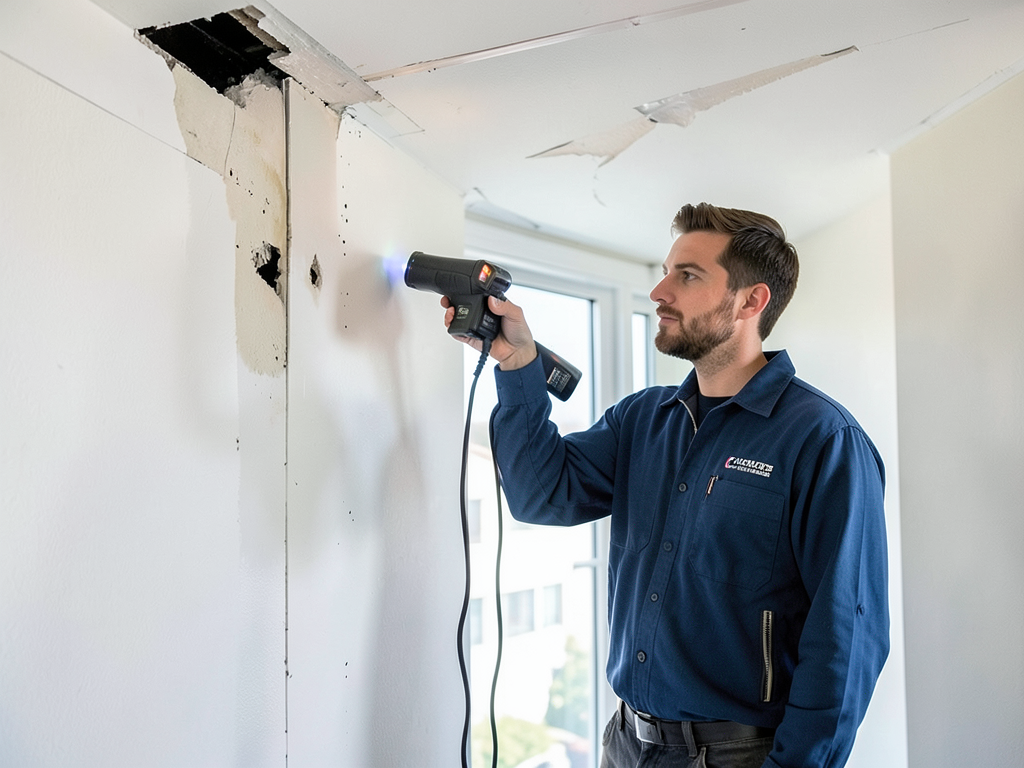
How to Fix Drafty Rooms and High Air Velocity in Your Cross Keys Condo Feeling…
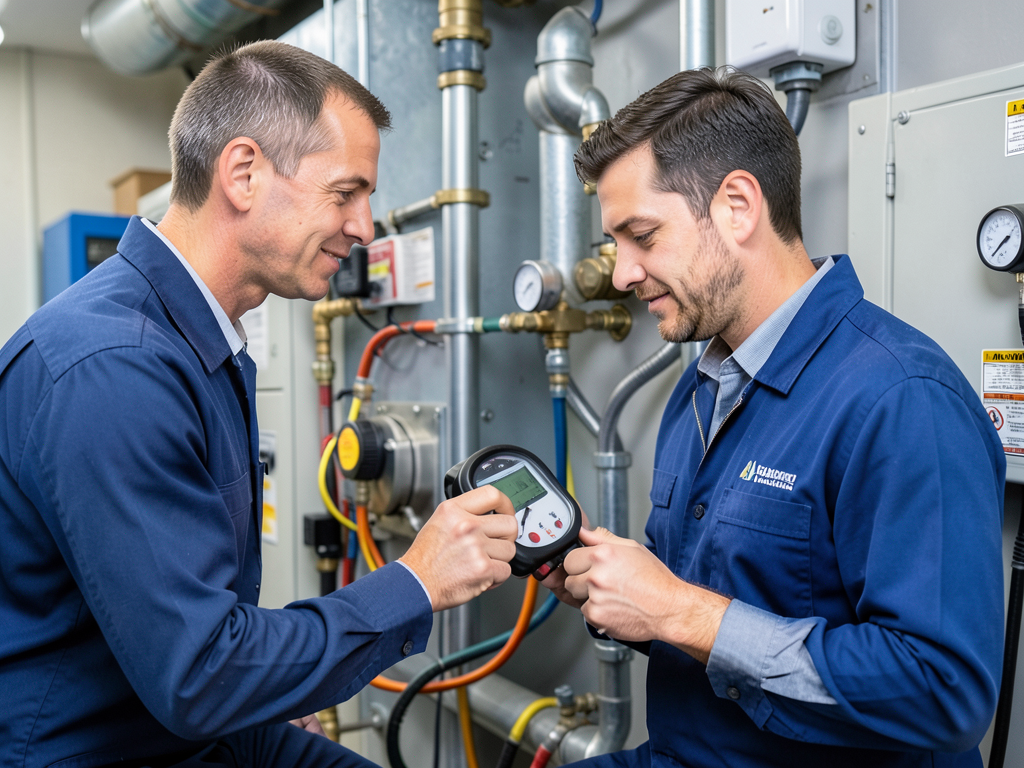
Why Your BGE Bill Is So High and How Your HVAC System Is Likely to…
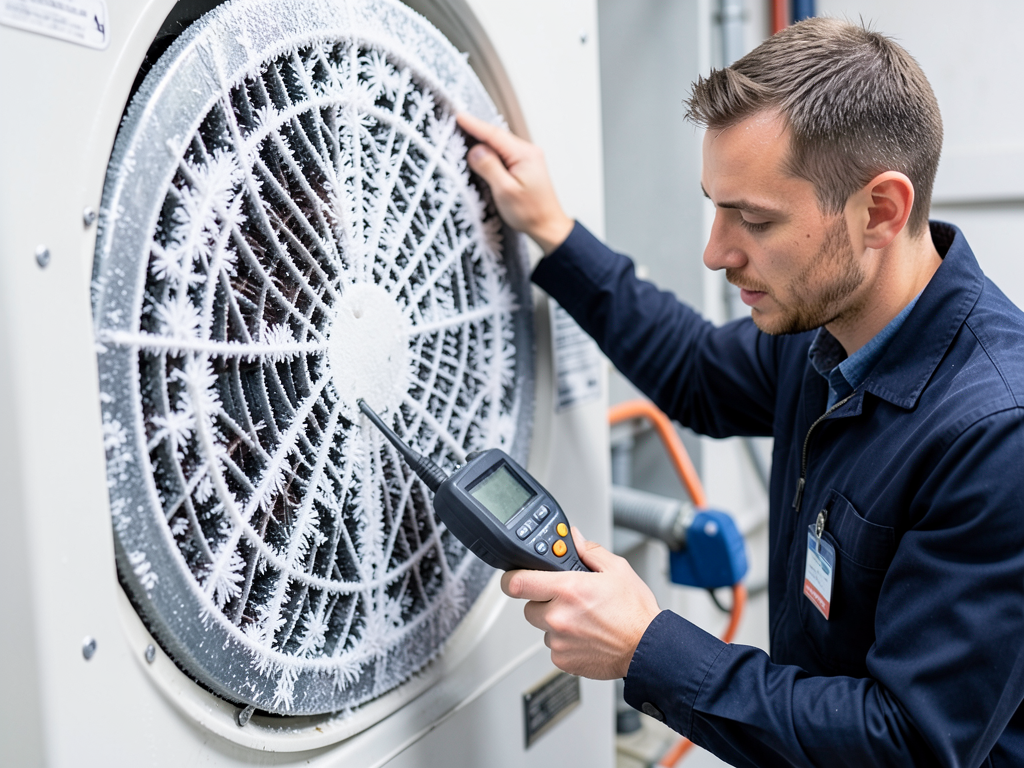
Why Your Reisterstown Heat Pump Is Covered in Ice and How to Fix It Your…
Your comfort can't wait. Call Victory HVAC Baltimore now at (443) 390-4933 for same-day service throughout College Park. We answer phones during business hours and provide emergency response when your system fails. Stop suffering in extreme temperatures and get reliable repairs from technicians who show up on time and fix it right.