Menu

Troubleshooting AC Issues in Baltimore – Expert Diagnostics That Identify the Real Problem Fast

When your air conditioner fails in Baltimore's humid summers, Victory HVAC Baltimore uses advanced HVAC system diagnostics to pinpoint the exact fault, saving you from unnecessary repairs and costly guesswork.

Slider Image 1
Slider Image 2
Slider Image 3
Slider Image 4
Slider Image 5
Slider Image 7
Slider Image 8
Slider Image 9
Slider Image 10
Slider Image 11

Why Baltimore Air Conditioners Fail in Predictable Patterns

Baltimore's humid continental climate creates unique stress points for central air systems. The combination of Chesapeake Bay moisture, sudden temperature swings between seasons, and August humidity levels regularly exceeding 70 percent accelerates refrigerant line corrosion and condenser coil deterioration.

Your air conditioner works harder in Baltimore than it would in drier climates. When diagnosing air conditioner problems here, we see recurring patterns tied directly to local conditions. Salt air from the Bay corrodes outdoor unit components. Spring pollen clogs filters faster than homeowners expect. The freeze-thaw cycles in February and March stress compressor mounts and expansion valves.

Central air troubleshooting in neighborhoods like Fells Point, Canton, and Federal Hill requires understanding row home configurations where outdoor units sit on narrow rear patios with limited airflow. These confined spaces trap heat and reduce efficiency by up to 20 percent.

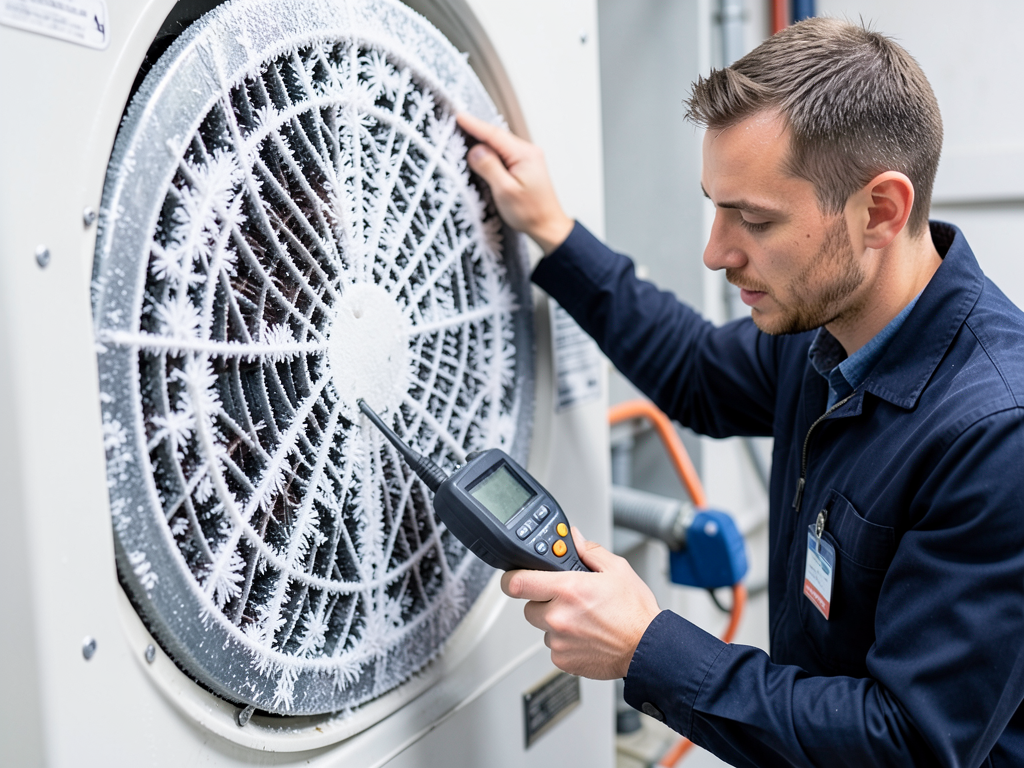
When your system stops cooling properly, the issue is rarely simple. Poor airflow might stem from ductwork problems common in Baltimore's older housing stock. Low refrigerant could indicate a pinhole leak caused by years of coastal humidity exposure. A frozen evaporator coil might point to a failing blower motor or a clogged condensate drain line overwhelmed by Baltimore's summer dew points.

HVAC system diagnostics work only when the technician understands these local variables. Generic troubleshooting misses the context. You need identifying AC faults through the lens of Baltimore's specific climate challenges and housing characteristics.

Why Baltimore Air Conditioners Fail in Predictable Patterns
How Professional AC Diagnostics Eliminate Guesswork

How Professional AC Diagnostics Eliminate Guesswork

Victory HVAC Baltimore uses a structured diagnostic protocol that goes beyond surface symptoms. We start with differential pressure testing across the evaporator coil to measure actual airflow in cubic feet per minute. This reveals ductwork restriction or blower wheel contamination that visual inspection misses.

Refrigerant charge verification requires measuring superheat and subcooling values at both the evaporator and condenser. We compare these numbers against the manufacturer's charging chart for your specific system model and the current outdoor ambient temperature. A system might appear to run normally but operate 15 percent below capacity due to improper refrigerant charge.

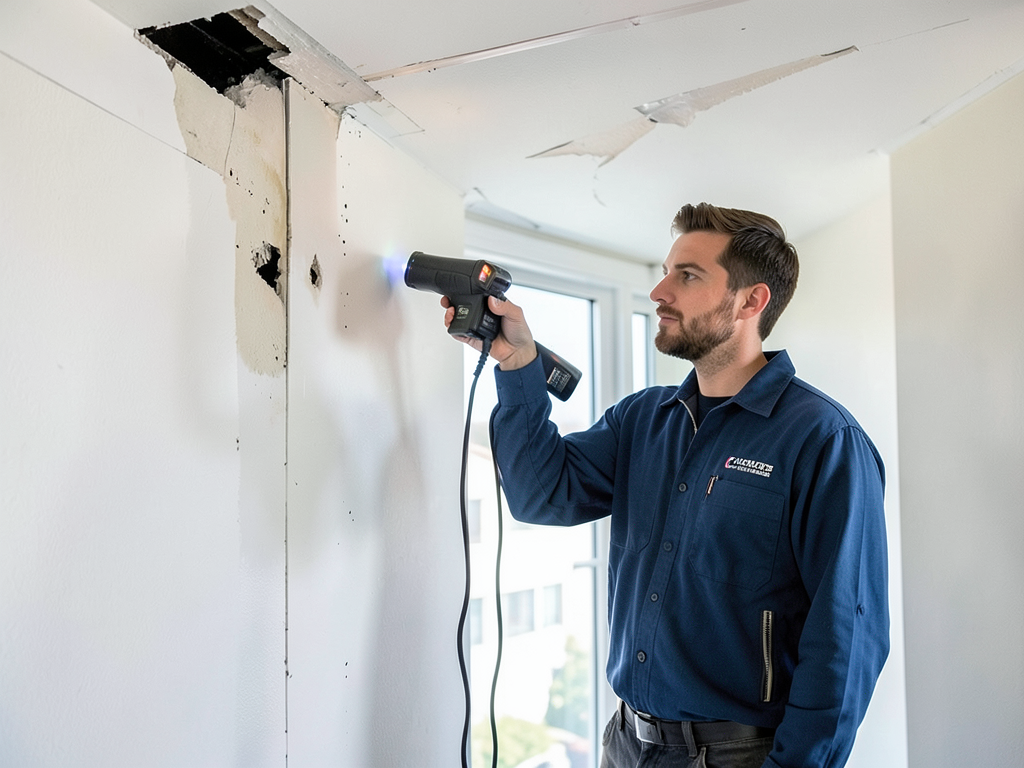
We use thermal imaging to identify hot spots in electrical connections before they cause compressor failure. Loose wire terminations create resistance that generates heat. A contactor showing 20 degrees above ambient temperature will fail within months.

Amperage draw testing on the compressor and blower motor reveals mechanical wear. A compressor drawing higher amperage than nameplate specifications indicates internal bearing wear or refrigerant system restrictions. A blower motor pulling low amperage suggests a failing run capacitor.

For identifying AC faults in the control circuit, we test voltage drop across each component while the system runs. A thermostat wire with excessive voltage drop creates intermittent operation that seems random but follows a predictable electrical pattern.

Our air conditioning troubleshooting guide emphasizes testing over assumption. We measure static pressure in the duct system, check condensate drainage flow rate, and verify correct air temperature split across the evaporator coil. Each data point narrows the diagnosis until we identify the actual failure mechanism, not just the symptom.

What Happens During Your AC Diagnostic Appointment

Troubleshooting AC Issues in Baltimore – Expert Diagnostics That Identify the Real Problem Fast
01

Initial System Assessment

We document your specific cooling complaints and system history, then perform a visual inspection of both the indoor air handler and outdoor condensing unit. This includes checking electrical disconnects, refrigerant line insulation condition, and condensate drainage. We test the thermostat for accurate temperature sensing and proper system communication before proceeding to mechanical testing.
02

Component Performance Testing

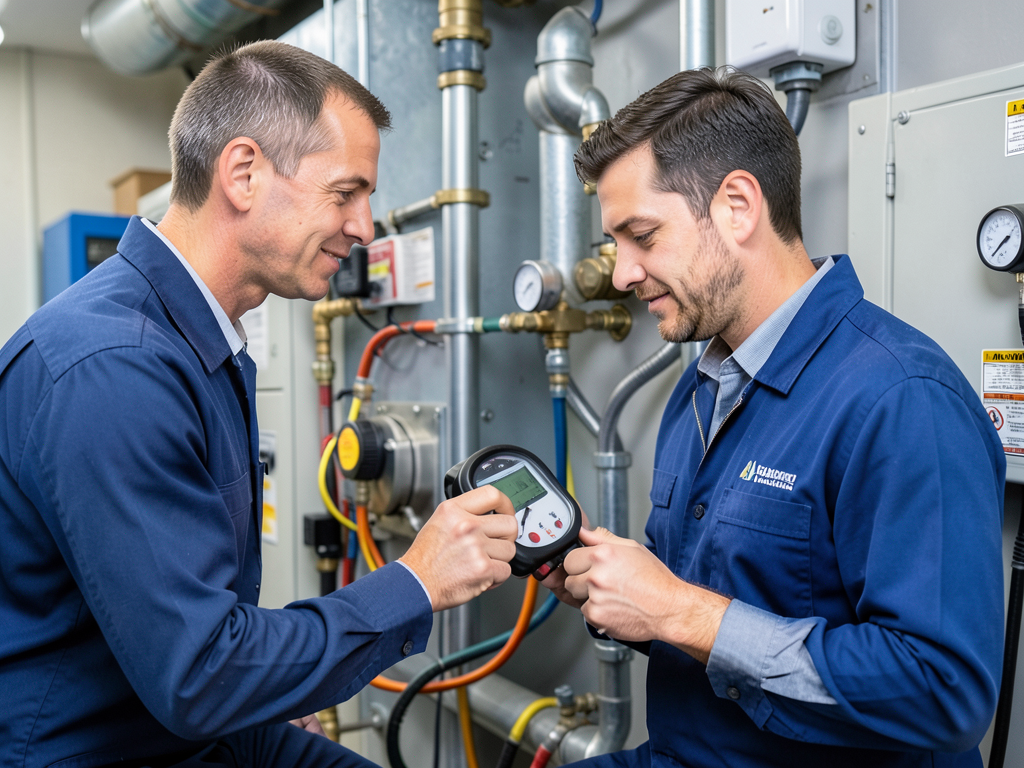
Using calibrated instruments, we measure refrigerant pressures, electrical amperage, voltage supply, airflow velocity, and temperature differentials at multiple system points. We test capacitors under load, measure duct static pressure, and verify proper compressor cycling. This phase reveals performance deviations from factory specifications and identifies components operating outside normal parameters for central air troubleshooting accuracy.
03

Diagnosis and Recommendation

We explain our findings in clear terms, showing you the data that led to our diagnosis. You receive a written assessment detailing the identified fault, why it occurred, and what repair or replacement addresses the root cause. We discuss options when multiple solutions exist and provide clarity on whether repair or replacement makes financial sense based on your system's age and condition.

Why Baltimore Homeowners Trust Local HVAC Diagnostics

Victory HVAC Baltimore understands the specific equipment challenges in this region. We know that homes in Roland Park have different ductwork configurations than row homes in Hampden. We recognize that systems installed near the Inner Harbor face accelerated corrosion compared to units in Towson.

Our technicians train specifically on diagnosing air conditioner problems in Baltimore's housing stock. We understand that many homes built before 1950 have ductwork added later, creating airflow restrictions that generic troubleshooting overlooks. We know which air conditioning brands perform reliably in Baltimore's climate and which models show recurring failure patterns after five years of Chesapeake humidity exposure.

Local expertise matters when identifying AC faults because regional factors directly impact failure modes. A technician from a different climate zone might misdiagnose a problem caused by Baltimore's specific dew point patterns or miss corrosion issues unique to coastal proximity.

We maintain relationships with local supply houses, which means we can source replacement parts quickly. When a diagnostic reveals a failed component, we often have the part on our truck or can retrieve it within hours rather than waiting days for shipping.

Our familiarity with Baltimore County and Baltimore City building codes ensures any repairs meet local requirements. We understand permit requirements for refrigerant work and electrical modifications. We know which repairs require inspections and which fall under maintenance exemptions.

HVAC system diagnostics require technical skill, but they also require local knowledge. We have diagnosed thousands of systems in Baltimore homes. We recognize patterns specific to neighborhoods, housing types, and even particular streets where environmental factors create predictable stress on air conditioning equipment.

What to Expect from Professional AC Troubleshooting

Diagnostic Timing and Scheduling

A comprehensive AC diagnostic takes 60 to 90 minutes. We schedule appointments in two-hour windows to ensure adequate time for thorough testing without rushing. During peak cooling season in July and August, we offer early morning and evening appointments to accommodate work schedules. Emergency diagnostics for complete system failures receive priority scheduling, often same-day service. We arrive with the diagnostic tools and common replacement parts needed for immediate repair if you choose to proceed after diagnosis.

Comprehensive System Evaluation

Our diagnostic service examines every component that affects cooling performance. We test the compressor, condenser fan motor, evaporator blower, expansion valve or metering device, capacitors, contactors, and control board. We measure airflow, refrigerant charge, electrical supply, and drainage function. You receive documentation of all measurements and test results. We photograph problem areas and explain findings in terms you understand. The diagnostic fee applies toward any repair you authorize the same day.

Accurate Fault Identification

Our goal is definitive diagnosis, not educated guessing. We identify the specific failed component and the reason it failed. If your compressor stopped working, we determine whether the cause was electrical failure, mechanical seizure, or refrigerant system contamination. This precision prevents unnecessary part replacement and ensures the repair addresses the actual problem. You receive a written diagnosis with specific part numbers, repair procedures, and realistic timelines. We never recommend repairs based on incomplete diagnostics.

Follow-Up and Documentation

After diagnosis, you receive a detailed report documenting system condition, test results, and recommended actions. If you proceed with repairs, we provide documentation of all work completed, parts installed, and system performance verification. We retest system operation after repairs to confirm proper function and efficiency. You receive guidance on maintenance steps that prevent recurring issues. For systemic problems caused by installation defects or inadequate sizing, we provide recommendations for long-term solutions that address root causes rather than temporary fixes.

Frequently Asked Questions

You Have Questions,
We Have Answers

What is the most common AC problem? +

The most common AC problem is a dirty or clogged air filter. In Baltimore's humid climate, filters trap dust, pollen, and moisture faster than drier regions. When airflow is restricted, your system works harder, cools less, and drives up energy bills. Check your filter monthly during summer. A clogged filter can also freeze the evaporator coil or cause the compressor to overheat. Other frequent issues include refrigerant leaks, thermostat malfunctions, and blocked condensate drains. Regular filter changes prevent most breakdowns and extend equipment life.

What is the 3 minute rule for AC? +

The 3 minute rule is a compressor protection delay built into most modern thermostats. After your AC cycles off, the system waits at least 3 minutes before restarting the compressor. This pause allows refrigerant pressure to equalize, preventing strain on the compressor. If you adjust your thermostat repeatedly, you may notice the outdoor unit does not kick on immediately. This is normal. The delay protects expensive components from short cycling damage. Never override this feature or rapidly toggle your thermostat on and off.

What is the $5000 rule for AC? +

The 5000 dollar rule is a repair-versus-replace guideline. Multiply the repair cost by the age of your unit in years. If the result exceeds 5000, replacement is smarter than repair. For example, a 1200 dollar repair on a 10 year old system equals 12000, suggesting replacement. A 600 dollar repair on a 5 year old unit equals 3000, favoring repair. Baltimore's humidity accelerates wear on coils and compressors, so older systems often cost more to maintain. This rule helps you avoid sinking money into failing equipment.

How to troubleshoot air conditioning problems? +

Start with the basics. Check your thermostat settings and batteries. Replace the air filter if dirty. Inspect your circuit breaker for tripped switches. Look at the outdoor unit for debris, ice buildup, or blocked airflow. Listen for unusual noises like grinding or squealing. If the system runs but does not cool, check vents for weak airflow. Baltimore's high humidity can cause condensate drain clogs, leading to shutdowns. If these steps do not solve the issue, call a licensed technician. Refrigerant leaks and electrical faults require professional tools.

Why is my AC running but not cooling? +

Your AC likely has low refrigerant, a frozen evaporator coil, a bad compressor, or airflow blockage. Low refrigerant from a leak prevents heat absorption. A frozen coil results from restricted airflow or low refrigerant. In Baltimore's humid conditions, dirty filters or blocked vents cause freeze-ups quickly. A failing compressor cannot pump refrigerant effectively. Check your filter first. Inspect the outdoor unit for debris. If ice covers the indoor coil, turn off the system and let it thaw. If the problem persists, you need a technician to diagnose refrigerant or compressor issues.

What should my AC be set at if it's 100 degrees outside? +

Set your thermostat to 72 to 75 degrees when it is 100 degrees outside. Baltimore summers combine extreme heat with high humidity, stressing AC systems. Setting the thermostat below 72 forces your unit to run continuously without reaching the set point, wasting energy and risking compressor burnout. A 25 to 28 degree difference between indoor and outdoor temps is the realistic max for most residential systems. Use ceiling fans to improve comfort without lowering the thermostat. Close blinds during peak sun hours to reduce heat gain.

Why is my AC set to 72 but reads 78? +

Your AC struggles to reach 72 because it is undersized, low on refrigerant, or battling excessive heat gain. Baltimore's humidity makes cooling harder. Check your air filter and outdoor unit for blockages. Dirty coils reduce efficiency. If your system is older or undersized for your square footage, it cannot keep up on hot days. Inspect windows and doors for air leaks. Attic insulation matters. If the outdoor temp exceeds 95 degrees, a 6 degree gap is common for older units. Persistent gaps require a technician to check refrigerant levels and airflow.

How to tell if an AC capacitor is bad? +

A bad capacitor shows clear signs. Your outdoor unit hums but does not start, or the fan spins slowly. The compressor may click on and off rapidly. You might hear a buzzing sound from the condenser. Capacitors store energy to start the compressor and fan motors. Baltimore's heat and humidity degrade capacitors faster. If your AC turns on intermittently or struggles to start, the capacitor likely failed. Never attempt DIY capacitor replacement. They store lethal voltage even when power is off. Call a technician for safe testing and replacement.

How long should your AC run on a 100 degree day? +

Your AC should run 15 to 20 minutes per cycle on a 100 degree day, cycling two to three times per hour. In extreme heat, well-maintained systems may run longer cycles or nearly continuously during peak afternoon hours. This is normal. Baltimore's humidity adds latent heat load, extending run times. If your system runs nonstop without cooling or cycles every 5 minutes, you have a problem. Continuous operation without reaching the set point suggests low refrigerant, undersized equipment, or airflow restrictions. Short cycling points to thermostat issues or an oversized unit.

What is the life expectancy of an air conditioner? +

A properly maintained air conditioner lasts 15 to 20 years in Baltimore. Coastal humidity and freeze-thaw cycles during winter can shorten lifespan if the unit is not serviced annually. Systems installed before 2010 often fail sooner due to older refrigerant and less efficient components. Factors affecting longevity include installation quality, filter maintenance, thermostat settings, and annual tune-ups. If your unit exceeds 12 years and needs frequent repairs, replacement is smarter. Newer models offer better efficiency and lower operating costs, offsetting the upfront investment within a few years.

How Baltimore's Chesapeake Climate Complicates AC Diagnostics

Baltimore sits at the intersection of humid subtropical and humid continental climate zones, creating diagnostic challenges absent in more stable climates. Summer dew points regularly reach 70 degrees, forcing air conditioners to remove massive amounts of moisture while cooling. This dual load stresses compressors and evaporator coils simultaneously. Spring and fall temperature swings of 30 degrees within 24 hours cause expansion and contraction in refrigerant lines, creating leak points at brazed joints over time. Winter proximity to the Chesapeake Bay introduces salt-laden air that corrodes outdoor unit components faster than inland locations experience. These factors mean central air troubleshooting in Baltimore requires understanding failure modes specific to coastal Mid-Atlantic conditions.

Baltimore's mix of historic row homes, mid-century suburban construction, and modern developments requires diagnostic flexibility. Row homes in neighborhoods like Butchers Hill often have ductwork retrofitted into spaces never designed for forced air, creating static pressure problems that mimic refrigerant issues. Homes near Druid Hill Park face accelerated filter contamination from seasonal pollen and urban particulates. Understanding these neighborhood-specific variables separates accurate diagnostics from generic troubleshooting. Victory HVAC Baltimore has spent years learning how local housing stock, municipal water chemistry, and regional weather patterns affect system performance. This local expertise makes our identifying AC faults more accurate than national chain services unfamiliar with Baltimore's unique HVAC challenges.
HVAC Services in The Baltimore Area

Easily locate Victory HVAC and our service areas on the map below. We are strategically positioned to provide prompt and efficient heating, ventilation, and air conditioning services across the entire region. Whether you're seeking a new installation, emergency repair, or routine maintenance, our team is readily available to reach your location quickly, ensuring your comfort is restored without delay. Feel free to zoom in to see our exact location or contact us for directions and service area details.

Address:
Victory HVAC Baltimore, 729 E Pratt St, Baltimore, MD, 21202

Additional Services We Offer

Our news updates

Latest Articles & News from The Blogs

The Most Effective Ways to Improve Indoor Air Quality in Your Older Home in Original Northwood Older homes in Original…

The Most Effective Ways to Improve Indoor Air Quality in Your Older Home in Original Northwood

The Most Effective Ways to Improve Indoor Air Quality in Your Older Home in Original Northwood Older homes in Original…

Why Proper Load Calculations Are Vital for New Construction Homes in White Marsh

Why Proper Load Calculations Are Vital for New Construction Homes in White Marsh Building a new home in White Marsh…

Protecting Your Outdoor AC Compressor from Corrosion and Salt Air in Bowleys Quarters

Protecting Your Outdoor AC Compressor from Corrosion and Salt Air in Bowleys Quarters The salty breeze from the Chesapeake Bay…

Contact Us

Stop guessing what is wrong with your air conditioner. Call Victory HVAC Baltimore at (443) 390-4933 for diagnostic service that identifies the real problem. We provide same-day appointments during cooling season and honest assessments backed by measurable data.