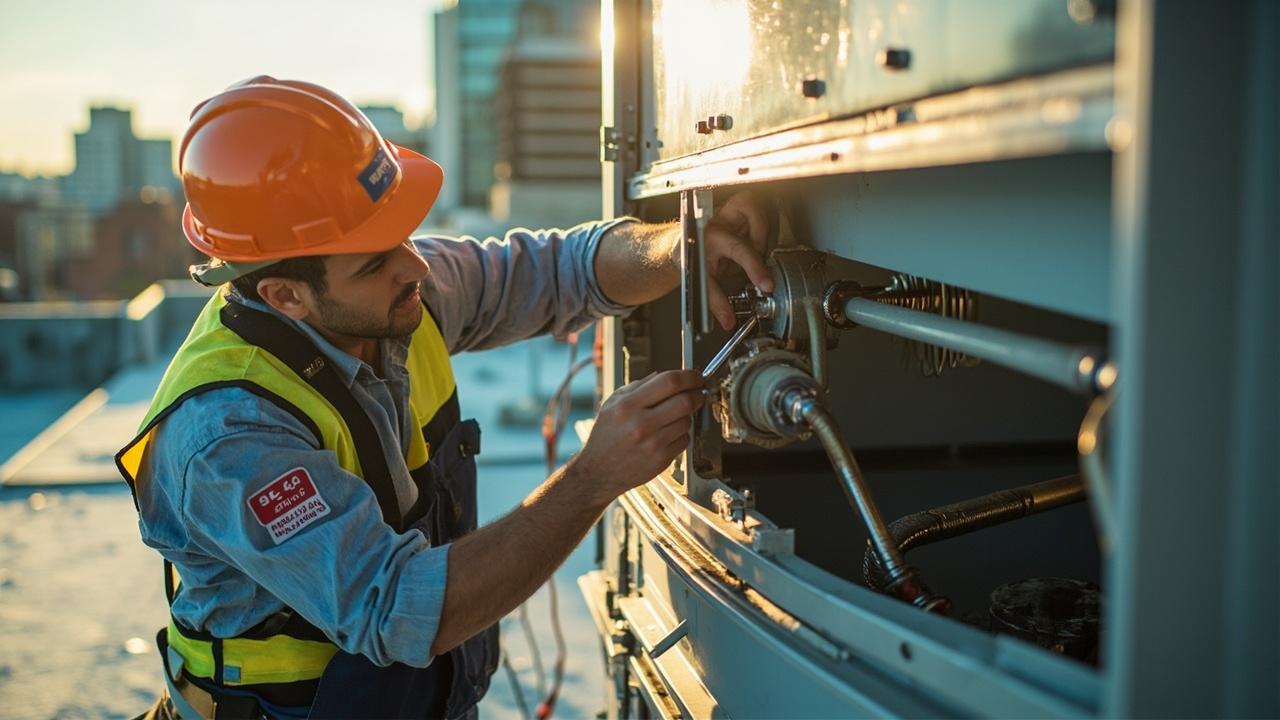
Baltimore's proximity to the Chesapeake Bay creates an aggressive operating environment for commercial cooling towers. Salt-laden air accelerates corrosion on structural steel components, particularly in industrial corridors near Fairfield and Curtis Bay where marine exposure combines with industrial pollutants. The region's humidity levels promote biological growth within cooling tower basins and fill media at rates significantly higher than inland locations. Baltimore's water supply carries mineral content and biological load that requires specialized treatment protocols. Facilities drawing from the Patapsco River watershed face different chemistry challenges than those using municipal water from Loch Raven or Liberty reservoirs. These environmental factors compress maintenance intervals, accelerate component wear, and increase the technical complexity of cooling tower services compared to facilities in less aggressive climates.
Baltimore commercial facilities benefit from cooling tower service providers with direct local experience. Understanding Baltimore City's mechanical permit requirements prevents project delays. Familiarity with Maryland Department of the Environment cooling tower regulations ensures compliance. Knowledge of local water treatment supply chains eliminates material procurement delays. Experience working within Baltimore's industrial districts means understanding access constraints, utility coordination requirements, and the logistics of material delivery to facilities in dense commercial areas. Victory HVAC Baltimore has serviced cooling towers across Baltimore's industrial corridors for years. We maintain relationships with local permitting authorities, stock parts for cooling tower models common in Baltimore installations, and understand the operational pressures facing local facility managers. This local expertise translates to faster response times, more accurate service recommendations, and better project outcomes.