
Menu

AC Blowing Warm Air in Baltimore – Expert Diagnosis in Under 60 Minutes

When your air conditioning is not blowing cold air, you need fast answers. Victory HVAC Baltimore pinpoints the exact cause and restores cooling fast, so you stop sweating and start breathing easy.

Slider Image 1
Slider Image 2
Slider Image 3
Slider Image 4
Slider Image 5
Slider Image 7
Slider Image 8
Slider Image 9
Slider Image 10
Slider Image 11

Why Your AC Vents Are Blowing Hot Air in Baltimore's Humid Climate

You walk to the thermostat. It reads 72. You hold your hand to the vent. Hot air pours out. Your central air is running, but nothing is cooling. You check the outdoor unit. The fan spins. The compressor hums. But inside, the temperature climbs.

This is not a thermostat glitch. When your air conditioner is blowing hot air, the cause is almost always mechanical. Baltimore's humid summers strain AC systems harder than dry climates. The condensate drain clogs faster. The evaporator coil freezes more often. The refrigerant charge drifts out of spec because thermal expansion rates vary with humidity.

If your ac is running but not cooling, you are likely dealing with one of five failures. A refrigerant leak. A failed reversing valve stuck in heat mode. A clogged filter restricting airflow to dangerous levels. A seized compressor that runs but does not compress. Or a failed blower motor capacitor that spins the fan at half speed.

Each failure mimics the others. You feel warm air. You see the system running. But the diagnostic path is different. Baltimore's older rowhomes with undersized ductwork amplify airflow problems. The tight quarters and shared walls trap heat. A system that ran fine in April collapses in July because the load exceeds capacity. You need a technician who knows the difference between a refrigerant issue and an airflow issue. Guessing wastes time. Diagnostic precision solves the problem.

Why Your AC Vents Are Blowing Hot Air in Baltimore's Humid Climate
How We Diagnose Why Your Central Air Is Blowing Warm Air

How We Diagnose Why Your Central Air Is Blowing Warm Air

We do not guess. We measure. When your air conditioning is not blowing cold air, we start with differential pressure across the evaporator coil. Low delta T means airflow restriction or a dirty coil. High delta T with low suction pressure means refrigerant starvation. High suction pressure with warm discharge means compressor failure or a stuck reversing valve.

We check the subcooling and superheat at the service ports. Subcooling tells us if the condenser is rejecting heat. Superheat tells us if the evaporator is absorbing heat. If subcooling is high and superheat is low, you have a restriction in the metering device or filter drier. If superheat is high and subcooling is low, you have a refrigerant leak. If both are normal but your ac vents are blowing hot air, the problem is electrical or mechanical, not refrigerant-related.

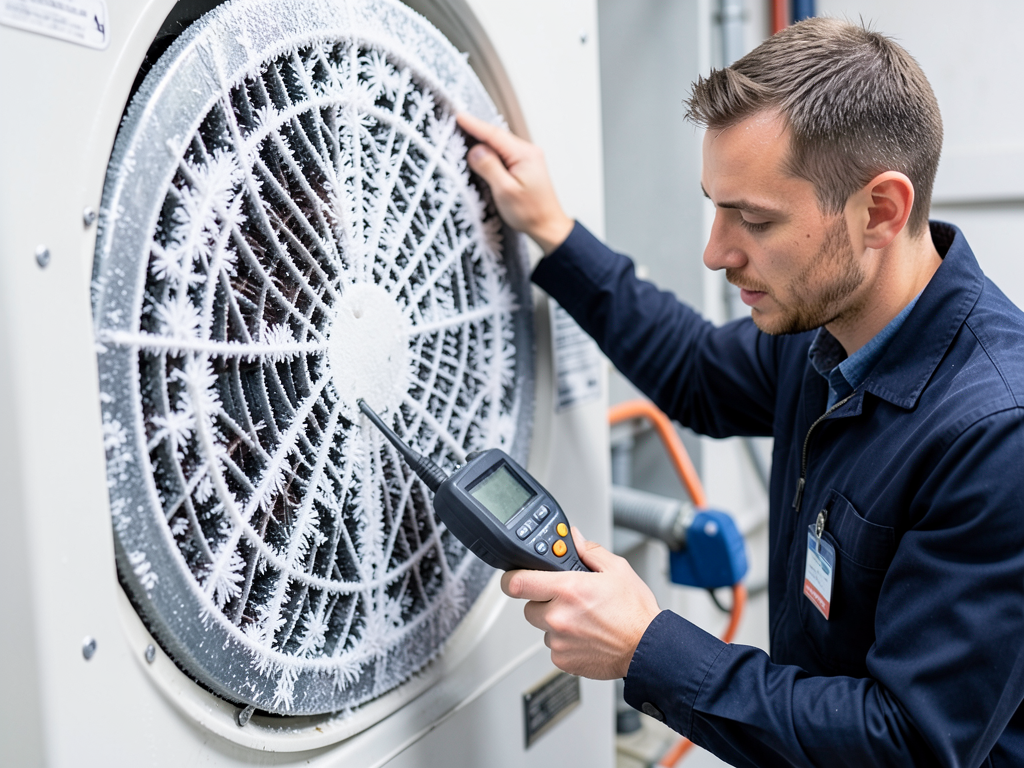
We verify blower motor amperage against the nameplate rating. A weak capacitor pulls low amps and delivers low airflow. We check static pressure in the return and supply plenums. High static means undersized ductwork or a clogged filter. We inspect the reversing valve solenoid and confirm it is not energized when the system is in cooling mode. A failed solenoid can leave the valve stuck in heat mode, which sends hot refrigerant to the indoor coil.

We do not sell you a compressor if you need a capacitor. We do not add refrigerant if you have a leak. We find the root cause and fix it. Baltimore's housing stock varies wildly. A Federal Hill rowhome has different duct constraints than a Towson split-level. We adjust the diagnosis to the building, not the textbook.

What Happens When You Call About Warm Air

AC Blowing Warm Air in Baltimore – Expert Diagnosis in Under 60 Minutes
01

Phone Diagnostic

You describe the symptoms. We ask targeted questions. Is the outdoor unit running? Is the indoor blower spinning? Is there ice on the refrigerant lines? These answers narrow the failure mode before we arrive. We dispatch a technician with the correct tools and parts based on your answers, which cuts diagnostic time in half.
02

Onsite Testing

We measure refrigerant pressures, verify electrical continuity, and test airflow with a manometer. We inspect the drain pan for standing water, which signals a clog. We check the filter, the coil, and the ductwork for restrictions. We isolate the failure in under 30 minutes. You get a diagnosis before we quote a repair.
03

Repair and Verification

We replace the failed component. We purge the refrigerant lines if contamination is present. We recharge the system to the manufacturer's spec using a calibrated scale, not a pressure chart. We verify the delta T at the supply register. You feel cold air within 15 minutes of the repair. We leave when the system is running at full capacity.

Why Baltimore Homeowners Call Victory HVAC for Cooling Failures

Baltimore's HVAC demands are not generic. The Chesapeake Bay proximity keeps humidity above 70 percent from June through September. Your evaporator coil condenses more water per hour than a system in Phoenix. The drain line clogs faster. The coil freezes more often. A technician who learned the trade in a dry climate will misdiagnose your problem.

We grew up in this climate. We know that rowhomes in Canton and Fells Point have minimal attic access and no crawl space. We know that Federal Hill homes have original ductwork undersized by modern standards. We know that Towson split-levels have zoning issues because the upstairs units fight the downstairs units for airflow. We adjust the repair to the building, not the manual.

We also understand that Baltimore summers do not wait. A system failure on a Tuesday means a 90-degree living room by Wednesday. We stock the high-failure parts on every truck. Blower capacitors. Contactor relays. Reversing valve coils. TXV cartridges. If your system is common in Baltimore housing stock, we carry the part. You do not wait three days for a distributor to ship a $40 component.

We are also transparent about cost. If your compressor failed because of a refrigerant leak that went unrepaired, we tell you. If your system is undersized for your home and will fail again next summer, we tell you. We do not sell you a repair that buys you 60 days. We tell you what will fix the problem and what will not. You make the call. We execute the work.

What You Can Expect When We Diagnose Your AC Problem

Same-Day Service

We dispatch within two hours of your call during business hours. If you call before noon, we arrive the same day. If your system fails after hours, we offer emergency service at a flat after-hours rate, not a per-hour gouge. You know the cost before you book the call. Baltimore summers are short. We do not make you wait four days for an appointment. We show up fast, diagnose fast, and restore cooling fast.

Transparent Diagnosis

We show you the failed part. If your capacitor is bulging, we show you. If your coil is iced over, we show you. If your refrigerant charge is low, we show you the gauge reading. You do not pay for a repair based on trust. You pay because you saw the failure and understood the fix. We also explain what caused the failure so you can prevent it next time. Knowledge is part of the service.

Precision Repairs

We do not patch. We fix. If you have a refrigerant leak, we find it with nitrogen pressure and soap bubbles or electronic leak detection. We do not add a can of refrigerant and hope. If your compressor is failing, we test the windings and verify the failure before we quote a replacement. If your ductwork is undersized, we tell you before you spend money on a new air handler. Precision costs the same as guessing. The outcome is just better.

Post-Repair Support

We call you 48 hours after the repair to confirm the system is still running cold. If you hear a strange noise or see the problem return, you call us back at no charge for the follow-up diagnostic. We also offer seasonal maintenance plans that include filter changes, coil cleaning, and refrigerant checks twice per year. Maintenance prevents the failures that cause warm air. You stay comfortable, and we stay busy. Everyone wins.

Frequently Asked Questions

You Have Questions,
We Have Answers

How do I fix my AC blowing warm air? +

Start by checking your thermostat settings. Confirm it is set to cool and the temperature is below your current room temp. Next, inspect your air filter. A clogged filter restricts airflow and forces warm air through your vents. Replace it if dirty. Check your outdoor unit. Clear away debris, grass clippings, or leaves blocking the condenser coils. If these steps do not fix the issue, you likely have a refrigerant leak, failed compressor, or frozen evaporator coil. Baltimore's high humidity can accelerate dirt buildup and airflow problems. Call a licensed HVAC tech for diagnosis.

Why is my AC running but not cooling? +

Your AC runs but does not cool when the compressor fails, refrigerant leaks, or the evaporator coil freezes. A dirty air filter is the most common culprit. It chokes airflow, causing the coil to ice over and block cooling. Thermostat malfunctions can also trick your system into blowing warm air. In Baltimore, condensate line clogs from humidity can trigger safety shutoffs that disable cooling while the fan runs. Check your filter first. If clean, inspect your outdoor unit for ice buildup or strange noises. Refrigerant issues require professional repair and cannot be DIYed.

What is the 3 minute rule for air conditioners? +

The 3 minute rule prevents compressor damage. After your AC shuts off, wait at least 3 minutes before restarting it. This allows refrigerant pressure to equalize inside the system. Restarting too quickly forces the compressor to work against high pressure, which can burn out the motor over time. Modern thermostats build in this delay automatically. If you manually cycle your AC or flip breakers during troubleshooting, always wait. Baltimore homeowners who rush restarts during summer heat waves risk expensive compressor replacements. Patience protects your equipment and saves money.

How to reset AC not blowing cold air? +

Locate your thermostat and switch it to off. Wait 60 seconds. Go to your electrical panel and flip the AC breaker off. Wait 3 to 5 minutes. This resets the internal controls and allows refrigerant pressure to balance. Flip the breaker back on, then turn your thermostat to cool. Set the temperature 5 degrees below room temp. If cold air returns, the reset worked. If warm air persists, the problem is mechanical, like a refrigerant leak or bad compressor. Baltimore's humid summers stress AC systems. A reset fixes minor glitches but not hardware failures.

Should I turn off the AC if it blows hot air? +

Yes, turn it off if it blows hot air for more than 30 minutes. Running a malfunctioning AC wastes energy and can damage the compressor. Hot air signals a refrigerant leak, failed compressor, or frozen coil. Continuing to run the system while frozen can crack the evaporator coil, turning a $300 repair into a $1,500 replacement. Switch your thermostat to off but leave the fan on to thaw the coil if ice is present. Wait 2 hours, then try again. If hot air continues, call a tech. Baltimore humidity accelerates coil freeze issues.

How do I know if my AC condensate line is clogged? +

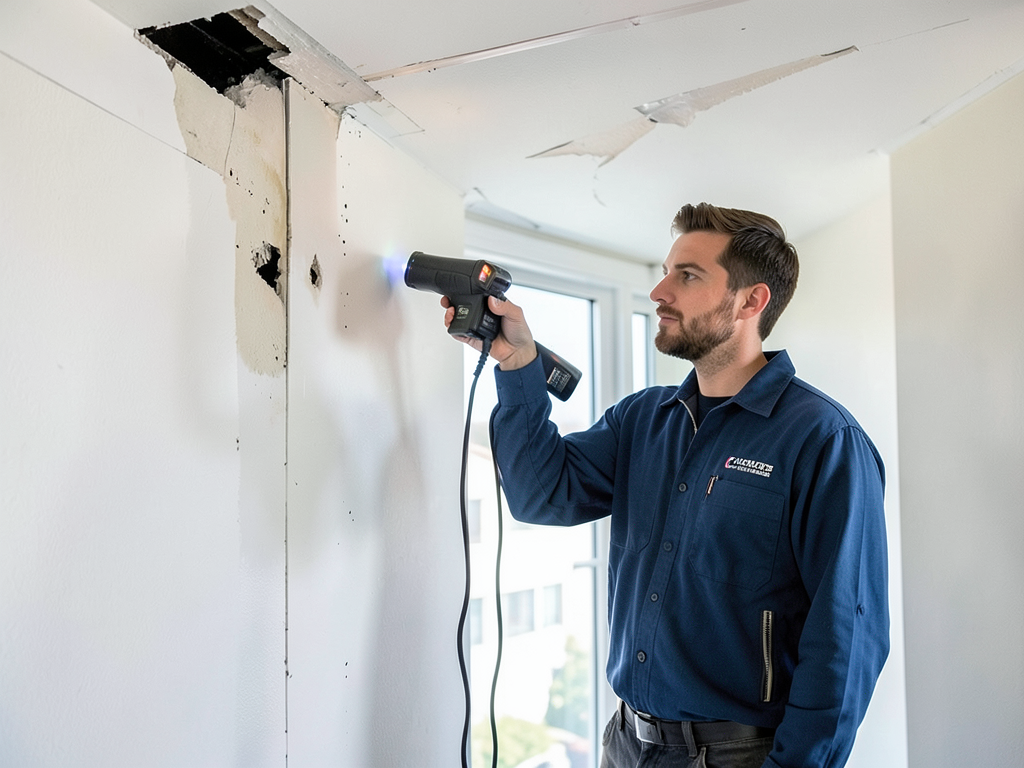
Check your drain pan under the indoor unit. Standing water means the line is clogged. Look for water stains on walls or ceilings near your air handler. A musty odor or visible mold around vents signals trapped moisture. Your AC may shut off repeatedly if the float switch detects overflow. In Baltimore, high humidity clogs condensate lines faster with algae and sludge. Pour a cup of white vinegar into the drain line every 3 months to prevent buildup. If water overflows, use a wet vac to clear the blockage or call a professional.

Should I turn off AC if it's not cooling? +

Yes, turn it off to prevent further damage. An AC that runs but does not cool wastes electricity and stresses the compressor. If the evaporator coil is frozen, running the system can crack it. If refrigerant is low, the compressor works harder and risks burning out. Switch the thermostat to off and leave the fan on to thaw any ice. Wait 2 to 3 hours. If cooling does not return, the problem requires professional repair. Baltimore summers demand reliable AC. Running a broken system only increases repair costs and discomfort.

What is the $5000 rule for AC? +

The $5,000 rule helps you decide between repair and replacement. Multiply the repair cost by your AC age in years. If the total exceeds $5,000, replace the unit instead of repairing it. For example, a $400 repair on a 10 year old system equals $4,000, so repair makes sense. A $600 repair on a 12 year old unit equals $7,200, so replace it. This rule accounts for diminishing returns on aging equipment. Baltimore homeowners benefit from evaluating efficiency gains with newer models that handle humidity better and lower energy bills.

How to tell if AC is low on refrigerant? +

Your AC is low on refrigerant if it runs constantly but barely cools, ice forms on the refrigerant lines or evaporator coil, or you hear hissing or bubbling near the outdoor unit. Low refrigerant reduces cooling capacity and forces longer run times. Baltimore's hot, humid summers expose refrigerant leaks faster. Check for oily residue around copper lines, a sign of slow leaks. Refrigerant does not evaporate, so low levels mean a leak exists. Never add refrigerant without finding and fixing the leak first. Call a licensed tech to pressure test and repair your system.

How cool should my house be if it's 100 outside? +

Your AC should keep your home 15 to 20 degrees cooler than outdoor temps. If it is 100 degrees outside, expect indoor temps around 80 to 85 degrees. Units struggle to exceed this delta during extreme heat. Baltimore summers combine high temps with humidity, increasing cooling loads. If your home exceeds 85 degrees, check your air filter, inspect for ductwork leaks, and ensure your outdoor unit has clearance. Close blinds during peak sun hours to reduce heat gain. If your system cannot maintain 80 degrees, you may need a larger unit or ductwork improvements.

How Baltimore's Humidity Accelerates AC Failures That Cause Warm Air

Baltimore sits at the northern edge of the humid subtropical climate zone. Summer dew points regularly exceed 70 degrees. Your evaporator coil condenses gallons of water per day. That water drains into a pan and exits through a PVC line that runs to the exterior or a floor drain. When that line clogs with algae or sediment, water backs up into the pan. The float switch kills the system to prevent overflow. You feel warm air because the system shut down, not because anything broke. Coastal cities like Baltimore see this failure more often than inland cities. The moisture load is constant.

Baltimore's housing stock also amplifies cooling problems. Rowhomes in Hampden and Remington have shared walls that trap heat. The HVAC system fights not just the outdoor temperature but also the radiant heat from the neighbor's attic. Federal Hill homes have minimal insulation because they were built before modern energy codes. The cooling load exceeds the system capacity on the hottest days. Choosing a local technician who understands these variables means you get a solution that works for your building, not a generic fix that fails next summer.
HVAC Services in The Baltimore Area

Easily locate Victory HVAC and our service areas on the map below. We are strategically positioned to provide prompt and efficient heating, ventilation, and air conditioning services across the entire region. Whether you're seeking a new installation, emergency repair, or routine maintenance, our team is readily available to reach your location quickly, ensuring your comfort is restored without delay. Feel free to zoom in to see our exact location or contact us for directions and service area details.

Address:
Victory HVAC Baltimore, 729 E Pratt St, Baltimore, MD, 21202

Additional Services We Offer

Our news updates

Latest Articles & News from The Blogs

The Best Time to Switch Your Guilford Home from Heating to Cooling Mode When should you flip that thermostat switch…

The Best Time to Switch Your Guilford Home from Heating to Cooling Mode

The Best Time to Switch Your Guilford Home from Heating to Cooling Mode When should you flip that thermostat switch…

How Much Space Does Your AC Unit Actually Need from Landscaping in Your Ruxton Yard?

How Much Space Does Your AC Unit Actually Need from Landscaping in Your Ruxton Yard? Your outdoor AC condenser needs…

Common Reasons Your Brooklyn Park AC Is Blowing Warm Air

Common Reasons Your Brooklyn Park AC Is Blowing Warm Air Your air conditioner is running but the air coming from…

Contact Us

Your air conditioner should blow cold air. If it does not, call Victory HVAC Baltimore at (443) 390-4933. We diagnose the failure, explain the fix, and restore cooling the same day. No guessing. No upselling. Just cold air.