Menu

Commercial AC Repair in Baltimore – Industrial-Grade Service That Keeps Your Business Running

When your commercial cooling system fails, every hour of downtime costs you money. Victory HVAC Baltimore delivers fast, code-compliant commercial AC repair that minimizes business disruption and restores full cooling capacity.

Slider Image 1
Slider Image 2
Slider Image 3
Slider Image 4
Slider Image 5
Slider Image 7
Slider Image 8
Slider Image 9
Slider Image 10
Slider Image 11

Why Baltimore's Commercial Buildings Demand Specialized AC Repair

Baltimore's commercial properties face unique cooling challenges that residential systems never encounter. The combination of high summer humidity from the Chesapeake Bay, salt-laden air that corrodes condensers, and the concentration of aging commercial buildings in neighborhoods like Fells Point and Federal Hill creates serious operational stress on rooftop units and package systems.

Your three-ton split system on a chain restaurant, ten-ton packaged unit on a retail space, or multi-zone VRF system in a mid-rise office building operates under different physics than residential equipment. Refrigerant loads are higher. Compressor wear accelerates. Ductwork spans longer distances where air pressure drops become critical. When a walk-in cooler at your Canton restaurant fails during dinner service or your Mount Vernon medical office loses climate control, the financial impact is immediate.

Commercial air conditioning repair in Baltimore also means navigating specific code requirements. The city requires commercial HVAC work to meet Baltimore City Building Code standards, which reference ASHRAE 90.1 energy efficiency baselines and ventilation rates. Your system may need economizers, demand-controlled ventilation, or specific refrigerant monitoring that residential codes do not mandate.

Industrial ac repair becomes even more complex when you factor in process cooling for manufacturing facilities in areas like Sparrows Point or data centers requiring precision environmental control. A failed compressor on a twenty-ton split system does not wait for convenient business hours. You need technicians who understand commercial-grade components, three-phase power, and the liability implications of system failure in occupied commercial spaces.

Why Baltimore's Commercial Buildings Demand Specialized AC Repair
How We Execute Commercial HVAC Repair for Maximum Uptime

How We Execute Commercial HVAC Repair for Maximum Uptime

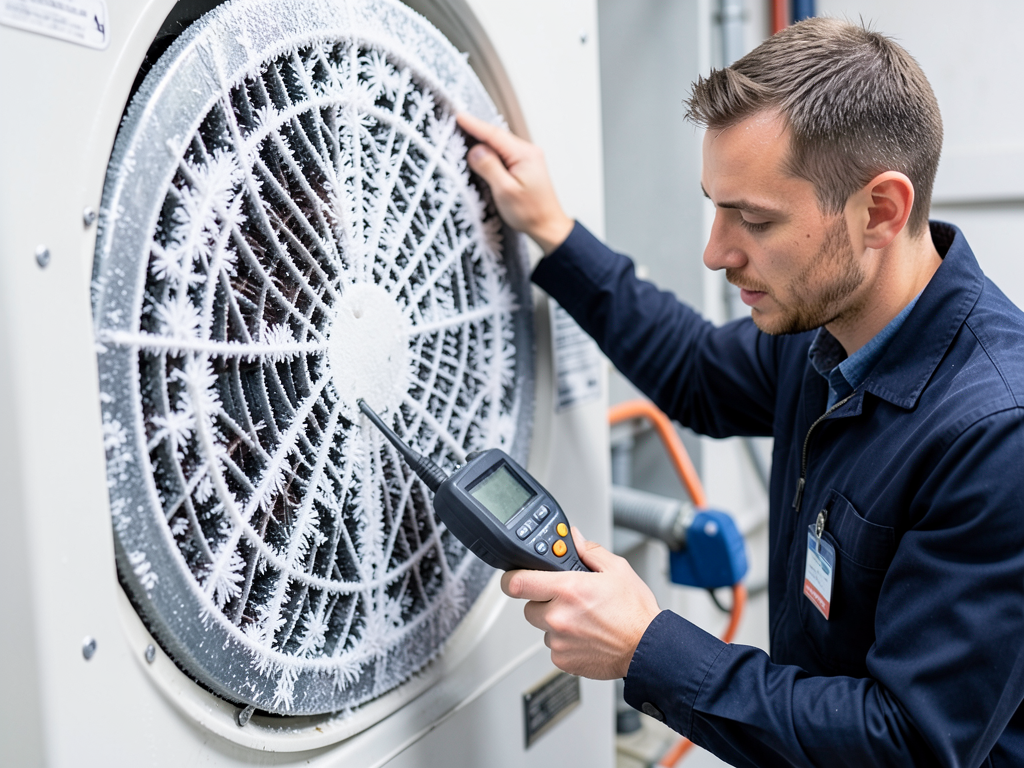
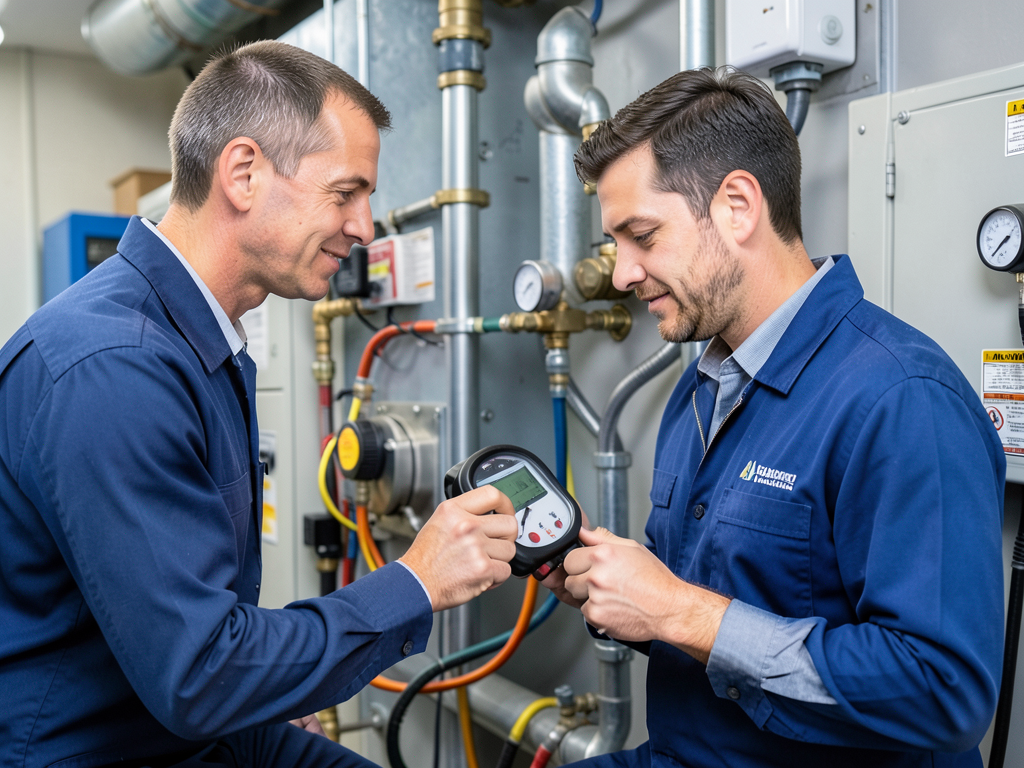
Business ac repair requires a different diagnostic approach than residential troubleshooting. We start with a full system assessment using digital manifold gauges to measure superheat and subcooling on every circuit. On package units and rooftop systems common in Baltimore's low-rise commercial zones, we verify economizer damper operation, check all control sequences, and test safety lockouts that prevent compressor damage.

For refrigerant-related issues, we use electronic leak detectors calibrated for R-410A and older R-22 systems still running in buildings constructed before the phaseout. Many Baltimore commercial properties still operate legacy equipment where refrigerant costs make leak repair economically critical. We pressure-test with nitrogen, locate the leak source at brazed joints or vibration-damaged line sets, and execute proper evacuation procedures before recharge.

Compressor failure diagnosis involves checking voltage at the contactor, testing capacitor microfarad values, and measuring amp draw against the nameplate rating. On scroll compressors common in five to fifteen-ton commercial units, we distinguish between electrical failure and mechanical seizure, which determines whether you need a compressor swap or a full condensing unit replacement.

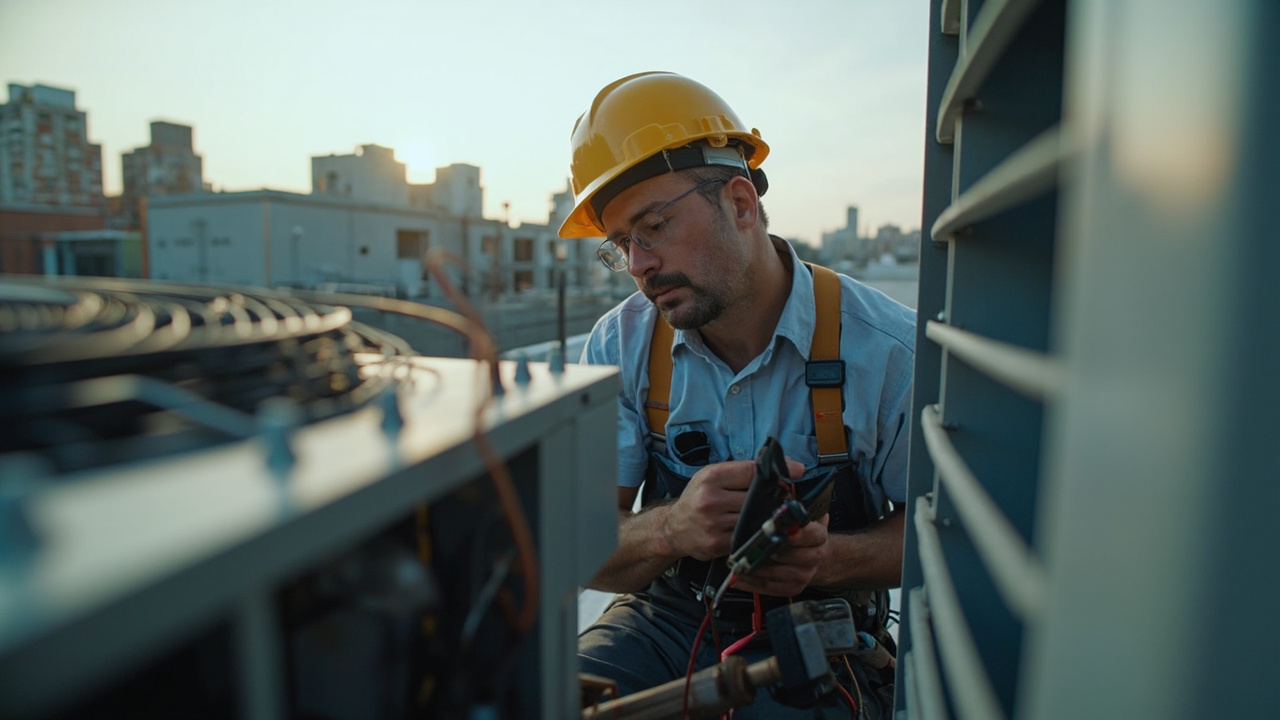
Commercial cooling repair often involves components residential techs rarely touch. We rebuild or replace reversing valves on heat pump package units. We diagnose failed crankcase heaters that cause compressor damage on cold starts. We troubleshoot step controllers and unloaders on larger capacity systems that stage cooling output. For variable refrigerant flow systems in newer Baltimore commercial construction, we use manufacturer-specific diagnostic software to read error codes and verify refrigerant distribution across multiple indoor units.

Our approach prioritizes business continuity. We carry commercial-grade components on our trucks and maintain relationships with local supply houses for same-day parts procurement when your system requires specialized contactors, transformers, or control boards.

Our Commercial AC Repair Protocol

Commercial AC Repair in Baltimore – Industrial-Grade Service That Keeps Your Business Running
01

Emergency Dispatch and Assessment

When you call our emergency line, we prioritize commercial calls based on occupancy and liability exposure. A failed AC unit in an occupied medical office with vulnerable patients ranks differently than a warehouse with heat-tolerant inventory. We dispatch a commercial-rated technician with diagnostic equipment and arrive with the goal of identifying the failure point within the first thirty minutes. Our techs assess whether the repair is viable on-site or requires component replacement, giving you a clear timeline before we start work.
02

Repair Execution and Testing

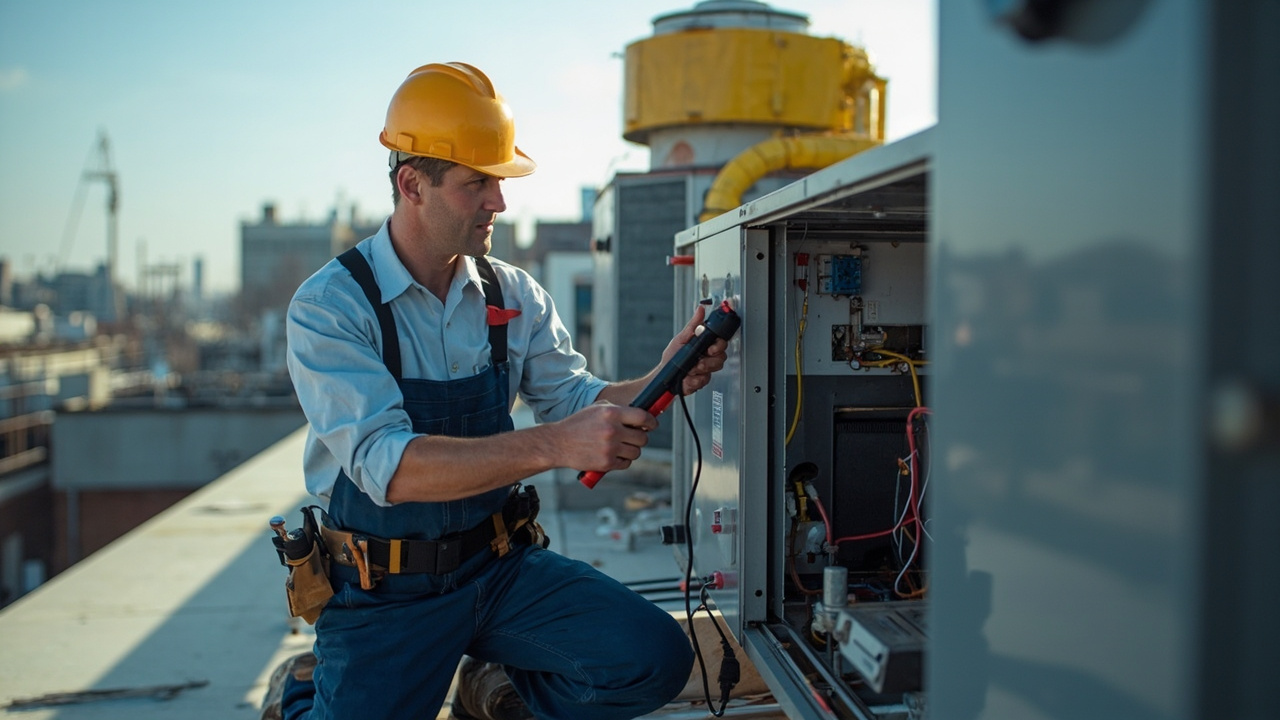
Once we identify the failure, we execute the repair using commercial-grade replacement parts that match or exceed OEM specifications. For refrigerant circuit work, we follow EPA Section 608 protocols for recovery and charging. We test the system under load, verify all safety controls function correctly, and measure airflow at the supply registers to confirm you are getting the tonnage you are paying to cool. On rooftop units, we check curb mounting and flashing to prevent future water intrusion that damages electrical components.
03

Documentation and Code Compliance

Every commercial hvac repair job concludes with documentation. You receive a detailed service report listing the failed component, the repair performed, refrigerant added, and system performance metrics. If your repair involved refrigerant handling, we provide EPA-compliant records for your facility files. For repairs that affect life safety systems or code-required ventilation, we document compliance so you have records during inspections. We also provide recommendations for preventing the same failure, which matters for your maintenance planning and capital budgeting.

Why Baltimore Businesses Choose Victory HVAC for Commercial Repairs

Commercial air conditioning repair requires more than technical skill. It requires understanding how system downtime affects your operations, your lease obligations, and your liability to customers and employees. Victory HVAC Baltimore brings that perspective to every service call in the greater Baltimore metro.

We understand the building stock in this city. Baltimore's commercial properties range from converted rowhouses in Hampden operating window units and ductless splits to modern Class A office towers downtown running sophisticated building automation systems. We have repaired packaged terminal air conditioners in hotels near the Inner Harbor, diagnosed failed compressors on strip mall rooftop units in Parkville, and restored cooling to industrial facilities in the Port of Baltimore where process equipment generates massive heat loads.

Our familiarity with Baltimore City codes means we know when a repair requires a permit and when it does not. We understand that commercial refrigeration systems in restaurants and grocery stores fall under different regulations than comfort cooling. We know which inspectors cover which districts and how to document work so you pass inspection without delays.

Local expertise also means faster parts access. When a commercial condenser fan motor fails, we do not wait three days for shipping. We source from Baltimore-area HVAC supply houses and get your system running the same day when possible. For specialized components on proprietary systems like Trane, Carrier, or York equipment, we leverage manufacturer relationships to expedite orders.

You also get accountability. We operate in this market long-term. Our reputation depends on minimizing your downtime and delivering repairs that last. We do not sell you a new system when a repair is viable, and we do not patch a dying compressor when replacement is the fiscally responsible choice. You get honest assessments based on the actual condition of your equipment and the cost-benefit analysis that matters to your business.

What to Expect When You Call for Commercial AC Repair

Response Time and Availability

We prioritize commercial emergency calls and dispatch technicians based on the severity of your situation. For occupied commercial buildings, medical facilities, or businesses with perishable inventory, we target same-day response during business hours. Our techs carry diagnostic equipment and common commercial components, which means we often complete repairs on the first visit. For after-hours emergencies, we provide emergency service with clear communication about arrival times and repair options. You will know when to expect us and what we can realistically accomplish during that visit based on parts availability and the scope of the failure.

Diagnostic Process and Transparency

Our diagnostic approach starts with listening to your description of the failure, reviewing maintenance history if available, and conducting a systematic evaluation of the refrigeration circuit, electrical components, and airflow path. We use calibrated instruments to measure system performance and identify the root cause, not just the symptom. Before we begin any repair, you receive a clear explanation of what failed, why it failed, and what the repair involves. You also get a written estimate that breaks down labor and parts so you can make an informed decision. For complex repairs requiring multiple components or extensive labor, we discuss options and help you weigh repair costs against replacement economics.

Quality of Workmanship and Materials

Commercial cooling repair demands precision. We use proper brazing techniques with nitrogen purge to prevent oxide scale in refrigerant lines. We torque electrical connections to manufacturer specifications to prevent arcing and failure. We use OEM or equivalent-grade components that meet the load requirements of commercial-duty systems. After the repair, we test the system under actual load conditions and verify that all safety controls operate correctly. You receive a system that meets code requirements and performs at the capacity you need. Our work is clean, documented, and built to minimize the risk of callback failures that disrupt your business again.

Maintenance Planning and Follow-Up

After completing your commercial ac repair, we provide recommendations for preventing future failures. This may include scheduled filter changes, coil cleaning, refrigerant monitoring, or component replacement based on age and wear patterns. For businesses that want to minimize emergency breakdowns, we offer preventive maintenance agreements that include quarterly or semi-annual inspections, priority emergency service, and discounted repair rates. These agreements make sense for multi-system properties or businesses where AC downtime creates significant financial exposure. We also provide lifecycle assessments that help you plan capital expenditures for aging equipment before catastrophic failure forces an emergency replacement decision.

Frequently Asked Questions

You Have Questions,
We Have Answers

What is the $5000 AC rule? +

The $5000 AC rule is an IRS guideline for business tax deductions. If your commercial AC repair or replacement costs less than $5000, you can often expense it immediately in the current tax year. If it exceeds $5000, you must depreciate the cost over several years as a capital improvement. This threshold impacts your cash flow and tax planning. Baltimore business owners should consult a CPA to determine if your system qualifies, especially when deciding between repair and replacement. Proper documentation of invoices and maintenance records is required for IRS compliance.

What are common commercial HVAC problems? +

Commercial HVAC systems in Baltimore face frequent refrigerant leaks, compressor failures, and clogged condensate drains due to high humidity. Thermostat calibration issues cause temperature inconsistencies across zones. Dirty coils and filters reduce efficiency and increase energy costs. Belt wear and bearing failures in blower motors create operational downtime. Contactor and capacitor failures prevent system startup. Baltimore's freeze-thaw cycles stress ductwork connections, causing air leaks. Ignition problems in gas furnaces disrupt heating during winter. Addressing these issues quickly minimizes business interruption and maintains indoor air quality for employees and customers.

What are the costs of commercial HVAC repair? +

Commercial HVAC repair costs in Baltimore vary widely based on system size, equipment type, and problem complexity. Minor repairs like thermostat replacements or filter changes cost less than major component failures such as compressor or heat exchanger replacements. Rooftop units and multi-zone systems typically require higher labor costs. Emergency after-hours service increases expenses. Older systems may need obsolete parts, raising costs further. Preventive maintenance contracts reduce long-term repair expenses by catching problems early. Request detailed diagnostics and written estimates before approving work. Factor in potential business downtime costs when evaluating repair versus replacement decisions.

What is the 3 minute rule for AC? +

The 3 minute rule for AC protects the compressor from short cycling damage. After your commercial system shuts off, wait at least three minutes before restarting. This allows refrigerant pressures to equalize throughout the system. Restarting too quickly forces the compressor to start against high pressure, causing mechanical stress and premature failure. Modern commercial units often have built-in time delay relays to enforce this rule automatically. If your Baltimore facility experiences frequent power fluctuations or manual shutdowns, ensure technicians follow this protocol. Violating this rule voids some equipment warranties and shortens compressor lifespan significantly.

Can I write off my new AC unit on my taxes? +

Yes, you can write off a new commercial AC unit on your taxes through immediate expensing or depreciation. Section 179 allows businesses to deduct the full cost of qualifying equipment in the purchase year, up to annual limits. Alternatively, depreciate the unit over its IRS-determined useful life, typically 39 years for commercial real estate improvements or shorter for equipment. Bonus depreciation may apply for new systems. Baltimore business owners should document the purchase as a business expense and consult a tax professional to maximize deductions. Energy-efficient systems may qualify for additional tax credits under federal programs.

What is the average lifespan of an HVAC? +

Commercial HVAC systems average 15 to 20 years lifespan with proper maintenance. Rooftop units in Baltimore's humid climate often last 10 to 15 years due to weather exposure and constant demand. Boilers may reach 20 to 25 years. Lifespan depends on installation quality, maintenance frequency, runtime hours, and environmental factors. Systems running continuously in retail or healthcare facilities wear faster than office systems with moderate use. Regular filter changes, coil cleaning, and annual inspections extend equipment life. Deferred maintenance accelerates deterioration. Budget for replacement when systems exceed 15 years to avoid unexpected downtime and declining efficiency.

What is the 2 foot rule for HVAC? +

The 2 foot rule for HVAC requires maintaining two feet of clearance around outdoor condensing units and rooftop equipment. This ensures adequate airflow for heat exchange and allows technicians access for maintenance and repairs. Baltimore commercial properties must keep vegetation, storage items, and debris away from units. Blocked airflow reduces efficiency, increases energy costs, and causes premature component failure. Building additions or renovations must respect this clearance. Rooftop units need clearance from parapet walls and HVAC curbs. Fire codes may impose additional clearance requirements. Regular site inspections ensure compliance and optimal system performance.

What is the most common part to fail on an AC unit? +

Capacitors fail most frequently on commercial AC units. These components provide the electrical boost needed to start compressors and fan motors. Baltimore's temperature extremes and voltage fluctuations accelerate capacitor degradation. Symptoms include failure to start, humming noises, or intermittent operation. Capacitors are inexpensive parts but require immediate replacement to prevent compressor damage. Contactors, which control electrical flow to components, also fail regularly due to arcing and pitting. Preventive maintenance programs test capacitors during inspections to catch failures before they cause downtime. Keeping spare capacitors on-site reduces emergency repair time for critical facilities.

How often should a commercial HVAC system be serviced? +

Commercial HVAC systems require professional servicing twice annually at minimum. Schedule inspections before cooling season in spring and heating season in fall. High-demand facilities like restaurants, data centers, or healthcare buildings benefit from quarterly maintenance. Baltimore's humid summers and variable winters stress equipment year-round. Maintenance includes filter replacement, coil cleaning, refrigerant level checks, electrical connection inspections, and belt adjustments. Regular service prevents 80 percent of system failures, reduces energy consumption, and maintains warranty coverage. Document all service visits for compliance audits and warranty claims. Deferred maintenance leads to expensive emergency repairs and lost business revenue.

Will insurance cover HVAC repair? +

Standard commercial property insurance rarely covers routine HVAC repair or maintenance costs. Coverage typically applies only to sudden damage from covered perils like fire, storms, or vandalism. Equipment breakdown insurance, purchased as an endorsement, covers mechanical failures from electrical issues, motor burnout, or compressor failure. Business interruption insurance may cover lost revenue if HVAC failure forces temporary closure. Review your Baltimore property policy carefully. Some insurers exclude wear and tear or require proof of regular maintenance. Document all service records and failure circumstances for claims. Preventive maintenance contracts reduce out-of-pocket repair costs when insurance does not apply.

How Baltimore's Marine Climate Accelerates Commercial AC Deterioration

Baltimore's proximity to the Chesapeake Bay creates a corrosive environment for commercial cooling equipment. Salt-laden air accelerates condenser coil corrosion, particularly on rooftop units exposed to prevailing winds from the southeast. This matters most in commercial districts near the waterfront like Canton, Locust Point, and the Inner Harbor, where businesses replace condensing units years earlier than similar equipment installed inland. The combination of high humidity and temperature swings also promotes refrigerant leaks at brazed joints and flare fittings, which increases operating costs as your system runs low on charge and forces the compressor to work harder.

Working in Baltimore's commercial market means understanding the city's inspection requirements and building code enforcement patterns. Commercial HVAC work that involves refrigerant handling, electrical modifications, or structural changes to curb-mounted equipment requires permits and inspections in most cases. Victory HVAC Baltimore maintains relationships with city inspectors and understands documentation requirements, which prevents delays that extend your downtime. Our familiarity with the local supply chain also matters when sourcing parts for emergency repairs. We know which distributors stock commercial-grade components and can get critical parts delivered to job sites in Federal Hill, Highlandtown, or Hampden without waiting for regional distribution centers to ship.
HVAC Services in The Baltimore Area

Easily locate Victory HVAC and our service areas on the map below. We are strategically positioned to provide prompt and efficient heating, ventilation, and air conditioning services across the entire region. Whether you're seeking a new installation, emergency repair, or routine maintenance, our team is readily available to reach your location quickly, ensuring your comfort is restored without delay. Feel free to zoom in to see our exact location or contact us for directions and service area details.

Address:
Victory HVAC Baltimore, 729 E Pratt St, Baltimore, MD, 21202

Additional Services We Offer

Our news updates

Latest Articles & News from The Blogs

The Best Time to Switch Your Guilford Home from Heating to Cooling Mode When should you flip that thermostat switch…

The Best Time to Switch Your Guilford Home from Heating to Cooling Mode

The Best Time to Switch Your Guilford Home from Heating to Cooling Mode When should you flip that thermostat switch…

How Much Space Does Your AC Unit Actually Need from Landscaping in Your Ruxton Yard?

How Much Space Does Your AC Unit Actually Need from Landscaping in Your Ruxton Yard? Your outdoor AC condenser needs…

Common Reasons Your Brooklyn Park AC Is Blowing Warm Air

Common Reasons Your Brooklyn Park AC Is Blowing Warm Air Your air conditioner is running but the air coming from…

Contact Us

Every hour your commercial AC system stays down costs you money. Call Victory HVAC Baltimore now at (443) 390-4933 for fast commercial AC repair. We dispatch experienced techs with the tools and parts to get your system running.