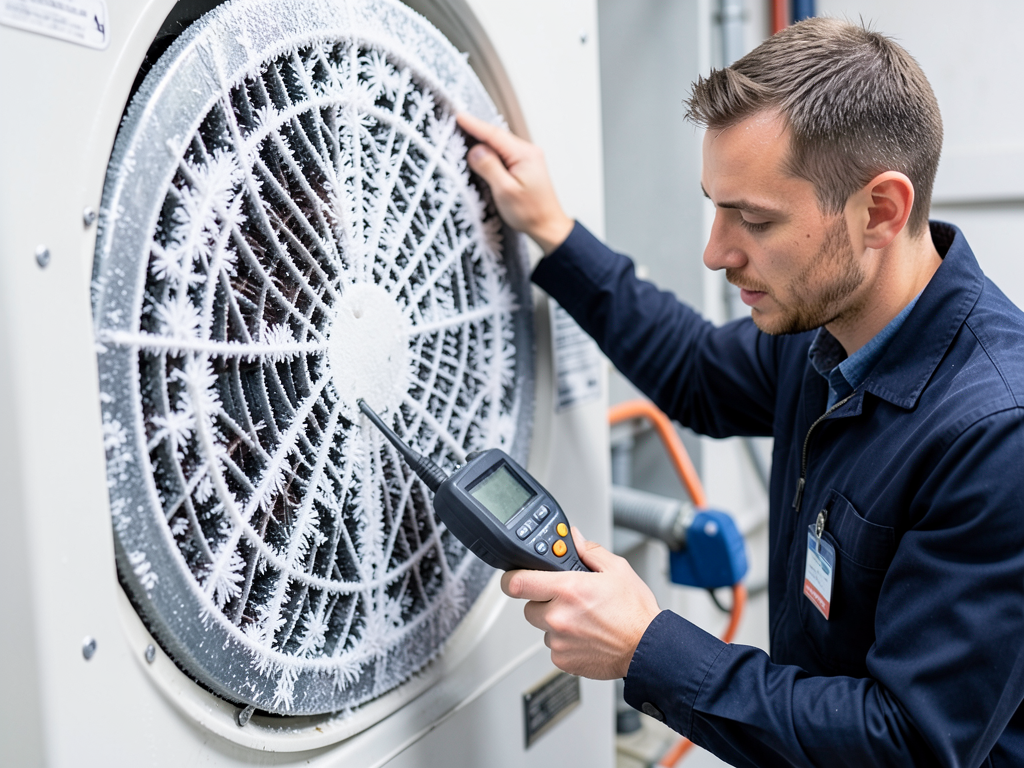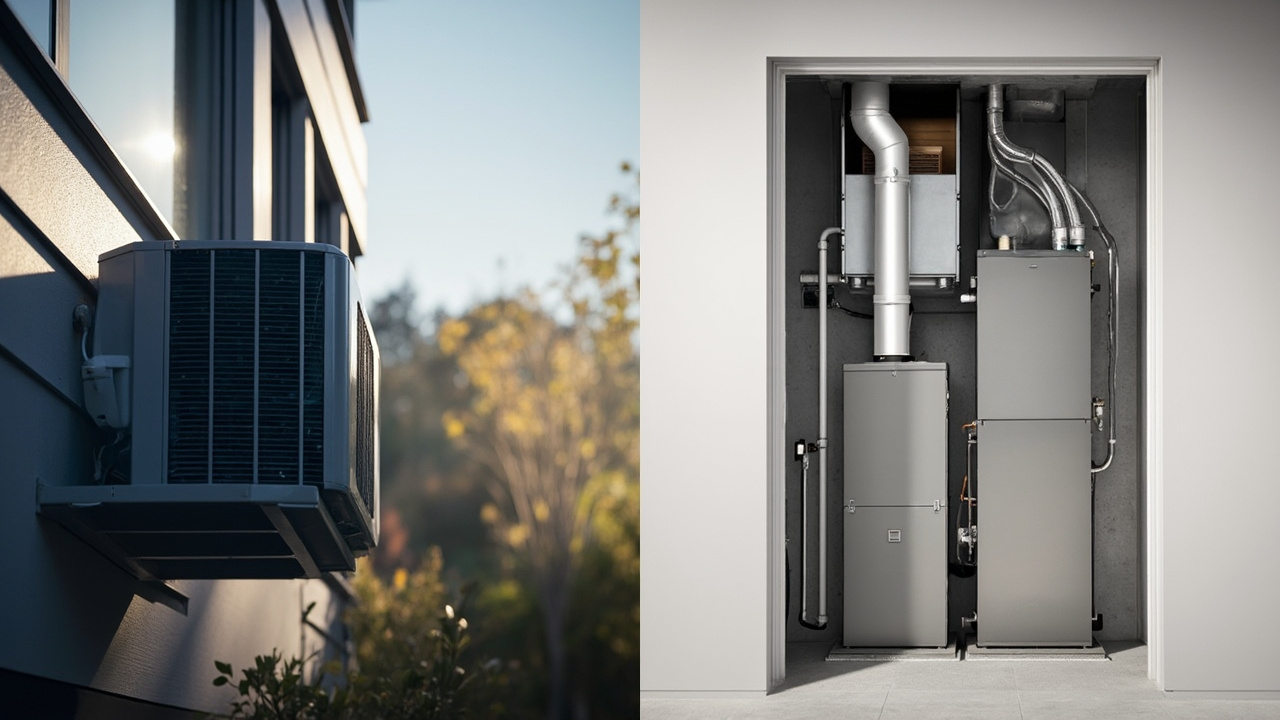
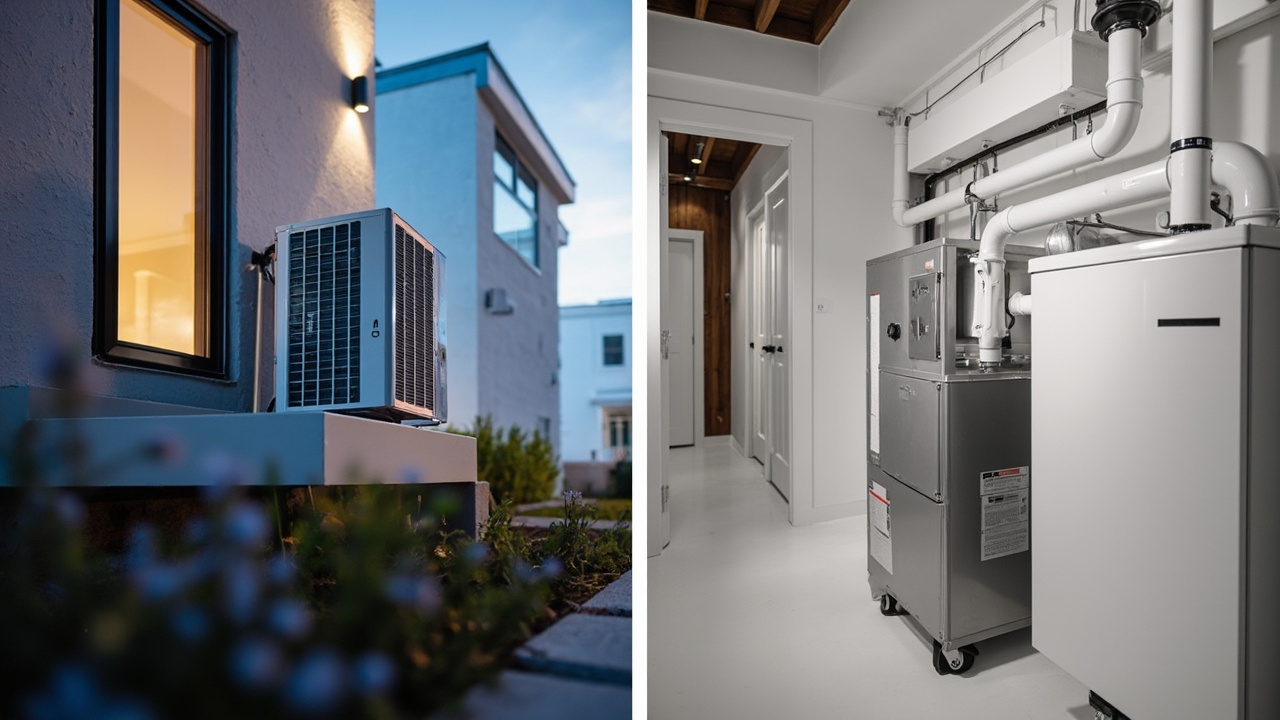
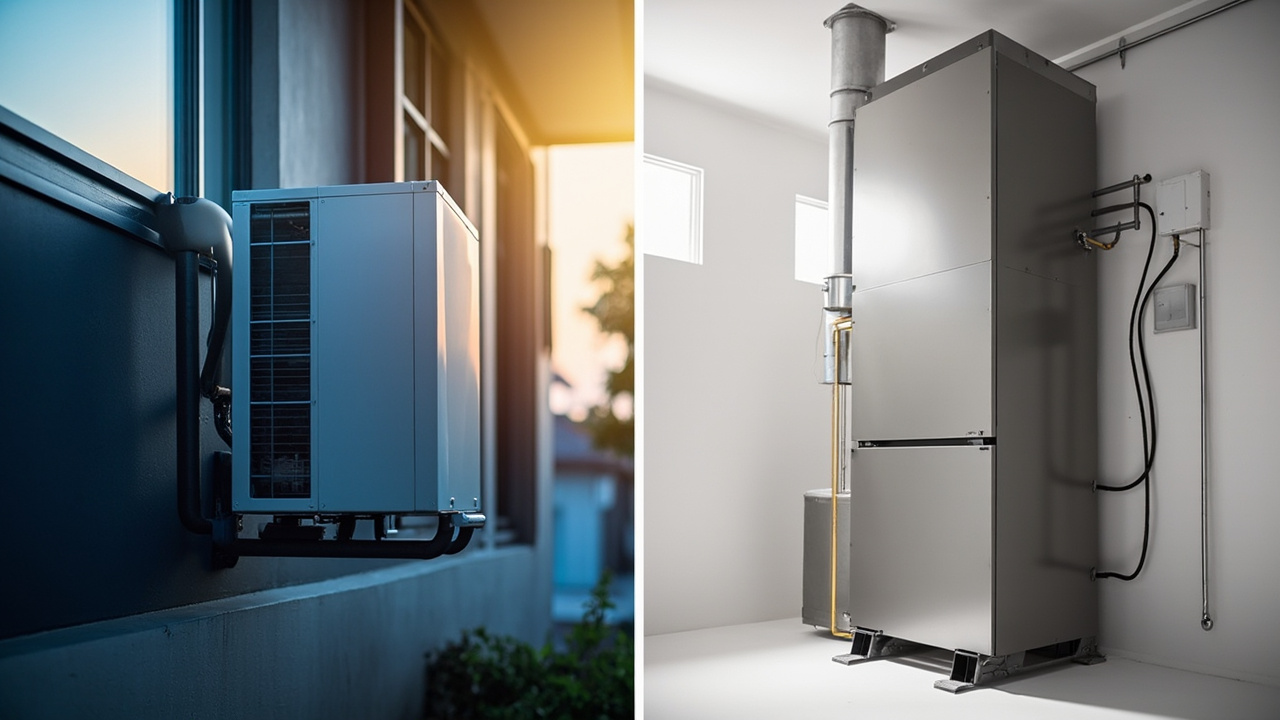
Baltimore sits at the intersection of humid subtropical and humid continental climate zones. Summer dew points regularly hit 70 degrees, which means high latent cooling loads. Winter lows average 25 degrees but can drop to single digits during Arctic outbreaks. This range creates a problem for heat pump efficiency. Heat pumps excel in moderate climates but lose capacity as outdoor temperatures drop. A heat pump rated for 36,000 BTUs at 47 degrees may only deliver 20,000 BTUs at 5 degrees, forcing expensive auxiliary heat strips to engage. Furnaces maintain consistent heat output regardless of outdoor temperature, which gives them an advantage during Baltimore's coldest weeks. Your decision depends on how often you experience extreme cold and whether you can tolerate higher electric bills during those periods.
Baltimore homes also deal with varying access to natural gas infrastructure. Inner Harbor neighborhoods and older areas have natural gas lines on every block. Outer suburbs and rural Baltimore County may rely on propane or oil, which changes the cost equation. A gas furnace is economical when natural gas is available and affordable. A heat pump becomes more attractive when your only alternative is propane or oil. Local building codes also affect installation. Baltimore City requires permits for HVAC changeouts, and inspectors check refrigerant handling, duct sealing, and combustion safety. Working with a contractor who understands city inspection requirements saves you time and prevents failed inspections that delay your project.