Menu

Noisy AC or Heater in Baltimore – Fast Diagnosis and Permanent Fixes for Every Sound

Whether your air conditioner rattles through humid summer nights or your furnace clanks during freeze-thaw cycles, our technicians pinpoint the exact cause and restore quiet operation with precision repairs that last.

Slider Image 1
Slider Image 2
Slider Image 3
Slider Image 4
Slider Image 5
Slider Image 7
Slider Image 8
Slider Image 9
Slider Image 10
Slider Image 11

Why Baltimore HVAC Systems Get Louder Over Time

Baltimore's climate punishes your HVAC equipment in ways that accelerate wear and amplify noise. The high humidity levels during summer create constant condensation on evaporator coils. When that moisture drips onto loose drain pans or corroded components, you hear rattling and dripping sounds that worsen each season.

Winter freeze-thaw cycles create another problem. As temperatures swing from 20 degrees to 50 degrees within days, metal ductwork expands and contracts. This movement loosens mounting brackets and creates banging sounds when your furnace fires up. The expanding metal also stresses blower motor mounts, leading to grinding or squealing that signals bearing failure.

Your loud air conditioner might stem from compressor isolation mounts that have degraded from vibration and heat exposure. When these rubber isolators crack, the compressor transmits vibration directly into your home's structure. What started as a faint hum becomes a loud air conditioner that rattles windows.

A furnace making noise often points to burner assembly issues aggravated by Baltimore's variable heating demands. When cold fronts drop temperatures 30 degrees overnight, your furnace cycles frequently. This rapid on-off pattern stresses igniters and heat exchangers, creating popping or booming sounds during startup.

A noisy HVAC system never fixes itself. The sounds you hear represent mechanical problems that will damage other components if ignored. That loud heater or air conditioner making noise is telling you something needs immediate attention before a minor repair becomes a complete system replacement.

Why Baltimore HVAC Systems Get Louder Over Time
How We Diagnose and Eliminate HVAC Noise at the Source

How We Diagnose and Eliminate HVAC Noise at the Source

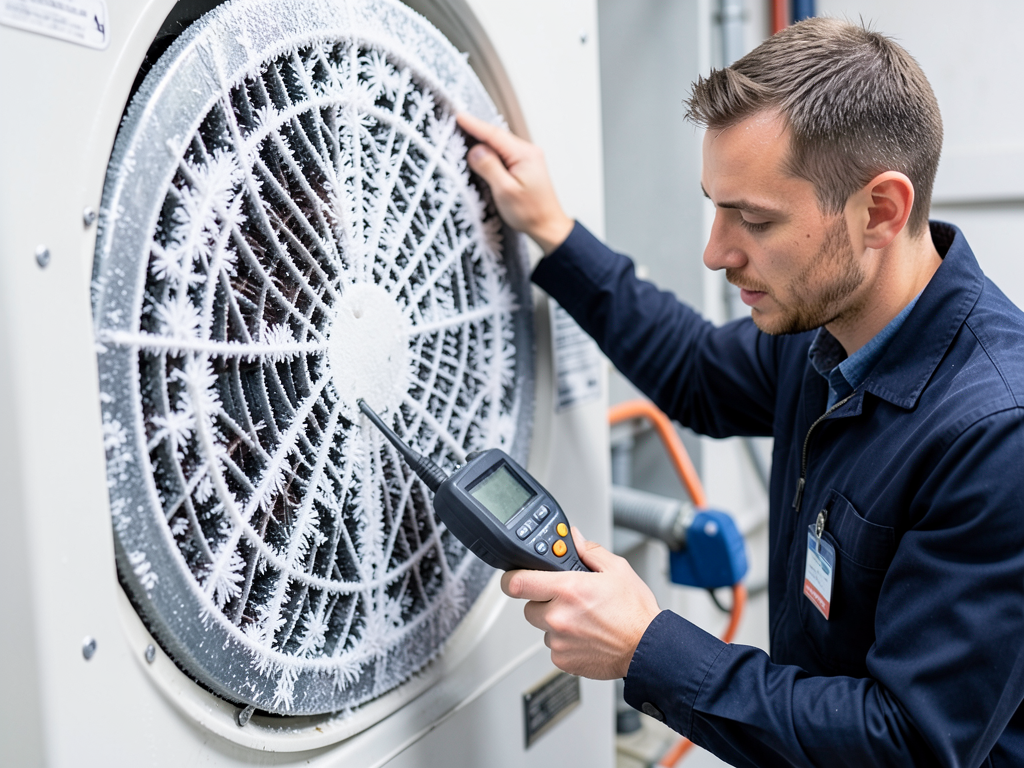
We do not guess. Our diagnostic process uses decibel meters and vibration analysis tools to measure exactly where noise originates and at what frequencies. This matters because a 120 Hz hum indicates electrical issues while a 3600 RPM squeal points to belt or bearing problems.

We start by isolating the sound source within your system. Is the noise coming from the air handler, the outdoor condenser, or the ductwork? We inspect blower wheels for debris buildup that creates imbalance. A single popsicle stick caught in a blower wheel can generate ear-splitting rattling. We check every mounting bolt, every bracket, and every isolation pad for looseness or deterioration.

For refrigerant circuit noise, we measure superheat and subcooling to identify compressor strain or refrigerant flow restrictions. A loud air conditioner compressor often results from liquid slugging when the metering device fails to properly control refrigerant flow. We verify charge levels and check for restriction in the liquid line or filter drier.

When your furnace makes noise during ignition, we analyze gas pressure at the manifold and inspect burner orifices for debris. Baltimore's humid air introduces moisture into gas lines, which can cause corrosion and uneven flame patterns. These irregular flames create rumbling or roaring sounds that signal incomplete combustion and potential safety hazards.

We examine every duct connection for gaps that allow air to whistle through. We inspect flex duct for compression that increases air velocity and turbulence. We verify that return air grilles have adequate sizing because undersized returns create negative pressure that makes your entire system work harder and louder. Every noise has a mechanical cause, and we find it.

What Happens During Your Noise Elimination Service

Noisy AC or Heater in Baltimore – Fast Diagnosis and Permanent Fixes for Every Sound
01

Sound Source Identification

Our technician listens to your system through multiple heating or cooling cycles while taking decibel readings at different locations. We document the specific sound type, frequency, and when it occurs during operation. This data tells us whether the problem originates in the compressor, blower assembly, ductwork, or electrical components. We inspect mounting hardware and vibration isolation points to identify loose or failed components that transmit sound into your home structure.
02

Component Testing and Measurement

We perform electrical tests on motors and capacitors to check for failing windings or weak starting components that strain during operation. We measure refrigerant pressures and temperatures to identify compressor issues or flow restrictions. For furnaces, we verify gas pressure, check heat exchanger integrity, and inspect burner flame patterns. We test blower wheel balance and check belt tension on belt-driven systems. Every measurement gets compared against manufacturer specifications to identify components operating outside acceptable parameters.
03

Repair and Verification

We complete the necessary repairs, whether that means replacing worn bearings, tightening loose components, adding vibration isolators, or adjusting airflow. After repairs, we run your system through multiple cycles while monitoring sound levels to verify the noise is eliminated. We document before and after decibel readings so you have proof the problem is resolved. You get a detailed report explaining what caused the noise, what we fixed, and what preventive maintenance will keep your system quiet.

Why Baltimore Homeowners Choose Victory HVAC for Noise Problems

We know Baltimore homes. The rowhouses in Canton and Fells Point have shared walls that amplify HVAC vibration between units. The older homes in Roland Park and Guilford have gravity furnace conversions where undersized ductwork creates velocity noise. The split-level homes in Towson often have ductwork runs that exceed recommended lengths, creating turbulence and whistling.

Our technicians understand how Baltimore's building stock affects HVAC noise transmission. Many homes here have plaster walls that conduct vibration better than drywall. We know that basement mechanical rooms with exposed floor joists need additional vibration isolation to prevent sound from traveling through the structure. We recognize that attached garages common in county areas create noise problems when HVAC equipment sits on a shared wall.

We stock the parts that fail most often in Baltimore's climate. Compressor isolation grommets that crack from temperature swings. Inducer motor bearings that fail from condensation exposure. Blower motors with sealed bearings designed for our humidity levels. When we diagnose your noisy HVAC system, we repair it the same day in most cases because we carry the components your equipment needs.

Victory HVAC technicians receive ongoing training in diagnostic methods and noise reduction techniques. We understand acoustics and how sound travels through building materials. We know the difference between airborne noise and structure-borne vibration, and we apply the correct solution for each situation.

You will not get a generic answer like "that's normal" or "all systems make some noise." We treat every sound as a symptom of a mechanical problem that deserves proper diagnosis and repair. Your home should be quiet when your HVAC system runs, and we make that happen.

What You Can Expect From Our Noise Diagnostic Service

Same-Day Availability

We respond to noise complaints quickly because we know loud HVAC equipment disrupts your sleep and daily life. Most diagnostic appointments happen within 24 hours of your call. Our technicians arrive with diagnostic equipment and common repair parts, so many noise issues get resolved during the first visit. You do not wait days for parts orders on routine repairs like motor bearings, capacitors, or mounting hardware. We schedule appointments in two-hour windows and call 30 minutes before arrival so you can plan your day.

Comprehensive System Analysis

Our diagnostic service examines every component that could generate noise. We check electrical connections for arcing that causes buzzing. We inspect refrigerant lines for rubbing against framing. We verify proper airflow across coils because restricted airflow forces your system to work harder and louder. We examine ductwork for loose sections or damaged insulation. We test capacitors because weak capacitors cause motors to strain and hum. You receive a written report that explains what we found, what caused the noise, and what we recommend to fix it permanently.

Permanent Solutions

We fix problems correctly the first time. If your blower motor bearings are failing, we replace the motor with a quality unit that includes thermal overload protection. If your compressor mounts have deteriorated, we install heavy-duty isolation grommets designed for your specific equipment. If ductwork connections need sealing, we use mastic and metal tape that create permanent airtight seals. We do not apply temporary fixes that fail in six months. You get repairs that restore your system to quiet operation and keep it that way.

Preventive Maintenance Recommendations

After we eliminate your current noise problem, we identify maintenance tasks that prevent future issues. This might include seasonal checks of mounting hardware, periodic lubrication of motor bearings, or annual inspection of heat exchangers for cracks that cause rumbling. We explain which sounds indicate normal operation and which require immediate attention. You learn what to listen for so you can catch problems early before minor vibrations become major failures. Our goal is to keep your system running quietly for years, not just fix today's noise.

Frequently Asked Questions

You Have Questions,
We Have Answers

Why is my AC so loud all of a sudden? +

A sudden loud noise usually means something broke loose or wore out. Common culprits include a failing blower motor bearing, loose fan blades hitting the housing, or debris stuck in the outdoor unit. Baltimore's humid summers accelerate wear on moving parts. If you hear grinding, squealing, or banging, shut the system off to prevent further damage. Continuing to run it can turn a minor repair into a full system replacement. A technician can diagnose the exact source quickly and get you back to quiet cooling.

What is the 3 minute rule for AC? +

The 3 minute rule prevents compressor damage. After your AC shuts off, wait at least 3 minutes before restarting it. This allows refrigerant pressure to equalize throughout the system. Restarting too quickly forces the compressor to work against high pressure, which can burn out the motor or trip a breaker. This is especially important during Baltimore's heat waves when you're tempted to constantly adjust the thermostat. Most modern thermostats have this delay built in, but if you're manually cycling power, always wait.

What does an AC compressor sound like when it's going out? +

A dying compressor makes distinct sounds. You'll hear a hard-starting noise like a jackhammer or stuttering when the unit tries to kick on. Once running, it may produce a loud humming, grinding, or rattling from worn internal components. Some compressors squeal or shriek when bearings fail. In Baltimore's climate, compressors work overtime during humid summers, accelerating wear. If you hear clicking followed by silence, the compressor is attempting to start but failing. This requires immediate attention before complete failure leaves you without cooling.

Which is the most common source of abnormal noises in an air conditioner? +

Loose or damaged fan blades cause most abnormal AC noises. The blower fan inside your air handler or the condenser fan outside can develop bent blades, loose mounting bolts, or bearing wear. When blades wobble or scrape against the housing, you'll hear rattling, banging, or screeching. Baltimore's temperature swings cause metal components to expand and contract, loosening hardware over time. Debris like leaves or small sticks can also jam into the outdoor unit. Regular maintenance catches these issues before they damage the motor.

What is the $5000 AC rule? +

The 5000 dollar AC rule is a replacement guideline. Multiply your system's age by the repair cost. If the total exceeds 5000, replacement makes more financial sense than repair. For example, a 12-year-old unit needing an 800 dollar compressor equals 9600, suggesting replacement. This accounts for diminishing efficiency and upcoming repairs on aging equipment. Baltimore's high humidity and temperature extremes shorten AC lifespans compared to milder climates. A new system offers better efficiency, lower utility bills, and reliable cooling without constant repair calls.

What does a blown blower motor sound like? +

A failing blower motor produces squealing, screeching, or grinding sounds. You might hear a high-pitched whine when the system starts, indicating worn bearings. As it worsens, expect loud metal-on-metal grinding or rattling. Some blown motors hum loudly but don't spin, meaning the capacitor may also be bad. Baltimore's humid air corrodes motor components faster. If you smell burning plastic or see reduced airflow alongside noise, the motor is overheating. Shut the system off immediately. Continuing operation can trip breakers or cause electrical fires.

How cool should my house be if it's 100 outside? +

Aim for 75 to 78 degrees when it's 100 outside. Your AC can typically cool 15 to 20 degrees below outdoor temperature in optimal conditions. Pushing for 68 degrees on a scorching Baltimore day overworks the compressor and spikes energy bills without achieving comfort. High humidity makes it feel warmer, so use a dehumidifier or ensure your AC's condensate drain flows freely. Set your thermostat to a reasonable temperature and run ceiling fans to improve air circulation. Unrealistic expectations burn out equipment faster.

How to tell if an AC capacitor is bad? +

A bad capacitor shows clear symptoms. Your AC won't start, or it hums loudly without the compressor kicking on. You might notice the system takes longer to start or shuts off randomly. Some capacitors bulge or leak oily residue. Baltimore's summer heat stresses capacitors, shortening their 10 to 20 year lifespan. A technician can test voltage with a multimeter to confirm failure. Capacitors are inexpensive parts, but a bad one leaves you without cooling. Replacing it restores normal operation quickly and prevents compressor damage.

How do the amish keep cool in the summer? +

The Amish cool their homes without electricity through passive strategies. They use whole-house ventilation, opening windows strategically to create cross breezes. Many Amish homes feature wide porches, shade trees, and light-colored roofs to reflect heat. They cook outdoors in summer to avoid heating the house. Some communities use propane or natural gas-powered refrigeration. In rural areas near Baltimore, you'll see these techniques in action. While effective for their lifestyle, most modern homes lack the design features needed for comfort without mechanical cooling in Maryland's humid climate.

What does a dying compressor sound like? +

A dying compressor sounds like a struggling motor. You'll hear loud humming or buzzing without the unit starting. Some make a chattering or clicking noise as internal components fail to engage. Grinding or rattling indicates worn bearings or loose parts inside the sealed unit. A high-pitched squeal means refrigerant pressure is unbalanced. Baltimore's demanding summers with high humidity force compressors to run longer cycles, accelerating wear. If your outdoor unit is excessively loud or making unfamiliar sounds, the compressor is likely failing and needs professional diagnosis before total breakdown.

How Baltimore's Row Home Construction Amplifies HVAC Noise

Baltimore's historic row home architecture creates unique noise challenges for HVAC systems. Shared walls between units conduct vibration from one home to the next, making proper equipment isolation critical. When a furnace or air handler sits against a party wall without adequate vibration damping, your neighbors hear your system cycle. The narrow floor plans common in Canton, Fells Point, and Federal Hill force HVAC equipment into tight basement or attic spaces where sound reflects off nearby surfaces. High-velocity ductwork required for limited installation spaces increases air noise unless properly designed and installed.

Victory HVAC understands these Baltimore-specific installation challenges because we work in these homes every day. We know which neighborhoods have older gravity furnace conversions that need duct modifications to reduce air velocity. We recognize the acoustic properties of brick and plaster construction that transmit vibration differently than modern drywall homes. Our technicians apply noise reduction techniques proven effective in Baltimore's building stock, from proper equipment mounting to strategic duct insulation. When you choose local expertise, you get solutions that work for your specific home construction.

HVAC Services in The Baltimore Area

Easily locate Victory HVAC and our service areas on the map below. We are strategically positioned to provide prompt and efficient heating, ventilation, and air conditioning services across the entire region. Whether you're seeking a new installation, emergency repair, or routine maintenance, our team is readily available to reach your location quickly, ensuring your comfort is restored without delay. Feel free to zoom in to see our exact location or contact us for directions and service area details.

Address:
Victory HVAC Baltimore, 729 E Pratt St, Baltimore, MD, 21202

Additional Services We Offer

Our news updates

Latest Articles & News from The Blogs

The Best Time to Switch Your Guilford Home from Heating to Cooling Mode When should you flip that thermostat switch…

The Best Time to Switch Your Guilford Home from Heating to Cooling Mode

The Best Time to Switch Your Guilford Home from Heating to Cooling Mode When should you flip that thermostat switch…

How Much Space Does Your AC Unit Actually Need from Landscaping in Your Ruxton Yard?

How Much Space Does Your AC Unit Actually Need from Landscaping in Your Ruxton Yard? Your outdoor AC condenser needs…

Common Reasons Your Brooklyn Park AC Is Blowing Warm Air

Common Reasons Your Brooklyn Park AC Is Blowing Warm Air Your air conditioner is running but the air coming from…

Contact Us

Call Victory HVAC Baltimore at (443) 390-4933 right now for same-day noise diagnosis. Our technicians carry the tools and parts needed to identify and fix your noisy air conditioner or furnace today. Get your quiet home back.