
How Much Space Does Your AC Unit Actually Need from Landscaping in Your Ruxton Yard?
Your outdoor AC condenser needs breathing room to work efficiently in Ruxton’s humid Maryland summers. Most homeowners underestimate the space required, leading to higher energy bills and premature equipment failure. The golden rule starts with 2-3 feet of clearance on all sides and 5 feet above the unit for proper heat dissipation and technician access. Energy Star air conditioning guidelines.
Ruxton’s mature trees and lush gardens create beautiful yards but can choke your AC system if planted too close. Dense foliage blocks airflow across the condenser coils, forcing your system to work harder and potentially dropping its SEER efficiency rating. Proper spacing isn’t just about aesthetics—it’s about protecting your investment and keeping cooling costs down.
The Golden Rule: Why Airflow Matters Most
Your AC condenser releases heat by drawing air across the coils. When plants crowd the unit, airflow drops dramatically. The EPA’s Energy Star program recommends maintaining 2-3 feet of clearance around all sides of the condenser. This space allows air to circulate freely and prevents the unit from recycling its own hot exhaust.
Overhead clearance matters just as much. Your AC needs at least 5 feet of vertical space above the unit. This prevents heat from getting trapped and allows warm air to rise away from the system. In Ruxton’s wooded areas, this often means trimming tree branches that hang over your condenser. Getting Ductless Mini Split Installation for Your Federal Hill Rowhome.
Don’t forget about the service panel. HVAC technicians need 30 inches of clearance in front of the unit to access electrical components and refrigerant lines. If your landscaping blocks this access, you might pay extra for service calls or risk damage to your plants when technicians need to work.
Best Landscaping Materials for HVAC Efficiency
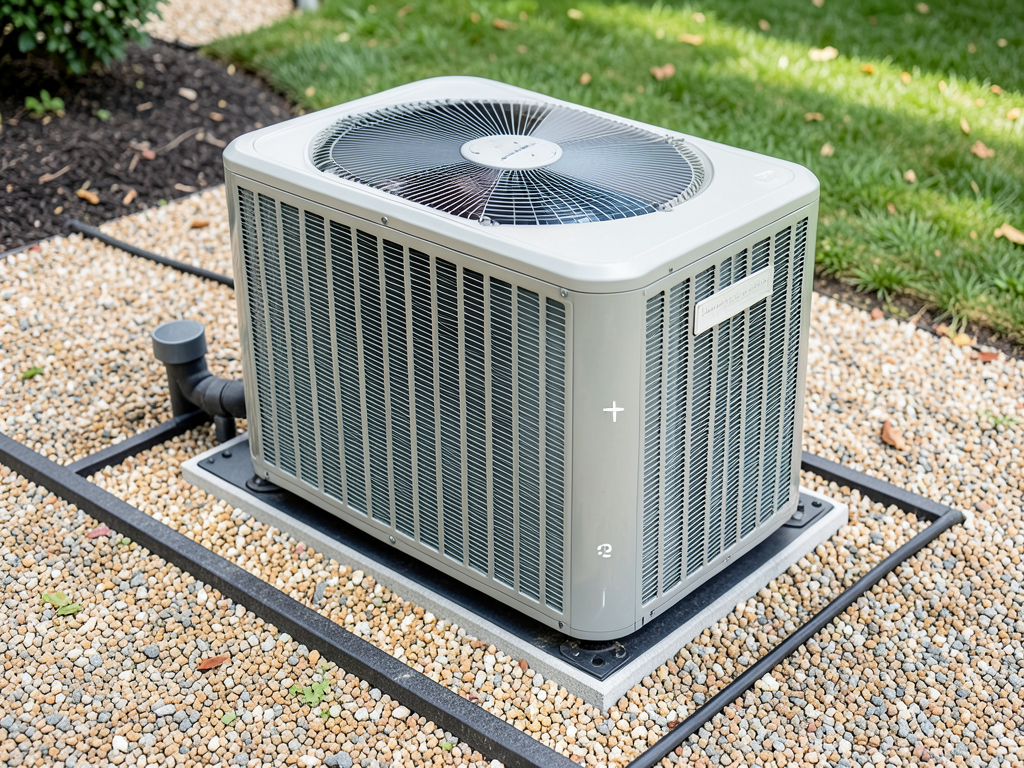
The ground around your AC unit affects more than just appearance. Materials that retain moisture can cause corrosion on the condenser’s metal components. Materials that trap heat can reduce efficiency. Here’s how common options compare:
| Material | Heat Retention | Moisture Control | Maintenance | Best For |
|---|---|---|---|---|
| Pea Gravel | Low | Excellent | Minimal | High-traffic areas |
| River Rock | Medium | Good | Low | Aesthetic borders |
| Mulch | High | Poor | High | Plant beds only | Concrete Pavers | High | Excellent | Minimal | Level surfaces |
Pea gravel offers the best balance for AC units. It drains quickly, doesn’t retain heat, and prevents weeds without chemicals that could damage the coils. River rock works well for decorative borders but can get hot in direct sun. Avoid organic mulch near your condenser—it breaks down, retains moisture, and can get sucked into the coils, reducing efficiency by up to 15%.
Landscape fabric under gravel creates a low-maintenance solution. It blocks weeds while allowing water to drain away from the unit. This prevents the moisture buildup that causes rust on the condenser’s base and electrical connections.
Top Plants for Baltimore AC Landscaping
Choosing the right plants means finding species that provide screening without creating maintenance headaches. Ruxton’s USDA Zone 7b climate supports many native plants that thrive in Maryland humidity without dropping excessive debris. USDA Plant Database.
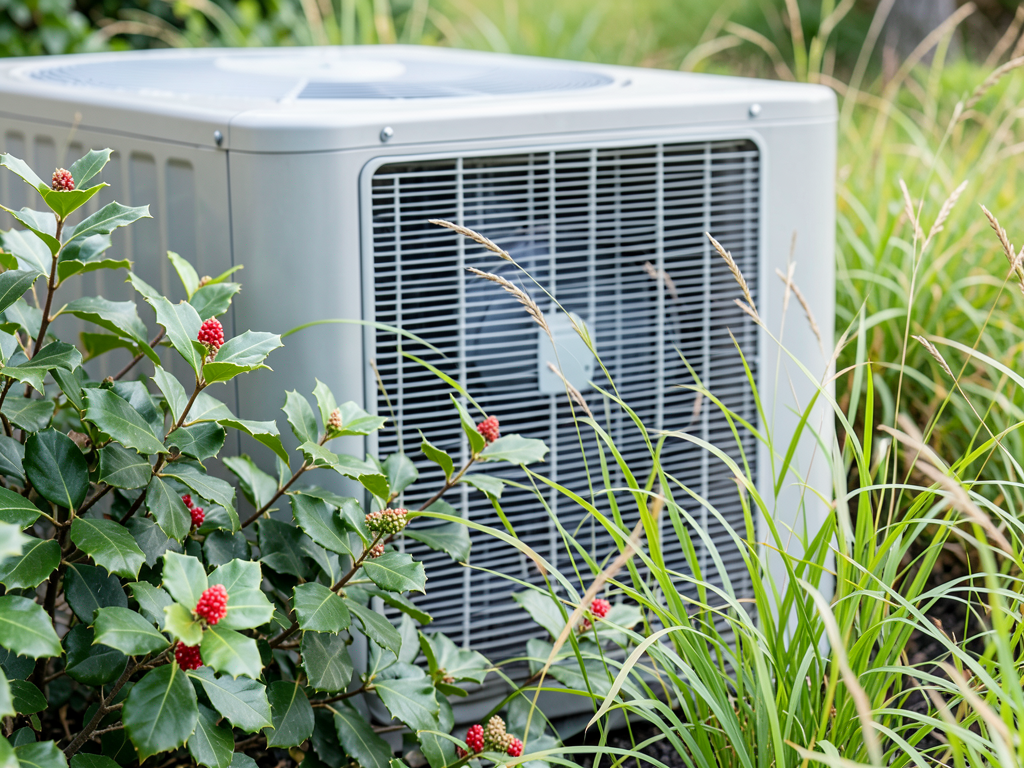
Inkberry Holly makes an excellent low-maintenance screen. It grows 3-4 feet tall, stays evergreen, and doesn’t shed leaves or flowers that could clog your condenser. The dense foliage blocks views of the unit while allowing air to pass through.
Switchgrass provides seasonal interest with minimal upkeep. This native grass reaches 4-5 feet and moves beautifully in summer breezes. It dies back in winter, making it easy to cut down without damaging the unit. The root system stays shallow, avoiding interference with underground lines.
Blue Star (Amsonia) offers spring flowers and fall color without the mess. It grows 2-3 feet tall and wide, perfect for the 2-3 foot clearance zone. The fine texture allows air movement while the compact size prevents crowding.
Avoid plants that drop excessive debris: cottonwoods, mulberries, and ornamental cherries create constant cleanup work. Their seeds and fruit can get into your condenser coils, reducing efficiency and potentially causing damage.
Avoiding Common Mistakes
Many Ruxton homeowners make the same landscaping mistakes around their AC units. Understanding these pitfalls can save you from costly repairs and efficiency losses. How to Get Emergency AC Repair in Canton When Your System Fails in a Heatwave.
Root systems cause more damage than most people realize. Trees planted too close can send roots under your concrete pad, causing it to crack or tilt. A tilted condenser strains the compressor and can lead to refrigerant leaks. Keep trees at least 10 feet from your unit, more for species with aggressive roots like silver maples.
Trellises seem like a good screening solution but create problems. Climbing vines trap moisture against the condenser, accelerating corrosion. Fast-growing vines like wisteria can completely engulf the unit within one season. If you want vertical screening, use lattice with spaced slats that allow airflow.
Soil erosion around your AC pad indicates drainage problems. Ruxton’s clay soil retains water, and poor grading can cause water to pool around your condenser. This leads to rust on the base pan and can even cause electrical shorts. The International Mechanical Code requires proper drainage away from all HVAC equipment.
Don’t plant directly against the unit for aesthetic reasons. That 2-3 foot clearance zone isn’t just for airflow—it’s for maintenance access. If your plants grow into this space, technicians may need to cut them back during service calls, damaging your landscaping.
Maintenance and Accessibility
Your AC unit needs regular maintenance to operate efficiently. That means keeping the area around it clear year-round. Fall leaves, spring pollen, and summer grass clippings all accumulate and restrict airflow.
Create a seasonal maintenance checklist for your Baltimore-area AC unit:
- Spring Cleaning
Remove winter debris, check for rodent nests, and trim any plants that grew into the clearance zone.
- Summer Monitoring
Weekly check for grass clippings and seed pods. Keep the area weed-free.
- Fall Preparation
Clear fallen leaves before they mat down. Consider installing a mesh screen over the top if trees overhang the unit.
- Winter Protection
Remove snow buildup from the top and sides. Don’t wrap the unit—moisture trapped inside causes more damage than cold.
Technician access isn’t just about convenience—it’s about safety. The electrical disconnect switch must be easily reachable. If your landscaping blocks this, technicians may refuse to work on your system until you clear the area. This could leave you without cooling during a Baltimore heatwave.
Consider installing a removable screen or decorative fence with hinged panels. This gives you the aesthetic benefit of screening while allowing full access when needed. Just make sure any screening structure maintains the required clearance distances.
Noise reduction through landscaping works if done correctly. Dense shrubs can dampen the sound of your condenser, but they must be planted far enough away to avoid blocking airflow. The Maryland Noise Control Regulations don’t specifically address AC units, but neighbors appreciate thoughtful placement and screening.
Call (443) 390-4933 for Your AC Inspection
Proper landscaping around your AC unit protects your investment and keeps your Ruxton home comfortable all summer. If you’re unsure about your current setup or notice your system running longer than usual, call Victory HVAC at (443) 390-4933. Our technicians can evaluate your clearance, recommend improvements, and ensure your system operates at peak efficiency.
Don’t wait until your AC fails during a Baltimore heatwave. Pick up the phone and call (443) 390-4933 today to schedule your inspection. We’ll help you create the perfect balance between beautiful landscaping and efficient cooling for your Ruxton yard.
Frequently Asked Questions
How close can I plant shrubs to my AC unit?
Maintain at least 2-3 feet of clearance on all sides and 5 feet above the unit. This allows proper airflow and provides access for maintenance. Choose plants that won’t drop excessive debris and have non-invasive root systems.
Will shading my AC unit improve efficiency?
Strategic shading can help, but only if it doesn’t block airflow. Afternoon shade from trees 15-20 feet away can reduce the unit’s workload without interfering with operation. Never plant trees directly south of the unit where they’ll block morning sun needed for frost prevention.
What’s the best ground cover around an AC unit?
Pea gravel provides the best combination of drainage, heat reflection, and low maintenance. It prevents weeds without chemicals and doesn’t retain moisture that causes corrosion. Landscape fabric underneath creates a nearly maintenance-free solution.
How often should I clean around my AC unit?
Check the area weekly during growing season and monthly in winter. Remove debris immediately—grass clippings, leaves, and seeds can reduce efficiency by up to 15% when they accumulate on the coils. Schedule professional cleaning annually before cooling season begins.
Can I build a fence around my AC unit?
Yes, but maintain the required clearance distances. A fence should be at least 3 feet from the unit on all sides and allow access to the service panel. Hinged or removable panels work best for maintenance access. Check local building codes for any permit requirements.
{
“@context”: “https://schema.org”,
“@type”: “BlogPosting”,
“headline”: “How Much Space Does Your AC Unit Actually Need from Landscaping in Your Ruxton Yard?”,
“description”: “Learn the exact clearance rules for AC units in Ruxton yards. Discover native plants, drainage tips, and maintenance access to keep your system running efficiently.”,
“wordCount”: 1496,
“datePublished”: “2026-05-29T09:49:00.000Z”,
“dateModified”: “2026-05-29T09:49:00.000Z”,
“inLanguage”: “en-US”,
“mainEntityOfPage”: {
“@type”: “WebPage”,
“@id”: “https://victoryhvacbaltimore.com”
},
“publisher”: {
“@type”: “LocalBusiness”,
“name”: “Victory HVAC Baltimore”,
“url”: “https://victoryhvacbaltimore.com”
},
“author”: {
“@type”: “Organization”,
“name”: “Victory HVAC Baltimore”,
“url”: “https://victoryhvacbaltimore.com”
},
“image”: {
“@type”: “ImageObject”,
“url”: “https://victoryhvacbaltimore.com/wp-content/uploads/2026/03/how-much-space-does-your-ac-unit-actually-need-fro-1.png”
}
}
{
“@context”: “https://schema.org”,
“@type”: “HVACBusiness”,
“name”: “Victory HVAC Baltimore”,
“url”: “https://victoryhvacbaltimore.com”,
“address”: {
“@type”: “PostalAddress”,
“addressLocality”: “Baltimore”
},
“areaServed”: {
“@type”: “City”,
“name”: “Baltimore”
}
}
{
“@context”: “https://schema.org”,
“@type”: “FAQPage”,
“mainEntity”: [
{
“@type”: “Question”,
“name”: “How close can I plant shrubs to my AC unit?”,
“acceptedAnswer”: {
“@type”: “Answer”,
“text”: “Maintain at least 2-3 feet of clearance on all sides and 5 feet above the unit. This allows proper airflow and provides access for maintenance. Choose plants that won’t drop excessive debris and have non-invasive root systems.”
}
},
{
“@type”: “Question”,
“name”: “Will shading my AC unit improve efficiency?”,
“acceptedAnswer”: {
“@type”: “Answer”,
“text”: “Strategic shading can help, but only if it doesn’t block airflow. Afternoon shade from trees 15-20 feet away can reduce the unit’s workload without interfering with operation. Never plant trees directly south of the unit where they’ll block morning sun needed for frost prevention.”
}
},
{
“@type”: “Question”,
“name”: “What’s the best ground cover around an AC unit?”,
“acceptedAnswer”: {
“@type”: “Answer”,
“text”: “Pea gravel provides the best combination of drainage, heat reflection, and low maintenance. It prevents weeds without chemicals and doesn’t retain moisture that causes corrosion. Landscape fabric underneath creates a nearly maintenance-free solution.”
}
},
{
“@type”: “Question”,
“name”: “How often should I clean around my AC unit?”,
“acceptedAnswer”: {
“@type”: “Answer”,
“text”: “Check the area weekly during growing season and monthly in winter. Remove debris immediately—grass clippings, leaves, and seeds can reduce efficiency by up to 15% when they accumulate on the coils. Schedule professional cleaning annually before cooling season begins.”
}
},
{
“@type”: “Question”,
“name”: “Can I build a fence around my AC unit?”,
“acceptedAnswer”: {
“@type”: “Answer”,
“text”: “Yes, but maintain the required clearance distances. A fence should be at least 3 feet from the unit on all sides and allow access to the service panel. Hinged or removable panels work best for maintenance access. Check local building codes for any permit requirements.”
}
}
]
}
{
“@context”: “https://schema.org”,
“@type”: “HowTo”,
“name”: “AC Landscaping Maintenance”,
“step”: [
{
“@type”: “HowToStep”,
“position”: 1,
“name”: “Spring Cleaning”,
“text”: “Remove winter debris, check for rodent nests, and trim any plants that grew into the clearance zone.”
},
{
“@type”: “HowToStep”,
“position”: 2,
“name”: “Summer Monitoring”,
“text”: “Weekly check for grass clippings and seed pods. Keep the area weed-free.”
},
{
“@type”: “HowToStep”,
“position”: 3,
“name”: “Fall Preparation”,
“text”: “Clear fallen leaves before they mat down. Consider installing a mesh screen over the top if trees overhang the unit.”
},
{
“@type”: “HowToStep”,
“position”: 4,
“name”: “Winter Protection”,
“text”: “Remove snow buildup from the top and sides. Don’t wrap the unit—moisture trapped inside causes more damage than cold.”
}
],
“image”: “https://victoryhvacbaltimore.com/wp-content/uploads/2026/03/how-much-space-does-your-ac-unit-actually-need-fro-1.png”
}
{
“@context”: “https://schema.org”,
“@type”: “BreadcrumbList”,
“itemListElement”: [
{
“@type”: “ListItem”,
“position”: 1,
“name”: “Home”,
“item”: “https://victoryhvacbaltimore.com”
},
{
“@type”: “ListItem”,
“position”: 2,
“name”: “Blog”,
“item”: “https://victoryhvacbaltimore.com/blog”
},
{
“@type”: “ListItem”,
“position”: 3,
“name”: “How Much Space Does Your AC Unit Actually Need from Landscaping in Your Ruxton Yard?”
}
]
}
{
“@context”: “https://schema.org”,
“@type”: “Service”,
“serviceType”: “HVAC”,
“provider”: {
“@type”: “LocalBusiness”,
“name”: “Victory HVAC Baltimore”,
“url”: “https://victoryhvacbaltimore.com”
},
“areaServed”: {
“@type”: “City”,
“name”: “Baltimore”
},
“description”: “Learn the exact clearance rules for AC units in Ruxton yards. Discover native plants, drainage tips, and maintenance access to keep your system running efficiently.”
}