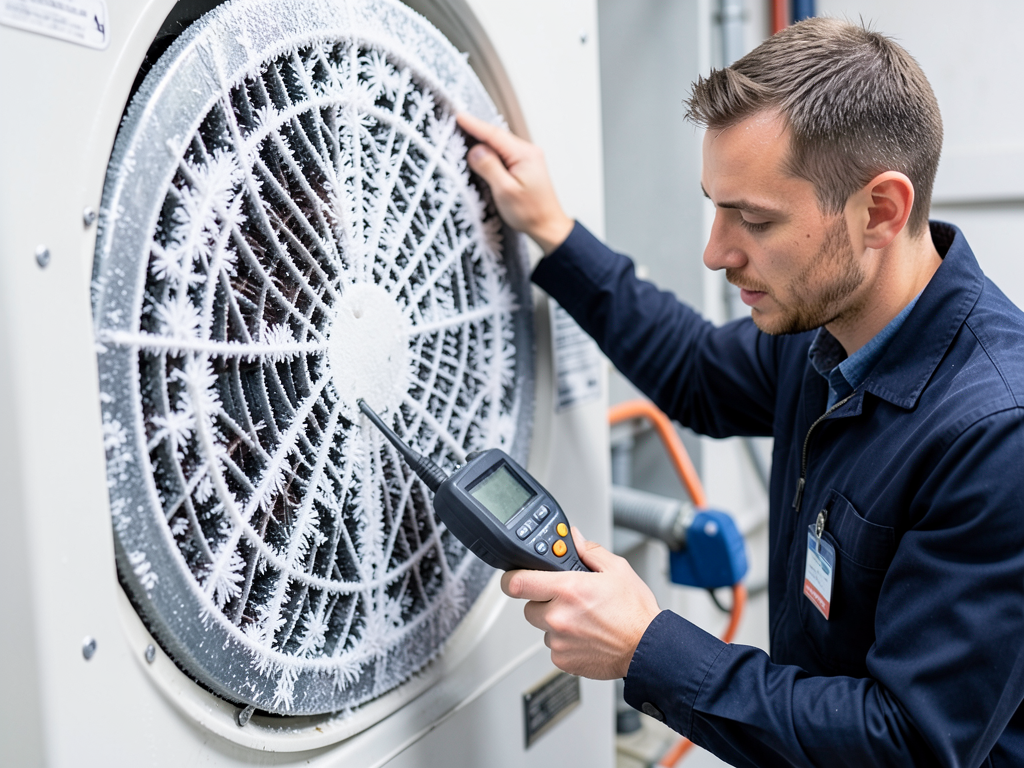


Baltimore's position along the Patapsco River and Chesapeake Bay creates a corrosive environment for commercial mechanical contractors to navigate. Salt-laden air attacks condenser coils and rooftop unit cabinets, particularly in facilities near Canton, Fells Point, and the Port of Baltimore industrial zones. Humidity levels frequently exceed 70 percent during summer months, forcing commercial HVAC companies to specify enhanced dehumidification capacity and corrosion-resistant coatings on outdoor equipment. Buildings in the Inner Harbor district experience accelerated equipment aging compared to facilities in Towson or Pikesville. Your rooftop units need coastal-grade protection or you will replace compressors and coil assemblies years ahead of expected service life.
Commercial heating and cooling services in Baltimore must also comply with Baltimore City energy codes that exceed Maryland state minimums for new construction and equipment replacement projects. The city has adopted stricter efficiency standards for commercial buildings over 25,000 square feet and requires energy benchmarking disclosures for properties before sale or lease. Industrial HVAC contractors working on projects in designated Green Building zones face additional requirements for refrigerant selection and building automation integration. Victory HVAC Baltimore stays current with these evolving regulations so your project passes inspection the first time and your facility avoids compliance issues that create liability during property transactions or lease renewals.