Menu

High Energy Bills in Baltimore – Fast Diagnostics to Stop Expensive Electricity Costs at the Source

Victory HVAC Baltimore pinpoints the exact equipment inefficiency or ductwork failure driving your rising utility costs, then fixes it right the first time so you see lower bills next month.

Slider Image 1
Slider Image 2
Slider Image 3
Slider Image 4
Slider Image 5
Slider Image 7
Slider Image 8
Slider Image 9
Slider Image 10
Slider Image 11

Why Baltimore Homeowners See Skyrocketing Energy Bills Every Summer and Winter

Your HVAC system is fighting a losing battle against Baltimore's humid summers and bitter winter freezes. When the heat index climbs past 95 degrees in July, your air conditioner runs continuously just to keep your home tolerable. In January, when temperatures drop below 20 degrees, your furnace cycles nonstop to maintain 68 degrees inside.

The problem is not the weather. The problem is inefficiency.

Most high energy bills in Baltimore trace back to three root causes. First, leaking ductwork in your attic or crawlspace bleeds conditioned air into spaces you never occupy. Second, aging HVAC equipment loses efficiency every year after the 10-year mark. A 15-year-old furnace uses 30 percent more gas than a new model to produce the same heat. Third, poor insulation in older rowhomes and pre-war construction lets heat transfer freely through walls and attics.

Baltimore's housing stock makes this worse. Many rowhomes in Hampden, Canton, and Fells Point were built between 1890 and 1950, long before modern insulation standards. Shared walls help, but attic spaces and basement rim joists leak heat aggressively. Add in original single-pane windows and you create a thermal envelope that cannot hold temperature.

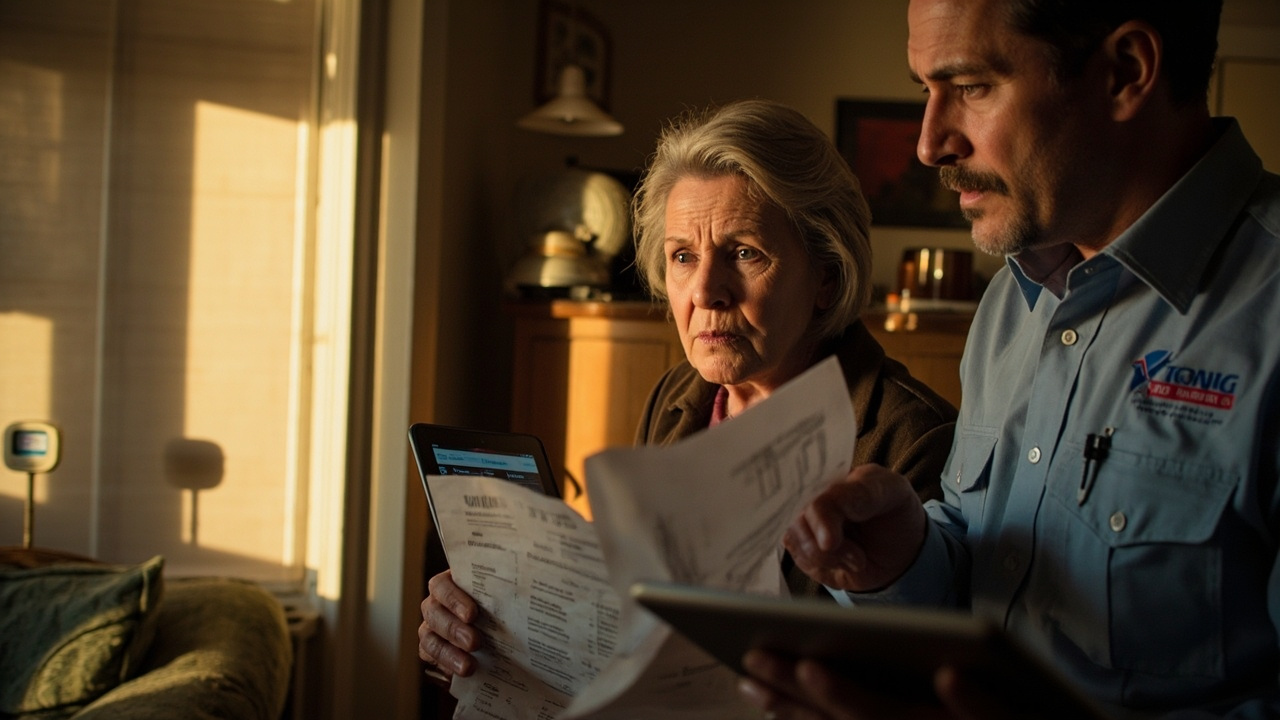
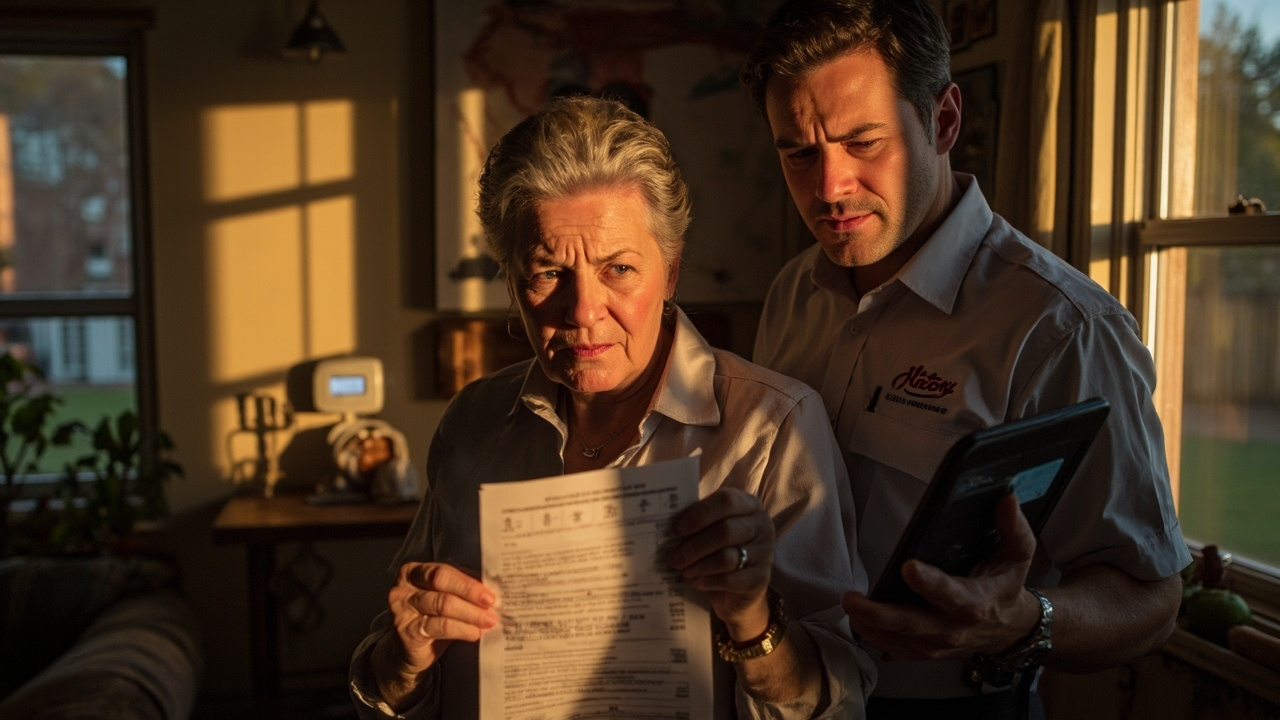
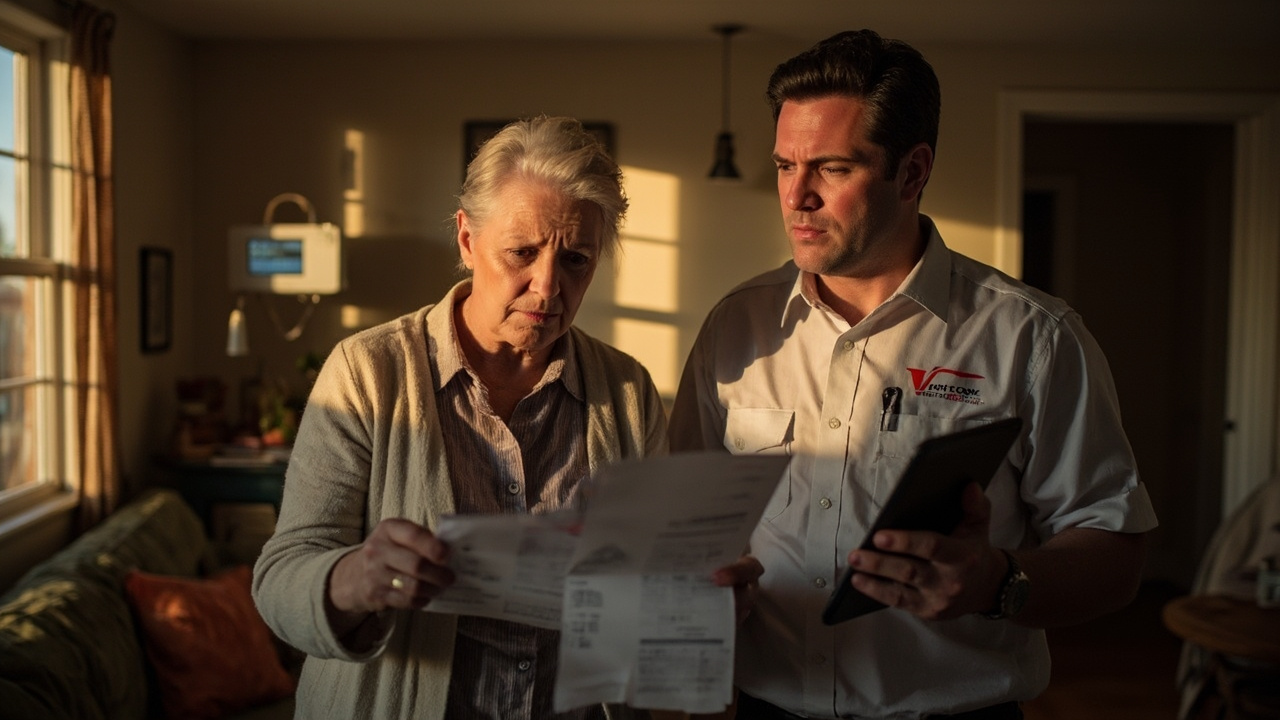
You feel the result every month when you open your BGE statement. Expensive electricity bills climb past 200 dollars in summer. Gas bills spike to 300 dollars in winter. The costs compound year after year because the underlying inefficiency never gets addressed.

Victory HVAC Baltimore stops the bleed by identifying the exact failure point in your system, whether it is leaking ducts, a failing compressor, or undersized equipment that runs continuously without ever reaching setpoint.

Why Baltimore Homeowners See Skyrocketing Energy Bills Every Summer and Winter
How We Diagnose and Fix the Real Cause of Increased Heating and Cooling Costs

How We Diagnose and Fix the Real Cause of Increased Heating and Cooling Costs

Most HVAC companies look at your thermostat and declare your system is working fine. That approach ignores the real problem. A system can run perfectly and still waste hundreds of dollars every month if it operates inefficiently.

We start with a full system performance audit. Our technicians measure actual airflow at each register using a flow hood. We compare delivered CFM to design specs for your square footage. If your return air is undersized or your supply ducts are crushed in the attic, we find it immediately.

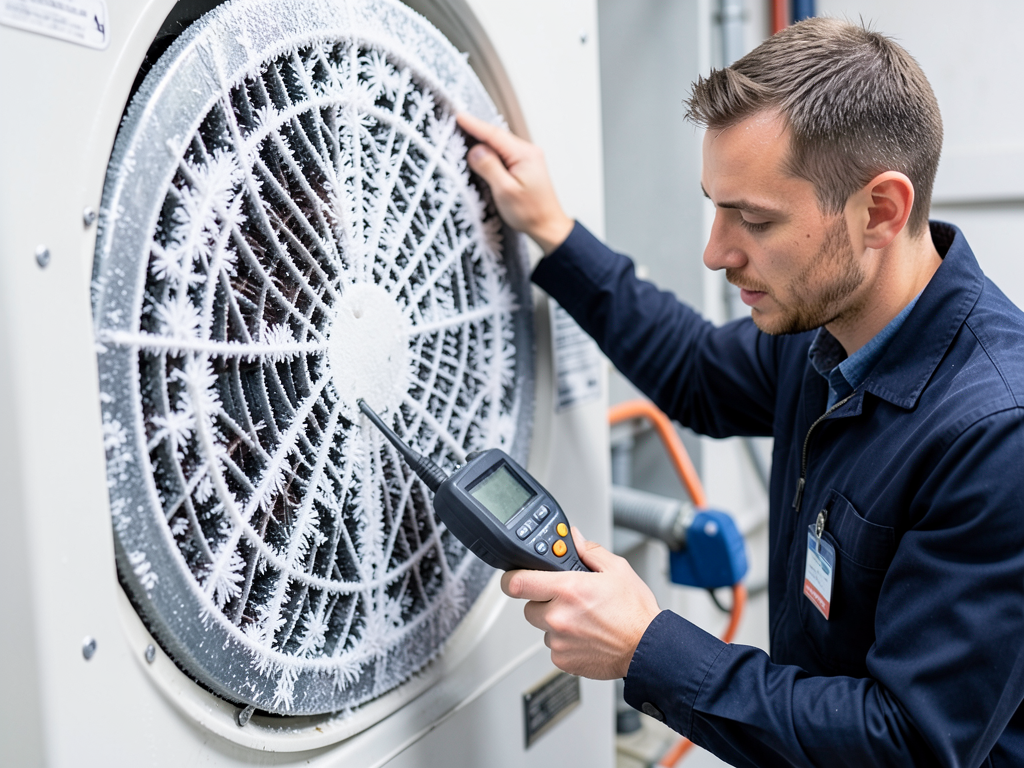
Next, we test static pressure across the blower. High static pressure means your blower motor works harder than necessary to move air through restricted ductwork. That drives up electricity use and shortens equipment life. We measure pressure drop across the filter, the coil, and the duct system to isolate the restriction.

We also check refrigerant charge with manifold gauges and compare subcooling and superheat to manufacturer specs. Low refrigerant charge forces your compressor to run longer to achieve the same cooling. Overcharge causes high head pressure and trips the safety cutout, leading to short cycling that spikes your electric bill.

For furnaces, we measure combustion efficiency with a flue gas analyzer. If your heat exchanger is clogged or your burners are dirty, your furnace burns more gas to produce less heat. We measure flue gas temperature, carbon monoxide levels, and excess air to calculate actual efficiency.

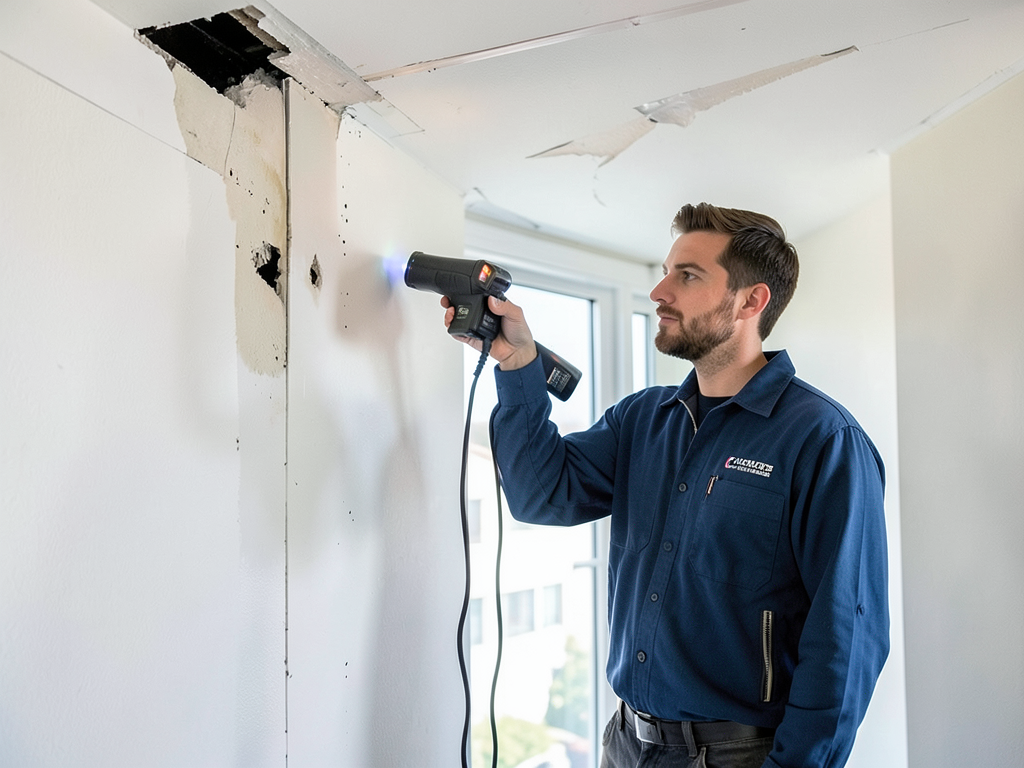
Finally, we inspect your ductwork with a thermal camera. Leaking ducts show up as temperature anomalies in unconditioned spaces. A 20 percent duct leak means you pay to heat or cool your attic instead of your living room.

Once we isolate the failure, we fix it with precision. We seal duct leaks with mastic, not tape. We replace undersized return grilles. We clean coils and adjust refrigerant charge to factory spec. The result is measurable. Your system runs less and your bills drop.

What Happens During Your Energy Efficiency Diagnostic

High Energy Bills in Baltimore – Fast Diagnostics to Stop Expensive Electricity Costs at the Source
01

System Performance Testing

We measure actual airflow, static pressure, and refrigerant charge using calibrated instruments. This identifies whether your system delivers the BTU capacity it was designed to provide. Low airflow and incorrect refrigerant charge are the two most common causes of runtime inefficiency. We compare your system's current performance to manufacturer baseline specs and calculate the efficiency loss percentage.
02

Duct and Envelope Inspection

We inspect your ductwork for leaks, crushed sections, and disconnected joints using visual inspection and thermal imaging. In Baltimore rowhomes, attic ducts often settle and separate at the boot connections. We also check for missing insulation in attics and crawlspaces. Leaking ducts waste 20 to 40 percent of conditioned air. Identifying the leak location allows us to seal it permanently with mastic and foil-backed tape.
03

Targeted Repairs and Retesting

After identifying the inefficiency, we execute the repair and retest the system to confirm performance improvement. If we sealed ductwork, we remeasure static pressure and airflow to verify the leak is gone. If we adjusted refrigerant charge, we verify subcooling and superheat match factory specs. You get a before and after performance report showing measurable improvement in system efficiency and predicted savings on your next utility bill.

Why Baltimore Homeowners Trust Victory HVAC to Lower Costly Utility Expenses

Baltimore's climate demands HVAC systems that can handle extreme swings. Summer humidity sits above 70 percent for weeks at a time. Winter cold snaps drop temperatures into the teens. Your equipment has to perform reliably across a 100-degree temperature range.

Victory HVAC Baltimore understands the specific challenges of heating and cooling in this region. We know that rowhomes in neighborhoods like Patterson Park and Locust Point have shared walls that reduce heating load but create uneven airflow patterns. We know that older homes in Roland Park and Guilford have gravity furnaces or steam radiators that homeowners converted to forced air without proper duct design.

We also understand Baltimore's building codes and permit requirements. Any ductwork modification or equipment replacement in the city limits requires a mechanical permit. We pull permits for every job and schedule inspections to keep you compliant. That protects your home's resale value and keeps your homeowner's insurance valid.

Most HVAC companies try to sell you a new system the moment you call about high bills. That approach ignores the fact that 60 percent of efficiency problems come from ductwork, not equipment. A new furnace connected to leaking ducts still wastes money every month.

We focus on fixing the actual problem, whether that means sealing ductwork, cleaning coils, replacing a failing blower motor, or upgrading to a variable-speed air handler. If your equipment is beyond repair, we recommend replacement. But we never sell you a new system unless your current equipment has reached the end of its service life.

Our technicians carry diagnostic tools that most companies skip. We use manometers to measure duct pressure, psychrometers to measure humidity, and combustion analyzers to measure furnace efficiency. That level of precision costs more upfront but saves you money long term because we fix the right problem the first time.

We also offer post-repair verification. After we complete the work, we measure system performance again and provide you with before and after data. You see the efficiency improvement in writing before you pay the final invoice.

What to Expect When You Schedule a High Energy Bill Diagnostic

Same-Day and Next-Day Appointments

We know that every day you wait is another day of expensive electricity bills. We schedule diagnostics within 24 hours of your call, and we offer same-day service for urgent situations. Our techs arrive in a two-hour window and call 30 minutes before arrival. We work evenings and weekends to fit your schedule. Most diagnostics take 90 to 120 minutes depending on the size of your home and the complexity of your ductwork. You get a written report before we leave so you understand exactly what is driving your rising utility costs.

Comprehensive System and Duct Evaluation

Our diagnostic process goes beyond a visual inspection. We test airflow at every register, measure static pressure across the blower, check refrigerant charge with manifold gauges, and inspect ductwork with a thermal camera. We also evaluate your thermostat programming and zoning setup to identify scheduling inefficiencies. If your system runs while you are asleep or at work, we flag it. We inspect your air filter, evaporator coil, and condensate drain for blockages. The goal is to find every source of wasted energy in your system and prioritize repairs based on cost and impact.

Measurable Efficiency Improvements

After we complete the repair, we retest your system to verify performance improvement. You receive a written report showing before and after measurements. If we sealed ductwork, we show you the reduction in static pressure. If we adjusted refrigerant charge, we show you the corrected subcooling and superheat readings. If we cleaned your coil, we show you the increase in airflow. We also estimate your monthly savings based on reduced runtime and improved efficiency. Most clients see a 15 to 30 percent reduction in their next utility bill after we address duct leaks and equipment inefficiencies.

Ongoing Maintenance Plans to Lock in Savings

Efficiency degrades over time as filters clog, coils collect dust, and ductwork settles. We offer annual maintenance plans that include two system tune-ups per year, priority scheduling, and discounted repair rates. During each visit, we clean your coils, check refrigerant charge, measure airflow, and inspect ductwork connections. Regular maintenance prevents efficiency losses and catches small problems before they become expensive failures. Clients on maintenance plans report 20 percent lower energy bills compared to clients who skip annual service. We also provide filter delivery so you never forget to change your filter on schedule.

Frequently Asked Questions

You Have Questions,
We Have Answers

Why is my electric bill so high suddenly? +

A sudden spike in your Baltimore electric bill often points to HVAC issues. Baltimore's humid summers and freezing winters force your system to work harder. A clogged air filter, refrigerant leak, or failing compressor makes your unit run constantly without reaching temperature. Older homes near the Inner Harbor or Canton struggle with poor insulation, letting conditioned air escape. Check your thermostat settings first. If your system cycles nonstop or rooms feel uneven, you need a diagnostic. Duct leaks in your attic or basement waste energy. Get a professional inspection to pinpoint the problem before next month's bill arrives.

Why is your energy bill suddenly so much more expensive? +

Energy bills climb fast when your HVAC system loses efficiency. In Baltimore, units work overtime fighting humidity and temperature swings between seasons. Dirty coils, worn bearings, or a failing blower motor force your system to consume more power while delivering less comfort. Rate increases from BGE happen, but sudden jumps usually mean equipment failure. Older row homes in Fells Point and Federal Hill have outdated units that drain money. Leaky ductwork in uninsulated crawl spaces bleeds cooled or heated air. If your bill jumped 30 percent or more, your system needs attention now.

What runs your electric bill up the most? +

Your HVAC system devours the most electricity in Baltimore homes. Heating and cooling account for 40 to 50 percent of total usage. Baltimore's climate demands year-round temperature control. Old AC units with SEER ratings below 14 waste massive energy. Your water heater ranks second, especially if it's a tank model over 10 years old. Refrigerators, washers, and dryers follow. If your HVAC runs constantly due to poor maintenance or undersized equipment, your bill explodes. Unsealed ductwork makes the problem worse. Address your heating and cooling first for the biggest savings.

What is the average electric bill in RI? +

This question asks about Rhode Island, not Baltimore, MD. The average electric bill in Rhode Island runs about 120 to 150 dollars monthly, depending on home size and usage. Rhode Island has higher electricity rates than Maryland. In Baltimore, expect bills between 100 and 180 dollars monthly, with spikes in summer and winter when HVAC systems work hardest. Baltimore's humid climate and temperature extremes drive usage higher than mild-weather states. If you live in Baltimore and your bill exceeds 200 dollars regularly, your HVAC system or insulation likely needs professional attention to stop energy waste.

Why is my electric bill over $400? +

A 400 dollar electric bill in Baltimore signals serious HVAC failure or system inefficiency. Your AC or furnace may run nonstop due to a refrigerant leak, broken compressor, or faulty thermostat. Homes in Roland Park or Homeland with large square footage and older systems see this often. Duct leaks in unconditioned spaces waste half your energy. Check if your system short cycles or never shuts off. Verify your meter wasn't misread. If the bill is accurate, schedule an HVAC inspection immediately. Running a failing system costs you hundreds monthly and risks total breakdown during peak summer heat or winter cold.

How much bill for 1 hour AC? +

Running your AC in Baltimore costs about 35 to 50 cents per hour for a standard 3-ton unit, depending on efficiency and BGE rates. Older systems with low SEER ratings cost more. If your unit runs 8 hours daily during summer, expect 80 to 120 dollars monthly just for cooling. Homes with poor insulation or leaky ducts run longer and cost more. A dirty filter or refrigerant issue makes your system work harder, increasing hourly cost. Regular maintenance keeps your unit efficient. If your AC runs constantly and bills stay high, you need a professional tune-up to restore performance and lower operating costs.

Why is my electric bill so high when no one lives there? +

High electric bills in vacant Baltimore homes point to phantom loads or HVAC issues. Your water heater, refrigerator, and HVAC system still draw power even when you're gone. If you left the thermostat on, your system cycles to maintain temperature in an empty house. Leaky ducts or a faulty thermostat can make your AC or heat run nonstop. Check your breaker panel and turn off unnecessary circuits. Unplug appliances and electronics. If the bill stays high, you may have a hidden electrical fault or a neighbor tapping your meter. Get an electrician or HVAC tech to investigate immediately.

How do I figure out why my power bill is so high? +

Start by reviewing your BGE bill for usage spikes compared to last year. Check your HVAC system first in Baltimore homes since it drives most consumption. Walk through your house and feel for uneven temperatures or rooms that never cool or heat properly. Inspect air filters, and replace them if dirty. Look for duct leaks in your basement or attic. Turn off breakers one at a time to isolate high-draw circuits. If bills jumped suddenly without explanation, schedule an HVAC diagnostic. A technician can test your system's amp draw, check refrigerant levels, and find efficiency killers that waste your money monthly.

What contributes most to my electric bill? +

HVAC systems dominate your electric bill in Baltimore, consuming 40 to 50 percent of total usage. Heating and cooling your home through humid summers and freezing winters demands massive energy. Water heating ranks second, especially with older tank models. Refrigerators, washers, dryers, and lighting follow. Homes in neighborhoods like Mount Vernon or Bolton Hill with aging HVAC equipment see costs climb fast. Poor insulation and leaky ductwork make your system work longer to reach temperature. If your HVAC runs constantly or struggles to maintain comfort, it burns extra electricity. Fixing system inefficiencies cuts your bill faster than any other action.

How can I find out what is using the most electricity in my house? +

Use your BGE online portal to track hourly usage patterns and identify spikes. Walk through your Baltimore home and check if your HVAC system runs constantly or cycles too frequently. Inspect your thermostat settings and air filters. Feel for hot spots near appliances or uneven room temperatures. Hire an HVAC technician to perform a load test and measure amp draw on your heating and cooling equipment. Check your water heater age and insulation. Use a plug-in energy monitor for individual appliances. Most high bills trace back to HVAC failure, duct leaks, or poor insulation. Professional diagnostics pinpoint the exact problem.

How Baltimore's Humidity and Temperature Swings Trigger Skyrocketing Energy Bills

Baltimore sits at the intersection of humid subtropical and humid continental climate zones. Summer dew points regularly exceed 70 degrees, which forces your air conditioner to remove moisture in addition to heat. Dehumidification requires significantly more energy than simple cooling. Your compressor runs longer and your evaporator coil ices up if airflow drops below 400 CFM per ton. Winter cold snaps frequently push temperatures into the teens, which forces your furnace or heat pump into auxiliary heat mode. Aux heat uses resistance coils that consume three times more electricity than the compressor. If your system cycles into aux heat unnecessarily, your BGE bill doubles overnight.

Victory HVAC Baltimore has served the greater Baltimore metro for years, building relationships with homeowners in neighborhoods from Towson to Ellicott City. We understand the specific challenges of older housing stock and the ductwork shortcuts that builders took in post-war construction. We also stay current with Baltimore City mechanical codes and permit requirements so every repair meets local standards. Our technicians live and work in the same communities we serve, which means we respond faster and understand the urgency of increased heating and cooling costs during extreme weather. Choosing a local provider means you work with someone who knows your home, your climate, and your building codes.

HVAC Services in The Baltimore Area

Easily locate Victory HVAC and our service areas on the map below. We are strategically positioned to provide prompt and efficient heating, ventilation, and air conditioning services across the entire region. Whether you're seeking a new installation, emergency repair, or routine maintenance, our team is readily available to reach your location quickly, ensuring your comfort is restored without delay. Feel free to zoom in to see our exact location or contact us for directions and service area details.

Address:
Victory HVAC Baltimore, 729 E Pratt St, Baltimore, MD, 21202

Additional Services We Offer

Our news updates

Latest Articles & News from The Blogs

The Best Time to Switch Your Guilford Home from Heating to Cooling Mode When should you flip that thermostat switch…

The Best Time to Switch Your Guilford Home from Heating to Cooling Mode

The Best Time to Switch Your Guilford Home from Heating to Cooling Mode When should you flip that thermostat switch…

How Much Space Does Your AC Unit Actually Need from Landscaping in Your Ruxton Yard?

How Much Space Does Your AC Unit Actually Need from Landscaping in Your Ruxton Yard? Your outdoor AC condenser needs…

Common Reasons Your Brooklyn Park AC Is Blowing Warm Air

Common Reasons Your Brooklyn Park AC Is Blowing Warm Air Your air conditioner is running but the air coming from…

Contact Us

Your next utility bill does not have to match the last one. Call Victory HVAC Baltimore at (443) 390-4933 to schedule a same-day or next-day energy diagnostic. We identify the exact cause of your high energy bills and fix it so you see lower costs next month.