Menu

Furnace Maintenance Checklist in Baltimore – Keep Your System Running Through Chesapeake Bay Winters

Follow our complete furnace tune-up checklist designed for Baltimore's freeze-thaw cycles and coastal humidity to prevent mid-winter breakdowns and extend equipment life.

Slider Image 1
Slider Image 2
Slider Image 3
Slider Image 4
Slider Image 5
Slider Image 7
Slider Image 8
Slider Image 9
Slider Image 10
Slider Image 11

Why Baltimore Furnaces Need Different Maintenance Than Other Regions

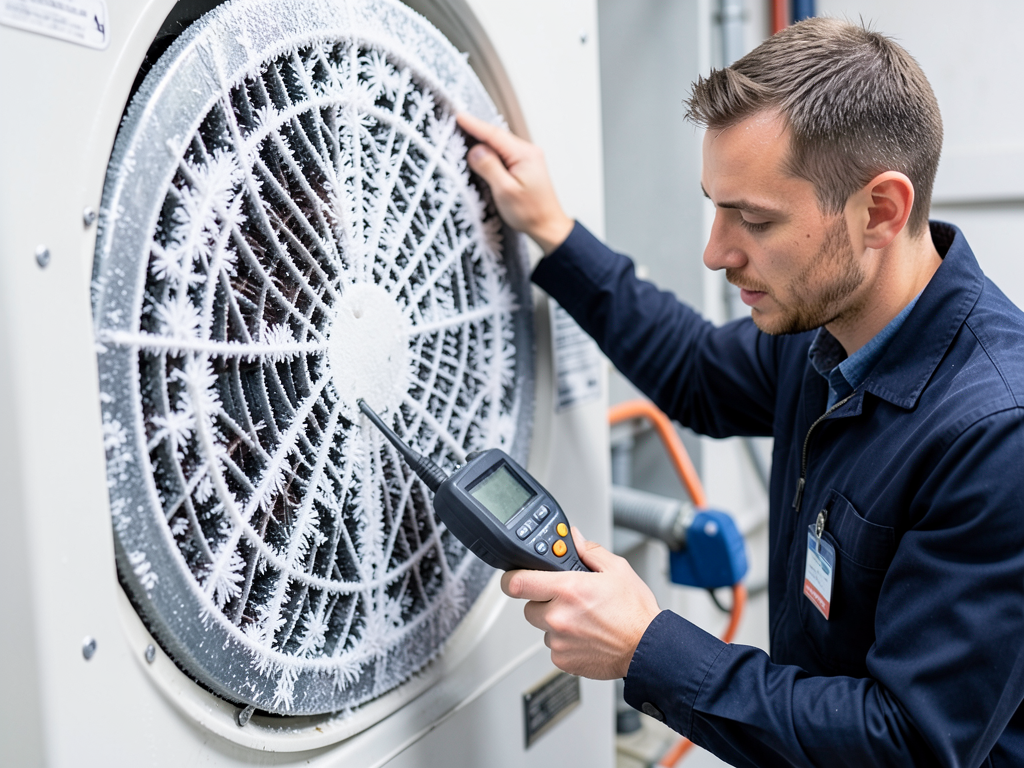
Baltimore sits in a climate zone that punishes heating systems. The city's proximity to the Chesapeake Bay creates high humidity year-round, which corrodes heat exchangers and rusts burner assemblies faster than in drier climates. Add freeze-thaw cycles that swing from 20°F to 50°F in a single week, and your furnace works harder than units in stable climates.

Rowhouses in neighborhoods like Canton and Fells Point present additional challenges. Shared walls and century-old ductwork mean airflow restrictions that force your furnace to cycle more frequently. The annual furnace inspection list for a Baltimore home differs from a preventative heating maintenance guide written for Phoenix or Denver.

Salt air from the harbor accelerates oxidation on electrical connections. Clay soil shifting beneath rowhomes and brownstones can separate ductwork joints over time, reducing efficiency by 30 percent or more. A generic seasonal furnace service schedule won't address these local factors.

Your heating system maintenance steps must account for condensation buildup from humid air meeting cold metal surfaces. This moisture creates rust and encourages mold growth in ductwork. The furnace tune-up checklist used by Victory HVAC Baltimore includes harbor-specific corrosion checks that generic maintenance plans skip entirely.

Most Baltimore furnaces run 1,800 to 2,400 hours per heating season. That extended runtime in harsh conditions means components wear faster than manufacturer averages suggest. Your system needs inspection protocols designed for Mid-Atlantic coastal conditions, not national averages.

Why Baltimore Furnaces Need Different Maintenance Than Other Regions
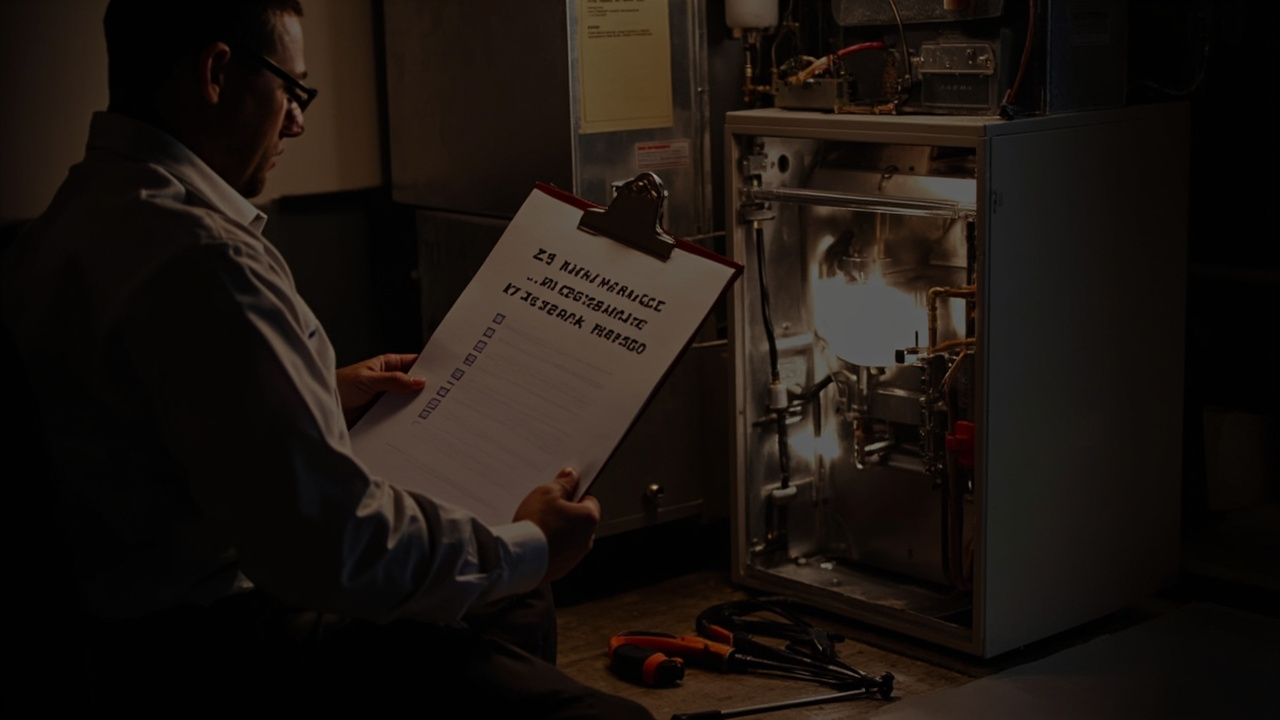
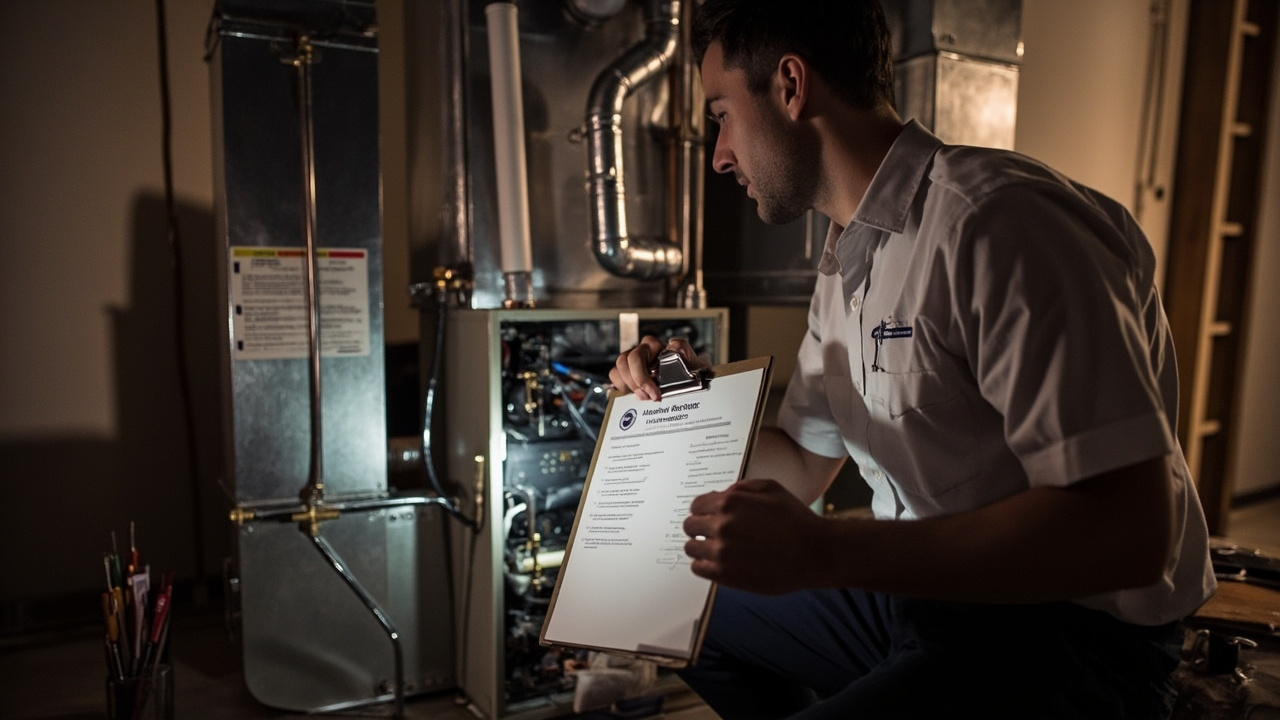
The Victory HVAC Baltimore 23-Point Furnace Inspection Protocol

The Victory HVAC Baltimore 23-Point Furnace Inspection Protocol

Our furnace maintenance checklist starts where others stop. We pull the blower assembly completely to inspect the evaporator coil for harbor salt corrosion. Most technicians look through the access panel and miss pitting on the backside where condensate collects. That oversight leads to refrigerant leaks and compressor failure within 18 months.

We test static pressure in the supply and return plenums using calibrated manometers. Baltimore's rowhouse ductwork often shows 0.8 to 1.2 inches of water column when 0.5 is the target. High static pressure forces your blower motor to pull excessive amperage, shortening its life by three to five years. We document these readings and provide solutions, not just observations.

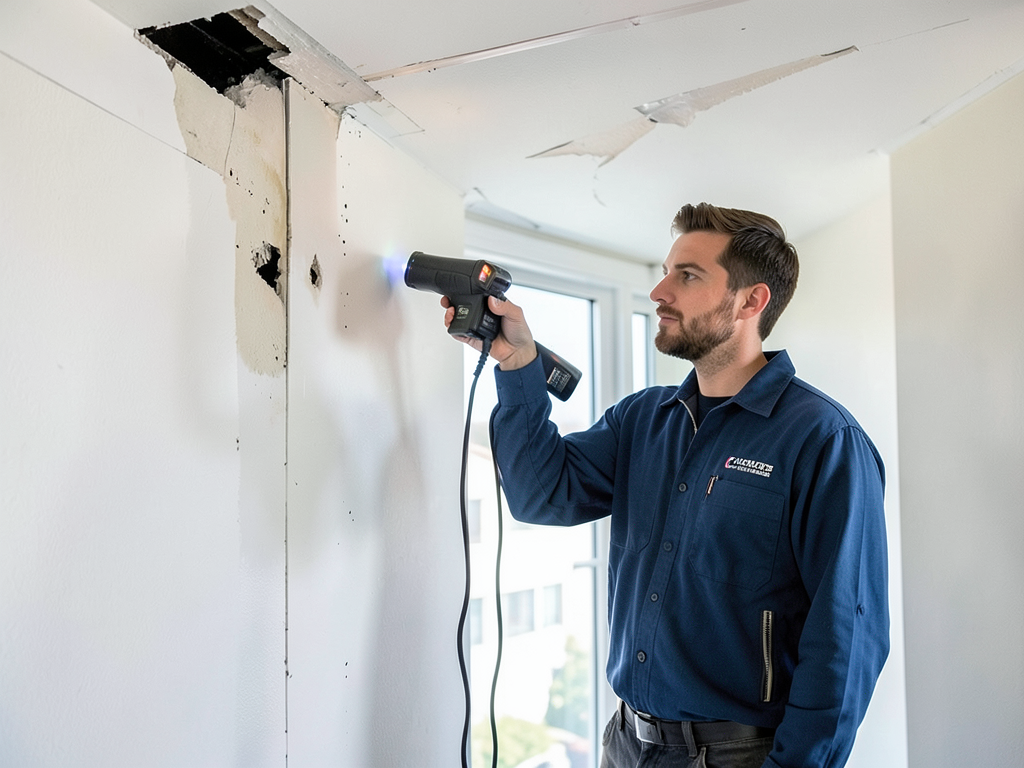
The heat exchanger inspection uses a combustion analyzer to measure CO levels, flue draft, and temperature rise across the exchanger. Hairline cracks invisible to flashlight inspection show up instantly when we introduce tracer smoke and measure exhaust composition. This step prevents carbon monoxide incidents that send 400 Baltimore residents to emergency rooms each winter.

We verify flame rollout switch operation and test the pressure switch tubing for blockages. Condensate drain lines get flushed with a wet-dry vacuum because Baltimore's humidity creates algae growth that clogs traps. Igniter resistance gets measured with a multimeter, and gas valve pressure gets verified at the manifold, not just at the meter.

Electrical connections get torqued to manufacturer specifications using an inch-pound wrench. Loose connections create resistance, heat, and eventual failure. This level of detail separates a real furnace tune-up checklist from a visual inspection with a filter change.

What Happens During Your Baltimore Furnace Maintenance Visit

Furnace Maintenance Checklist in Baltimore – Keep Your System Running Through Chesapeake Bay Winters
01

System Performance Testing

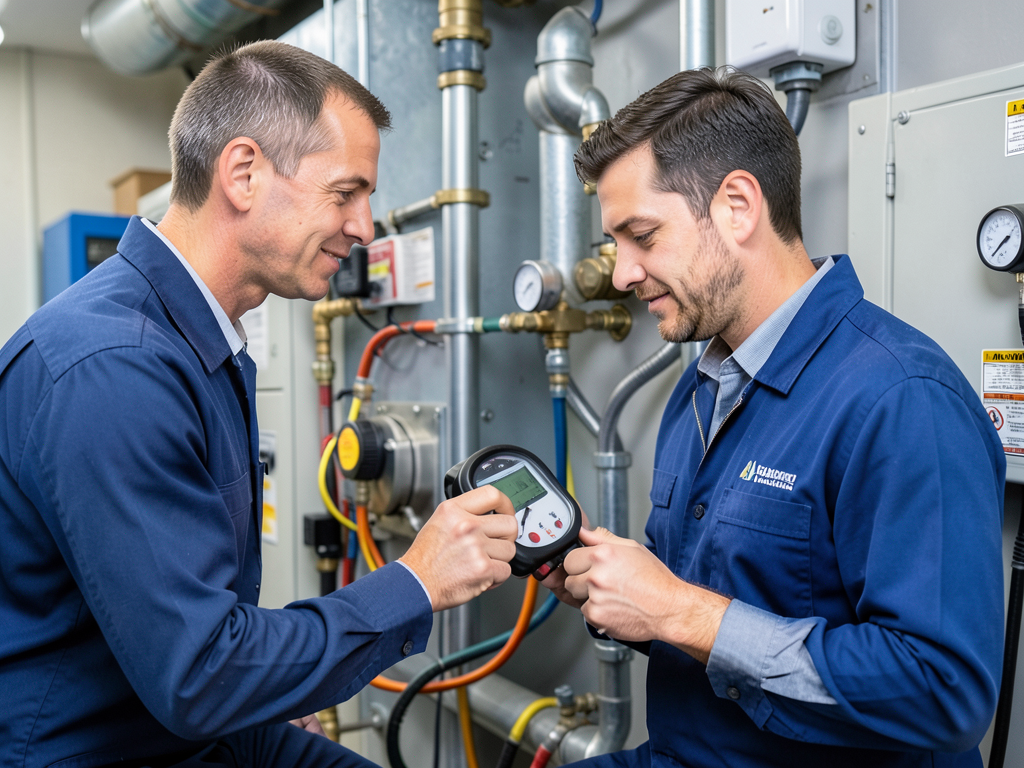
We arrive with calibrated digital instruments and begin by running your system through a complete heating cycle. Temperature differential, amperage draw, and gas pressure get measured against manufacturer specifications. This baseline data reveals efficiency loss and component wear before parts fail. We document everything in your service file to track degradation over multiple seasons.
02

Component-Level Inspection

Every furnace component gets hands-on inspection. Blower wheels get pulled and cleaned of dust buildup that reduces airflow by 20 percent or more. Flame sensors get polished with emery cloth to restore microamp signal strength. Heat exchanger surfaces get inspected with a borescope camera to find cracks hidden from standard sight lines. This thoroughness prevents mid-winter failures.
03

Adjustment and Documentation

We adjust gas pressure to factory specifications, calibrate the thermostat anticipator, and verify proper burner flame color and pattern. You receive a detailed report showing all measurements, any recommended repairs, and expected component life based on current wear rates. This documentation helps you budget for replacements before emergency failures force rushed decisions at premium prices.

Why Baltimore Homeowners Choose Local Heating System Expertise

Victory HVAC Baltimore technicians train specifically on the equipment common to this region. We see Bryant, Carrier, and Rheem units daily because those brands dominate local distributor inventory. That repetition builds expertise you won't find with national chains rotating technicians between cities every few months.

We understand Baltimore's residential building stock. A Federal Hill rowhouse built in 1890 has different heating requirements than a Locust Point renovation or a Towson split-level from 1975. Original gravity duct systems, zones added during renovations, and updraft furnaces in basements with seven-foot ceilings all require different maintenance approaches.

Our seasonal furnace service schedule aligns with Baltimore weather patterns. We book maintenance visits in September and October, before the November cold snaps that trigger service calls. Waiting until November means you compete with emergency repairs for technician availability. Our preventative heating maintenance guide gets your system ready before you need it.

We stock parts for equipment common to Baltimore homes. When we find a cracked inducer motor housing or failed pressure switch during maintenance, we often have the replacement on the truck. National companies order parts and schedule return visits, leaving you without heat for three to five days during a cold snap.

Local building inspectors know our work. When maintenance uncovers safety issues requiring permits, like abandoned gas lines or improperly vented combustion air, our existing relationships with Baltimore City and Baltimore County code officials smooth the approval process. We handle the paperwork and schedule inspections without dumping administrative tasks on you.

What Your Furnace Maintenance Appointment Includes

Appointment Timing and Duration

Most furnace maintenance appointments take 90 to 120 minutes. We schedule two-hour windows to avoid rushing through inspections when we find issues requiring additional attention. You receive a call 30 minutes before arrival, and we arrive in marked vehicles with your technician's name and photo sent via text. We work year-round but recommend scheduling between Labor Day and Halloween to beat the rush. October appointments often get same-week availability, while November slots fill three weeks out.

The Initial System Assessment

We start by asking about system performance: unusual noises, uneven heating, or increased utility bills. This history guides our inspection priorities. Your thermostat gets evaluated for proper placement and calibration. We check air filter condition and measure airflow at multiple registers throughout your home. Static pressure testing reveals ductwork restrictions. Combustion analysis measures efficiency and safety. This diagnostic phase identifies problems a visual inspection would miss, like a heat exchanger operating at 72 percent efficiency when 80 percent is standard.

The Service Deliverable

You receive a multi-page inspection report with photographs of components showing wear, measurement data for all tested systems, and prioritized recommendations. Critical safety issues get flagged for immediate attention. Efficiency improvements get ranked by cost versus benefit. Wear items nearing end of life get documented with expected replacement timelines. Your furnace runs cleaner, safer, and more efficiently after service. Most homeowners see 8 to 15 percent reductions in heating costs following proper maintenance because the system no longer fights against dirty components and poor adjustments.

Ongoing Maintenance Plans

We offer annual maintenance agreements that include fall furnace service and spring air conditioning maintenance. Members get priority scheduling, discounted repairs, and extended parts coverage. The agreement pays for itself if you need a single repair during the year because members receive 15 percent off parts and labor. We track your equipment history across years, monitoring component wear rates to predict failures before they happen. Annual inspection findings get compared year-over-year to identify accelerating degradation requiring intervention.

Frequently Asked Questions

You Have Questions,
We Have Answers

What maintenance should be done on a furnace? +

Proper furnace maintenance includes inspecting the heat exchanger for cracks, testing the ignition system, checking gas pressure and connections, replacing the air filter, and verifying carbon monoxide levels. A technician should clean the burner assembly, test the blower motor and capacitor, and inspect the flue pipe for blockages. In Baltimore, where winters stress older systems, you also need to check the thermostat calibration and examine electrical connections for corrosion. Annual maintenance prevents mid-winter breakdowns and keeps your system running efficiently through cold snaps and humid transitions common to the Chesapeake Bay region.

What is included in furnace tune-up? +

A furnace tune-up covers all critical components for safe operation. The technician cleans the burners and flame sensor, inspects the heat exchanger, tests the ignition and safety controls, and measures combustion efficiency. They lubricate the blower motor bearings, tighten electrical connections, and check the condensate drain for clogs. Baltimore homes with older furnaces benefit from pressure testing gas lines and inspecting the venting system. The service includes replacing or cleaning the air filter and verifying proper airflow. A complete tune-up ensures your furnace handles Baltimore's temperature swings without failure or safety risks.

What is the average cost to service a furnace? +

Furnace service costs vary based on system age, type, and condition. Basic tune-ups typically fall within a moderate range, while repairs for older units or emergency calls cost more. Baltimore technicians factor in travel time across neighborhoods and the specific demands of older rowhomes with tight mechanical spaces. Costs increase if parts need replacement during the inspection. Gas furnaces generally cost less to service than oil systems. Regular maintenance prevents expensive mid-season failures. Many local companies offer maintenance plans that reduce per-visit costs and include priority scheduling during Baltimore's coldest months when demand peaks.

What parts of a furnace need to be cleaned? +

The burner assembly accumulates carbon deposits and needs regular cleaning for proper combustion. The flame sensor gets coated with buildup that causes ignition failures. The blower assembly collects dust and debris that reduces airflow and strains the motor. In Baltimore, where humidity is high year-round, the heat exchanger can develop condensation residue that needs inspection. The flue pipe and draft hood require cleaning to prevent exhaust blockages. The air filter housing collects dust around the frame. Technicians also clean the condensate drain on high-efficiency furnaces to prevent clogs that trigger safety shutoffs common in damp climates.

How Chesapeake Bay Humidity Shortens Baltimore Furnace Lifespan

Baltimore's average relative humidity hovers near 65 percent year-round, climbing above 80 percent on summer evenings. This moisture condenses on cool metal surfaces inside your furnace cabinet during shoulder seasons when outdoor temperatures swing 30 degrees between morning and afternoon. Repeated condensation cycles create rust on heat exchangers, blower housings, and burner assemblies. A furnace rated for 20 years in Denver often fails at 14 years in Baltimore because the manufacturer's lifespan estimates assume 40 percent average humidity. Your annual furnace inspection list must include corrosion assessment as a primary checkpoint, not an afterthought.

Victory HVAC Baltimore has maintained heating systems in this region for over a decade. We understand how salt air from the Inner Harbor accelerates oxidation on outdoor condensing units and through-wall vents. Our technicians recognize the ductwork configurations common to Baltimore's 60,000 rowhouses, where vertical chases and shared walls create airflow challenges absent in suburban detached homes. This local knowledge means we catch problems specific to Mid-Atlantic coastal climates that technicians trained in other regions miss entirely. Your heating system deserves maintenance designed for the environment it actually operates in.
HVAC Services in The Baltimore Area

Easily locate Victory HVAC and our service areas on the map below. We are strategically positioned to provide prompt and efficient heating, ventilation, and air conditioning services across the entire region. Whether you're seeking a new installation, emergency repair, or routine maintenance, our team is readily available to reach your location quickly, ensuring your comfort is restored without delay. Feel free to zoom in to see our exact location or contact us for directions and service area details.

Address:
Victory HVAC Baltimore, 729 E Pratt St, Baltimore, MD, 21202

Additional Services We Offer

Our news updates

Latest Articles & News from The Blogs

The Best Time to Switch Your Guilford Home from Heating to Cooling Mode When should you flip that thermostat switch…

The Best Time to Switch Your Guilford Home from Heating to Cooling Mode

The Best Time to Switch Your Guilford Home from Heating to Cooling Mode When should you flip that thermostat switch…

How Much Space Does Your AC Unit Actually Need from Landscaping in Your Ruxton Yard?

How Much Space Does Your AC Unit Actually Need from Landscaping in Your Ruxton Yard? Your outdoor AC condenser needs…

Common Reasons Your Brooklyn Park AC Is Blowing Warm Air

Common Reasons Your Brooklyn Park AC Is Blowing Warm Air Your air conditioner is running but the air coming from…

Contact Us

October and November appointments fill quickly as temperatures drop. Call (443) 390-4933 now to schedule your furnace tune-up while same-week availability remains open. Our maintenance prevents emergency breakdowns during January cold snaps when you need heat most.