Menu

Furnace Blowing Cold Air in Baltimore | Expert Diagnosis and Same-Day Repair

When your furnace blows cold air instead of heat, you need a technician who can diagnose the real cause fast. Victory HVAC Baltimore delivers accurate troubleshooting and permanent repairs for all furnace brands serving Baltimore homes.

Slider Image 1
Slider Image 2
Slider Image 3
Slider Image 4
Slider Image 5
Slider Image 7
Slider Image 8
Slider Image 9
Slider Image 10
Slider Image 11

Why Your Baltimore Furnace Blows Cold Air When You Need Heat Most

You turn up the thermostat. The furnace kicks on. Air flows from the vents. But it's cold.

This happens across Baltimore neighborhoods from Canton to Catonsville, and it's always at the worst time. The problem escalates fast when overnight temperatures drop into the 20s and your heating system blows cold air instead of warming your home.

Baltimore's freeze-thaw cycles stress furnace components in ways that warmer climates never see. When temperatures swing from 55 degrees during the day to 28 at night, thermal expansion and contraction strain heat exchangers, crack ignitors, and loosen electrical connections. Your furnace blowing cool air signals one of several failures, and guessing costs you money.

A heater blowing cold air points to ignition failure, a malfunctioning gas valve, a tripped flame sensor, or a completely failed heat exchanger. The blower motor runs because it receives power, but the burners never light or stay lit. You're circulating unheated air through your ductwork while your energy bill climbs.

Some homeowners in Fells Point and Mount Vernon assume the fix is simple. They replace the air filter or reset the thermostat. But when your furnace not blowing hot air persists after basic troubleshooting, the root cause lives deeper in the ignition sequence or gas delivery system. Baltimore's older row homes with original cast iron radiators converted to forced air often have undersized ductwork that compounds airflow issues when the furnace blowing unheated air tries to distribute through restricted pathways.

The longer you wait, the colder your home gets and the higher the risk of frozen pipes in uninsulated crawl spaces common to Baltimore's historic housing stock.

Why Your Baltimore Furnace Blows Cold Air When You Need Heat Most
How We Diagnose and Fix Furnaces Blowing Cold Air

How We Diagnose and Fix Furnaces Blowing Cold Air

Victory HVAC Baltimore uses systematic diagnostics, not guesswork. We test the ignition sequence from thermostat call through flame establishment. Our technicians verify voltage at the control board, check flame sensor microamp readings, and measure gas pressure at the manifold.

When your heating system blows cold air, we start at the thermostat. We confirm it's calling for heat and sending 24 volts to the furnace. Then we verify the induced draft motor spools up and creates negative pressure to close the pressure switch. If the pressure switch fails to close, the ignition sequence stops and your furnace blows cold air because the burners never receive the signal to light.

Next, we check the hot surface ignitor or pilot assembly. Ignitors crack from thermal stress and lose continuity. A failed ignitor glows dimly or not at all, preventing gas valve opening. We measure resistance across the ignitor terminals. Readings outside the manufacturer's spec mean replacement.

If the ignitor glows and the gas valve opens but the burners don't stay lit, the flame sensor is fouled. Carbon buildup on the flame sensor rod prevents it from detecting flame current. The control board interprets this as a failed ignition and shuts the gas valve within three seconds. Your furnace blowing cool air results from the safety lockout cycling repeatedly.

We also inspect the heat exchanger for cracks. A cracked heat exchanger allows combustion gases to mix with circulating air. The furnace may run but produce little heat because airflow bypasses the heated metal surfaces. This is a safety hazard and requires immediate shutdown.

Baltimore's hard water affects humidifiers attached to furnaces. Scale buildup restricts water flow and can cause the furnace to short cycle, leading to inconsistent heating and periods where your heater blowing cold air becomes noticeable between heating cycles.

What Happens During Your Cold Air Furnace Repair

Furnace Blowing Cold Air in Baltimore | Expert Diagnosis and Same-Day Repair
01

System Diagnostics and Testing

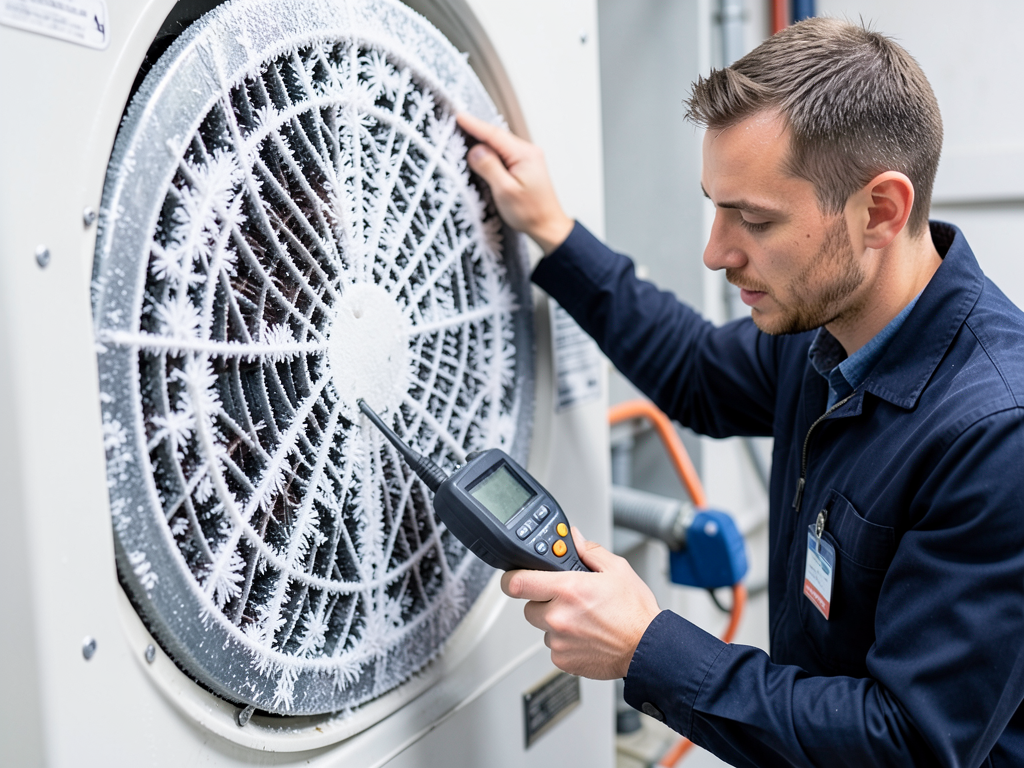
Our technician arrives with test equipment calibrated for precision voltage, amperage, and pressure readings. We document your furnace model, run a full ignition sequence test, and isolate the failed component causing your furnace to blow cold air. You receive a clear explanation of what failed and why before any repair work begins. This eliminates unnecessary part replacement and gets your heat restored correctly the first time.
02

Component Replacement or Repair

We stock common failure parts for all major furnace brands on our service vehicles. Ignitors, flame sensors, gas valves, pressure switches, and control boards are replaced using OEM or equivalent-grade components. We clean the burner assembly, verify proper flame pattern, and ensure combustion air intake and exhaust vents are clear. Repairs follow manufacturer torque specs and electrical connection standards to prevent callbacks.
03

Heat Restoration and Safety Check

After repairs, we cycle your furnace through multiple heating calls to confirm reliable ignition and consistent hot air delivery. We measure supply air temperature at the nearest register and verify it reaches proper differential above return air temperature. Carbon monoxide levels are tested in the flue and near the furnace cabinet. You see your furnace heating your home again before we leave, and we document all readings for your records.

Why Baltimore Homeowners Trust Victory HVAC for Furnace Repairs

Baltimore's housing diversity demands furnace expertise across multiple applications. We service everything from 1920s row homes in Hampden with converted coal furnace plenums to new construction in Harbor East with high-efficiency modulating furnaces.

Our technicians understand Baltimore's building code requirements for combustion air and venting. Many older homes have furnaces in interior closets or basement alcoves where combustion air intake was never properly sized for modern sealed-combustion units. When homeowners upgrade to high-efficiency furnaces without addressing combustion air, the units struggle to maintain proper draft and can produce cold air intermittently.

We've worked in enough Baltimore basements to know the challenges of low ceiling clearance, tight mechanical rooms, and knob-and-tube electrical that complicates furnace control wiring. Our diagnostic process accounts for these variables instead of treating every furnace blowing cold air as a simple ignitor swap.

Victory HVAC Baltimore maintains manufacturer certifications for Carrier, Lennox, Trane, Goodman, and Rheem furnace systems. This gives us access to technical service bulletins that identify known failure patterns specific to your furnace model. A Carrier ignitor fails differently than a Goodman ignitor, and the troubleshooting steps differ accordingly.

We also recognize that many Baltimore homes use oil-to-gas conversion furnaces or have zoned systems serving multi-level row homes. These configurations introduce complexity that general HVAC techs often misdiagnose. When your heating system blows cold air in one zone but not another, the problem isn't your furnace. It's a zone damper actuator or a thermostat wiring issue that requires different troubleshooting entirely.

Our pricing is transparent before work begins. You know the repair cost upfront, not after the parts are installed.

What to Expect When You Call Victory HVAC Baltimore

Same-Day Service Availability

We dispatch technicians to Baltimore addresses within hours of your call during business days. When your furnace blowing cold air leaves you without heat on a 30-degree night, waiting until next week isn't acceptable. Our service vehicles carry the most common failure components for residential furnaces, which means most repairs are completed in a single visit. Emergency after-hours service is available when heating failure creates unsafe conditions for children, elderly occupants, or when frozen pipe risk is imminent in unheated areas of your home.

Thorough On-Site Diagnostics

Our diagnostic process includes visual inspection of the heat exchanger, burner assembly, and venting system. We test electrical components with multimeters to measure actual voltage and resistance rather than assuming a part is good or bad based on appearance. Gas pressure is checked at the manifold to confirm your utility supply delivers adequate fuel pressure. Flame sensor microamp current is measured during furnace operation to verify the control board receives proper flame confirmation signal. You receive a written diagnostic report that explains what failed and why your furnace blowing cool air instead of heat.

Reliable Heat Restoration

Your furnace repair is complete when your home heats properly and all safety systems function correctly. We don't declare success after replacing a part. We verify the furnace completes multiple heating cycles without lockout, measure supply air temperature to confirm adequate heat rise, and check combustion exhaust to ensure clean burn with no carbon monoxide spillage. Your thermostat controls should restore your home to your desired temperature within the normal heating time for your square footage. We clean up all packaging materials and leave your mechanical area in the same condition we found it.

Post-Repair Support and Maintenance

After your furnace repair, we provide a written summary of all work performed and parts replaced. We explain any additional maintenance concerns we observed, such as dirty evaporator coils or aging blower motors that may need attention during the next service interval. If your furnace required major component replacement, we discuss preventive maintenance steps to extend equipment life, including annual tune-ups that clean flame sensors, test ignition components, and verify gas pressure before heating season. You can call us with questions about furnace operation or thermostat programming after the repair is complete.

Frequently Asked Questions

You Have Questions,
We Have Answers

How do you fix a furnace that blows cold air? +

Start by checking your thermostat settings. Ensure it is set to heat mode and the temperature is higher than your current room temperature. Next, inspect your air filter. A clogged filter restricts airflow and causes cold air output. Replace it if dirty. Check your circuit breaker and furnace power switch to confirm the unit has power. If the pilot light is out on a gas furnace, relight it following manufacturer instructions. Baltimore's fluctuating winter temperatures can cause system cycling issues. If these steps fail, you likely have a faulty ignitor, flame sensor, or gas valve that requires professional repair.

Why is cold air blowing when heat is on? +

Cold air blowing when heat is on typically signals a thermostat issue, pilot light failure, or ignition problem. Your furnace may be running its blower fan without actually igniting the burners. Check that your thermostat fan setting is on auto, not on. A switched setting runs the blower constantly, even between heating cycles. Gas furnaces need a lit pilot or functioning electronic ignition to generate heat. Baltimore's high humidity can corrode flame sensors, preventing ignition. Dirty flame sensors or failed limit switches also cause this symptom. These components require professional diagnosis and cleaning or replacement.

Why is my furnace blowing air but not warm? +

Your furnace blows air without warmth when the burners fail to ignite or the heat exchanger cannot transfer heat properly. The blower motor runs independently of the heating elements. First, verify your gas supply valve is fully open if you have a gas furnace. Check for tripped breakers or blown fuses. Inspect the furnace filter, as restricted airflow triggers safety shutoffs. Baltimore homes built before 1980 often have older furnaces with worn heat exchangers or cracked components. A malfunctioning limit switch may also prevent burner operation. These issues need immediate professional attention to avoid carbon monoxide risks.

How do I reset my furnace? +

Locate your furnace power switch, usually mounted on or near the unit, and turn it off. Wait 30 seconds. Next, locate the circuit breaker for your furnace and flip it off, then on again. Return to the furnace and turn the power switch back on. For gas furnaces, turn the gas valve to off, wait five minutes for any residual gas to clear, then turn it back to on. Set your thermostat five degrees higher than room temperature. Baltimore's freeze-thaw cycles can cause condensation issues that trip safety sensors. If the furnace does not restart, you need professional service.

Should I turn off my furnace if it blows cold air? +

Yes, turn off your furnace if it blows cold air continuously. Running the system without heat generation wastes energy and can worsen underlying problems. Before shutting down completely, switch your thermostat to off and check basic issues like filter cleanliness and thermostat batteries. If you smell gas, evacuate immediately and call your gas company. Baltimore winters demand reliable heat, so address the problem quickly. You can leave the system off temporarily without pipe freeze risk if your home stays above 50 degrees. Schedule immediate professional inspection to restore safe, efficient heating before temperatures drop further.

What is the most expensive part to fix on a furnace? +

The heat exchanger represents the most expensive furnace repair, often costing as much as a new mid-efficiency unit. This component transfers combustion heat to your home's air. Cracks or failures create carbon monoxide dangers and usually warrant full furnace replacement. Draft inducer motors, control boards, and variable-speed blower motors also rank among costly repairs. Baltimore's high humidity accelerates heat exchanger corrosion in older furnaces. Gas valves and ignition systems fall mid-range in expense. Regular maintenance extends component life and prevents premature failures. Age matters. Furnaces older than 15 years typically justify replacement over major repairs.

What are signs of furnace failure? +

Frequent cycling on and off signals failing limit switches or thermostat issues. Yellow or flickering burner flames instead of steady blue indicate combustion problems and potential carbon monoxide production. Unusual noises like banging, screeching, or rumbling point to blower motor or ignition failures. Persistent cold air output means ignition system breakdown. Spiking energy bills without usage changes suggest declining efficiency. Visible rust or corrosion on the heat exchanger or cabinet indicates moisture damage common in Baltimore's humid climate. Aged furnaces beyond 18 years show multiple simultaneous symptoms. If you notice two or more signs, schedule professional inspection immediately.

How can I tell if my heat pump is low on refrigerant? +

Watch for ice buildup on refrigerant lines or outdoor coil during heating mode. Your heat pump will run longer cycles without reaching set temperature. Listen for hissing sounds near refrigerant lines, indicating leaks. Indoor air feels less warm than normal. Baltimore winters stress heat pumps operating in heating mode, making refrigerant pressure critical. Check for higher electric bills without usage changes. Low refrigerant reduces heating capacity and forces the backup heat strips to engage constantly. You may notice the outdoor unit running continuously without producing warmth. Refrigerant issues require EPA-certified technicians. Never attempt DIY refrigerant work.

Should I turn my heat pump to emergency heat in extreme cold? +

Only use emergency heat when your heat pump completely fails or outdoor temperatures drop below your unit's operational threshold, typically around 25 degrees. Baltimore occasionally sees these extreme lows during January cold snaps. Emergency heat relies on expensive electric resistance strips, dramatically increasing energy costs. Modern heat pumps handle most Baltimore winter conditions efficiently without emergency mode. Switching unnecessarily wastes money. If your heat pump struggles during moderate cold, you likely need refrigerant service or defrost cycle repair, not emergency heat. Use emergency heat as a temporary bridge while scheduling professional repair, not as a regular winter setting.

How to tell if a furnace thermostat is bad? +

Set your thermostat five degrees higher. If the furnace does not respond within five minutes, suspect thermostat failure. Check for blank display screens, indicating dead batteries or lost power. Replace batteries first. Test by manually moving the temperature slider up and down while listening for the click of relay engagement. Compare room temperature to thermostat reading with a separate thermometer. A difference greater than three degrees signals calibration failure. Baltimore's humidity can corrode thermostat contacts. Loose wiring connections cause intermittent operation. If your system short cycles or runs constantly despite correct settings, the thermostat likely needs replacement or professional recalibration.

How Baltimore's Winter Temperature Swings Cause Furnace Cold Air Problems

Baltimore's winter climate oscillates between mild Atlantic-influenced days in the 40s and Arctic air masses that drop overnight lows into the teens. This constant cycling forces your furnace through dozens of heating calls per day rather than steady continuous operation. Each ignition cycle stresses the hot surface ignitor, and each shutdown allows the heat exchanger to cool and contract. Over a single winter, your furnace may cycle 3,000 times compared to 800 cycles in a milder climate. This accelerated wear explains why Baltimore furnaces develop ignition failures and cracked heat exchangers faster than identical models installed in Charleston or Richmond. When your heater blowing cold air coincides with a cold snap, you're experiencing the cumulative stress of Baltimore's thermal volatility concentrated into critical failure.

Victory HVAC Baltimore has served neighborhoods from Bolton Hill to Locust Point for years, and we understand the specific furnace configurations common to Baltimore's architecture. Row home furnaces often vent through interior chimneys shared with fireplaces or previous coal furnace flues. These masonry chimneys create draft issues that newer metal vent systems don't experience, especially when exterior temperatures fluctuate rapidly. We know which furnace brands perform reliably in Baltimore's conditions and which models require frequent flame sensor cleaning due to our municipal gas composition. This local expertise means accurate diagnosis the first time, not trial-and-error part replacement that leaves you with an unreliable furnace blowing unheated air every few weeks.
HVAC Services in The Baltimore Area

Easily locate Victory HVAC and our service areas on the map below. We are strategically positioned to provide prompt and efficient heating, ventilation, and air conditioning services across the entire region. Whether you're seeking a new installation, emergency repair, or routine maintenance, our team is readily available to reach your location quickly, ensuring your comfort is restored without delay. Feel free to zoom in to see our exact location or contact us for directions and service area details.

Address:
Victory HVAC Baltimore, 729 E Pratt St, Baltimore, MD, 21202

Additional Services We Offer

Our news updates

Latest Articles & News from The Blogs

The Best Time to Switch Your Guilford Home from Heating to Cooling Mode When should you flip that thermostat switch…

The Best Time to Switch Your Guilford Home from Heating to Cooling Mode

The Best Time to Switch Your Guilford Home from Heating to Cooling Mode When should you flip that thermostat switch…

How Much Space Does Your AC Unit Actually Need from Landscaping in Your Ruxton Yard?

How Much Space Does Your AC Unit Actually Need from Landscaping in Your Ruxton Yard? Your outdoor AC condenser needs…

Common Reasons Your Brooklyn Park AC Is Blowing Warm Air

Common Reasons Your Brooklyn Park AC Is Blowing Warm Air Your air conditioner is running but the air coming from…

Contact Us

Your furnace blowing cold air won't fix itself. Call Victory HVAC Baltimore now at (443) 390-4933 for same-day diagnosis and repair. Our technicians are ready to restore reliable heat to your Baltimore home.