

Baltimore's residential character, defined by thousands of brick rowhomes built between 1880 and 1950, creates carbon monoxide vulnerabilities absent in newer construction. Many of these homes feature shared chimney flues serving multiple units, a design that can allow carbon monoxide from one unit's defective furnace to migrate into neighboring homes through interconnected flue systems. Basements in these rowhomes are often unventilated, with furnaces and water heaters drawing combustion air from the same tight space. When modern upgrades like insulated windows and doors reduce air infiltration, appliances may not receive adequate combustion air, leading to incomplete combustion and carbon monoxide production. Professional CO leak inspection in these older homes requires understanding how these systems interact under depressurization scenarios common in rowhome construction.
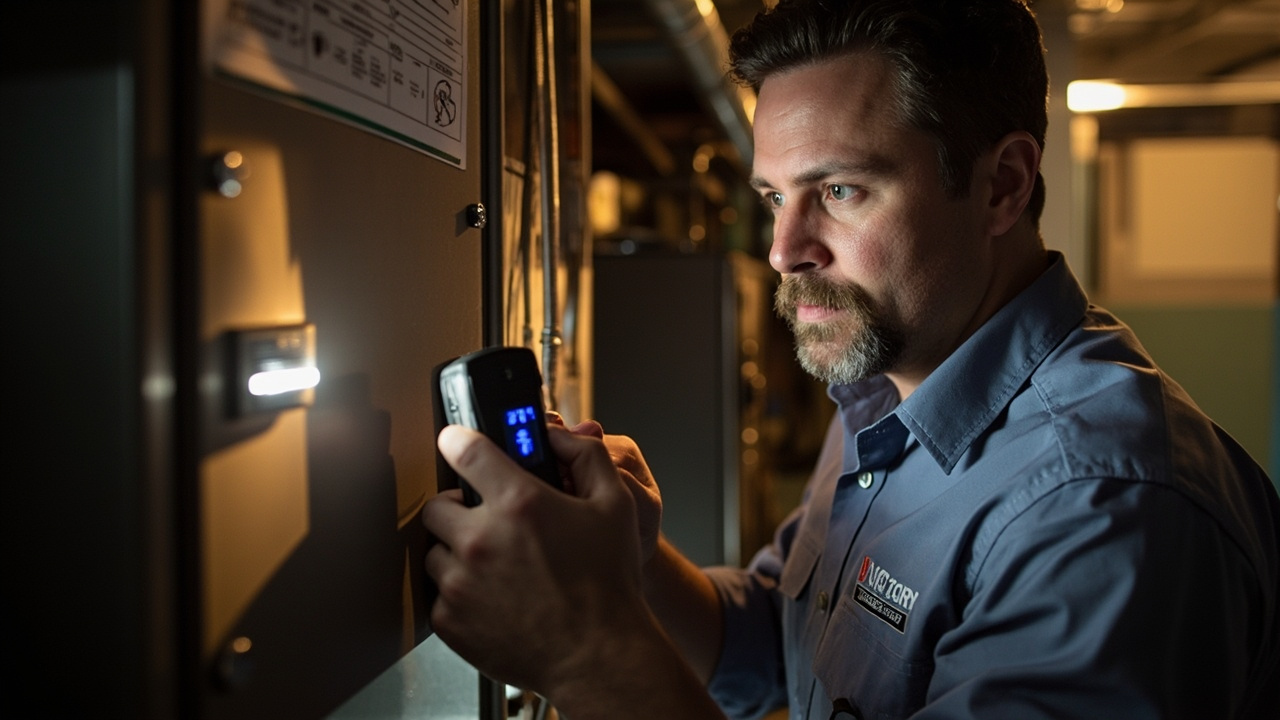
Baltimore City and Baltimore County enforce carbon monoxide detector requirements under local amendments to the International Residential Code. Any home with fuel-burning appliances or an attached garage must have working CO detectors on every level and outside sleeping areas. Victory HVAC Baltimore technicians stay current on these local code requirements and understand how Baltimore's Building Inspection Department enforces compliance during rental inspections and property transfers. When we perform emergency carbon monoxide testing, we verify your detectors meet current code placement standards. Our familiarity with local building inspectors and common citation issues means you receive guidance that keeps you compliant while prioritizing safety.