


Baltimore sits in a humid subtropical climate zone where temperatures swing from below freezing to above 90 degrees. Summer humidity regularly hits 70 percent, forcing air conditioners to work overtime removing moisture and heat. The Chesapeake Bay influence creates damp conditions that stress heating systems during winter months when temperatures drop into the 20s.
These extreme swings between seasons put massive strain on HVAC equipment. Units cycle on and off constantly, wearing down compressors, blower motors, and heat exchangers faster than in milder climates. The salt air from the harbor accelerates corrosion on outdoor condenser units, especially in neighborhoods like Fells Point, Canton, and Locust Point near the waterfront.
Baltimore's older housing stock, particularly the historic rowhomes in neighborhoods like Federal Hill and Mount Vernon, often have aging ductwork and undersized systems that struggle to maintain comfort. Many of these homes lack proper insulation, forcing heating and cooling systems to run longer cycles. When a system fails here, it's not just uncomfortable. It creates risk during temperature extremes that can damage pipes, affect air quality, and make homes unlivable.
Victory HVAC Baltimore has served the greater Baltimore metro for over 15 years, building a reputation for fast response and permanent fixes. We're not a franchise operation running on scripts. We're local technicians who understand how Baltimore's climate, housing types, and infrastructure affect heating and cooling systems.
Our technicians average 12 years of field experience and receive ongoing training on new equipment, refrigerant regulations, and diagnostic technology. We invest in advanced tools like thermal imaging cameras and digital manifold gauges that identify problems other companies miss. When we diagnose a failed capacitor or refrigerant leak, we explain what happened, why it happened, and what it takes to prevent it from happening again.
We stock our service vehicles with over 200 common parts for residential and light commercial systems. That means we complete most repairs on the first visit without return trips or waiting for parts orders. For furnace repairs during winter or air conditioner failures during summer, this speed matters. You're not waiting three days for a part while your home becomes unlivable.
Our pricing is transparent before we start work. We provide written estimates that break down labor, parts, and any permits required for the job. No hidden fees, no surprise charges after we finish. If we find additional problems during a repair, we stop and explain your options before proceeding. You control the decision and the budget.
We also maintain relationships with equipment manufacturers that give us access to technical support and warranty coverage other contractors can't offer. When a complex problem requires factory input, we get answers fast. That expertise protects your investment and ensures repairs last.

When your system fails, we dispatch immediately. Our trucks are strategically positioned across Baltimore to reach you within 60 minutes of your call. We answer phones 24/7, including holidays, because heating and cooling emergencies don't wait for business hours. No answering services, no callbacks in the morning.

Our trucks carry over 200 common HVAC parts for all major brands. Capacitors, contactors, blower motors, thermostats, refrigerant, and control boards are already on board when we arrive. That means we fix most problems on the first visit without return trips or parts delays. You get comfort restored fast.
Every Victory HVAC technician holds current Maryland HVAC licensing and EPA certification for refrigerant handling. We carry full liability insurance and workers compensation coverage. That protects you if something goes wrong during service. You're hiring qualified professionals, not unlicensed helpers learning on your equipment.
We understand how Baltimore's humidity, salt air, and temperature swings affect HVAC equipment. We know which systems hold up in waterfront neighborhoods and which fail in older rowhomes. That local knowledge means better recommendations for repairs, replacements, and maintenance schedules specific to your location.
Victory HVAC Baltimore provides full-spectrum heating and cooling services for residential and light commercial properties across the city. We handle emergency breakdowns, routine maintenance, complete system replacements, and indoor air quality improvements. Our service range covers forced air systems, heat pumps, ductless mini-splits, boilers, and radiant heating.
We service all major equipment brands including Carrier, Trane, Lennox, Rheem, Goodman, York, and Bryant. Whether you have a 30-year-old furnace in a Canton rowhome or a new heat pump system in a Homeland renovation, we have the diagnostic tools and parts access to keep it running. Our technicians receive regular training updates on equipment changes, refrigerant phase-outs, and smart thermostat integration.
Our services are organized into three main categories based on urgency and scope. Emergency repairs address active failures that leave you without heating or cooling. Preventive maintenance keeps systems running efficiently and catches problems before they cause breakdowns. System replacements and upgrades handle equipment that's beyond repair or no longer meets your comfort needs. Each service category has specific protocols designed to deliver the right solution at the right time.
When your air conditioner stops cooling during a heat wave or your furnace quits on a freezing night, you need immediate help. We respond to emergency calls 24 hours a day, seven days a week. Our technicians diagnose the failure, explain what broke and why, and complete repairs on the spot when possible. We handle compressor failures, refrigerant leaks, blower motor burnouts, thermostat malfunctions, frozen coils, and electrical failures. Our service vehicles carry common replacement parts for fast repairs without return visits.
Regular maintenance catches small problems before they become expensive failures. We inspect, clean, and tune your heating and cooling systems to maintain peak efficiency and reliability. Service includes filter replacement, coil cleaning, refrigerant level checks, electrical connection testing, blower motor lubrication, and safety control verification. We test system performance under load and identify worn components that need attention. Scheduled maintenance reduces energy bills, prevents sudden breakdowns, and extends equipment life by years.
When repair costs approach replacement value or your equipment is over 15 years old, replacement makes financial sense. We handle complete system installations including equipment selection, load calculations, ductwork modifications, electrical upgrades, and permit processing. We recommend properly sized equipment based on your home's square footage, insulation levels, and layout. Installation includes startup, system testing, thermostat programming, and warranty registration. We explain maintenance requirements and answer questions about your new system's features and controls.
Baltimore's climate creates specific challenges for heating and cooling equipment. The combination of hot, humid summers and cold winters forces systems to work harder than in milder regions. Salt air from the Chesapeake Bay corrodes outdoor components. Older homes with outdated ductwork and minimal insulation stress equipment beyond design limits.
These regional factors create recurring problems we see across the city. Compressors fail from constant cycling in humid weather. Heat exchangers crack from thermal stress during temperature swings. Ductwork in older rowhomes develops leaks that waste conditioned air. Drainage systems clog from high moisture loads during summer months. Understanding these common issues helps homeowners recognize warning signs before complete system failure occurs. Many problems start with subtle symptoms like reduced airflow, strange noises, or higher utility bills. Catching these early prevents emergency breakdowns during extreme weather when you need your system most.
Baltimore's summer humidity overwhelms undersized air conditioners that can't remove moisture effectively. Indoor humidity above 60 percent creates mold growth in ductwork and living spaces. We address this by verifying proper system sizing, checking refrigerant charge, cleaning evaporator coils, and testing condensate drainage. Some homes benefit from supplemental dehumidification equipment.
Air conditioners that ice up can't cool your home. Causes include low refrigerant from leaks, restricted airflow from dirty filters, or blower motor problems. Ice buildup forces the system to shut down until it thaws. We diagnose the root cause, repair leaks, restore refrigerant charge, and verify airflow meets manufacturer specifications. Ignoring frozen coils damages compressors.
Furnace heat exchangers crack from repeated thermal expansion and contraction during Baltimore's heating season. Cracks allow combustion gases including carbon monoxide to enter your home's air supply. We test for cracks using inspection cameras and combustion analysis. Cracked heat exchangers require immediate furnace replacement for safety. This is not repairable.
Salt air from the harbor accelerates corrosion on condenser units, especially in waterfront neighborhoods. Corroded coils reduce heat transfer efficiency and eventually leak refrigerant. We assess corrosion damage, clean coils when salvageable, and recommend replacement when deterioration affects performance. Coastal properties benefit from corrosion-resistant coil coatings during installation.
When you contact Victory HVAC Baltimore, you talk directly to our dispatch team, not an answering service. We gather information about your problem, schedule a service window, and provide an estimated arrival time. For emergencies, we dispatch the nearest available technician immediately.
Our technicians arrive in marked vehicles with your service request details already loaded. They introduce themselves, verify the problem, and begin diagnosis. We use systematic troubleshooting to identify root causes, not just symptoms. If your air conditioner isn't cooling, we don't just add refrigerant. We find out why it's low and fix the leak.
Before starting repairs, we explain what failed, why it happened, and what's required to fix it permanently. We provide written estimates that break down parts and labor costs. You approve the work before we proceed. After completing repairs, we test system performance, verify safety controls, and answer questions about operation and maintenance. We clean up our work area and remove all debris and packaging materials.
We explain technical problems in plain language without jargon or pressure tactics. You'll understand what broke, why it matters, and what your options are for repair or replacement. We answer questions thoroughly and provide honest recommendations based on your equipment's age, condition, and remaining service life. If a repair doesn't make financial sense, we tell you. Our goal is making informed decisions, not maximizing invoice totals.
Our technicians carry advanced diagnostic tools including digital manifolds, amp meters, thermal cameras, and inspection scopes. These tools identify problems quickly and accurately. Combined with fully stocked service vehicles, we complete most repairs on the first visit. You won't wait days for parts or schedule multiple appointments. We value your time and understand that HVAC failures disrupt your home and schedule.
All repairs include a workmanship guarantee. If a problem returns due to our service, we return and fix it at no charge. We also provide follow-up contact to verify your system is performing as expected. You're not abandoned after we leave. Our relationship continues beyond the invoice. We want you comfortable and confident in your heating and cooling systems.
We've streamlined our service process to eliminate confusion and delays. From your first call to final system testing, every step has a clear purpose designed to restore your comfort fast.
Call (443) 390-4933 and describe your HVAC problem to our dispatch team. We gather details about your symptoms, equipment type, and location. For emergencies, we dispatch immediately with a 60-minute arrival target. For scheduled service, we provide appointment windows and confirmation calls. You receive the technician's name and mobile number so you can track arrival time.
Our technician inspects your system, runs diagnostic tests, and identifies the failure cause. We explain the problem, show you the failed component when possible, and provide a written repair estimate. You approve the work before we start. If we discover additional issues during repair, we stop and get approval before addressing them. No surprise charges appear on your invoice.
We complete the approved repairs using quality parts and proper installation methods. After repair, we test system performance under load, verify safety controls, check refrigerant pressures, and measure airflow. We don't leave until your system operates correctly. You receive documentation of work performed, parts installed, and maintenance recommendations. We answer questions and explain how to prevent similar problems.
Professional HVAC service in Baltimore requires understanding local codes, manufacturer specifications, and industry standards. Maryland follows the International Mechanical Code with state amendments that govern equipment installation, ventilation rates, and safety requirements. Baltimore City adds local provisions for historic properties and row home configurations common in neighborhoods like Bolton Hill and Remington.
All HVAC work requires permits when replacing equipment, modifying ductwork, or changing ventilation systems. Permit applications include load calculations proving proper equipment sizing based on Manual J methodology. Undersized systems run constantly and fail early. Oversized systems short cycle, waste energy, and don't control humidity. Proper sizing accounts for home square footage, insulation R-values, window areas, air infiltration rates, and Baltimore's outdoor design temperatures of 94 degrees for cooling and 13 degrees for heating.
Refrigerant handling requires EPA Section 608 certification. Technicians must recover old refrigerant before repairs, evacuate systems to remove moisture and air, and charge to manufacturer specifications using manifold gauges or electronic scales. Guessing refrigerant charge causes compressor damage and efficiency loss. We document refrigerant type, amounts added, and leak test results for every service call.
Air conditioning systems in Baltimore must achieve minimum SEER ratings set by federal efficiency standards. As of 2023, new central air conditioners require 14 SEER in Maryland. Heat pumps require 8.2 HSPF for heating efficiency. Higher ratings reduce operating costs but increase equipment prices. We help customers balance upfront investment against long-term energy savings based on actual usage patterns.
Combustion heating equipment must vent properly to prevent carbon monoxide accumulation. We test draft pressure, flue gas composition, and heat exchanger integrity on every furnace service. Baltimore's older homes often have deteriorated chimneys or blocked vents that create dangerous conditions. These aren't optional checks. They're life safety requirements.
HVAC equipment must match your home's heating and cooling load determined by Manual J calculations. This accounts for square footage, insulation, windows, orientation, and infiltration. Contractors who size equipment by square footage alone install wrong-sized systems that waste energy and fail prematurely. Proper calculations prevent short cycling and ensure adequate dehumidification.
Air conditioner performance depends on precise refrigerant charge within 5 percent of specifications. Low charge from leaks reduces capacity and efficiency while increasing compressor wear. Overcharge floods the compressor with liquid refrigerant causing damage. We verify charge using superheat and subcooling measurements, not guesswork. Proper charging requires accurate gauges and manufacturer data.
Gas furnaces and boilers produce carbon monoxide that must vent safely outdoors. We test draft pressure, flue gas spillage, and combustion air supply on every heating service call. Cracked heat exchangers, blocked vents, or inadequate combustion air create life-threatening conditions. These tests aren't optional. Maryland code requires annual inspection of combustion equipment for safety.
Baltimore requires permits for equipment replacement, duct modifications, and refrigerant line installations. Permits ensure work meets code requirements and includes proper inspections. Unpermitted work creates liability issues, violates insurance policies, and causes problems during home sales. We handle permit applications and coordinate inspections for all installations requiring city approval.
Victory HVAC Baltimore explains common heating and cooling system failures that affect Baltimore homeowners. This video covers why air conditioners freeze up during humid summers, what causes furnace heat exchangers to crack, and how salt air from the Chesapeake Bay corrodes outdoor equipment. Learn the warning signs of system failure, what to expect during emergency service calls, and how proper maintenance prevents breakdowns. Includes information about Baltimore's climate challenges, proper system sizing, and refrigerant regulations.
Victory HVAC Baltimore provides heating and cooling services across the entire Baltimore metro area. We serve the historic Inner Harbor waterfront where salt air challenges outdoor condenser units in neighborhoods like Fells Point, Canton, and Federal Hill. Our technicians understand the unique requirements of Baltimore's famous brick rowhomes that dominate communities like Hampden, Remington, and Bolton Hill. These narrow structures with shared walls require specific approaches to ductwork routing and equipment placement.
We regularly service properties in North Baltimore neighborhoods including Roland Park, Guilford, and Homeland where larger single-family homes demand higher-capacity systems and zoned climate control. Mount Washington and Cross Keys residents trust us for maintenance and repairs on both traditional forced air systems and newer heat pump installations. Our emergency response extends to East Baltimore communities including Patterson Park, Highlandtown, and Greektown where we've built long-term relationships with homeowners in the area's mix of rowhomes and renovated properties.
South Baltimore service includes Brooklyn, Curtis Bay, and the growing residential areas near the stadium district. We understand how proximity to the Patapsco River affects equipment longevity and maintenance requirements. West Baltimore communities including Edmondson Village, Windsor Hills, and Dickeyville receive the same fast response times and quality service as every other area we cover.
Our service area extends into Baltimore County including Towson, Catonsville, Dundalk, and Essex. We also respond to calls from Anne Arundel County communities near the Baltimore line. Geographic coverage matters because HVAC emergencies require fast response. We strategically position service vehicles across the metro to reach any location within 60 minutes during emergency calls.
Different areas of Baltimore present different challenges for HVAC systems. Waterfront properties deal with corrosion from salt air. Historic districts have restrictions on exterior equipment placement. Older neighborhoods have aging electrical services that sometimes require upgrades during system replacements. Newer developments in the surrounding counties often feature modern construction with higher efficiency requirements. We adapt our service approach to match these location-specific factors, providing solutions that work for your property type and neighborhood characteristics.
The $5000 rule helps you decide between repair or replacement. If your system is over 10 years old, multiply the repair cost by the system age. If the total exceeds $5000, replace the unit. For example, a $400 repair on a 15-year-old system equals $6000, so replacement makes sense. In Baltimore, where humidity and temperature swings stress older systems, this rule often favors replacement. A new system delivers better energy efficiency and reliability through our humid summers and freezing winters.
A new HVAC system in Maryland typically costs $5000 to $12000, depending on home size, equipment brand, and efficiency rating. Baltimore area homes often need 2.5 to 5-ton systems. Higher SEER ratings cost more upfront but reduce cooling bills during humid Mid-Atlantic summers. Ductwork replacement, zoning, or structural modifications increase costs. Gas furnaces paired with air conditioners suit our cold winters better than heat pumps alone. Get multiple quotes and confirm contractors are licensed in Maryland to avoid code violations.
A 3000 square foot house in Baltimore typically needs a 3.5 to 5-ton HVAC system, costing $8000 to $15000 installed. Variables include ceiling height, insulation quality, window age, and sun exposure. Two-story colonials common in Baltimore County may need zoning for balanced comfort. Older homes with poor insulation require larger capacity. A proper Manual J load calculation accounts for Baltimore's humid summers and cold winters. Oversizing wastes energy and causes humidity problems, while undersizing leaves you uncomfortable.
The $5000 rule helps you decide between repair or replacement. If your system is over 10 years old, multiply the repair cost by the system age. If the total exceeds $5000, replace the unit. For example, a $400 repair on a 15-year-old system equals $6000, so replacement makes sense. In Baltimore, where humidity and temperature swings stress older systems, this rule often favors replacement. A new system delivers better energy efficiency and reliability through our humid summers and freezing winters.
A new HVAC system in Maryland typically costs $5000 to $12000, depending on home size, equipment brand, and efficiency rating. Baltimore area homes often need 2.5 to 5-ton systems. Higher SEER ratings cost more upfront but reduce cooling bills during humid Mid-Atlantic summers. Ductwork replacement, zoning, or structural modifications increase costs. Gas furnaces paired with air conditioners suit our cold winters better than heat pumps alone. Get multiple quotes and confirm contractors are licensed in Maryland to avoid code violations.
A 3000 square foot house in Baltimore typically needs a 3.5 to 5-ton HVAC system, costing $8000 to $15000 installed. Variables include ceiling height, insulation quality, window age, and sun exposure. Two-story colonials common in Baltimore County may need zoning for balanced comfort. Older homes with poor insulation require larger capacity. A proper Manual J load calculation accounts for Baltimore's humid summers and cold winters. Oversizing wastes energy and causes humidity problems, while undersizing leaves you uncomfortable.
A 2000 square foot house typically needs a 2.5 to 3.5-ton air conditioner in Baltimore. Exact sizing depends on insulation, window efficiency, home orientation, and ductwork condition. Baltimore's humid climate and 90-degree summer peaks require proper dehumidification, not just cooling. An oversized unit short-cycles, leaving your home clammy. An undersized unit runs constantly and fails to cool. A Manual J calculation considers your specific home, not just square footage. Proper sizing saves energy and extends equipment life.
Your HVAC may qualify for federal tax credits if it meets efficiency standards. As of 2024, heat pumps, central AC units with SEER2 ratings above 16, and gas furnaces with AFUE above 97% qualify for up to $2000. You must own your Baltimore home and install the system in your primary residence. Keep manufacturer certification and contractor receipts. Maryland may offer additional state rebates. Check IRS Form 5695 and BGE rebate programs for current requirements, as these change annually.
The 3-minute rule prevents compressor damage. After your AC shuts off, wait at least 3 minutes before restarting. This allows refrigerant pressure to equalize between the high and low sides of the system. Starting too soon forces the compressor to work against high pressure, causing wear and potential failure. Modern thermostats have built-in delay timers. In Baltimore's stop-and-go summer storms with power flickers, this protection keeps your compressor from burning out during voltage fluctuations.
HVAC for a 2000 square foot house in Baltimore typically costs $6000 to $10000 installed. This includes a 2.5 to 3.5-ton air conditioner paired with a gas furnace. Variables include equipment brand, SEER rating, ductwork condition, and installation complexity. Homes in older Baltimore neighborhoods may need electrical upgrades or duct modifications. Higher efficiency systems cost more but reduce energy bills during humid summers and cold winters. Get three quotes and verify Maryland contractor licensing before committing.
HVAC systems last 15 to 20 years in Baltimore with proper maintenance. Air conditioners typically last 15 to 18 years, while gas furnaces reach 18 to 22 years. Baltimore's high humidity and freeze-thaw cycles stress systems more than moderate climates. Skipping annual maintenance cuts lifespan by years. Salt air near the harbor corrodes outdoor units faster. Replace filters every 90 days minimum. Systems installed in the 2000s are nearing replacement age now. Signs include frequent repairs, rising energy bills, and uneven temperatures.
HVAC replacement costs reflect specialized equipment, skilled labor, and Baltimore code compliance. Modern systems contain expensive components like variable-speed compressors, electronic controls, and high-efficiency heat exchangers. Installation requires refrigerant certification, electrical work, ductwork modification, and permits. Baltimore's older housing stock often needs structural adaptations. Labor costs are high because trained technicians need years of experience. You pay for reliability during 95-degree August humidity and 15-degree January nights. Cheap installations fail early and cost more long-term.
October through April offers the best HVAC prices in Baltimore. Contractors are less busy after cooling season ends and before spring demand spikes. You get better scheduling flexibility and potentially lower rates. Fall installations let you test heating before winter arrives. Avoid June through August when emergency replacements drive up prices and wait times. Some manufacturers offer rebates in shoulder seasons. Plan ahead if your system is 12-plus years old. Replacing before failure gives you negotiating power and prevents emergency pricing.
A 2000 square foot house typically needs a 2.5 to 3.5-ton air conditioner in Baltimore. Exact sizing depends on insulation, window efficiency, home orientation, and ductwork condition. Baltimore's humid climate and 90-degree summer peaks require proper dehumidification, not just cooling. An oversized unit short-cycles, leaving your home clammy. An undersized unit runs constantly and fails to cool. A Manual J calculation considers your specific home, not just square footage. Proper sizing saves energy and extends equipment life.
Your HVAC may qualify for federal tax credits if it meets efficiency standards. As of 2024, heat pumps, central AC units with SEER2 ratings above 16, and gas furnaces with AFUE above 97% qualify for up to $2000. You must own your Baltimore home and install the system in your primary residence. Keep manufacturer certification and contractor receipts. Maryland may offer additional state rebates. Check IRS Form 5695 and BGE rebate programs for current requirements, as these change annually.
The 3-minute rule prevents compressor damage. After your AC shuts off, wait at least 3 minutes before restarting. This allows refrigerant pressure to equalize between the high and low sides of the system. Starting too soon forces the compressor to work against high pressure, causing wear and potential failure. Modern thermostats have built-in delay timers. In Baltimore's stop-and-go summer storms with power flickers, this protection keeps your compressor from burning out during voltage fluctuations.
HVAC for a 2000 square foot house in Baltimore typically costs $6000 to $10000 installed. This includes a 2.5 to 3.5-ton air conditioner paired with a gas furnace. Variables include equipment brand, SEER rating, ductwork condition, and installation complexity. Homes in older Baltimore neighborhoods may need electrical upgrades or duct modifications. Higher efficiency systems cost more but reduce energy bills during humid summers and cold winters. Get three quotes and verify Maryland contractor licensing before committing.
HVAC systems last 15 to 20 years in Baltimore with proper maintenance. Air conditioners typically last 15 to 18 years, while gas furnaces reach 18 to 22 years. Baltimore's high humidity and freeze-thaw cycles stress systems more than moderate climates. Skipping annual maintenance cuts lifespan by years. Salt air near the harbor corrodes outdoor units faster. Replace filters every 90 days minimum. Systems installed in the 2000s are nearing replacement age now. Signs include frequent repairs, rising energy bills, and uneven temperatures.
HVAC replacement costs reflect specialized equipment, skilled labor, and Baltimore code compliance. Modern systems contain expensive components like variable-speed compressors, electronic controls, and high-efficiency heat exchangers. Installation requires refrigerant certification, electrical work, ductwork modification, and permits. Baltimore's older housing stock often needs structural adaptations. Labor costs are high because trained technicians need years of experience. You pay for reliability during 95-degree August humidity and 15-degree January nights. Cheap installations fail early and cost more long-term.
October through April offers the best HVAC prices in Baltimore. Contractors are less busy after cooling season ends and before spring demand spikes. You get better scheduling flexibility and potentially lower rates. Fall installations let you test heating before winter arrives. Avoid June through August when emergency replacements drive up prices and wait times. Some manufacturers offer rebates in shoulder seasons. Plan ahead if your system is 12-plus years old. Replacing before failure gives you negotiating power and prevents emergency pricing.
Easily locate Victory HVAC and our service areas on the map below. We are strategically positioned to provide prompt and efficient heating, ventilation, and air conditioning services across the entire region. Whether you're seeking a new installation, emergency repair, or routine maintenance, our team is readily available to reach your location quickly, ensuring your comfort is restored without delay. Feel free to zoom in to see our exact location or contact us for directions and service area details.
Address:
Baltimore, MD, 21202
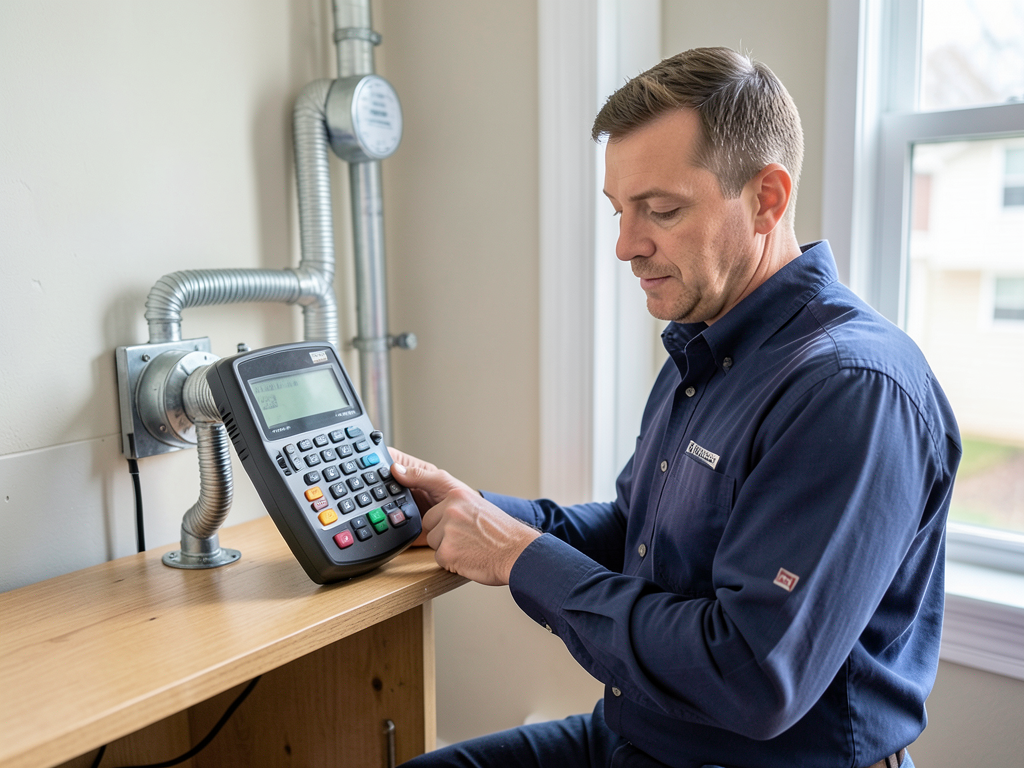
Why Moving Your HVAC Vents Might Be Necessary During a Home Remodel in Anneslie Planning a home remodel in Anneslie often means rethinking your HVAC system layout. Whether you're knocking down walls to create an…
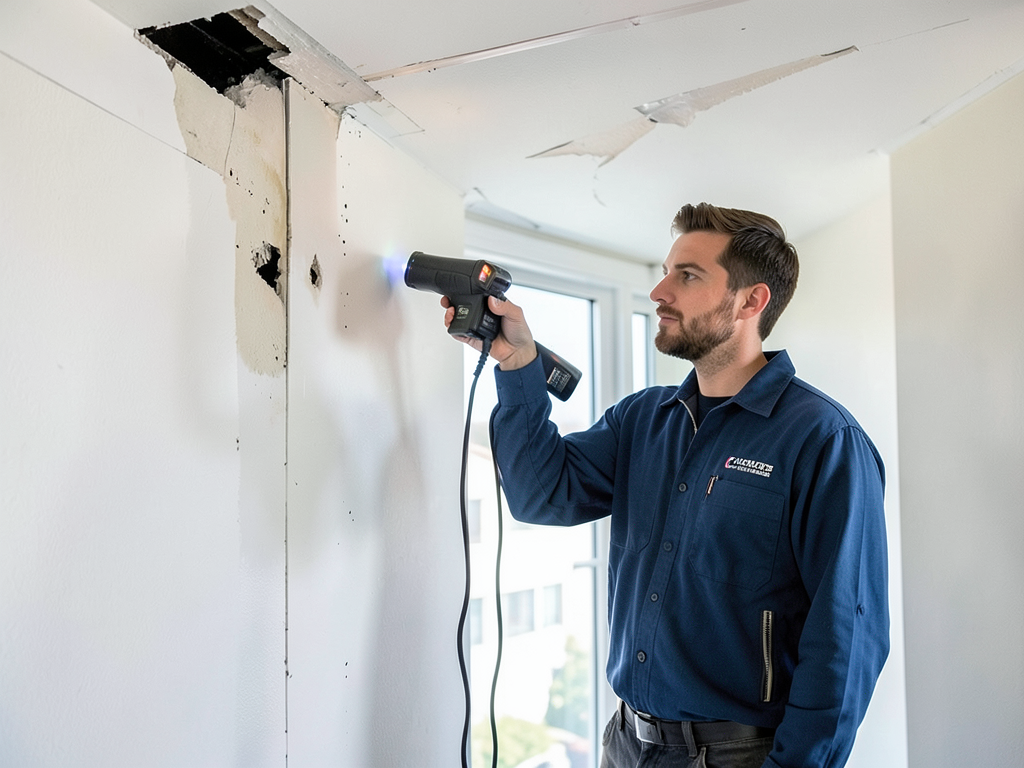
How to Fix Drafty Rooms and High Air Velocity in Your Cross Keys Condo Feeling…
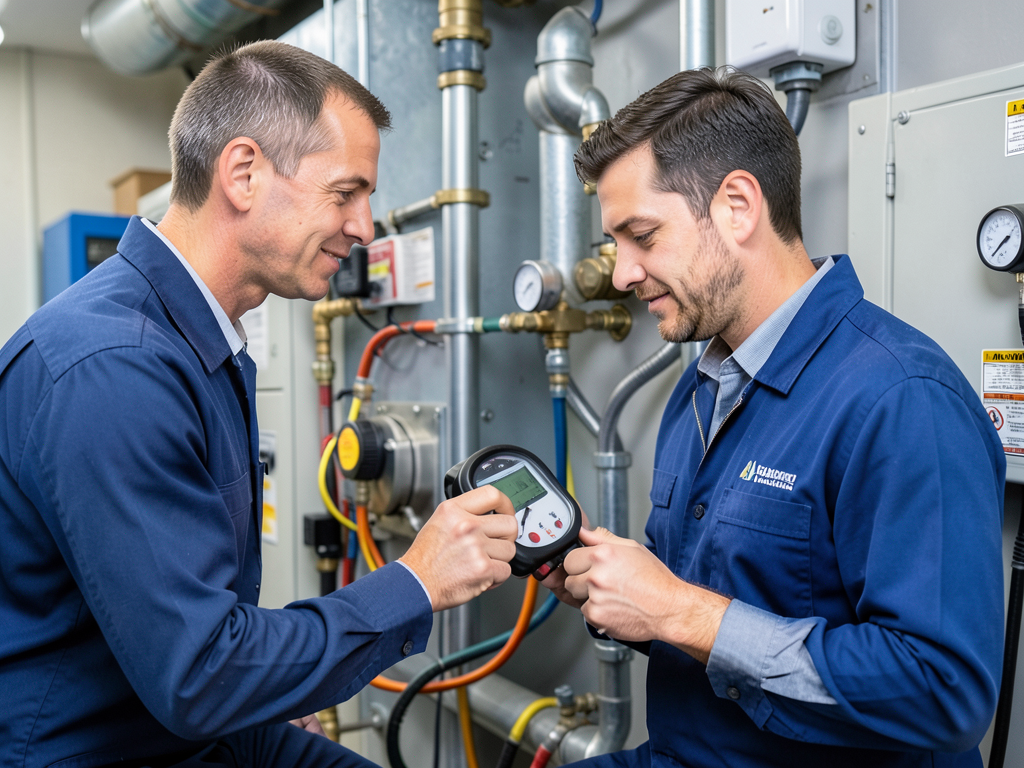
Why Your BGE Bill Is So High and How Your HVAC System Is Likely to…
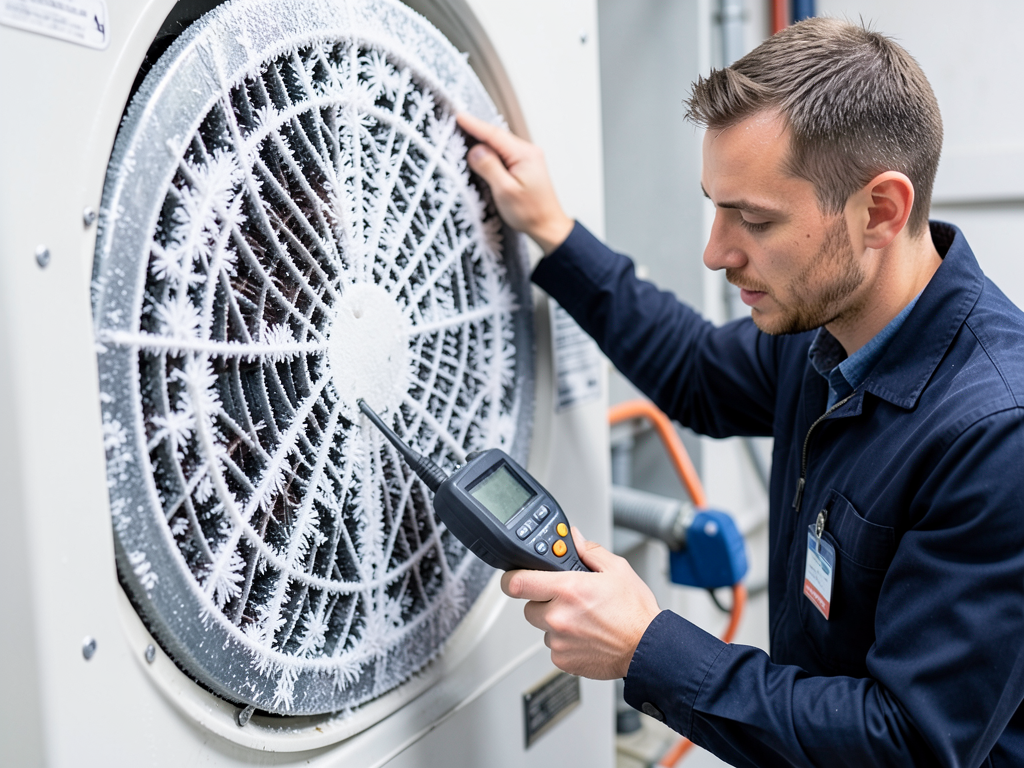
Why Your Reisterstown Heat Pump Is Covered in Ice and How to Fix It Your…
Your comfort matters. Call Victory HVAC Baltimore now at (443) 390-4933 for emergency repairs or scheduled service. We answer 24/7, dispatch fast, and fix heating and cooling problems right the first time. Don't wait until a small problem becomes a complete system failure.