Menu

Signs of Carbon Monoxide in Baltimore – Recognize the Warning Signs Before It's Too Late

Learn how to identify carbon monoxide symptoms, carbon monoxide poisoning symptoms, and indicators of carbon monoxide in your Baltimore home before this silent threat causes serious harm to your family.

Slider Image 1
Slider Image 2
Slider Image 3
Slider Image 4
Slider Image 5
Slider Image 7
Slider Image 8
Slider Image 9
Slider Image 10
Slider Image 11

Why Carbon Monoxide Is a Hidden Danger in Baltimore Homes

Carbon monoxide is a colorless, odorless gas that can kill you before you even know there's a problem. In Baltimore, where older row homes and historic properties often have aging heating systems and limited ventilation, the risk of carbon monoxide exposure increases significantly during the heating season.

Baltimore's climate demands heavy furnace use from October through April. When your heating system operates in a confined space with inadequate ventilation, combustion byproducts can accumulate. Many Baltimore homes were built before modern building codes required proper venting and carbon monoxide detectors. The combination of brick construction, sealed windows for energy efficiency, and outdated HVAC equipment creates the perfect environment for carbon monoxide buildup.

The carbon monoxide warning signs often mimic flu symptoms, which leads many Baltimore residents to dismiss them during cold and flu season. You might experience headaches, dizziness, nausea, confusion, or fatigue. These carbon monoxide symptoms typically worsen when you're inside and improve when you leave the house. If multiple family members feel sick simultaneously without an obvious cause, you're seeing indicators of carbon monoxide poisoning.

Carbon monoxide poisoning symptoms escalate quickly. Early signs include shortness of breath, chest pain, and vision problems. Severe exposure causes loss of consciousness and death. Pets often show carbon monoxide poisoning symptoms before humans because of their smaller body mass and faster breathing rates. If your dog or cat seems lethargic or disoriented, check for signs of a carbon monoxide leak immediately.

Your furnace, water heater, gas stove, fireplace, and any fuel-burning appliance can produce carbon monoxide when something goes wrong. A cracked heat exchanger, blocked flue, or inadequate combustion air supply turns your heating system into a silent killer.

Why Carbon Monoxide Is a Hidden Danger in Baltimore Homes
How HVAC Systems Produce Carbon Monoxide and What Goes Wrong

How HVAC Systems Produce Carbon Monoxide and What Goes Wrong

Carbon monoxide forms when fuel burns without enough oxygen. Your furnace needs a specific air-to-fuel ratio for complete combustion. When that balance shifts, incomplete combustion produces carbon monoxide instead of harmless carbon dioxide.

The heat exchanger in your furnace separates combustion gases from the air that heats your home. This metal chamber endures extreme temperature cycles every heating season. Over time, metal fatigue causes hairline cracks. These cracks allow carbon monoxide to escape into your living space instead of venting safely outside. You cannot see these cracks during a casual inspection. A cracked heat exchanger is one of the most dangerous failures in residential HVAC systems.

Blocked or damaged flue pipes prevent proper venting. Bird nests, debris, or structural deterioration can obstruct the path that removes combustion gases from your home. When exhaust gases cannot escape, they backdraft into your living space. Baltimore's freeze-thaw cycles damage masonry chimneys and metal vent pipes, creating blockages that trap deadly carbon monoxide inside.

Inadequate combustion air supply causes similar problems. Modern homes are tightly sealed for energy efficiency, but your furnace needs fresh air to burn fuel properly. When the furnace pulls air from inside your home without a makeup air source, it creates negative pressure. This negative pressure can draw exhaust gases back down the flue and into your house.

Improper installation or maintenance accelerates these failures. A furnace installed without proper clearances, a disconnected vent pipe, or a dirty burner assembly can produce carbon monoxide immediately. Regular maintenance catches these problems before they become life-threatening. Annual inspections include combustion analysis, heat exchanger examination, and flue integrity testing. These tests measure carbon monoxide levels in your exhaust and identify problems you cannot see or smell.

What to Do When You Suspect Carbon Monoxide in Your Baltimore Home

Signs of Carbon Monoxide in Baltimore – Recognize the Warning Signs Before It's Too Late
01

Evacuate Immediately

Get everyone out of the house right now. Do not stop to investigate, gather belongings, or turn off appliances. Carbon monoxide poisoning symptoms worsen with every breath you take. Move to fresh air and call 911 from outside. If anyone shows signs of carbon monoxide exposure like confusion, chest pain, or loss of consciousness, they need emergency medical treatment. Baltimore Fire Department has carbon monoxide detection equipment and will clear your home before you return.
02

Professional Testing and Diagnosis

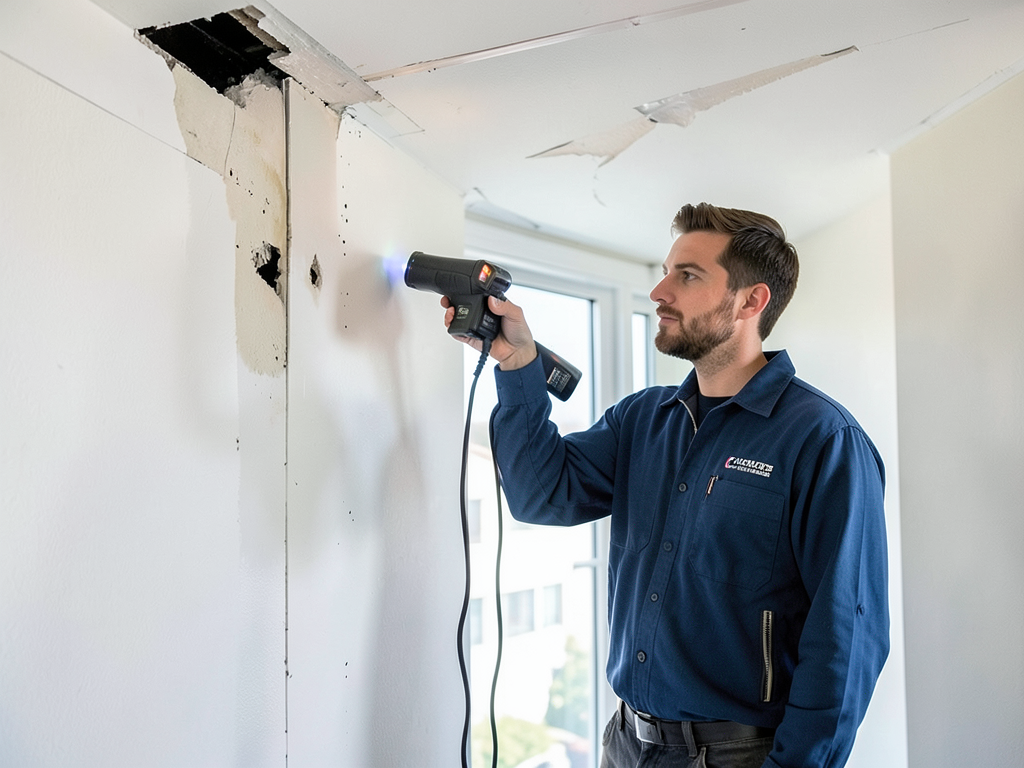
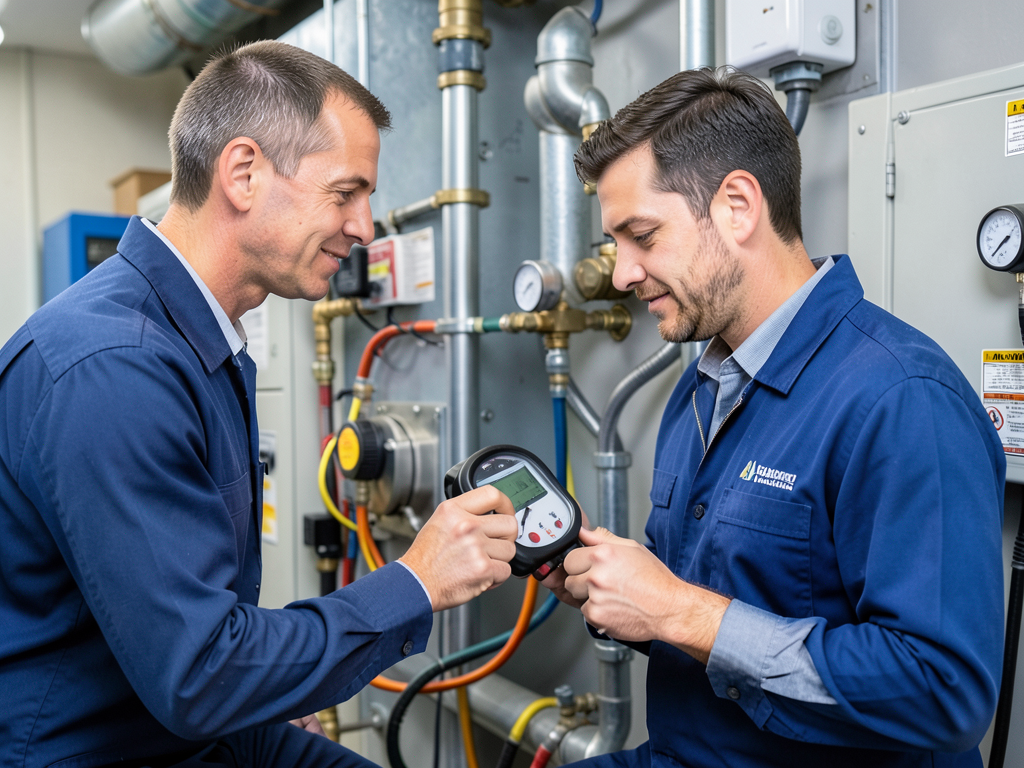
After emergency responders clear your home, you need an HVAC technician to find the source. We use digital combustion analyzers that measure carbon monoxide in parts per million. These tools identify leaks you cannot detect with standard carbon monoxide detectors. We test every fuel-burning appliance, inspect heat exchangers with fiber optic cameras, and check flue integrity with draft gauges. The diagnostic process reveals whether you need repair, replacement, or immediate equipment shutdown.
03

Repair and Prevention

Once we identify the problem, we fix it before you return home. Common repairs include heat exchanger replacement, flue pipe repair, burner cleaning, and ventilation system upgrades. We install carbon monoxide detectors on every level of your home if you don't already have them. We also provide maintenance plans that include annual carbon monoxide testing. Prevention is cheaper than emergency repair and infinitely better than a trip to the hospital.

Why Baltimore Homeowners Trust Victory HVAC for Carbon Monoxide Safety

Victory HVAC Baltimore specializes in the unique heating challenges of Baltimore homes. We work on everything from Canton row homes to Guilford mansions, and we understand how different building styles affect carbon monoxide risk. Older homes need different safety protocols than new construction.

Baltimore's housing stock includes thousands of properties built before 1950. These homes have heating systems retrofitted into spaces designed for coal heat. The transition to gas and oil created ventilation compromises that persist today. We know which neighborhoods have the highest concentration of older homes and which heating system configurations create the most risk.

Our technicians carry combustion analyzers on every service call. We don't wait for you to request carbon monoxide testing. We test automatically because we've seen too many close calls. Carbon monoxide detection is part of our standard diagnostic procedure for every furnace, boiler, and water heater we service.

We work directly with Baltimore City building inspectors and understand local code requirements for heating system installation and ventilation. When we replace a heat exchanger or install a new furnace, we pull permits and schedule inspections. This protects you from liability and ensures your system meets current safety standards.

You need a contractor who responds fast when you have a carbon monoxide emergency. We answer our phones 24 hours a day because heating emergencies don't follow business hours. When you call with carbon monoxide symptoms or detector alarms, we dispatch a technician immediately. Our response time averages under two hours for emergency calls in the Baltimore metro area.

We also provide education. Many homeowners don't understand what carbon monoxide is, where it comes from, or how to prevent it. We explain the science in plain language and show you exactly what's wrong with your equipment. Knowledge protects your family as much as functional equipment does.

What You Need to Know About Carbon Monoxide Detection and Prevention

Immediate Response Time

Carbon monoxide emergencies require immediate attention. We prioritize these calls above routine service. When you call with suspected carbon monoxide exposure, we dispatch a technician within two hours anywhere in Baltimore City and the surrounding counties. Our trucks carry combustion analysis equipment, replacement parts for common failures, and temporary heating solutions if we need to shut down your system. We also coordinate with Baltimore Fire Department when necessary. You should never sleep in a house with active carbon monoxide danger, and we work quickly to either fix the problem or arrange alternative heating.

Comprehensive Safety Testing

Our carbon monoxide inspection covers every potential source in your home. We test furnaces, boilers, water heaters, gas ranges, fireplaces, and any other fuel-burning appliance. We use electronic combustion analyzers that measure carbon monoxide concentrations in real time. These devices detect problems before they trigger your carbon monoxide alarm. We also inspect heat exchangers with fiber optic cameras to find cracks invisible to the naked eye. Draft testing confirms your flue system removes combustion gases properly. We provide a written report that documents carbon monoxide levels and identifies any equipment that needs repair or replacement.

Proper Equipment Installation

Correct installation prevents carbon monoxide problems before they start. When we replace a furnace or water heater, we verify proper combustion air supply, flue sizing, and venting configuration. We install carbon monoxide detectors in locations that comply with Baltimore City code and manufacturer specifications. We pull permits for all equipment replacement and schedule required inspections. Our installations include startup combustion testing to verify your new equipment operates safely. You receive documentation that proves your heating system meets current safety standards. This protects your family and satisfies insurance requirements if you ever need to file a claim.

Annual Maintenance Plans

Prevention is the best protection against carbon monoxide poisoning. Our maintenance plans include annual safety inspections with carbon monoxide testing for all fuel-burning equipment. We check heat exchangers, clean burners, test venting systems, and verify proper combustion before every heating season. Members receive priority scheduling and discounted repair rates if we find problems during inspection. We also replace carbon monoxide detector batteries and test alarm function during each visit. Regular maintenance catches small problems before they become dangerous failures. Most carbon monoxide emergencies we respond to could have been prevented with annual service.

Frequently Asked Questions

You Have Questions,
We Have Answers

What are signs of carbon monoxide in the house? +

Physical symptoms appear first. Watch for persistent headaches, dizziness, nausea, or confusion affecting multiple people in your home. You might notice flu-like symptoms that improve when you leave the house. Check your furnace flame, it should burn blue, not yellow or orange. Listen for unusual sounds from your heating system. In Baltimore homes with older HVAC equipment, soot buildup around appliances signals incomplete combustion. Your carbon monoxide detector is your first line of defense. If it sounds, evacuate immediately and call 911. Never ignore beeping alarms or assume they are malfunctioning.

How quickly will you know if you have carbon monoxide poisoning? +

Timing depends on concentration levels. Low-level exposure causes mild headaches and fatigue within hours. Moderate exposure triggers nausea, confusion, and chest pain within 30 to 60 minutes. High concentrations cause unconsciousness within minutes and can be fatal. Baltimore winters mean sealed homes with running furnaces, accelerating exposure. You might dismiss early symptoms as seasonal illness. Children and elderly residents show symptoms faster than healthy adults. If multiple household members feel sick simultaneously, especially during heating season, suspect carbon monoxide. Immediate evacuation and medical attention are critical. Testing blood carboxyhemoglobin levels confirms poisoning.

How can I check if I have carbon monoxide? +

Install UL-listed carbon monoxide detectors on every floor, especially near sleeping areas. Test detectors monthly and replace batteries twice yearly. Purchase a low-level CO monitor for early detection, standard models only alarm at dangerous thresholds. Schedule annual furnace inspections before Baltimore heating season starts. Technicians use combustion analyzers to measure exact CO levels from your equipment. Never use portable generators indoors or run vehicles in attached garages. If you suspect exposure, open windows, evacuate everyone, and call emergency services. Firefighters carry detection equipment to measure ambient CO levels throughout your home.

What gas is known as the silent killer? +

Carbon monoxide earns the name silent killer. This colorless, odorless gas provides zero warning signs before poisoning occurs. You cannot see it, smell it, or taste it. Unlike natural gas, which utilities add odorants to, CO gives no sensory alert. Fuel-burning appliances produce carbon monoxide during incomplete combustion. Baltimore homes with gas furnaces, water heaters, or fireplaces face exposure risks. Blocked flues, cracked heat exchangers, or poor ventilation turn safe appliances dangerous. Symptoms mimic common illnesses, delaying recognition. Only working detectors provide protection. Every year, hundreds die from undetected exposure in their homes.

Can small amounts of carbon monoxide hurt you? +

Yes. Low-level exposure causes cumulative damage over time. You might experience chronic headaches, memory problems, difficulty concentrating, or persistent fatigue. Repeated exposure affects cardiovascular and neurological health. Baltimore residents running furnaces for months during winter face prolonged low-level risks if equipment malfunctions. Pregnant women, infants, elderly residents, and people with heart conditions suffer harm at lower concentrations than healthy adults. Your body cannot expel carbon monoxide quickly. It binds to hemoglobin 200 times more effectively than oxygen. Even small amounts reduce oxygen delivery to vital organs. Professional HVAC inspection identifies problems before chronic exposure occurs.

Can a phone app detect carbon monoxide? +

No. Phone apps claiming to detect carbon monoxide are ineffective and dangerous. Smartphones lack the specialized electrochemical sensors required for CO detection. These apps are gimmicks that provide false security. Never rely on your phone to protect your family. Purchase certified carbon monoxide detectors from hardware stores. Look for UL 2034 certification. Combination smoke and CO detectors save space while providing dual protection. Battery-operated models install without electrical work. Hardwired units with battery backup offer maximum reliability during Baltimore power outages. Digital displays show real-time CO levels. Replace detectors every five to seven years as sensors degrade.

How Baltimore's Old Housing Stock Increases Carbon Monoxide Risk

Baltimore has the highest concentration of row homes in the United States outside of Philadelphia. These attached homes were built between 1870 and 1950 with shared walls, minimal ventilation, and heating systems designed for coal. When these homes converted to gas or oil heat, contractors often compromised proper venting to work within the existing structure. The result is thousands of homes with undersized flues, inadequate combustion air, and heating equipment installed in confined spaces. Baltimore's brick construction also means many flue pipes run through masonry chimneys that have deteriorated over decades of freeze-thaw cycles. These conditions create carbon monoxide hazards that don't exist in suburban construction.

HVAC Services in The Baltimore Area

Easily locate Victory HVAC and our service areas on the map below. We are strategically positioned to provide prompt and efficient heating, ventilation, and air conditioning services across the entire region. Whether you're seeking a new installation, emergency repair, or routine maintenance, our team is readily available to reach your location quickly, ensuring your comfort is restored without delay. Feel free to zoom in to see our exact location or contact us for directions and service area details.

Address:
Victory HVAC Baltimore, 729 E Pratt St, Baltimore, MD, 21202

Additional Services We Offer

Our news updates

Latest Articles & News from The Blogs

The Best Time to Switch Your Guilford Home from Heating to Cooling Mode When should you flip that thermostat switch…

The Best Time to Switch Your Guilford Home from Heating to Cooling Mode

The Best Time to Switch Your Guilford Home from Heating to Cooling Mode When should you flip that thermostat switch…

How Much Space Does Your AC Unit Actually Need from Landscaping in Your Ruxton Yard?

How Much Space Does Your AC Unit Actually Need from Landscaping in Your Ruxton Yard? Your outdoor AC condenser needs…

Common Reasons Your Brooklyn Park AC Is Blowing Warm Air

Common Reasons Your Brooklyn Park AC Is Blowing Warm Air Your air conditioner is running but the air coming from…

Contact Us

Don't wait for symptoms or alarms to protect your family. Call Victory HVAC Baltimore at (443) 390-4933 right now for professional carbon monoxide testing. We respond to emergencies 24/7 and schedule routine safety inspections seven days a week.