
Protecting Your Family from Outside Smoke and Air Pollution in Turner Station
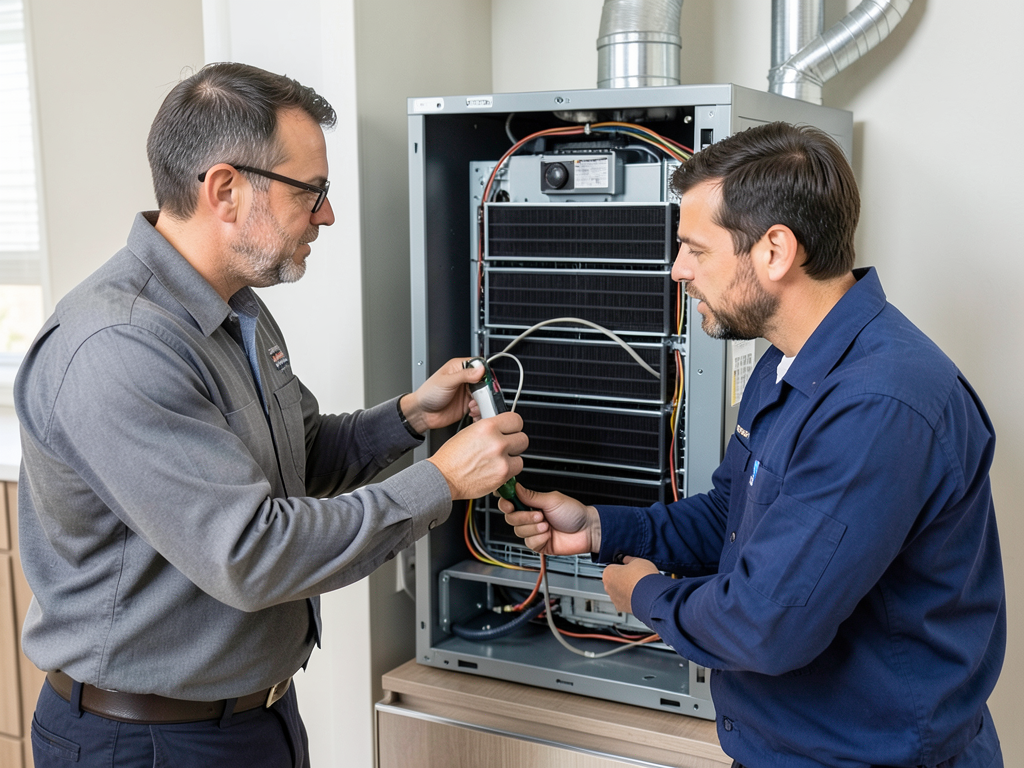
Turner Station faces unique air quality challenges from its proximity to industrial zones and major transportation corridors. The fine particulate matter from diesel trucks on nearby highways and emissions from the Port of Baltimore create a constant threat to indoor air quality. Your home’s HVAC system can become your first line of defense against these pollutants when properly equipped with advanced filtration technology.
Modern air purification systems integrated with your existing HVAC setup can remove up to 99.97% of airborne particles as small as 0.3 microns. This includes smoke particles, pollen, dust mites, and even some bacteria and viruses. For Turner Station families, this means breathing cleaner air while reducing allergy symptoms and protecting against the long-term health effects of urban pollution exposure. Why Pikesville Families are Switching to High Efficiency Heat Pumps.
Understanding Baltimore’s Air Quality Challenges
The Baltimore-Washington corridor experiences some of the highest levels of ground-level ozone and particulate matter in the Mid-Atlantic region. Turner Station’s location near the Patapsco River and industrial areas means residents deal with a unique cocktail of pollutants including nitrogen dioxide from vehicle exhaust, sulfur compounds from shipping operations, and seasonal pollen that can linger in the humid Maryland air. Maryland Department of the Environment Air Quality.
According to the Maryland Department of the Environment, Baltimore County frequently experiences air quality index readings in the moderate to unhealthy range during summer months. Fine particulate matter (PM2.5) levels often spike during temperature inversions when pollutants become trapped near ground level. These microscopic particles can penetrate deep into your lungs and even enter your bloodstream. EPA Indoor Air Quality Information.
How Your HVAC System Can Become an Air Purification Powerhouse
Standard HVAC filters only catch the largest particles, allowing most pollutants to circulate through your home. Upgrading to a high-efficiency system transforms your existing equipment into a comprehensive air purification solution. The key is selecting the right combination of technologies for your specific environmental challenges.
A properly designed system creates positive pressure inside your home, preventing outdoor pollutants from infiltrating through gaps around windows and doors. This pressure differential, combined with advanced filtration, can reduce indoor pollutant levels by up to 85% compared to outdoor air quality readings.
Filtration Technologies That Actually Work
HEPA (High-Efficiency Particulate Air) filters represent the gold standard for removing airborne particles. These filters trap particles as small as 0.3 microns with 99.97% efficiency. When integrated with your central HVAC system, HEPA filtration can capture smoke particles, pollen, dust mites, and pet dander before they circulate through your living spaces. Adding Central Air to Your Hampden Rowhome Without Ruining the Character.
Activated carbon filters excel at removing gases, odors, and volatile organic compounds (VOCs). These filters use a bed of activated carbon to adsorb chemical pollutants that pass right through standard filters. For Turner Station residents dealing with industrial odors and vehicle exhaust fumes, carbon filtration provides essential protection. Carbon Monoxide Leak Detection.
UV-C germicidal lights installed inside your HVAC ductwork kill airborne bacteria, viruses, and mold spores. The ultraviolet light disrupts the DNA of microorganisms, preventing them from reproducing. This technology works continuously as air passes through your system, providing an additional layer of protection beyond particle filtration.
Bi-polar ionization technology releases both positive and negative ions into the air stream. These ions attach to airborne particles, causing them to clump together into larger particles that your filters can more easily capture. This technology also neutralizes many types of bacteria and viruses by damaging their cellular walls.
Comparing Air Purification Technologies
| Technology | Best For | Maintenance | Cost Range |
|---|---|---|---|
| HEPA Filtration | Pollen, dust, smoke particles | Replace every 6-12 months | $200-600 |
| Activated Carbon | Odors, VOCs, chemical fumes | Replace every 3-6 months | $150-400 |
| UV-C Light | Bacteria, viruses, mold spores | Replace bulb annually | $300-800 |
| Bi-polar Ionization | Particle clumping, pathogen neutralization | Clean every 6 months | $400-1,000 |
Installation Considerations for Turner Station Homes
Many Turner Station homes feature older HVAC systems that weren’t designed for modern filtration requirements. These systems often have limited space for larger filters and may struggle with the increased static pressure that high-efficiency filters create. A professional assessment determines whether your existing equipment can handle advanced filtration or if modifications are needed.
Historic homes in the area present unique challenges because their HVAC systems were often retrofitted after original construction. Ductwork may be undersized or have leaks that reduce system efficiency. Before installing advanced filtration, sealing and optimizing your duct system ensures maximum performance and prevents energy waste.
Humidity control plays a crucial role in air quality management. Baltimore’s humid summers create ideal conditions for mold growth and dust mite proliferation. Integrating a whole-home dehumidifier with your air purification system maintains optimal humidity levels between 30-50%, preventing biological contaminants from thriving in your indoor environment.
The Science Behind Air Quality Improvement
Air purification effectiveness depends on several factors working together. The MERV (Minimum Efficiency Reporting Value) rating indicates a filter’s ability to capture particles of different sizes. For urban pollution protection, MERV 13-16 filters provide the best balance of filtration efficiency and airflow maintenance.
Particle size matters significantly when dealing with smoke and industrial pollutants. PM2.5 particles measure 2.5 microns or smaller and represent the greatest health risk because they penetrate deep into lung tissue. These particles often contain toxic compounds from combustion processes. Advanced filtration systems must be specifically designed to capture these ultrafine particles.
Air exchange rate determines how quickly your system processes the air in your home. A properly sized system should exchange all the air in your home 4-6 times per hour for optimal purification. This rate ensures that pollutants don’t have time to settle on surfaces before being captured by your filtration system.
Energy Efficiency and Cost Considerations
Advanced air purification systems do increase your HVAC system’s energy consumption, but the health benefits often outweigh the additional costs. High-efficiency filters create more resistance to airflow, causing your system to work harder. However, modern variable-speed blowers can adjust their output to maintain proper airflow while still providing excellent filtration.
The energy cost increase typically ranges from $5-15 per month depending on your system size and local utility rates. This modest increase provides significant health benefits and can actually save money by extending your HVAC system’s lifespan. Cleaner air means less dust accumulation on coils and motors, reducing wear and tear on critical components.
Many utility companies offer rebates for high-efficiency HVAC upgrades that improve indoor air quality. The BGE Smart Energy Savers Program provides incentives for equipment that meets specific efficiency standards. These rebates can offset 15-25% of the installation costs for advanced filtration systems.
Maintenance Requirements for Optimal Performance
Regular maintenance ensures your air purification system continues protecting your family effectively. Filter replacement schedules vary by technology and usage patterns. During heavy pollution events or pollen seasons, you may need to replace filters more frequently than the standard recommendations.
UV-C lights lose effectiveness over time even if they still produce visible light. The ultraviolet output degrades gradually, reducing germicidal effectiveness by about 15% per year. Annual replacement ensures consistent protection against airborne pathogens and mold spores.
System monitoring helps identify when performance declines. Many modern air quality monitors can track particulate levels, VOC concentrations, and humidity in real-time. These devices alert you when filter replacement is needed or when outdoor pollution levels require increased filtration capacity.
Local Air Quality Resources and Monitoring
The Maryland Department of the Environment operates an extensive network of air quality monitoring stations throughout Baltimore County. These stations provide real-time data on ozone levels, particulate matter, and other pollutants. Residents can access this information through the department’s website or mobile apps to stay informed about current air quality conditions.
During wildfire season, smoke from distant fires can significantly impact Baltimore’s air quality. The fine particulate matter from these fires travels hundreds of miles and can create unhealthy conditions even when local pollution sources are minimal. Advanced filtration systems provide crucial protection during these events when outdoor air becomes hazardous.
Local weather patterns affect pollution levels in Turner Station. Prevailing winds from the west often carry industrial emissions from the Baltimore area, while sea breezes from the Chesapeake Bay can temporarily improve air quality. Understanding these patterns helps you optimize your filtration system’s operation during different times of day and seasons.
Health Benefits of Professional Air Purification
Improved indoor air quality provides measurable health benefits for your family. Studies show that reducing indoor particulate matter can decrease respiratory symptoms by up to 30% in sensitive individuals. This includes fewer asthma attacks, reduced allergy symptoms, and better sleep quality due to easier breathing at night.
Children and elderly family members benefit most from air purification because their respiratory systems are more vulnerable to pollution effects. Young children breathe more rapidly and inhale more pollutants per pound of body weight than adults. Elderly individuals often have compromised respiratory function that makes them more susceptible to air quality issues.
Long-term exposure to urban pollutants has been linked to cardiovascular problems, cognitive decline, and certain cancers. By reducing your family’s exposure to these harmful substances, you’re investing in their long-term health and potentially preventing serious medical conditions later in life.
Choosing the Right System for Your Home
Selecting the appropriate air purification system requires evaluating your specific needs and home characteristics. A professional assessment considers factors like your home’s size, existing HVAC system capabilities, local pollution sources, and family health concerns. This evaluation ensures you get a system that provides optimal protection without unnecessary expense.
Budget considerations play a role in system selection, but focusing solely on initial cost can lead to disappointment. The cheapest options often provide inadequate protection or require frequent replacement, ultimately costing more over time. Investing in quality equipment from reputable manufacturers ensures reliable performance and better warranty protection.
Professional installation is crucial for system effectiveness. Improper installation can create air bypass around filters, reducing efficiency by up to 50%. Certified technicians ensure proper sealing, correct sizing, and optimal integration with your existing HVAC equipment for maximum performance.
Frequently Asked Questions
How often should I replace air filters in a polluted urban area?
Urban areas typically require filter replacement every 2-3 months instead of the standard 6-12 months. During high pollution events or pollen seasons, monthly replacement may be necessary. Monitor your filters visually and replace them when they appear dirty, regardless of the calendar schedule.
Can air purification systems eliminate all indoor air pollution?
No system can eliminate 100% of indoor pollutants, but professional-grade systems can remove 85-95% of common contaminants. The remaining particles are typically trapped on surfaces or removed through regular cleaning. The goal is significant reduction rather than complete elimination.
Will air purification increase my energy bills significantly?
Expect a modest increase of $5-15 per month for most systems. High-efficiency filters do create more resistance, but modern variable-speed blowers compensate for this. The health benefits and extended HVAC lifespan often offset the additional energy costs.
Are portable air purifiers as effective as whole-home systems?
Portable units work well for single rooms but cannot match the comprehensive protection of whole-home systems integrated with your HVAC. They also require frequent filter changes and can be noisy. Whole-home systems provide silent, automatic operation throughout your entire living space.
How do I know if my current system needs an upgrade?
Signs include excessive dust accumulation, persistent odors, allergy symptoms that worsen indoors, or visible particulate matter in sunlight beams. A professional air quality assessment can measure your current system’s effectiveness and recommend appropriate upgrades.
Take Action to Protect Your Family’s Health
Don’t wait until pollution levels reach dangerous levels to protect your family. Turner Station’s unique location makes it particularly vulnerable to air quality issues from multiple sources. A professional air quality assessment can identify your specific risks and recommend the most effective solutions for your home.
Modern air purification technology has advanced significantly, making whole-home protection more affordable and effective than ever before. The investment in your family’s health provides immediate benefits through better breathing and long-term protection against serious health conditions.
Call (443) 390-4933 today to schedule your indoor air quality assessment. Our certified technicians will evaluate your current system, measure your home’s specific air quality challenges, and recommend solutions tailored to Turner Station’s unique environmental conditions. Don’t let another day of polluted air affect your family’s health and comfort.
Your family deserves to breathe clean, healthy air regardless of outdoor conditions. With professional air purification integrated into your HVAC system, you can create a safe haven from urban pollution while enjoying the comfort and efficiency of a modern climate control system.
Pick up the phone and call (443) 390-4933 before the next pollution alert hits. Turner Station families who invest in professional air purification report immediate improvements in sleep quality, reduced allergy symptoms, and greater peace of mind knowing their indoor environment is protected from harmful pollutants.
{
“@context”: “https://schema.org”,
“@type”: “BlogPosting”,
“headline”: “Protecting Your Family from Outside Smoke and Air Pollution in Turner Station”,
“description”: “Learn how Turner Station residents can combat local air pollution with advanced HVAC filtration systems. Discover HEPA, UV-C, and carbon filter solutions for cleaner indoor air.”,
“wordCount”: 2143,
“datePublished”: “2026-05-31T09:56:00.000Z”,
“dateModified”: “2026-05-31T09:56:00.000Z”,
“inLanguage”: “en-US”,
“mainEntityOfPage”: {
“@type”: “WebPage”,
“@id”: “https://victoryhvacbaltimore.com”
},
“publisher”: {
“@type”: “LocalBusiness”,
“name”: “Victory HVAC Baltimore”,
“url”: “https://victoryhvacbaltimore.com”
},
“author”: {
“@type”: “Organization”,
“name”: “Victory HVAC Baltimore”,
“url”: “https://victoryhvacbaltimore.com”
},
“image”: {
“@type”: “ImageObject”,
“url”: “https://victoryhvacbaltimore.com/wp-content/uploads/2026/03/protecting-your-family-from-outside-smoke-and-air-1.png”
}
}
{
“@context”: “https://schema.org”,
“@type”: “HVACBusiness”,
“name”: “Victory HVAC Baltimore”,
“url”: “https://victoryhvacbaltimore.com”,
“address”: {
“@type”: “PostalAddress”,
“addressLocality”: “Baltimore”
},
“areaServed”: {
“@type”: “City”,
“name”: “Baltimore”
}
}
{
“@context”: “https://schema.org”,
“@type”: “FAQPage”,
“mainEntity”: [
{
“@type”: “Question”,
“name”: “How often should I replace air filters in a polluted urban area?”,
“acceptedAnswer”: {
“@type”: “Answer”,
“text”: “Urban areas typically require filter replacement every 2-3 months instead of the standard 6-12 months. During high pollution events or pollen seasons, monthly replacement may be necessary. Monitor your filters visually and replace them when they appear dirty, regardless of the calendar schedule.”
}
},
{
“@type”: “Question”,
“name”: “Can air purification systems eliminate all indoor air pollution?”,
“acceptedAnswer”: {
“@type”: “Answer”,
“text”: “No system can eliminate 100% of indoor pollutants, but professional-grade systems can remove 85-95% of common contaminants. The remaining particles are typically trapped on surfaces or removed through regular cleaning. The goal is significant reduction rather than complete elimination.”
}
},
{
“@type”: “Question”,
“name”: “Will air purification increase my energy bills significantly?”,
“acceptedAnswer”: {
“@type”: “Answer”,
“text”: “Expect a modest increase of $5-15 per month for most systems. High-efficiency filters do create more resistance, but modern variable-speed blowers compensate for this. The health benefits and extended HVAC lifespan often offset the additional energy costs.”
}
},
{
“@type”: “Question”,
“name”: “Are portable air purifiers as effective as whole-home systems?”,
“acceptedAnswer”: {
“@type”: “Answer”,
“text”: “Portable units work well for single rooms but cannot match the comprehensive protection of whole-home systems integrated with your HVAC. They also require frequent filter changes and can be noisy. Whole-home systems provide silent, automatic operation throughout your entire living space.”
}
}
]
}
{
“@context”: “https://schema.org”,
“@type”: “BreadcrumbList”,
“itemListElement”: [
{
“@type”: “ListItem”,
“position”: 1,
“name”: “Home”,
“item”: “https://victoryhvacbaltimore.com”
},
{
“@type”: “ListItem”,
“position”: 2,
“name”: “Blog”,
“item”: “https://victoryhvacbaltimore.com/blog”
},
{
“@type”: “ListItem”,
“position”: 3,
“name”: “Protecting Your Family from Outside Smoke and Air Pollution in Turner Station”
}
]
}
{
“@context”: “https://schema.org”,
“@type”: “Service”,
“serviceType”: “HVAC”,
“provider”: {
“@type”: “LocalBusiness”,
“name”: “Victory HVAC Baltimore”,
“url”: “https://victoryhvacbaltimore.com”
},
“areaServed”: {
“@type”: “City”,
“name”: “Baltimore”
},
“description”: “Learn how Turner Station residents can combat local air pollution with advanced HVAC filtration systems. Discover HEPA, UV-C, and carbon filter solutions for cleaner indoor air.”
}