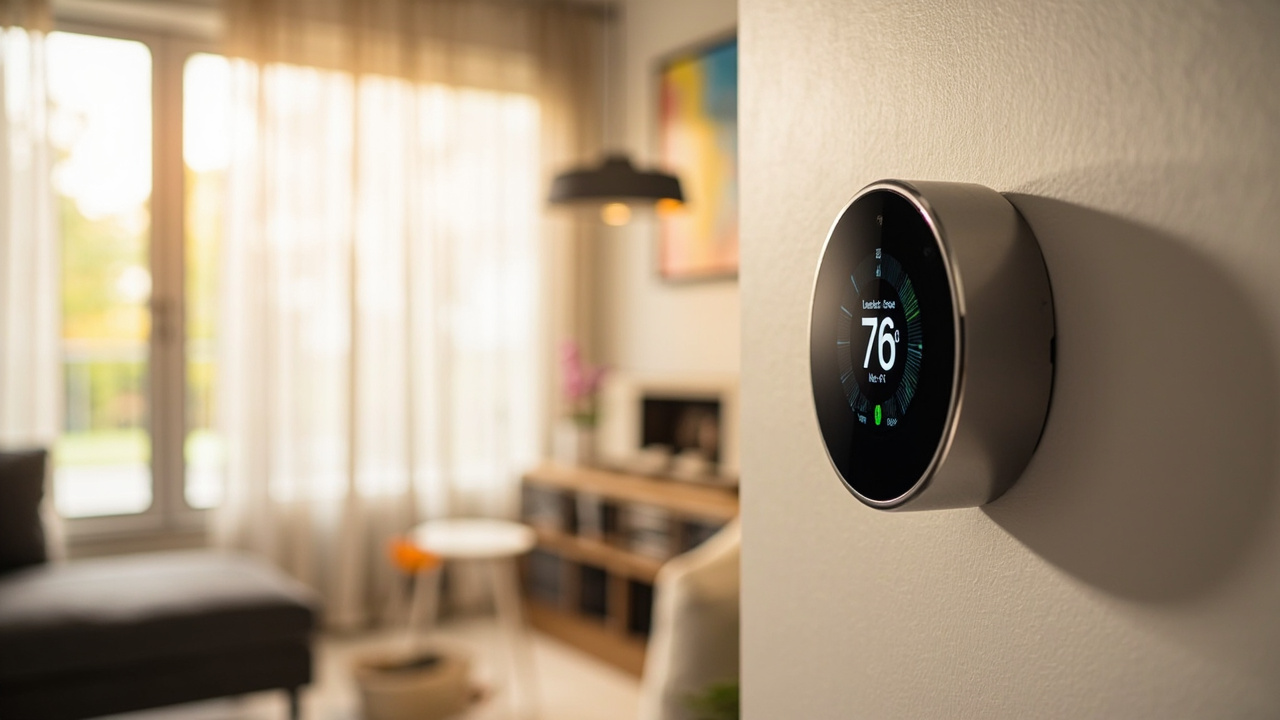
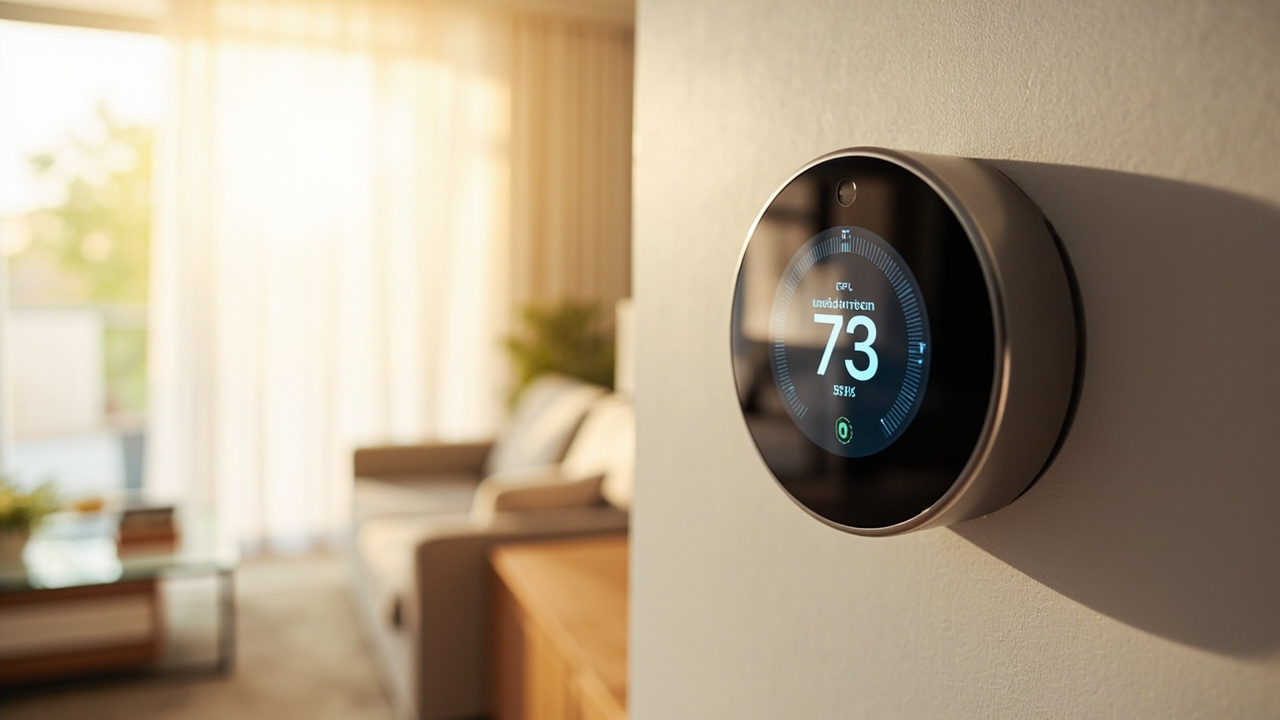
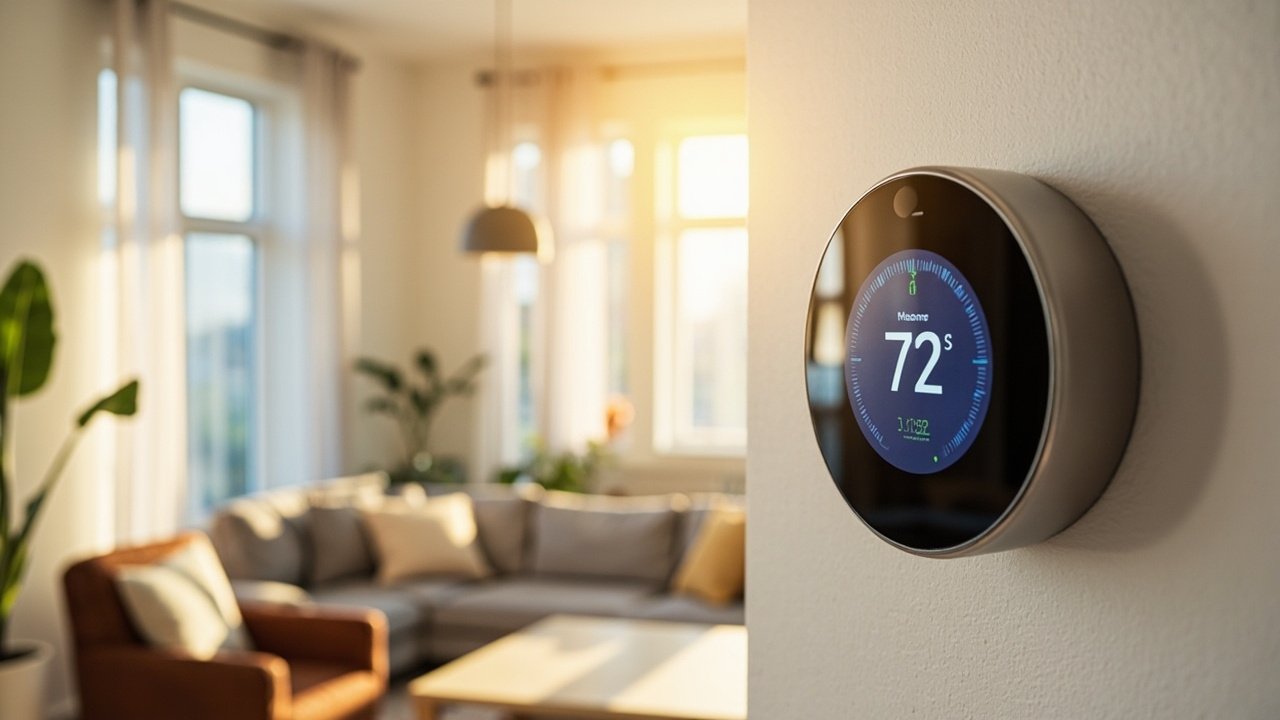
Baltimore averages 44 inches of snow each winter and temperatures that drop below 20 degrees during polar vortex events. Summers bring heat index values above 100 degrees with humidity levels that make your AC run constantly. These extreme seasonal shifts punish manual thermostats that cannot adapt. A smart thermostat anticipates temperature changes using local weather data and adjusts your HVAC system proactively. When a cold snap hits overnight, the device starts your furnace earlier to reach your morning setpoint without forcing the system into high-fire mode. When summer humidity spikes, it extends cooling cycles slightly to dehumidify your home without overcooling, which prevents mold growth common in Baltimore basements and crawl spaces.
Baltimore's mix of historic rowhomes and mid-century construction creates unique HVAC challenges that demand smart control systems. Many Federal Hill and Fells Point properties still use steam radiators or hydronic baseboard heating, which respond slowly to thermostat adjustments. A wifi thermostat accounts for this lag time and adjusts heating cycles earlier to maintain comfort. Newer construction in areas like Harbor East or Locust Point often features multi-zone ductless systems that require precise temperature control for each room. Smart thermostats manage these zones efficiently, preventing energy waste while maintaining comfort across your entire home. Choosing a local HVAC provider who understands Baltimore's building types ensures your smart thermostat is configured correctly for your specific system and delivers maximum energy savings.