

Menu

Weird Smells from Vents in Baltimore – Expert Diagnosis and Fast Resolution

When strange odors from air ducts invade your Baltimore home, you need more than guesswork. Our certified technicians identify the exact source of weird smells from vents and eliminate them at the root, protecting your indoor air quality and your family's health.

Slider Image 1
Slider Image 2
Slider Image 3
Slider Image 4
Slider Image 5
Slider Image 7
Slider Image 8
Slider Image 9
Slider Image 10
Slider Image 11

Why Baltimore Homes Struggle with Strange Odors from Air Ducts

You smell it the moment your system kicks on. A musty, sour, or burning odor that fills your living room and makes you wonder what's lurking inside your ductwork. You're not imagining it, and you're not alone.

Baltimore's humid climate creates the perfect breeding ground for mold and mildew inside HVAC systems. When relative humidity hovers above 60 percent for months at a time, condensation accumulates on evaporator coils and inside duct interiors. That moisture feeds microbial growth, which releases volatile organic compounds that smell like wet socks or rotting vegetation. Add in the fact that many Baltimore rowhomes and older properties in neighborhoods like Federal Hill and Canton have original ductwork from the 1950s or 60s, and you have decades of accumulated dust, dead rodents, and decomposing insulation contributing to foul air conditioner odors.

A bad smell coming from vents can also signal electrical issues. Overheating blower motors or frayed wiring produce a sharp, acrid odor that resembles burning plastic or rubber. This is not something to ignore. Baltimore's aging housing stock often has outdated electrical systems, and when paired with an HVAC unit drawing high amperage, you risk a fire hazard.

Odd smells from HVAC systems can also come from a cracked heat exchanger leaking combustion gases into your air supply, or a clogged condensate drain line allowing stagnant water to pool and ferment. Each symptom points to a different problem, and misdiagnosing the source wastes time and money.

Why Baltimore Homes Struggle with Strange Odors from Air Ducts
How We Identify and Eliminate Funny Smells from Your Heating System

How We Identify and Eliminate Funny Smells from Your Heating System

We don't mask odors with air fresheners or duct deodorizers. We find the source and eliminate it.

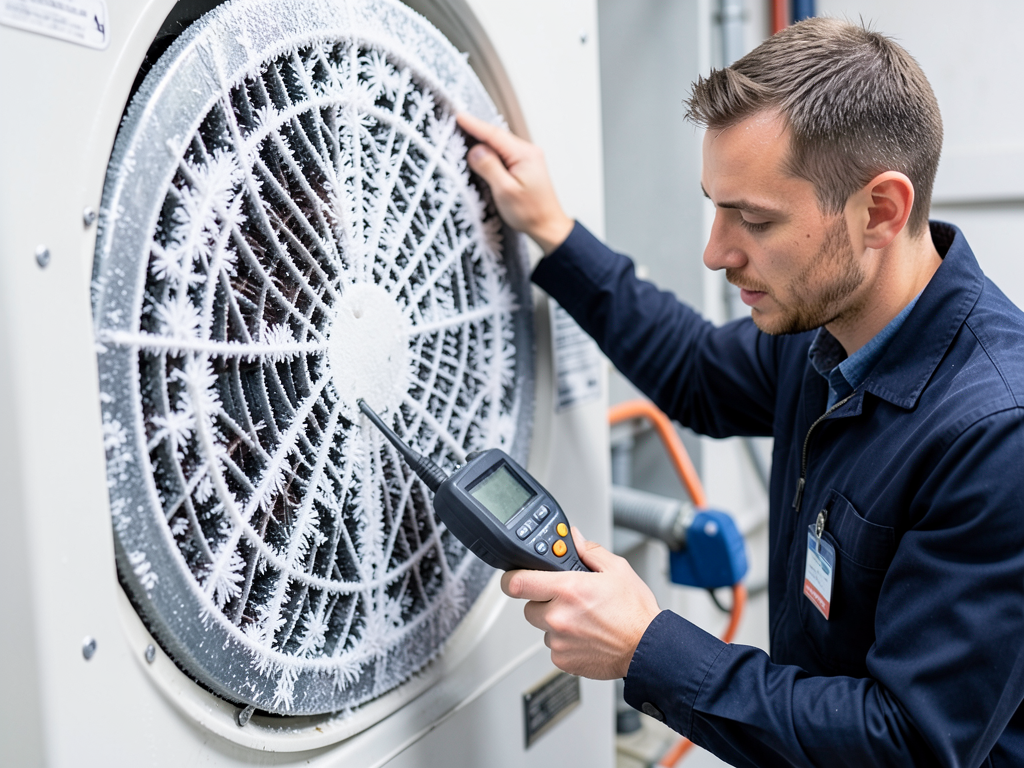
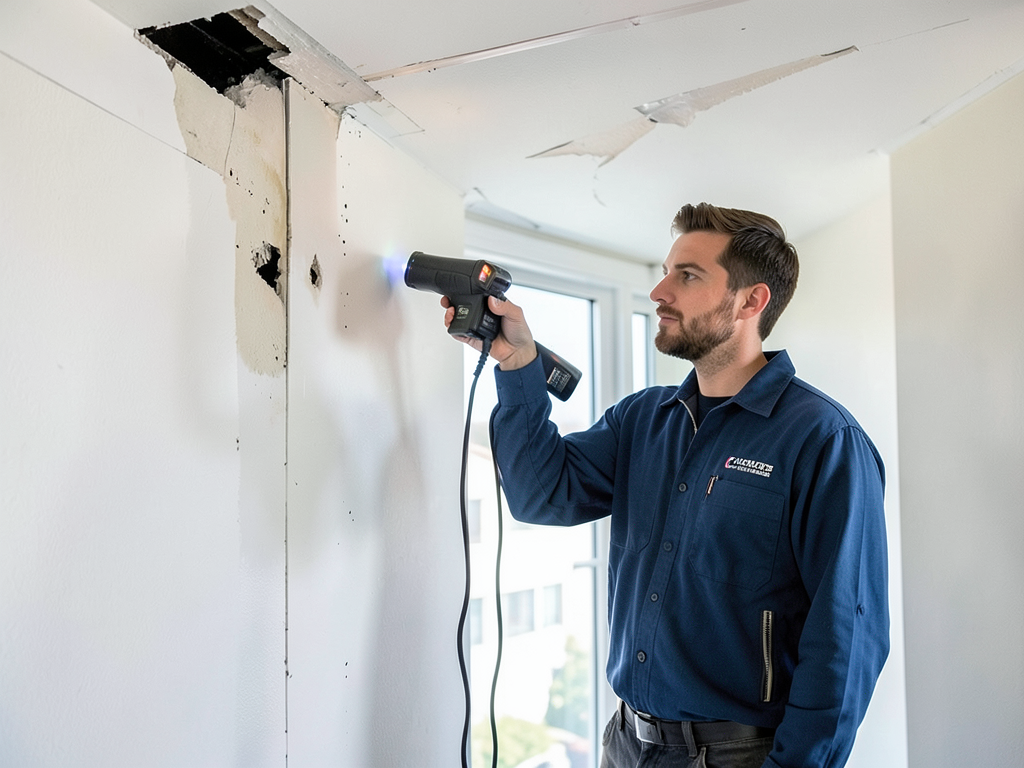
Our diagnostic process starts with a visual inspection of your air handler, evaporator coil, and accessible ductwork. We check for visible mold colonies, standing water in the drain pan, and debris buildup on the blower wheel. We use a thermal imaging camera to identify hot spots on electrical components that could be causing burning smells. We inspect the heat exchanger with a borescope camera to detect hairline cracks that allow carbon monoxide and sulfur compounds to enter your air stream.

If the odor originates from biological contamination, we treat the affected areas with EPA-registered antimicrobial agents and remove contaminated insulation or duct sections. If the smell is coming from a clogged drain line, we clear the blockage with pressurized air or a drain snake, then flush the system with a biocide to prevent future algae growth.

For electrical odors, we test voltage and amperage at the blower motor and capacitor, replace any failing components, and verify proper airflow across the evaporator coil. Restricted airflow from a dirty filter or blocked return grille causes the blower motor to overheat, which creates that distinctive burning smell.

We also check your return air pathways. Many Baltimore homes pull air from unconditioned basements or crawl spaces, which introduces musty odors into the duct system. We seal these pathways and redirect return air to conditioned spaces, which immediately improves indoor air quality.

What Happens During Your Odor Investigation

Weird Smells from Vents in Baltimore – Expert Diagnosis and Fast Resolution
01

Initial System Assessment

We arrive at your Baltimore property and run your system while observing the odor's intensity and timing. We note whether the smell appears immediately at startup, after the system runs for several minutes, or only during heating or cooling mode. We inspect your thermostat settings, filter condition, and outdoor unit for obvious issues. This initial assessment gives us a diagnostic direction before we open any panels or access points.
02

Component-Level Diagnosis

We open your air handler and inspect the evaporator coil, blower assembly, drain pan, and electrical connections. We use specialized tools like borescope cameras and thermal imaging to detect hidden problems inside ductwork and behind access panels. We test for gas leaks at the heat exchanger if you have a furnace. We measure airflow and static pressure to identify restrictions that cause motors to overheat. This is where we pinpoint the exact source of the odor.
03

Targeted Remediation

Once we identify the problem, we execute the appropriate fix. This might involve cleaning the evaporator coil, replacing a failing blower motor, treating mold with antimicrobial solution, or sealing a cracked heat exchanger. We don't leave until the odor is gone and your system operates safely. We run the system through multiple cycles to confirm the smell has been eliminated, then provide you with maintenance recommendations to prevent recurrence.

Why Baltimore Homeowners Trust Us with Strange HVAC Odors

You need a technician who understands Baltimore's housing stock. Many HVAC companies send out generalists who follow a script and guess at the problem. We send specialists who have diagnosed hundreds of odor complaints in rowhomes, historic properties, and modern construction across the city.

We know that Canton and Fells Point rowhomes often have shared or improperly sealed ductwork that pulls odors from adjacent units. We know that many Hampden and Mount Vernon properties have steam radiator systems paired with window air conditioners, which creates condensation and mold in unconventional places. We know that newer construction in Harbor East and Locust Point uses high-efficiency HVAC systems that require precise airflow balancing to prevent condensate issues.

We also understand Baltimore's seasonal odor patterns. The first time you fire up your furnace in October, you might smell dust burning off the heat exchanger. That's normal. But if you smell sulfur, rotten eggs, or burning plastic, you have a real problem that requires immediate attention. We differentiate between harmless startup odors and dangerous combustion gas leaks, and we don't downplay risks to avoid a repair bill.

Our technicians carry diagnostic tools that most residential HVAC companies don't invest in. Thermal cameras, combustion analyzers, and duct inspection cameras allow us to see problems that are invisible to the naked eye. We don't just treat symptoms. We identify root causes and fix them permanently.

You also get transparent communication. We show you the problem with photos or video, explain the repair in plain language, and give you options. No scare tactics, no upselling, no bait-and-switch pricing.

What to Expect When You Call Us About Vent Odors

Same-Day and Next-Day Availability

We understand that foul air conditioner odors and burning smells require urgent attention. We offer same-day service for emergency situations and next-day appointments for non-urgent diagnostics. Our dispatch team prioritizes odor complaints involving potential gas leaks, electrical failures, or mold contamination. You won't wait a week while your family breathes contaminated air. We get a technician to your Baltimore home quickly, equipped with the tools needed to diagnose and resolve the issue on the first visit.

Comprehensive Odor Diagnosis

Your appointment starts with a thorough system evaluation. We don't charge you for a diagnosis and then disappear. We spend the time necessary to identify the exact source of the odor, whether it's biological contamination, electrical failure, or combustion gas leakage. We test every component, inspect all accessible ductwork, and use specialized equipment to detect problems hidden behind walls or inside sealed units. You receive a detailed explanation of what we found, why it's happening, and what it takes to fix it permanently.

Guaranteed Odor Elimination

We don't consider the job complete until the odor is gone. If we clean your evaporator coil and treat it with antimicrobial solution, we run the system for multiple cycles to verify the smell has been eliminated. If we replace a blower motor or repair electrical components, we test the system under load to ensure no burning odor returns. Our work eliminates the problem at the source, so you don't experience recurring issues weeks or months later. You get clean, odor-free air flowing through your vents.

Prevention and Maintenance Guidance

After we resolve the immediate problem, we provide you with a maintenance plan to prevent future odors. This might include quarterly filter changes, annual coil cleaning, or seasonal duct inspections. We explain how Baltimore's humidity affects your system and what you can do to minimize mold and mildew growth. We also offer indoor air quality upgrades like UV lights, media filters, and dehumidifiers that address the root causes of biological contamination. You get the knowledge and tools to maintain a healthy HVAC system year-round.

Frequently Asked Questions

You Have Questions,
We Have Answers

Why do I get a weird smell coming from my vents? +

Weird smells from vents usually signal dust buildup, mold growth, or a trapped critter. In Baltimore's humid summers, condensation inside ductwork creates ideal conditions for mold and mildew. Dead rodents or birds in ducts produce unmistakable rotting odors. Dust accumulation on heat exchangers can smell burnt when you fire up your furnace in fall. An electrical burning smell needs immediate attention. A sweet, chemical odor could mean refrigerant leak. Turn off your system if you smell something strong or burning. Get a technician to inspect your ductwork and HVAC components before air quality degrades further.

What does an electrical fire smell like before it starts? +

Before an electrical fire ignites, you'll smell burning plastic or fish. This acrid, sharp odor comes from wire insulation melting inside walls or electrical panels. The smell intensifies as wires overheat. In older Baltimore rowhomes with original wiring, this warning sign demands immediate action. You might also notice flickering lights, warm outlets, or discolored switch plates. If you detect this burning plastic smell near vents, shut off your HVAC system immediately. The blower motor or control board may be failing. Never ignore this smell. Call an HVAC technician or electrician right away to prevent fire damage.

What does mold in vents smell like? +

Mold in vents smells earthy, musty, or like wet socks. Some people describe it as a damp basement smell or rotting wood. Baltimore's high humidity, especially near the Inner Harbor and waterfront neighborhoods, makes ductwork prone to mold colonization. The smell worsens when you run your AC because airflow stirs up mold spores. Black mold has a stronger, more pungent odor than other types. If you smell mustiness only when the system runs, mold is likely growing on evaporator coils, in drip pans, or along duct interiors. Professional duct cleaning and dehumidification address the root cause.

Is strange smell coming from a vent a chemical hazard? +

A strange chemical smell from vents could indicate hazardous refrigerant leak, carbon monoxide exposure, or volatile organic compounds. Refrigerant smells sweet or like chloroform. Carbon monoxide is odorless, but a malfunctioning furnace may produce chemical odors alongside deadly CO. VOCs from cleaning products, paint, or building materials can concentrate in ductwork. If you smell strong chemicals, open windows and evacuate. In Baltimore rowhomes with shared walls, chemical odors can migrate between units. Call a technician to test for refrigerant leaks and inspect your heat exchanger for cracks that allow combustion gases into your air supply.

What does leaking freon smell like? +

Leaking freon smells sweet, like chloroform or ether. Some describe it as a chemical sweetness that lingers. Older R-22 refrigerant has a more noticeable odor than newer R-410A. If you smell this near return vents or around your outdoor condenser, you likely have a refrigerant leak. Freon exposure causes headaches, dizziness, and nausea. Baltimore's freeze-thaw cycles can crack refrigerant lines over time. Turn off your AC immediately if you suspect a leak. Breathing refrigerant is dangerous, and your system cannot cool properly without adequate charge. A licensed technician must locate the leak, repair it, and recharge your system.

Does a musty smell automatically mean mold? +

No. Musty smells can come from dust, dirty filters, or moisture without active mold growth. In Baltimore's humid climate, condensation on cold ductwork creates dampness that smells musty even without mold colonies. A clogged condensate drain or wet insulation produces similar odors. However, persistent mustiness warrants investigation because conditions that smell musty also support mold growth. Check your air filter first. A saturated filter smells musty and restricts airflow. If replacing the filter does not eliminate the smell within a day, schedule duct inspection. Mold testing determines whether remediation is necessary or if better ventilation solves the problem.

Are there warning signs before an electrical fire? +

Yes. Before electrical fires start, you'll notice burning smells, flickering lights, warm outlets, discolored switch plates, and buzzing sounds from electrical panels. Breakers that trip repeatedly signal overloaded circuits. Outlets that spark when you plug in devices show dangerous arcing. In Baltimore's older housing stock, particularly Canton and Fells Point rowhomes, outdated wiring increases fire risk. Your HVAC system draws significant power. If lights dim when your AC starts, your electrical panel may need upgrading. Scorch marks near outlets or a burning plastic smell from vents require immediate shutoff and professional inspection before catastrophic failure occurs.

What does bad wiring smell like? +

Bad wiring smells like burning plastic, rubber, or fish. This acrid odor comes from overheating wire insulation. As insulation melts, the smell intensifies and spreads through vents when your HVAC blower runs. In Baltimore rowhomes built before 1970, aluminum wiring or knob-and-tube systems create fire hazards. Loose connections at your HVAC disconnect box can also produce burning smells. If you smell this near your thermostat, breaker panel, or furnace, shut off power at the main panel. Do not operate your HVAC until an electrician inspects all connections. Electrical fires move fast once insulation fails completely.

What are signs of faulty wiring? +

Faulty wiring shows through frequent breaker trips, flickering lights, buzzing outlets, warm switch plates, and burning smells. Your outlets may feel hot to touch or show scorch marks. Plugs fit loosely in worn receptacles. Lights dim when you start your AC or furnace. In Baltimore's older neighborhoods, outdated electrical panels cannot handle modern HVAC loads. Aluminum wiring, common in 1960s-1970s construction, corrodes at connections and causes arcing. If your HVAC system trips breakers repeatedly or you smell burning plastic from vents, your electrical system needs immediate evaluation. Faulty wiring causes house fires and damages expensive HVAC equipment through power surges.

What are the 10 warning signs of mold toxicity? +

Mold toxicity warning signs include chronic fatigue, brain fog, headaches, respiratory issues, sinus congestion, skin rashes, joint pain, digestive problems, mood changes, and sensitivity to light. Neurological symptoms like memory loss and difficulty concentrating are common. In Baltimore's humid climate, mold in HVAC systems spreads spores throughout your home every time air circulates. You might feel worse at home and better away. Children and immune-compromised individuals show symptoms first. If multiple household members experience unexplained health issues alongside musty vent odors, mold exposure is likely. Professional air quality testing and duct inspection identify contamination levels requiring remediation.

How Baltimore's Humidity and Aging Infrastructure Cause HVAC Odors

Baltimore's proximity to the Chesapeake Bay creates a humid microclimate that keeps indoor relative humidity above 60 percent from May through September. When warm, moisture-laden air passes over cold evaporator coils, condensation forms and drips into the drain pan. If that pan isn't draining properly or the coil isn't cleaned regularly, standing water becomes a breeding ground for mold, mildew, and bacteria. These microorganisms release musty, sour odors that circulate through your entire home every time the blower runs. The city's older housing stock compounds the problem. Many rowhomes and pre-war properties have ductwork that was never designed for central air conditioning, which means poorly sealed joints, inadequate insulation, and hidden pockets where moisture accumulates and odors develop.

Choosing a local Baltimore HVAC company means working with technicians who understand these regional challenges. We've serviced systems in Federal Hill rowhomes with original ductwork, Hampden bungalows with undersized return grilles, and Canton townhouses with shared party walls that allow odors to migrate between units. We know which problems are cosmetic and which ones threaten your health or safety. We also understand Baltimore's building codes and permitting requirements for duct modifications and HVAC replacements. When you call Victory HVAC Baltimore, you get technicians who have solved the exact odor problem you're experiencing in a home just like yours.

HVAC Services in The Baltimore Area

Easily locate Victory HVAC and our service areas on the map below. We are strategically positioned to provide prompt and efficient heating, ventilation, and air conditioning services across the entire region. Whether you're seeking a new installation, emergency repair, or routine maintenance, our team is readily available to reach your location quickly, ensuring your comfort is restored without delay. Feel free to zoom in to see our exact location or contact us for directions and service area details.

Address:
Victory HVAC Baltimore, 729 E Pratt St, Baltimore, MD, 21202

Additional Services We Offer

Our news updates

Latest Articles & News from The Blogs

The Best Time to Switch Your Guilford Home from Heating to Cooling Mode When should you flip that thermostat switch…

The Best Time to Switch Your Guilford Home from Heating to Cooling Mode

The Best Time to Switch Your Guilford Home from Heating to Cooling Mode When should you flip that thermostat switch…

How Much Space Does Your AC Unit Actually Need from Landscaping in Your Ruxton Yard?

How Much Space Does Your AC Unit Actually Need from Landscaping in Your Ruxton Yard? Your outdoor AC condenser needs…

Common Reasons Your Brooklyn Park AC Is Blowing Warm Air

Common Reasons Your Brooklyn Park AC Is Blowing Warm Air Your air conditioner is running but the air coming from…

Contact Us

Don't ignore weird smells from vents. Call Victory HVAC Baltimore at (443) 390-4933 right now. We'll diagnose the problem fast and eliminate the odor at the source. Same-day service available across Baltimore.