Menu

Furnace Pilot Light Issues in Baltimore | Expert Diagnosis and Permanent Repair

Victory HVAC Baltimore technicians diagnose and fix stubborn pilot light problems fast, addressing the root cause to stop recurring outages and keep your home heated safely through cold Mid-Atlantic winters.

Slider Image 1
Slider Image 2
Slider Image 3
Slider Image 4
Slider Image 5
Slider Image 7
Slider Image 8
Slider Image 9
Slider Image 10
Slider Image 11

Why Your Pilot Light Keeps Going Out in Baltimore Homes

You wake up to a cold house. Again. The furnace pilot light went out overnight, and now you are reaching for matches or a lighter to relight it. Maybe it stays lit for a day, maybe a week, but the cycle repeats. This is not normal wear and tear.

Baltimore's fluctuating winter temperatures create unique stress on gas furnaces. When outdoor temps swing from 20°F to 50°F in 48 hours, the thermal expansion and contraction inside your furnace cabinet can shift components just enough to misalign the thermocouple or flex the gas line. Add in the drafty construction common in Fell's Point rowhouses or Canton's older brick homes, and you have airflow problems that blow out weak flames.

A pilot light that won't stay lit signals one of four failures. The thermocouple may be corroded or positioned incorrectly, preventing it from sensing flame heat. The gas valve orifice could be partially clogged with debris from decades-old supply lines. A failing gas valve itself may not maintain steady pressure. Or a draft from a poorly sealed combustion chamber is starving the flame of oxygen.

Relighting the pilot repeatedly wastes your time and poses a carbon monoxide risk if combustion is incomplete. The longer a gas furnace pilot light malfunction continues, the more wear accumulates on the ignition system. What starts as an annoyance can escalate into a full furnace shutdown during the coldest stretch of January.

If your pilot light keeps going out more than once per season, the problem is mechanical, not coincidental. Diagnosing furnace pilot light problems requires testing gas pressure, measuring thermocouple voltage, and inspecting the entire ignition assembly under load.

Why Your Pilot Light Keeps Going Out in Baltimore Homes
How We Fix Pilot Light Problems Permanently

How We Fix Pilot Light Problems Permanently

We do not guess. We test. A pilot light that keeps going out has a measurable cause, and we isolate it through a multi-point inspection that eliminates variables one by one.

First, we measure millivolt output from the thermocouple with the pilot lit. A healthy thermocouple generates 25 to 30 millivolts. Anything below 20 indicates a failing sensor or poor flame contact. We check the thermocouple positioning next, ensuring the tip sits in the hottest part of the flame, not just near it. A 1/8-inch misalignment is enough to cause intermittent failure.

Next, we test the gas valve itself. We connect a manometer to measure inlet and outlet pressure, verifying that the valve maintains the manufacturer's spec, usually around 3.5 inches of water column for natural gas. A failing valve will show pressure drift or fail to open fully. We also inspect the pilot orifice for carbon buildup or corrosion that restricts gas flow.

Then we evaluate the combustion chamber for draft issues. We check the flue vent for blockages, inspect the inducer motor for proper CFM draw, and examine the burner compartment door gasket. Even a small air leak can create turbulence that disrupts the pilot flame.

If the thermocouple and gas valve pass testing, we look at flame characteristics. A lazy yellow flame indicates incomplete combustion from either air starvation or gas mixture imbalance. A strong blue cone flame with a defined tip is correct.

We replace only what is failing. If the thermocouple is weak, we install an OEM replacement and reposition it correctly. If the gas valve is drifting, we replace the valve assembly. If the orifice is clogged, we clean or replace it. We do not sell you a new furnace when a $90 part fixes the issue permanently.

What Happens During a Pilot Light Repair Call

Furnace Pilot Light Issues in Baltimore | Expert Diagnosis and Permanent Repair
01

System Diagnostics and Testing

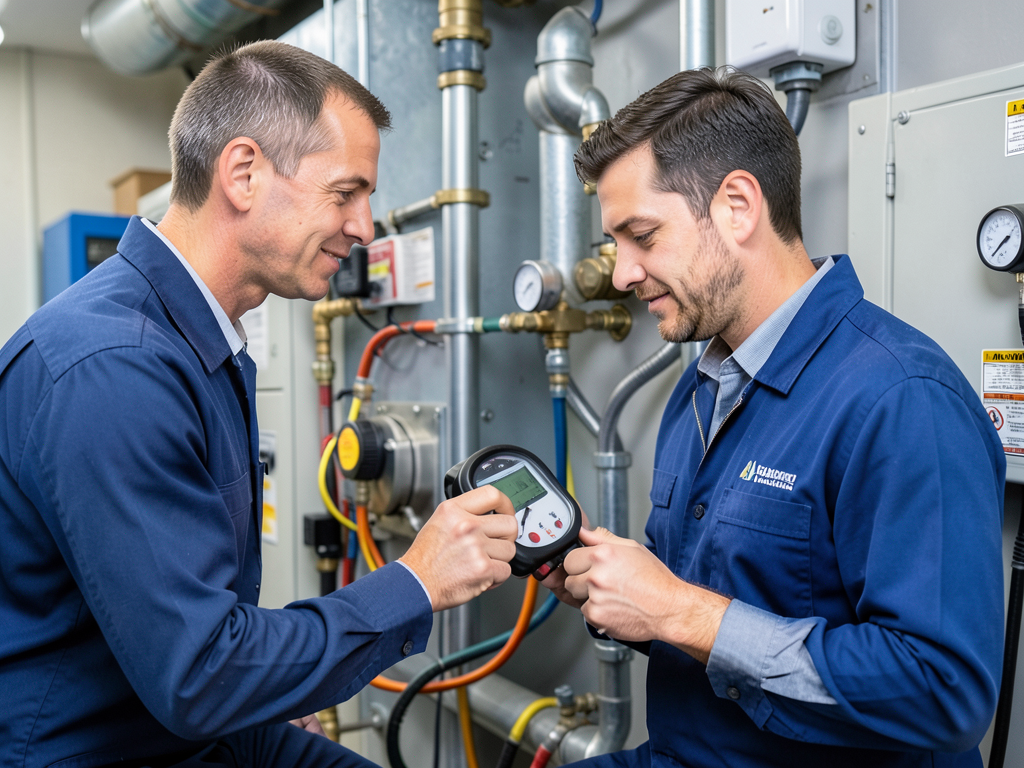
Our technician arrives with a full diagnostic kit, including a multimeter, manometer, and thermocouple tester. We start by observing the pilot flame behavior, then measure thermocouple voltage output and gas pressure at the valve. We document baseline readings before making any adjustments, so you understand exactly what is failing and why the pilot light won't stay lit in your specific furnace model.
02

Component Replacement or Adjustment

Once we identify the failed component, we replace or adjust it on the spot. This could mean installing a new thermocouple, cleaning the pilot orifice, replacing the gas valve, or sealing a combustion chamber leak. We use OEM parts matched to your furnace make and model. After replacement, we retest millivolt output and gas pressure to confirm the repair eliminated the malfunction, not just masked it temporarily.
03

Cycle Testing and Documentation

We cycle the furnace through multiple heating calls to verify the pilot light stays lit under real operating conditions. We let the burners ignite, run to temperature, shut down, and restart. We check for proper flame carryover from the pilot to the main burners. Before leaving, we provide you with a written diagnostic report that includes before and after readings, the parts replaced, and what to monitor going forward.

Why Baltimore Homeowners Trust Victory HVAC for Pilot Light Repairs

Victory HVAC Baltimore built its reputation on fixing the problems other companies defer or misdiagnose. When a competitor tells you the entire furnace needs replacement because the pilot light keeps going out, we show you the $75 thermocouple that is actually at fault.

We work on furnaces installed in every decade from the 1970s to today. Baltimore's housing stock includes everything from Federal Hill brownstones with original cast iron radiators to Locust Point rowhomes converted to forced air in the 1990s. We carry parts for Carrier, Lennox, Trane, Rheem, Goodman, and Amana units, plus obsolete components for older Bryant and Payne furnaces still running in Patterson Park and Hampden neighborhoods.

Our techs know the quirks of older gas furnaces common in Baltimore. Many homes still run on standing pilot systems because the furnace was installed before electronic ignition became standard in the mid-1990s. We understand how draft hoods interact with chimney flue dynamics in multi-story rowhouses where shared chimneys create backdraft risks. We account for the low gas pressure issues that affect homes on the outer edges of BGE's distribution grid in Northeast Baltimore.

We also understand the financial pressure Baltimore families face. When a furnace stops working in December, you need an honest assessment, not a sales pitch. We give you options. If a $120 repair buys you three more years of reliable heat, we tell you. If the furnace is on its last legs and a repair is just delaying the inevitable, we tell you that too.

We do not subcontract our work. The technician who diagnoses your furnace pilot light problems is the same technician who fixes it. No handoffs, no miscommunication, no delays.

What to Expect When You Call Victory HVAC Baltimore

Same-Day Service Availability

We prioritize pilot light problems because they leave you without heat. Most calls in Baltimore city limits get same-day service if you contact us before 2 PM on weekdays. We stock the most common failure parts on every truck, which means we complete most pilot light repairs in a single visit. No waiting days for parts to arrive while you huddle around space heaters. Weekend and evening appointments are available for urgent situations when the temperature drops below freezing and your furnace will not stay running.

Transparent Diagnostic Process

We explain what we find before we fix anything. You get a clear breakdown of the failed component, why it failed, and what the repair involves. We show you the faulty thermocouple or demonstrate the weak millivolt reading on our meter. You see the numbers. You understand the problem. Then we discuss options. If multiple components are marginal, we prioritize based on your budget and the likelihood of failure. We do not surprise you with charges after the work is done. You approve the repair before we proceed.

Reliable, Tested Repairs

Every pilot light repair includes post-repair testing. We do not just replace the part and leave. We verify the flame burns steady, the thermocouple generates adequate voltage, and the gas valve cycles correctly. We run the furnace through multiple heating cycles to confirm the pilot light stays lit under load. If the repair involves combustion adjustments, we check the flame pattern and color to ensure complete combustion. You get a furnace that works reliably, not one that limps along for another week before failing again.

Follow-Up Support and Maintenance Guidance

After the repair, we provide specific maintenance guidance based on what failed and why. If your pilot orifice clogged due to debris in the gas line, we recommend an annual cleaning. If your thermocouple failed due to corrosion from high humidity in the basement, we discuss ventilation improvements. We also offer seasonal furnace tune-ups that catch small issues before they become pilot light emergencies. You get a written summary of the work completed, parts replaced, and any recommended follow-up actions to extend your furnace lifespan.

Frequently Asked Questions

You Have Questions,
We Have Answers

What are the common causes of pilot light issues? +

Pilot light failures happen for several reasons. A dirty or clogged pilot tube restricts gas flow, often caused by dust accumulation common in Baltimore's humid climate. A faulty thermocouple fails to sense heat and shuts off gas as a safety measure. Drafts from windows or basement vents can blow out the flame. Gas supply interruptions or low pressure prevent ignition. Corroded components from moisture exposure weaken over time. If you smell gas or the pilot won't stay lit after two attempts, shut off the gas valve and call a technician immediately. Don't keep relighting it.

Why is my furnace pilot light not igniting? +

Your pilot light won't ignite when gas fails to reach the pilot assembly or the ignition system malfunctions. Check if the gas valve is fully open. Air trapped in the gas line after service or a supply interruption blocks fuel flow. A clogged pilot orifice from debris prevents proper gas delivery. Electronic ignition systems can fail due to electrical issues or worn igniters. Baltimore's temperature swings can cause thermocouple misalignment. If you've checked the gas valve and the pilot still won't light, you need professional diagnosis to identify the exact component failure.

What are the symptoms of a bad igniter on a furnace? +

A failing igniter shows clear warning signs before total failure. You'll hear the furnace click on, but burners won't light. Visible cracks in the ceramic igniter body indicate imminent failure. The igniter glows dimly orange instead of bright white, signaling weak electrical draw. Intermittent heating where the furnace works sporadically points to igniter degradation. You may smell gas briefly without ignition. Baltimore's fluctuating winter temperatures stress igniters through repeated heating cycles. If your furnace takes multiple attempts to start or the igniter doesn't glow at all, replacement is necessary before complete failure leaves you without heat.

Why do I have to keep relighting my pilot light? +

Repeatedly relighting your pilot light signals a component failure that needs fixing. A bad thermocouple fails to sense the pilot flame and shuts off gas flow prematurely. Drafts from basement access or nearby windows blow out the flame. A misaligned or dirty thermocouple tip sits too far from the flame. Low gas pressure prevents stable combustion. Baltimore's older homes often have draft issues through aging foundations. A failing gas valve may not maintain consistent pressure. Relighting constantly wastes gas and risks safety hazards. After the second relight attempt, stop and call a technician to diagnose the root cause.

How do you clean a clogged pilot tube? +

Cleaning a clogged pilot tube requires careful steps. First, turn off the gas supply and wait 10 minutes for gas to dissipate. Remove the pilot assembly according to your furnace manual. Use a small wire or needle to gently clear debris from the pilot orifice opening. Compressed air blows out remaining dust particles. Baltimore's humid air accelerates corrosion, so inspect for rust damage. Soak metal components in white vinegar if corrosion is present. Reassemble carefully, ensuring proper alignment. Turn gas back on and test. If you're uncomfortable with gas components, hire a professional to avoid safety risks.

What are the signs of a bad thermocouple? +

A failing thermocouple displays specific symptoms. The pilot light goes out shortly after releasing the control knob during manual lighting. The furnace runs briefly, then shuts down unexpectedly. You smell gas without ignition because the safety mechanism isn't working properly. Visible corrosion or a bent thermocouple probe indicates physical damage. Baltimore's basement humidity accelerates thermocouple deterioration. The pilot flame flickers yellow instead of steady blue, suggesting improper positioning. If the thermocouple tip sits too far from the flame, it won't generate enough voltage. Testing requires a multimeter to measure millivolt output. Replacement is straightforward and inexpensive.

What to do if the pilot light won't relight? +

When your pilot won't relight, follow these steps. Shut off the gas valve and wait five minutes for any accumulated gas to clear. Check that the gas supply line valve is fully open. Inspect the pilot assembly for visible blockages or debris. Press and hold the pilot button while using a long lighter to ignite the flame. Hold the button for 30 seconds after ignition to heat the thermocouple. If it lights but won't stay lit, the thermocouple needs replacement. If no gas flows or you smell strong gas odor, stop immediately and call a professional. Don't attempt more than two relight cycles.

Can hear your furnace click on but it does not fire up? +

Hearing clicks without ignition means the control board signals a heat cycle, but burners fail to fire. The igniter may be cracked or not drawing enough current to reach ignition temperature. Gas valves can stick closed despite receiving electrical signals. Air in the gas line after maintenance prevents fuel delivery. A dirty flame sensor shuts down the system prematurely as a false safety trigger. Baltimore's power fluctuations can damage control boards over time. Low gas pressure from supply issues stops combustion. Check your circuit breaker first, then inspect the igniter visually. This diagnostic requires professional troubleshooting to avoid gas hazards.

How to bleed a gas line for a furnace? +

Bleeding a gas line removes trapped air after service or supply interruption. Turn the furnace thermostat off. Locate the gas valve on the supply line. Turn the valve to the pilot position. Press and hold the pilot button to allow gas flow without ignition for 30 seconds. You'll hear hissing as air evacuates. Release briefly, then repeat twice more. Now attempt normal pilot lighting. Baltimore homes with older gas lines may require longer purge times. Never bleed gas lines near open flames or sparks. If gas odor persists or the pilot won't light after bleeding, call a technician immediately to check for leaks.

What is the life expectancy of a furnace igniter? +

Furnace igniters typically last 4 to 7 years, depending on usage frequency and system cycling. Baltimore's cold winters with frequent on-off cycles shorten igniter life through repeated thermal stress. Hot surface igniters crack from expansion and contraction. Silicon nitride igniters outlast older silicon carbide models. Furnaces that short-cycle due to thermostat placement or oversizing burn through igniters faster. Electrical surges from storms damage igniter circuits. You'll notice performance degradation before total failure. If your furnace is over five years old and showing ignition problems, plan for replacement. Igniters are wear components that need periodic replacement as part of system maintenance.

How Baltimore's Winter Temperature Swings Accelerate Pilot Light Failures

Baltimore winters rarely stay cold. A week of sub-freezing temperatures gives way to a 60°F warm front, then plunges back down. This thermal cycling stresses the thin metals in your furnace ignition system. The thermocouple expands and contracts with each temperature shift, which gradually weakens the junction where it generates voltage. Gas valve diaphragms stiffen in cold basements, then soften again, causing pressure regulation to drift. Homes in neighborhoods like Hampden and Waverly with uninsulated basements see faster pilot light degradation because the furnace environment mirrors outdoor swings.

Victory HVAC Baltimore services furnaces across every Baltimore neighborhood, from Harbor East high-rises to Edmondson Village single-family homes. We understand how rowhouse construction affects furnace performance. Shared walls and chimney flues create draft dynamics that standalone suburban homes do not face. We account for these variables when diagnosing gas furnace pilot light malfunctions. Our techs carry parts for both modern condensing furnaces and older atmospheric vent models still common in Charles Village and Roland Park. Choosing local expertise means faster diagnosis and fewer return trips.
HVAC Services in The Baltimore Area

Easily locate Victory HVAC and our service areas on the map below. We are strategically positioned to provide prompt and efficient heating, ventilation, and air conditioning services across the entire region. Whether you're seeking a new installation, emergency repair, or routine maintenance, our team is readily available to reach your location quickly, ensuring your comfort is restored without delay. Feel free to zoom in to see our exact location or contact us for directions and service area details.

Address:
Victory HVAC Baltimore, 729 E Pratt St, Baltimore, MD, 21202

Additional Services We Offer

Our news updates

Latest Articles & News from The Blogs

The Most Effective Ways to Improve Indoor Air Quality in Your Older Home in Original Northwood Older homes in Original…

The Most Effective Ways to Improve Indoor Air Quality in Your Older Home in Original Northwood

The Most Effective Ways to Improve Indoor Air Quality in Your Older Home in Original Northwood Older homes in Original…

Why Proper Load Calculations Are Vital for New Construction Homes in White Marsh

Why Proper Load Calculations Are Vital for New Construction Homes in White Marsh Building a new home in White Marsh…

Protecting Your Outdoor AC Compressor from Corrosion and Salt Air in Bowleys Quarters

Protecting Your Outdoor AC Compressor from Corrosion and Salt Air in Bowleys Quarters The salty breeze from the Chesapeake Bay…

Contact Us

Stop relighting your pilot every morning. Call Victory HVAC Baltimore at (443) 390-4933 for same-day furnace pilot light repair. We diagnose the real problem and fix it right the first time.