Menu

Energy Saving Tips for Summer in Baltimore – Cut Your Cooling Costs Without Sacrificing Comfort

Learn proven energy saving tips for summer that reduce air conditioning bills while keeping your Baltimore home cool through the heat and humidity. Our local HVAC experts share practical strategies to lower cooling costs without expensive equipment upgrades.

Slider Image 1
Slider Image 2
Slider Image 3
Slider Image 4
Slider Image 5
Slider Image 7
Slider Image 8
Slider Image 9
Slider Image 10
Slider Image 11

Why Baltimore Summers Drive Up Your Energy Bills

Baltimore's summer climate creates a perfect storm for high cooling costs. The combination of intense heat, oppressive humidity from the Chesapeake Bay, and frequent afternoon thunderstorms forces your air conditioner to work overtime from June through September.

When humidity levels climb above 70 percent, your AC runs longer cycles to remove moisture from indoor air. This dual load of temperature control and dehumidification explains why Baltimore residents see their summer utility costs spike 40 to 60 percent compared to spring months.

The city's aging housing stock compounds the problem. Many Baltimore rowhomes and older properties in neighborhoods like Canton, Fells Point, and Federal Hill were built before modern insulation standards existed. Heat infiltration through brick walls, attic spaces, and leaky ductwork makes your cooling system fight an uphill battle.

Your thermostat setting tells only part of the story. Air infiltration through gaps around windows, doors, and utility penetrations lets conditioned air escape while pulling in hot, humid outdoor air. This constant exchange forces your compressor to restart frequently, consuming more electricity than steady operation.

Understanding these regional challenges helps you target the right summer energy efficiency ideas. Small adjustments to how your cooling system operates, when it runs, and how your home retains conditioned air can dramatically reduce your electricity consumption. The goal is not just lowering summer utility costs but maintaining comfort while your system works less.

Baltimore's urban heat island effect intensifies the problem in densely built areas. Pavement and buildings absorb and radiate heat, pushing ambient temperatures several degrees higher than surrounding suburbs. Your air conditioner responds to these elevated temperatures by running longer, burning through kilowatt-hours.

Why Baltimore Summers Drive Up Your Energy Bills
Strategic Changes That Lower Your Cooling Bills

Strategic Changes That Lower Your Cooling Bills

Reducing air conditioning bills starts with understanding your system's efficiency factors. Your evaporator coil removes heat from indoor air, but when dust and debris coat the aluminum fins, heat transfer drops. This restriction forces your compressor to run longer cycles to achieve the same temperature drop.

Clean or replace your air filter every 30 days during summer. A clogged filter restricts airflow across the evaporator coil, reducing system capacity by 15 to 20 percent. This seemingly minor maintenance task directly impacts runtime and energy consumption.

Programmable thermostat strategies deliver measurable savings. Set your temperature to 78 degrees when home and 85 degrees when away. Each degree you raise the setpoint reduces cooling costs by 3 to 5 percent. The key is avoiding dramatic temperature swings that force your system into recovery mode, which consumes more energy than gradual adjustments.

Your outdoor condensing unit needs clearance to function efficiently. Remove vegetation, debris, and obstructions within two feet of the unit. Restricted airflow around the condenser coil reduces heat rejection capacity, forcing the refrigeration cycle to work harder.

Ceiling fans create a wind-chill effect that makes 78 degrees feel like 75 degrees. Run fans counterclockwise during summer to push air downward. This perceived cooling allows you to raise your thermostat setting without sacrificing comfort, directly cutting compressor runtime.

Ductwork leaks waste 20 to 30 percent of conditioned air in many Baltimore homes. Unsealed joints in attic spaces or crawlspaces dump cool air into unconditioned areas. Sealing these leaks with mastic or metal tape stops the waste before it reaches your utility bill.

Window treatments block solar heat gain. Close blinds and curtains on south and west-facing windows during afternoon hours. This simple barrier prevents radiant heat from entering your living space, reducing the cooling load your AC must handle.

How to Implement Summer Energy Savings in Your Home

Energy Saving Tips for Summer in Baltimore – Cut Your Cooling Costs Without Sacrificing Comfort
01

System Performance Assessment

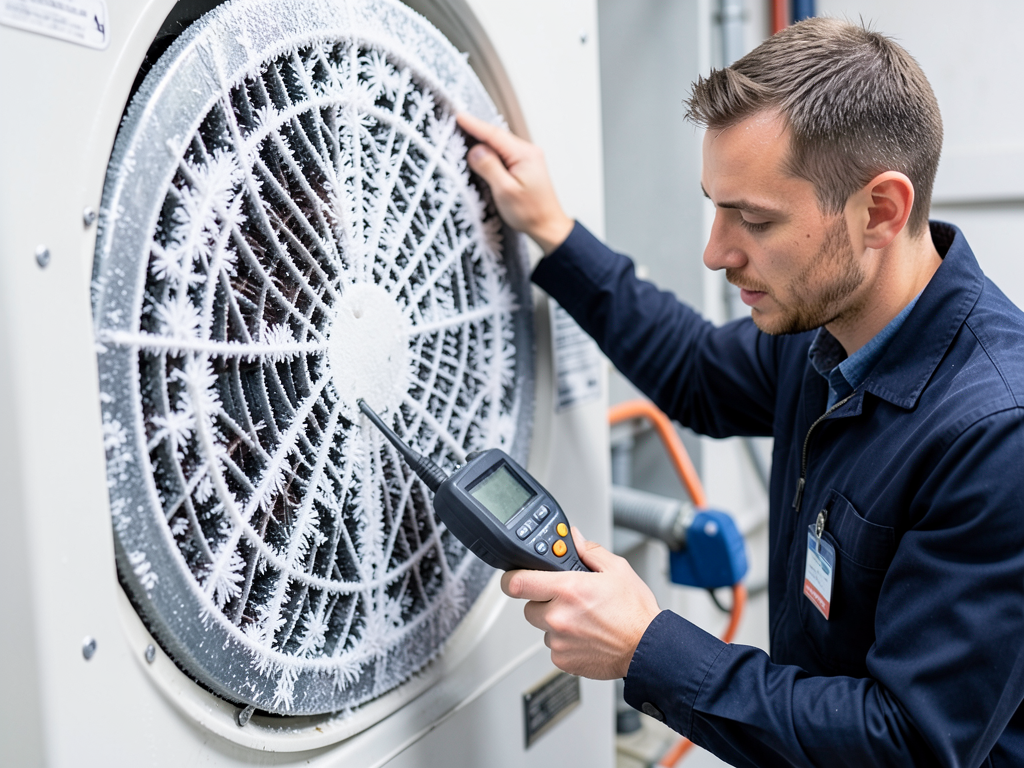
Start by evaluating your current cooling system performance. Check your air filter condition, inspect visible ductwork for disconnections or damage, and verify your outdoor unit runs without unusual noises. Measure supply and return air temperatures using an infrared thermometer. A properly functioning AC creates a 15 to 20 degree temperature split. Smaller gaps indicate reduced efficiency from low refrigerant charge, dirty coils, or restricted airflow that increases operating costs.
02

Home Envelope Improvements

Seal air leaks around windows, doors, and penetrations where pipes and wires enter your home. Apply weatherstripping to door frames and window sashes. Use expanding foam or caulk for larger gaps. Add insulation to your attic if current levels fall below R-38, the recommended value for Baltimore's climate zone. These envelope improvements prevent conditioned air loss and block heat infiltration, reducing the load your cooling system must satisfy each cycle.
03

Ongoing Optimization

Monitor your energy usage weekly through your utility account portal. Track patterns between thermostat settings and consumption. Adjust your approach based on actual results rather than assumptions. Schedule professional maintenance before peak summer heat arrives. A technician measures refrigerant charge, cleans coils, tests capacitors, and identifies efficiency problems before they escalate into failures. This proactive approach maintains peak performance throughout the cooling season when you need reliability most.

Why Baltimore Property Owners Trust Victory HVAC Baltimore

You need advice tailored to Baltimore's specific climate challenges, not generic tips that ignore regional factors. Victory HVAC Baltimore understands how Chesapeake Bay humidity affects cooling loads and how the city's building stock influences energy consumption patterns.

We work daily in Federal Hill rowhomes with shared brick walls, Hampden bungalows with limited attic access, and Canton townhouses with aging ductwork. This hands-on experience with Baltimore's diverse housing types informs our recommendations. We know which strategies deliver results in your specific home configuration.

Baltimore's summer weather patterns create unique demands. The rapid shift from mild mornings to sweltering afternoons requires different thermostat management than steady desert heat. Our technicians live and work here, experiencing the same conditions that affect your home comfort and energy bills.

Local building codes and utility rate structures influence which efficiency improvements provide the best return on investment. We stay current on BGE rate schedules and rebate programs that offset upgrade costs. This knowledge helps you prioritize improvements that deliver measurable savings rather than wasting money on changes with minimal impact.

Our maintenance plans address the specific maintenance requirements Baltimore's climate imposes on cooling equipment. High humidity accelerates condensate drain clogs. Urban air quality increases filter loading. We schedule service intervals based on these local factors rather than generic manufacturer recommendations.

When equipment replacement becomes necessary, we size systems for Baltimore's peak design conditions. Oversized units short-cycle and fail to remove humidity properly. Undersized units run constantly during heat waves. Proper load calculations account for your home's orientation, insulation levels, window area, and occupancy patterns to match equipment capacity to actual requirements.

You get straightforward answers about what will actually reduce your cooling costs versus theoretical improvements that sound good but deliver disappointing results in real-world applications.

What You Can Expect from These Energy Strategies

Immediate Impact Actions

Several strategies deliver noticeable results within days of implementation. Changing your air filter, adjusting your thermostat settings, and using ceiling fans create immediate reductions in runtime and energy consumption. You will see these changes reflected in your daily usage patterns before your next utility bill arrives. The combination of these simple adjustments typically reduces cooling costs by 10 to 15 percent without any equipment investment or technical expertise required.

Evaluation and Planning

A professional energy assessment identifies your home's specific inefficiencies. This evaluation examines insulation levels, ductwork integrity, equipment performance, and air infiltration points. The assessment generates a prioritized list of improvements ranked by cost and potential savings. You receive a clear roadmap showing which changes deliver the best return on investment for your particular home configuration. This data-driven approach eliminates guesswork and prevents wasted spending on improvements that provide minimal benefit in your situation.

Long-Term Savings Accumulation

Sustained energy savings require consistent application of efficiency strategies throughout the cooling season. The cumulative effect of proper thermostat management, regular maintenance, and envelope improvements compounds over time. Most Baltimore homeowners who implement comprehensive efficiency measures see their summer cooling costs drop 25 to 35 percent compared to previous years. These savings continue season after season, with the total financial benefit far exceeding the initial investment in improvements and behavioral changes that reduce waste.

Professional Maintenance Plans

Regular professional maintenance keeps your cooling system operating at peak efficiency. Annual service includes refrigerant charge verification, electrical connection testing, capacitor evaluation, and coil cleaning. These tasks prevent the gradual efficiency decline that increases operating costs by 5 percent annually in unmaintained systems. Maintenance plans also provide priority scheduling and discounted repairs when problems arise. The combination of sustained efficiency and reduced breakdown risk protects your comfort and budget throughout Baltimore's demanding summer months.

Frequently Asked Questions

You Have Questions,
We Have Answers

How can we save energy in summer? +

Start by adjusting your thermostat to 78 degrees when you're home and higher when you're away. Clean or replace your air filter monthly to keep your system running efficiently in Baltimore's humid summers. Use ceiling fans to circulate cool air and close blinds during peak sun hours to block heat gain. Schedule routine HVAC maintenance before summer hits to catch small issues before they spike your bills. Run heat-generating appliances like dishwashers and ovens during cooler evening hours. Seal gaps around windows and doors to prevent conditioned air from escaping your home.

What are the 5 P's of energy conservation? +

The 5 P's of energy conservation are People, Program, Planning, Process, and Performance. People means engaging everyone in your household to adopt energy-saving behaviors. Program refers to setting specific conservation goals. Planning involves creating a roadmap to reduce consumption. Process means establishing consistent habits like adjusting thermostats and unplugging devices. Performance tracks your results by monitoring utility bills and measuring progress. In Baltimore's humid climate, focusing on these five principles helps you cut cooling costs while maintaining comfort. Track your BGE bills monthly to see which strategies deliver the biggest savings for your household.

What runs up your electric bill the most? +

Your air conditioning system runs up your electric bill the most during Baltimore summers. Central AC can account for 40 to 50 percent of your total summer energy costs when fighting the region's high humidity and heat. Water heaters rank second, followed by refrigerators and washers or dryers. Pool pumps and dehumidifiers add significant loads in our humid climate. Older HVAC systems work harder and consume more power than modern high-efficiency units. Leaving your thermostat too low forces your system to run continuously. Poorly sealed ductwork in attics or crawl spaces wastes energy by leaking conditioned air before it reaches your living spaces.

Does keeping the AC at 72 save money? +

Keeping your AC at 72 degrees does not save money in Baltimore's summer heat. Every degree below 78 increases your cooling costs by six to eight percent. Setting your thermostat to 72 forces your system to run longer cycles to fight outdoor temperatures that often hit 90 degrees with high humidity. Your compressor works harder and consumes more electricity. Try 78 degrees when home and 82 to 85 when away. Use ceiling fans to make 78 feel cooler through air circulation. Programmable thermostats help you avoid cooling an empty house, which cuts waste without sacrificing comfort when you return.

What is the $5000 AC rule? +

The $5000 AC rule is a guideline for deciding whether to repair or replace your air conditioning system. Multiply the age of your unit by the repair cost estimate. If the result exceeds $5000, replacement makes better financial sense than repair. For example, a 12-year-old system needing a $500 repair equals $6000, suggesting replacement. Baltimore's humid summers strain aging equipment. Older units lack efficiency ratings of modern systems and cost more to operate monthly. This rule helps you avoid throwing money at repairs on a system near the end of its lifespan when a new unit delivers better performance and lower bills.

What are 5 energy saving tips? +

Set your thermostat to 78 degrees and use programmable settings to raise it when you're away. Replace air filters monthly during summer to maintain airflow and efficiency. Use ceiling fans to circulate cool air and create a wind chill effect. Close blinds and curtains during peak sun hours to block heat gain through windows. Schedule annual HVAC maintenance to keep your system running at peak efficiency in Baltimore's humid climate. These five simple changes cut your cooling costs without major investment. Consistent habits deliver bigger savings than one-time fixes. Track your BGE bills monthly to measure your progress and adjust strategies.

What are 10 examples of conservation of energy? +

Switch to LED bulbs. Unplug phone chargers when not in use. Run full loads in your dishwasher and washing machine. Air dry dishes instead of using heated dry cycles. Set your water heater to 120 degrees. Use cold water for laundry when possible. Turn off lights in empty rooms. Install a programmable thermostat for your HVAC system. Seal air leaks around windows and doors. Use power strips to eliminate phantom loads from electronics. Baltimore's hot summers make HVAC efficiency critical. These practical steps reduce your household energy consumption and lower your monthly utility bills without sacrificing comfort or convenience.

How to lower electricity usage? +

Start by scheduling HVAC maintenance to ensure your cooling system runs efficiently during Baltimore's humid summers. Replace air filters monthly and clean condenser coils to improve performance. Upgrade to a programmable thermostat to avoid cooling an empty house. Seal ductwork leaks in attics and crawl spaces. Switch to LED bulbs throughout your home. Unplug devices and appliances when not in use to eliminate phantom loads. Run major appliances during off-peak evening hours. Install reflective window film to block heat gain. Add attic insulation to prevent heat transfer. These targeted improvements deliver measurable reductions in your monthly BGE bills.

What are 10 ways to conserve resources? +

Fix leaky faucets to conserve water. Switch to low-flow showerheads. Use cold water for laundry. Install a rain barrel to collect water for plants. Recycle paper, plastic, and glass properly. Compost food waste instead of sending it to landfills. Turn off lights in empty rooms. Unplug electronics when not in use. Buy energy-efficient appliances when replacing old ones. Use reusable bags and containers instead of disposables. Baltimore residents can reduce their environmental footprint and lower utility costs through these simple daily habits. Small changes across multiple areas add up to significant resource conservation over time without requiring major lifestyle adjustments.

Does leaving a TV plugged in use electricity? +

Yes, leaving a TV plugged in uses electricity even when turned off. Modern televisions draw phantom power to maintain standby mode for instant remote control activation. This vampire load typically consumes one to five watts per hour. While small per device, multiple electronics across your Baltimore home add up to 10 percent of your monthly electric bill. Plug TVs and entertainment systems into power strips and switch them off when not in use. Gaming consoles draw even more standby power than TVs. Unplugging devices or using smart power strips that cut power completely eliminates this waste and reduces your BGE bills.

How Baltimore's Chesapeake Bay Climate Affects Your Summer Cooling Costs

Baltimore sits at the northern reach of the Chesapeake Bay watershed, creating a humid subtropical climate that punishes cooling equipment. Morning fog from the Patapsco River and Back River gives way to afternoon heat indices exceeding 100 degrees. Your air conditioner must remove this moisture load before it can effectively lower temperature. This dual demand explains why Baltimore homes consume more cooling energy than drier cities with similar temperature ranges. The constant humidity also accelerates mold growth in ductwork and drain pans, requiring more frequent cleaning to maintain indoor air quality and system efficiency.

Victory HVAC Baltimore has served city residents through decades of summer heat waves and knows how local conditions affect cooling system performance. We understand that a Canton rowhome with east-west orientation faces different challenges than a Guilford estate with mature tree shade. Our recommendations account for your neighborhood's microclimate, your home's construction era, and BGE's time-of-use rate structure. This local expertise ensures you implement strategies that work specifically for Baltimore conditions rather than generic advice that ignores our unique climate challenges and housing characteristics.

HVAC Services in The Baltimore Area

Easily locate Victory HVAC and our service areas on the map below. We are strategically positioned to provide prompt and efficient heating, ventilation, and air conditioning services across the entire region. Whether you're seeking a new installation, emergency repair, or routine maintenance, our team is readily available to reach your location quickly, ensuring your comfort is restored without delay. Feel free to zoom in to see our exact location or contact us for directions and service area details.

Address:
Victory HVAC Baltimore, 729 E Pratt St, Baltimore, MD, 21202

Additional Services We Offer

Our news updates

Latest Articles & News from The Blogs

The Most Effective Ways to Improve Indoor Air Quality in Your Older Home in Original Northwood Older homes in Original…

The Most Effective Ways to Improve Indoor Air Quality in Your Older Home in Original Northwood

The Most Effective Ways to Improve Indoor Air Quality in Your Older Home in Original Northwood Older homes in Original…

Why Proper Load Calculations Are Vital for New Construction Homes in White Marsh

Why Proper Load Calculations Are Vital for New Construction Homes in White Marsh Building a new home in White Marsh…

Protecting Your Outdoor AC Compressor from Corrosion and Salt Air in Bowleys Quarters

Protecting Your Outdoor AC Compressor from Corrosion and Salt Air in Bowleys Quarters The salty breeze from the Chesapeake Bay…

Contact Us

Call Victory HVAC Baltimore at (443) 390-4933 for a comprehensive energy efficiency assessment. Our technicians identify your home's specific inefficiencies and provide actionable recommendations that reduce your summer utility bills while maintaining comfort through Baltimore's hottest months.