
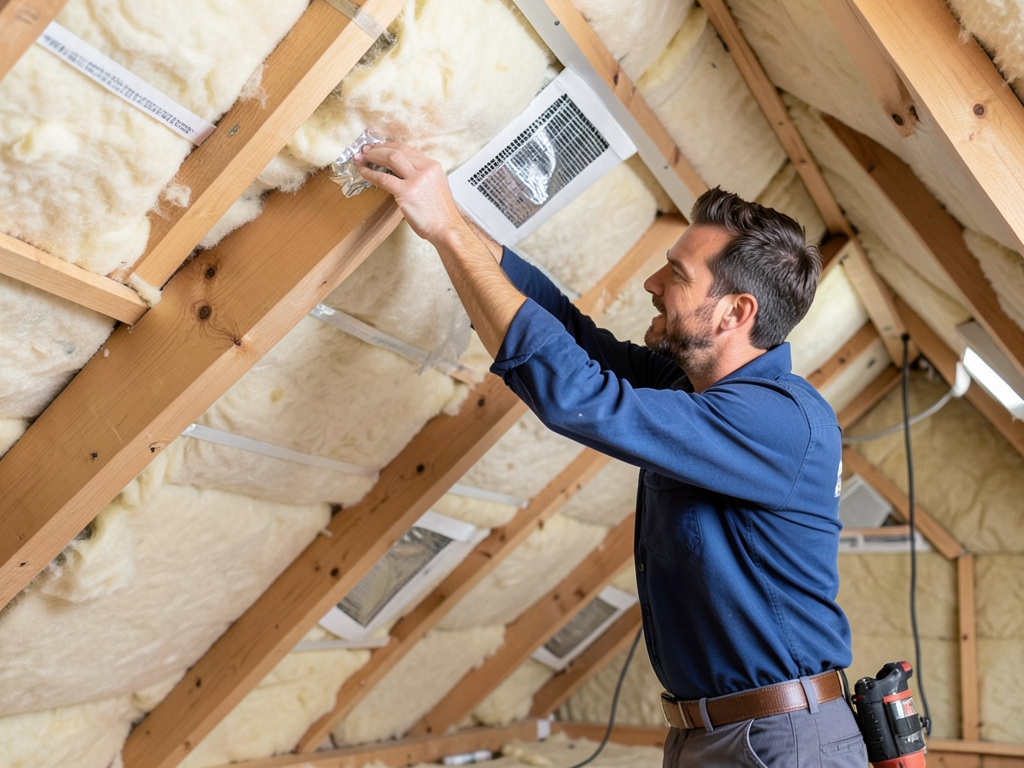
Why Adding Attic Insulation is the Secret to Better AC Performance in Medfield
Your air conditioner works harder than it should because heat is sneaking into your home through the attic. In Medfield’s humid Baltimore summers your AC runs constantly trying to keep up with the heat gain from above. Adding proper attic insulation creates a thermal barrier that can cut your cooling costs by 15-20% while extending your AC’s lifespan. Adding Central Air to Your Hampden Rowhome Without Ruining the Character.
Many Medfield homes built before the 1980s have inadequate insulation that fails to meet today’s energy efficiency standards. The Department of Energy recommends R-49 to R-60 insulation for Baltimore’s climate zone 4. Without this barrier your AC compressor cycles more frequently leading to premature wear and higher energy bills. Department of Energy insulation guidelines.
Proper attic insulation does more than just keep heat out. It also prevents moisture problems that plague Baltimore homes during humid summers. When warm moist air hits a cold attic surface condensation forms creating the perfect environment for mold growth and wood rot. This hidden damage can compromise your roof structure and indoor air quality.. Read more about What to Do When Your AC Coils Freeze Up During a Humid Dundalk Summer.
The stack effect in Medfield’s climate makes insulation even more critical. During summer hot air rises through your home and gets trapped in the attic. Without proper insulation this heat radiates down into your living spaces forcing your AC to work overtime. The same principle applies in winter when heated air escapes through the attic causing your furnace to run longer.
Understanding how heat moves through your home helps explain why insulation matters. Heat transfers through three methods: conduction through solid materials radiation across air spaces and convection through air movement. Proper insulation blocks all three pathways creating a complete thermal envelope around your living space.. Read more about How a Home Energy Audit Helps Reisterstown Homeowners Lower Their Monthly Bills.
Different insulation materials handle Baltimore’s climate challenges differently. Fiberglass batts are inexpensive but can settle over time reducing their effectiveness. Cellulose made from recycled paper resists air flow better and provides superior sound dampening. Spray foam creates an air seal while providing insulation but costs more upfront.
Air sealing goes hand in hand with insulation. Small gaps around light fixtures plumbing vents and attic access doors can leak as much air as an open window. Professional air sealing identifies and closes these bypasses preventing conditioned air from escaping and unconditioned air from entering.
BGE offers Smart Energy Savers Program rebates that can offset 50% of insulation costs up to $2000 for qualified homes. These incentives combined with the 25C federal tax credit for energy efficient home improvements make upgrading your insulation more affordable than ever. Energy Star insulation standards.
Medfield’s historic homes face unique insulation challenges. Many have knob-and-tube wiring that cannot be covered by insulation creating safety hazards. Others have minimal attic space making proper installation difficult. Professional assessment ensures your insulation upgrade meets both safety codes and performance goals.
Ice dam formation in Baltimore winters signals inadequate insulation. When heat escapes through the attic it melts snow on the roof which refreezes at the eaves creating ice dams. These can damage shingles and cause water leaks. Proper insulation keeps the attic cold preventing this cycle.
Moisture control becomes critical when adding insulation to older homes. Baltimore’s high humidity means attics need proper ventilation to prevent condensation. Soffit vents draw cool air in while ridge vents allow hot air to escape creating natural airflow that keeps attic temperatures and moisture levels in check.
Manual J load calculations show how insulation impacts HVAC sizing. A well-insulated home may need a smaller AC unit than building codes initially required. This downsizing opportunity can save thousands in equipment costs while improving comfort and efficiency.
Radiant barriers installed under the roof deck reflect heat before it enters the attic. In Medfield’s sunny climate this can reduce attic temperatures by 20-30 degrees reducing the cooling load on your AC system. Combined with traditional insulation radiant barriers provide maximum heat protection.
Thermal bridging occurs when heat travels through wood framing that penetrates the insulation layer. Advanced framing techniques and continuous insulation blankets minimize this effect ensuring your insulation performs at its rated R-value throughout the entire attic space.
Cellulose insulation handles Baltimore’s humidity better than fiberglass because it’s treated with borate fire retardants that also resist mold and pests. Its dense packing prevents air movement that can carry moisture through the insulation layer reducing the risk of condensation problems.
Attic bypasses are often overlooked sources of energy loss. These include gaps around chimneys recessed lights and attic hatches. Professional energy auditors use infrared cameras to identify these hidden leaks which can account for 30% of a home’s heating and cooling losses.
Proper insulation extends AC compressor life by reducing run time and temperature cycling. Compressors fail when they overheat from constant operation. By keeping your attic cooler insulation reduces the thermal stress on your AC components potentially adding years to system life.
BPI certified professionals follow building performance standards when upgrading insulation. They test for air leakage measure insulation levels and verify that ventilation systems work properly after installation. This comprehensive approach ensures your insulation upgrade delivers maximum benefits.
Older Medfield homes often have insufficient attic ventilation leading to moisture problems. Adding proper intake and exhaust vents prevents condensation while maintaining the insulation’s thermal performance. The right ventilation system keeps attic temperatures within 10-15 degrees of outdoor temperatures.
Energy Star certified insulation products meet strict performance standards for thermal resistance and air infiltration. These products often qualify for additional rebates and provide better long-term performance than standard insulation materials.
Attic insulation affects indoor air quality by reducing the infiltration of outdoor pollutants dust and allergens. A properly sealed and insulated attic creates a cleaner indoor environment especially important for Medfield families with allergies or respiratory issues. Why Pikesville Families are Switching to High Efficiency Heat Pumps.
The return on investment for attic insulation typically ranges from 2-5 years depending on your current insulation levels and energy rates. With BGE rebates and tax credits many Medfield homeowners see payback periods under 3 years while enjoying improved comfort immediately.
Professional installation ensures insulation is properly distributed without gaps or compression. These installation defects can reduce insulation effectiveness by 30% or more. Trained installers also address safety concerns like proper clearance from heat sources and electrical fixtures.
Climate zone 4 requirements specify minimum R-values based on heating and cooling degree days. Baltimore’s 3500+ cooling degree days and 4000+ heating degree days make proper insulation essential for year-round comfort and efficiency.
Moisture barriers prevent water vapor from entering the attic space where it can condense on cold surfaces. In Baltimore’s humid climate these barriers are essential for preventing mold growth and maintaining insulation performance over time.
Sound dampening is an often overlooked benefit of attic insulation. Dense materials like cellulose and spray foam reduce noise transmission from outside creating quieter indoor environments. This is especially valuable in Medfield’s older homes with less sound isolation.
Fire safety considerations affect insulation choices in attics. Some materials like cellulose are treated with fire retardants while others like fiberglass are naturally non-combustible. Professional installers ensure proper fire blocking and clearance from heat sources.
Attic access hatches often represent significant energy loss. These openings should be weatherstripped and insulated just like exterior doors. Simple upgrades to attic hatches can improve overall insulation performance by 5-10%.
Rebate programs change frequently so checking current BGE offers before starting your project ensures you maximize available incentives. Some programs require pre-approval or specific installation methods to qualify for the highest rebate amounts.
DIY insulation installation often leads to problems like uneven coverage compressed batts and missed air sealing opportunities. Professional installation includes comprehensive assessment air sealing and quality verification that DIY cannot match.
The right insulation depth depends on your attic’s framing and ventilation system. Standard 2×6 rafters accommodate R-19 insulation while 2×8 rafters can hold R-30. Deeper insulation may require raised heel trusses or other modifications for proper installation.
Energy audits provide data on your home’s specific insulation needs. These assessments measure current R-values identify air leaks and recommend targeted improvements. Many BGE rebates require an audit before and after insulation work to verify performance improvements.
Proper insulation reduces your carbon footprint by decreasing energy consumption. A typical Medfield home can save 1-2 tons of CO2 emissions annually through insulation upgrades while also reducing strain on the local power grid during peak demand periods. Carbon Monoxide Leak Detection.
Attic insulation interacts with other home systems. For example proper insulation may allow you to downsize your AC unit when replacement time comes. This equipment sizing reduction can save thousands while improving efficiency and comfort.
Moisture meters help professionals verify that existing insulation isn’t already compromised by water damage. Wet insulation loses most of its thermal resistance and can harbor mold growth. Testing ensures you’re not covering up existing problems with new insulation.
Radiant heat from the sun can make attics dangerously hot in summer. Temperatures over 150 degrees can damage stored items and create fire hazards. Proper insulation and ventilation keep attic temperatures manageable while protecting your home’s structure.
The physics of heat transfer means that even small insulation gaps can significantly reduce overall performance. Heat follows the path of least resistance so a 5% gap in coverage can reduce insulation effectiveness by 20% or more.
Professional energy modeling shows how insulation upgrades affect your home’s thermal performance. These calculations consider local climate factors building orientation and existing systems to predict energy savings and comfort improvements with scientific accuracy.
Attic insulation represents one of the most cost-effective home improvements available. Unlike many upgrades that provide only aesthetic benefits insulation delivers measurable energy savings improved comfort and increased home value through enhanced efficiency.
Building codes continue to evolve with energy efficiency requirements becoming more stringent. Homes built to current standards use 50% less energy than those from the 1980s. Upgrading insulation helps older homes meet modern performance expectations.
The stack effect reverses in winter when heated air rises and escapes through the attic. This creates negative pressure that draws cold air in through lower levels. Proper insulation breaks this cycle maintaining consistent temperatures throughout your home year-round.
Air quality testing after insulation upgrades often shows reduced levels of outdoor pollutants and allergens. The sealed building envelope prevents contaminated outdoor air from entering while maintaining healthy indoor air circulation through your HVAC system.
Insulation lifespan varies by material with fiberglass lasting 80-100 years while cellulose may settle over 20-30 years. Understanding these timelines helps plan for future maintenance and ensures your insulation continues performing optimally throughout your home’s life.. Read more about Understanding Why Your Woodberry Loft Feels Stuffy Even When the AC Is Running.
Professional assessment identifies whether your attic needs insulation removal before adding new material. Contaminated or damaged existing insulation can compromise new installation and should be addressed before proceeding with upgrades.
The economics of insulation make it attractive even without rebates. Energy savings alone typically pay for upgrades within 5-7 years while providing immediate comfort benefits and potentially increasing your home’s resale value through improved efficiency ratings.
Climate change considerations make insulation more important as summers get hotter and winters more variable. Proper insulation provides resilience against extreme weather while reducing your home’s environmental impact through lower energy consumption.
Attic insulation affects your home’s ability to handle power outages. Well-insulated homes maintain comfortable temperatures longer without AC allowing your family to stay safe during summer blackouts while neighbors with poor insulation suffer.
The science of building envelopes continues advancing with new materials and techniques emerging regularly. Staying current with insulation technology ensures your home benefits from the latest efficiency improvements and comfort enhancements.
Professional installation includes post-upgrade testing to verify performance. This quality assurance step confirms that insulation levels meet specifications and that air sealing improvements deliver the expected energy savings and comfort benefits.
Attic insulation represents a long-term investment in your home’s performance and your family’s comfort. The upfront costs deliver decades of energy savings improved indoor air quality and enhanced living conditions that make your home more enjoyable year-round.
Call (443) 390-4933 today to schedule your attic insulation assessment. Our BPI certified professionals will evaluate your current insulation levels identify energy loss areas and recommend solutions that maximize your comfort and savings.
Frequently Asked Questions
How much insulation does my Medfield attic need?
Most Medfield homes need R-49 to R-60 insulation in the attic. This meets Baltimore’s climate zone 4 requirements and provides optimal energy savings. Homes built before 1980 often have only R-19 to R-30 which is insufficient for our climate.
Can I install insulation myself to save money?
DIY installation often leads to problems like uneven coverage compressed material and missed air sealing. Professional installation includes proper safety measures air sealing verification and quality testing that DIY cannot match. The small additional cost typically pays for itself through better performance.
How long does attic insulation installation take?
Most attic insulation projects complete in one day. The process includes assessment preparation installation and cleanup. Complex projects involving air sealing or ventilation upgrades may take 2-3 days depending on home size and existing conditions.
Will insulation help with my summer cooling bills?
Yes. Proper attic insulation can reduce cooling costs by 15-20% by preventing heat from entering your living space. This means your AC runs less often stays cooler longer and uses less electricity during Baltimore’s hot summers.
Are there rebates available for attic insulation in Baltimore?
BGE offers Smart Energy Savers Program rebates covering up to 50% of insulation costs up to $2000. Federal tax credits through the Energy Efficient Home Improvement Credit provide additional savings. These incentives can cut your upgrade costs significantly. Why Federal Hill Rowhouses Need Specialized Boiler Repair Services.
How do I know if my current insulation is adequate?
Signs of inadequate insulation include high energy bills uneven temperatures ice dams in winter and an AC that runs constantly on hot days. Professional energy audits use infrared cameras and other tools to measure actual insulation performance and identify improvement opportunities.
You may also find this helpful. Solving Common Hot and Cold Spot Issues in Multi Story Hamilton Lauraville Homes.
{
“@context”: “https://schema.org”,
“@type”: “BlogPosting”,
“headline”: “Why Adding Attic Insulation is the Secret to Better AC Performance in Medfield”,
“description”: “Discover how attic insulation boosts AC efficiency in Medfield homes. Learn about R-values, BGE rebates, and moisture control for Baltimore’s humid climate.”,
“wordCount”: 2318,
“datePublished”: “2026-04-09T14:09:00.000Z”,
“dateModified”: “2026-04-09T14:09:00.000Z”,
“inLanguage”: “en-US”,
“mainEntityOfPage”: {
“@type”: “WebPage”,
“@id”: “https://victoryhvacbaltimore.com”
},
“publisher”: {
“@type”: “LocalBusiness”,
“name”: “Victory HVAC Baltimore”,
“url”: “https://victoryhvacbaltimore.com”
},
“author”: {
“@type”: “Organization”,
“name”: “Victory HVAC Baltimore”,
“url”: “https://victoryhvacbaltimore.com”
},
“image”: {
“@type”: “ImageObject”,
“url”: “https://victoryhvacbaltimore.com/wp-content/uploads/2026/03/why-adding-attic-insulation-is-the-secret-to-bette-1.png”
}
}
{
“@context”: “https://schema.org”,
“@type”: “HVACBusiness”,
“name”: “Victory HVAC Baltimore”,
“url”: “https://victoryhvacbaltimore.com”,
“address”: {
“@type”: “PostalAddress”,
“addressLocality”: “Baltimore”
},
“areaServed”: {
“@type”: “City”,
“name”: “Baltimore”
}
}
{
“@context”: “https://schema.org”,
“@type”: “FAQPage”,
“mainEntity”: [
{
“@type”: “Question”,
“name”: “How much insulation does my Medfield attic need?”,
“acceptedAnswer”: {
“@type”: “Answer”,
“text”: “Most Medfield homes need R-49 to R-60 insulation in the attic. This meets Baltimore’s climate zone 4 requirements and provides optimal energy savings. Homes built before 1980 often have only R-19 to R-30 which is insufficient for our climate.”
}
},
{
“@type”: “Question”,
“name”: “Can I install insulation myself to save money?”,
“acceptedAnswer”: {
“@type”: “Answer”,
“text”: “DIY installation often leads to problems like uneven coverage compressed material and missed air sealing. Professional installation includes proper safety measures air sealing verification and quality testing that DIY cannot match. The small additional cost typically pays for itself through better performance.”
}
},
{
“@type”: “Question”,
“name”: “How long does attic insulation installation take?”,
“acceptedAnswer”: {
“@type”: “Answer”,
“text”: “Most attic insulation projects complete in one day. The process includes assessment preparation installation and cleanup. Complex projects involving air sealing or ventilation upgrades may take 2-3 days depending on home size and existing conditions.”
}
},
{
“@type”: “Question”,
“name”: “Will insulation help with my summer cooling bills?”,
“acceptedAnswer”: {
“@type”: “Answer”,
“text”: “Yes. Proper attic insulation can reduce cooling costs by 15-20% by preventing heat from entering your living space. This means your AC runs less often stays cooler longer and uses less electricity during Baltimore’s hot summers.”
}
},
{
“@type”: “Question”,
“name”: “Are there rebates available for attic insulation in Baltimore?”,
“acceptedAnswer”: {
“@type”: “Answer”,
“text”: “BGE offers Smart Energy Savers Program rebates covering up to 50% of insulation costs up to $2000. Federal tax credits through the Energy Efficient Home Improvement Credit provide additional savings. These incentives can cut your upgrade costs significantly. Why Federal Hill Rowhouses Need Specialized Boiler Repair Services.”
}
},
{
“@type”: “Question”,
“name”: “How do I know if my current insulation is adequate?”,
“acceptedAnswer”: {
“@type”: “Answer”,
“text”: “Signs of inadequate insulation include high energy bills uneven temperatures ice dams in winter and an AC that runs constantly on hot days. Professional energy audits use infrared cameras and other tools to measure actual insulation performance and identify improvement opportunities.”
}
}
]
}
{
“@context”: “https://schema.org”,
“@type”: “BreadcrumbList”,
“itemListElement”: [
{
“@type”: “ListItem”,
“position”: 1,
“name”: “Home”,
“item”: “https://victoryhvacbaltimore.com”
},
{
“@type”: “ListItem”,
“position”: 2,
“name”: “Blog”,
“item”: “https://victoryhvacbaltimore.com/blog”
},
{
“@type”: “ListItem”,
“position”: 3,
“name”: “Why Adding Attic Insulation is the Secret to Better AC Performance in Medfield”
}
]
}
{
“@context”: “https://schema.org”,
“@type”: “Service”,
“serviceType”: “HVAC”,
“provider”: {
“@type”: “LocalBusiness”,
“name”: “Victory HVAC Baltimore”,
“url”: “https://victoryhvacbaltimore.com”
},
“areaServed”: {
“@type”: “City”,
“name”: “Baltimore”
},
“description”: “Discover how attic insulation boosts AC efficiency in Medfield homes. Learn about R-values, BGE rebates, and moisture control for Baltimore’s humid climate.”
}