
Managing Pet Dander and HVAC Filters for Dog Owners in Butcher’s Hill
If you live in Butcher’s Hill with a dog you are already fighting a battle against pet dander and fur circulating through your HVAC system. The high humidity from Baltimore’s Chesapeake Bay location makes this problem worse by trapping particles in your ductwork and creating ideal conditions for mold growth on dirty filters. Understanding how to manage this issue is essential for keeping your home clean and your HVAC system running efficiently.
Dogs shed dander constantly and even short-haired breeds release microscopic skin particles that become airborne. These particles flow through your return vents and into your HVAC system where standard filters often fail to capture them. In Butcher’s Hill’s historic rowhomes many systems have older ductwork that creates more resistance and allows particles to bypass filters entirely.
The moisture content in Baltimore’s summer air combined with pet dander creates a perfect environment for microbial growth inside your HVAC system. When dander collects on evaporator coils and in ductwork it can lead to musty odors and reduced system efficiency. This is why choosing the right filter and maintaining it properly is critical for dog owners in this area.
How Pet Dander Affects Your HVAC System
Pet dander is much smaller than most people realize. These microscopic skin flakes measure between 2.5 and 10 microns which means they can easily pass through standard fiberglass filters. When dander builds up on your evaporator coil it acts like insulation reducing heat transfer efficiency and forcing your system to work harder.
In Butcher’s Hill’s older homes with original ductwork the problem compounds. These systems often have gaps and leaks that allow unfiltered air to enter. When your dog moves through the house dander becomes airborne and gets pulled into these leaks before reaching the filter. This creates a continuous cycle of contamination.
The sound of your blower motor can tell you a lot about filter condition. A healthy system runs quietly at consistent speeds. When filters become clogged with pet hair and dander the motor strains to pull air through creating a noticeable hum or whine. This strain reduces system lifespan and increases energy costs.
Choosing the Right MERV Rating for Pet Owners
MERV stands for Minimum Efficiency Reporting Value and it measures how effectively a filter captures particles. For dog owners in Butcher’s Hill the sweet spot is typically between MERV 8 and MERV 11. MERV 8 filters capture 90% of particles 3 to 10 microns in size which includes most pet dander and dust.
MERV 11 filters provide better protection capturing 95% of particles in the 1 to 3 micron range. This includes smaller dander particles and some bacteria. However higher MERV ratings create more resistance to airflow. In older Butcher’s Hill homes with smaller ducts MERV 13 or higher can restrict airflow enough to damage your blower motor.
The physical feel of a new MERV 11 filter versus a MERV 8 filter reveals the difference. MERV 11 filters have tighter pleats and feel more substantial. This denser material catches more particles but also restricts airflow more. Your HVAC technician can test your system’s static pressure to determine the highest MERV rating your specific system can handle.
Best Filter Types for Baltimore Dog Owners
High-efficiency pleated filters offer the best balance for most dog owners in Butcher’s Hill. These filters use synthetic media that captures dander without significantly restricting airflow. The pleats increase surface area allowing the filter to hold more debris before needing replacement.
Activated carbon filters add odor control to particle filtration. These filters contain a layer of activated charcoal that absorbs volatile organic compounds from pet odors. The carbon layer feels slightly gritty compared to standard filters and often has a distinct smell when first installed. Carbon Monoxide Leak Detection.
HEPA bypass systems provide hospital-grade filtration but require professional installation. These systems use a separate fan to pull air through a true HEPA filter without restricting your main system. The HEPA media feels like dense paper and can capture 99.97% of particles 0.3 microns or larger. EPA guide to air cleaners and air filters.
Comparison of Filter Types for Pet Owners
| Filter Type | MERV Range | Best For | Lifespan |
|---|---|---|---|
| Standard Pleated | MERV 8-11 | Most dog owners | 1-3 months |
| Activated Carbon | MERV 8-11 | Odor control | 1-2 months |
| HEPA Bypass | MERV 17+ | Severe allergies | 6-12 months |
Maintenance Schedule for Multi-Pet Households
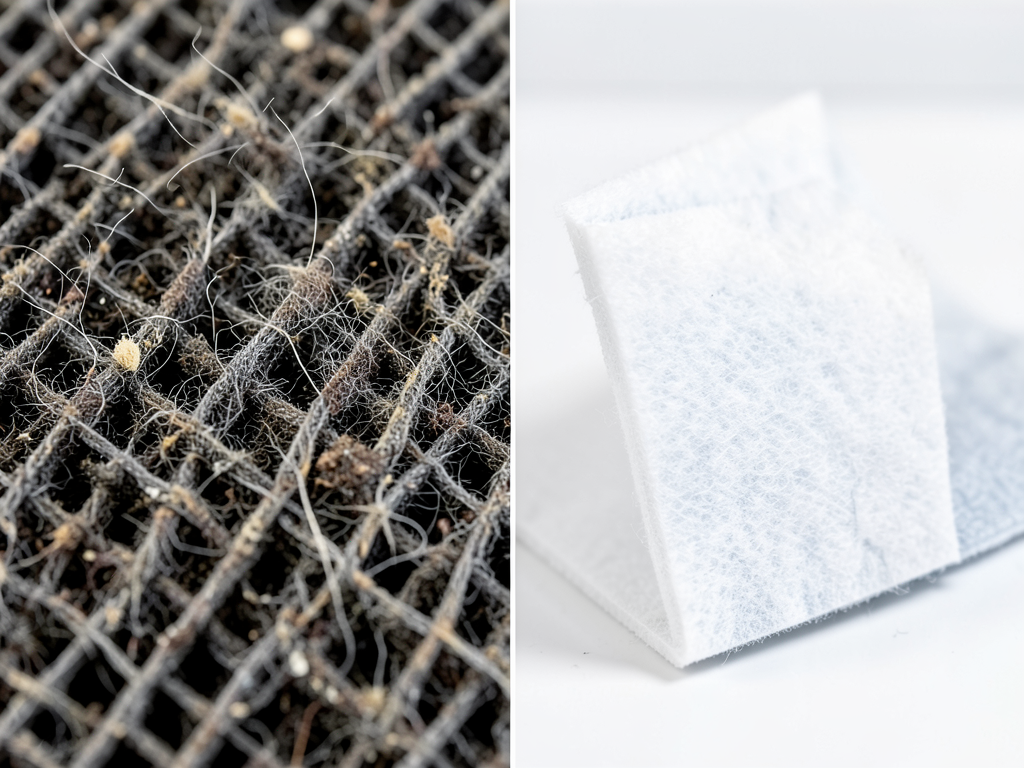
Dogs in Butcher’s Hill require more frequent filter changes than the standard three-month recommendation. The combination of high humidity and pet dander means filters often need replacement every 30 to 60 days. You can test filter condition by holding it up to a light source. A dirty filter blocks most light while a clean one remains translucent.
During Baltimore’s peak summer months when humidity exceeds 70% you should check filters monthly. The moisture in the air causes pet dander to clump and stick to filter media more quickly. This creates a visible gray or brown coating on the filter surface that feels slightly damp to the touch.
For homes with multiple dogs or heavy shedders consider marking your calendar for filter changes. The process takes less than five minutes but forgetting can lead to system strain. A clogged filter forces your blower motor to work harder creating a noticeable increase in your electric bill. Getting Ductless Mini Split Installation for Your Federal Hill Rowhome.
Professional Air Quality Solutions
Whole-home air purifiers integrate directly with your HVAC system to provide continuous filtration. These units use multiple stages of filtration including pre-filters for pet hair, HEPA filters for dander, and UV light for microbial control. The UV light creates a faint blue glow visible through the unit’s inspection window.
UV light installation in your ductwork kills airborne bacteria and mold spores that thrive in Baltimore’s humid conditions. The UV lamps emit a soft purple light and require replacement annually. When functioning properly they eliminate the musty smell that often develops in systems with pet dander buildup.
Duct cleaning benefits dog owners by removing accumulated pet hair and dander from your system. Professional duct cleaning uses rotating brushes and negative air pressure to dislodge debris. The process typically reveals surprising amounts of accumulated material including pet hair, dust, and even small toys that have fallen into floor registers.
Common Mistakes Dog Owners Make
Many dog owners in Butcher’s Hill make the mistake of choosing the highest MERV rating available. While this seems logical it often causes more harm than good. High-MERV filters restrict airflow so much that they can cause your system to freeze up or your blower motor to overheat.
Another common error is ignoring the impact of humidity on filter performance. In Baltimore’s climate filters trap moisture along with particles creating a breeding ground for mold. This is why filters in this area often develop dark spots or a musty smell before their expected replacement date.
Some dog owners wash and reuse disposable filters thinking they are saving money. This practice damages the filter media and creates channels where air bypasses the filtration material. The washed filter may look clean but it provides minimal protection for your HVAC system.
DIY Filter Replacement Steps
- Locate Your Filter
Most filters are in the return air duct or the air handler cabinet. In Butcher’s Hill rowhomes they are often in the basement near the furnace.
- Check Filter Size
Remove the old filter and note the dimensions printed on the frame. Common sizes include 16x20x1 and 20x25x1.
- Install New Filter
Make sure the airflow arrow points toward the blower motor. The filter should slide in easily without forcing.
- Reset System
Turn your HVAC system back on and listen for normal operation. The system should run quietly without unusual humming.
Local Considerations for Butcher’s Hill
Butcher’s Hill’s historic architecture creates unique HVAC challenges for dog owners. Many homes built in the early 1900s have original ductwork with sections running through unconditioned spaces. These ducts often have gaps that allow unfiltered air to enter the system before reaching the filter.
The neighborhood’s proximity to the harbor means higher humidity levels than areas further inland. This humidity affects filter performance by causing particles to stick together and to the filter media. You may notice your filters becoming discolored or developing an odor more quickly than in drier climates.
Butcher’s Hill’s tree-lined streets contribute to seasonal challenges. In spring and fall pollen combines with pet dander creating a heavier particle load on your HVAC system. During these seasons you may need to check filters every two weeks instead of monthly.
When to Call a Professional
Certain signs indicate you need professional help with your HVAC system. If your home develops persistent pet odors despite regular filter changes your system may need professional cleaning. The smell of a contaminated system is distinct musty with a slightly sweet undertone from accumulated dander.
Unusual system noises warrant professional attention. A failing blower motor often produces a high-pitched whine or clicking sound. These noises indicate the motor is struggling against restricted airflow from a clogged filter or blocked ducts.
If your energy bills suddenly increase without explanation your system may be working harder due to dirty filters or restricted airflow. A professional can test your system’s static pressure and recommend solutions specific to your home’s needs.
Long-Term Benefits of Proper Filtration
Investing in proper filtration for your dog-owning household pays off in multiple ways. Clean filters improve indoor air quality reducing allergy symptoms and creating a more comfortable living environment. The difference in air quality is noticeable within days of installing the right filter.
Proper filtration extends the life of your HVAC system by preventing dust and dander from accumulating on sensitive components. A clean system runs more efficiently using less energy and requiring fewer repairs. This translates to lower utility bills and fewer service calls. How to Get Emergency AC Repair in Canton When Your System Fails in a Heatwave.
Maintaining clean filters also protects your home’s furnishings. Pet dander that passes through dirty filters settles on furniture, bedding, and floors requiring more frequent cleaning. With proper filtration you will spend less time dusting and vacuuming.
Frequently Asked Questions
How often should I change my HVAC filter with a dog in Butcher’s Hill?
Most dog owners in Butcher’s Hill should change filters every 30 to 60 days depending on the number of pets and shedding level. Check filters monthly during peak humidity months.
Can pet dander damage my HVAC system?
Yes. Pet dander can accumulate on evaporator coils and in ductwork reducing efficiency and potentially causing system strain. Regular filter changes prevent this buildup.
What’s the best MERV rating for homes with dogs?
MERV 8 to MERV 11 provides the best balance for most dog owners. Higher ratings may restrict airflow in older Butcher’s Hill homes.
Why does my house still smell like dog even with a new filter?
The smell may come from dander buildup in ductwork or on evaporator coils. Professional duct cleaning or UV light installation may be needed.
Are HEPA filters worth it for pet owners?
HEPA filters capture more dander but require special installation to avoid restricting airflow. They are worth considering for severe allergy sufferers.
Managing pet dander in your Butcher’s Hill home requires understanding your specific HVAC system and the local climate challenges. The right filter choice combined with proper maintenance schedule can significantly improve your indoor air quality and system efficiency. If you are unsure about the best approach for your home call (443) 390-4933 to speak with a local HVAC professional who understands Butcher’s Hill’s unique needs.
Don’t wait until your system shows signs of strain. Regular maintenance and the right filtration strategy will keep your home comfortable and your HVAC system running efficiently for years to come. Pick up the phone and call (443) 390-4933 before the next humidity spike makes your pet dander problems worse. For more information, visit ASHRAE filtration standards.
{
“@context”: “https://schema.org”,
“@type”: “BlogPosting”,
“headline”: “Managing Pet Dander and HVAC Filters for Dog Owners in Butcher’s Hill”,
“description”: “Learn how Baltimore’s high humidity affects pet dander in Butcher’s Hill homes and discover the best HVAC filters for dog owners. Call (443) 390-4933 for expert advice.”,
“wordCount”: 1987,
“datePublished”: “2026-05-15T11:31:00.000Z”,
“dateModified”: “2026-05-15T11:31:00.000Z”,
“inLanguage”: “en-US”,
“mainEntityOfPage”: {
“@type”: “WebPage”,
“@id”: “https://victoryhvacbaltimore.com”
},
“publisher”: {
“@type”: “LocalBusiness”,
“name”: “Victory HVAC Baltimore”,
“url”: “https://victoryhvacbaltimore.com”
},
“author”: {
“@type”: “Organization”,
“name”: “Victory HVAC Baltimore”,
“url”: “https://victoryhvacbaltimore.com”
},
“image”: {
“@type”: “ImageObject”,
“url”: “https://victoryhvacbaltimore.com/wp-content/uploads/2026/03/managing-pet-dander-and-hvac-filters-for-dog-owner-1.png”
}
}
{
“@context”: “https://schema.org”,
“@type”: “HVACBusiness”,
“name”: “Victory HVAC Baltimore”,
“url”: “https://victoryhvacbaltimore.com”,
“address”: {
“@type”: “PostalAddress”,
“addressLocality”: “Baltimore”
},
“areaServed”: {
“@type”: “City”,
“name”: “Baltimore”
}
}
{
“@context”: “https://schema.org”,
“@type”: “FAQPage”,
“mainEntity”: [
{
“@type”: “Question”,
“name”: “How often should I change my HVAC filter with a dog in Butcher’s Hill?”,
“acceptedAnswer”: {
“@type”: “Answer”,
“text”: “Most dog owners in Butcher’s Hill should change filters every 30 to 60 days depending on the number of pets and shedding level. Check filters monthly during peak humidity months.”
}
},
{
“@type”: “Question”,
“name”: “Can pet dander damage my HVAC system?”,
“acceptedAnswer”: {
“@type”: “Answer”,
“text”: “Yes. Pet dander can accumulate on evaporator coils and in ductwork reducing efficiency and potentially causing system strain. Regular filter changes prevent this buildup.”
}
},
{
“@type”: “Question”,
“name”: “What’s the best MERV rating for homes with dogs?”,
“acceptedAnswer”: {
“@type”: “Answer”,
“text”: “MERV 8 to MERV 11 provides the best balance for most dog owners. Higher ratings may restrict airflow in older Butcher’s Hill homes.”
}
},
{
“@type”: “Question”,
“name”: “Why does my house still smell like dog even with a new filter?”,
“acceptedAnswer”: {
“@type”: “Answer”,
“text”: “The smell may come from dander buildup in ductwork or on evaporator coils. Professional duct cleaning or UV light installation may be needed.”
}
},
{
“@type”: “Question”,
“name”: “Are HEPA filters worth it for pet owners?”,
“acceptedAnswer”: {
“@type”: “Answer”,
“text”: “HEPA filters capture more dander but require special installation to avoid restricting airflow. They are worth considering for severe allergy sufferers.”
}
}
]
}
{
“@context”: “https://schema.org”,
“@type”: “HowTo”,
“name”: “How to Replace Your HVAC Filter”,
“step”: [
{
“@type”: “HowToStep”,
“position”: 1,
“name”: “Locate Your Filter”,
“text”: “Most filters are in the return air duct or the air handler cabinet. In Butcher’s Hill rowhomes they are often in the basement near the furnace.”
},
{
“@type”: “HowToStep”,
“position”: 2,
“name”: “Check Filter Size”,
“text”: “Remove the old filter and note the dimensions printed on the frame. Common sizes include 16x20x1 and 20x25x1.”
},
{
“@type”: “HowToStep”,
“position”: 3,
“name”: “Install New Filter”,
“text”: “Make sure the airflow arrow points toward the blower motor. The filter should slide in easily without forcing.”
},
{
“@type”: “HowToStep”,
“position”: 4,
“name”: “Reset System”,
“text”: “Turn your HVAC system back on and listen for normal operation. The system should run quietly without unusual humming.”
}
],
“image”: “https://victoryhvacbaltimore.com/wp-content/uploads/2026/03/managing-pet-dander-and-hvac-filters-for-dog-owner-1.png”
}
{
“@context”: “https://schema.org”,
“@type”: “BreadcrumbList”,
“itemListElement”: [
{
“@type”: “ListItem”,
“position”: 1,
“name”: “Home”,
“item”: “https://victoryhvacbaltimore.com”
},
{
“@type”: “ListItem”,
“position”: 2,
“name”: “Blog”,
“item”: “https://victoryhvacbaltimore.com/blog”
},
{
“@type”: “ListItem”,
“position”: 3,
“name”: “Managing Pet Dander and HVAC Filters for Dog Owners in Butcher’s Hill”
}
]
}
{
“@context”: “https://schema.org”,
“@type”: “Service”,
“serviceType”: “HVAC”,
“provider”: {
“@type”: “LocalBusiness”,
“name”: “Victory HVAC Baltimore”,
“url”: “https://victoryhvacbaltimore.com”
},
“areaServed”: {
“@type”: “City”,
“name”: “Baltimore”
},
“description”: “Learn how Baltimore’s high humidity affects pet dander in Butcher’s Hill homes and discover the best HVAC filters for dog owners. Call (443) 390-4933 for expert advice.”
}