
How to Tell If Your Nottingham Home is Losing Air Through Leaky Ducts
Your Nottingham home might be wasting energy through leaky ducts without you even knowing it. Most homes lose 20-30% of conditioned air through gaps in ductwork according to Energy Star data. This means your HVAC system works harder than it should, driving up utility bills and creating uncomfortable hot or cold spots throughout your house.
Duct leaks happen when joints separate, seals break down, or holes develop in the duct material. In Nottingham’s older homes built in the 1980s and 1990s, aging ductwork is especially vulnerable. The humid summers and cold winters in Baltimore County put extra stress on these systems, making regular inspection crucial for maintaining comfort and efficiency.
Common Signs Your Ducts Are Leaking
Several warning signs indicate your Nottingham home may have duct leakage problems. Recognizing these symptoms early can save you money and prevent larger HVAC issues down the road.
Uneven Temperatures Between Rooms
When some rooms feel too hot while others stay cold, leaky ducts often cause the problem. Supply ducts carry conditioned air to different parts of your home. If leaks occur before the air reaches certain rooms, those spaces never get proper heating or cooling. You might notice this most in rooms farthest from your HVAC unit or those above the garage.
Excessive Dust Throughout Your Home
Leaky return ducts pull in dust, insulation particles, and other contaminants from unconditioned spaces like attics or crawl spaces. This debris circulates through your home, settling on furniture and making your air filters clog faster than normal. If you find yourself dusting more frequently or changing filters monthly instead of quarterly, duct leaks could be the culprit.
Higher Than Normal Energy Bills
When your HVAC system loses 20-30% of its conditioned air, it must run longer to achieve the desired temperature. This increased runtime shows up as higher monthly utility bills from BGE. Compare your current bills to the same months from previous years. A steady upward trend without changes in usage patterns often points to system inefficiency from duct leaks.
Weak Airflow from Vents
Walk around your home and check each vent. If airflow feels weak or inconsistent between rooms, duct leaks might be stealing your conditioned air before it reaches the vents. You can test this by holding a piece of tissue paper near each vent while the system runs. Strong airflow should make the paper flutter noticeably.
Excessive Humidity or Dry Air
Leaky ducts in humid spaces like attics can pull moisture into your system, making your home feel muggy even when the AC runs constantly. Conversely, leaks in cold spaces during winter can allow dry, cold air to enter, creating uncomfortable static electricity and dry skin issues.
How to Test for Duct Leaks Yourself
While professional testing provides the most accurate results, you can perform several simple checks to identify potential duct problems in your Nottingham home.
The Visual Inspection Method
Start by examining accessible ductwork in your basement, attic, or crawl space. Look for these warning signs:
- Disconnected joints where duct sections meet
- Torn or damaged flexible duct material
- Missing or damaged insulation around ducts
- Visible gaps around connections to vents or the HVAC unit
- Evidence of pest damage or nesting materials
Use a flashlight to inspect joints and connections thoroughly. Pay special attention to areas where ducts bend or connect to registers.
The Smoke Test
Turn your HVAC system to fan-only mode. Light an incense stick or use a smoke pencil near duct connections, joints, and vents. Watch for smoke movement patterns. If smoke gets pulled into or pushed away from a connection point, you’ve found a leak. This test works best on calm days with minimal air movement.
The Temperature Check
Use an infrared thermometer or even your hand to check temperatures at supply vents. Supply air should feel significantly cooler than room air in summer or warmer in winter. If some vents produce air at room temperature or only slightly different, duct leaks might be preventing proper conditioning.
The Utility Bill Comparison
Review your BGE bills from the past 12-24 months. Look for unusual spikes during normal usage periods. Compare your actual usage in kilowatt-hours or therms to the average for similar homes in Baltimore County. Many utility companies provide this comparison on your bill. Usage significantly above average suggests system inefficiency.
Professional Duct Testing Methods
Professional HVAC technicians use specialized equipment to accurately measure duct leakage and identify problem areas. These methods provide quantitative results that help determine whether sealing is necessary.
Blower Door Test
Technicians install a large fan in an exterior door frame to depressurize your entire home. This creates a controlled pressure difference that reveals air leaks throughout the building envelope, including duct connections. The test measures air infiltration rates in cubic feet per minute and compares them to Energy Star standards for your home’s size.
Duct Blaster Test
This specialized test focuses specifically on your ductwork. A fan connects to your duct system, either at the air handler or through a temporary opening. Technicians seal all vents and registers, then pressurize the ducts to measure leakage rates. The test quantifies total duct leakage and identifies whether leaks are in the supply or return side.
Pressure Pan Testing
Technicians use pressure pans over individual vents while the system runs to isolate problem areas. This method helps identify which duct runs have the worst leaks and whether issues exist in the supply or return side of your system.
Thermal Imaging
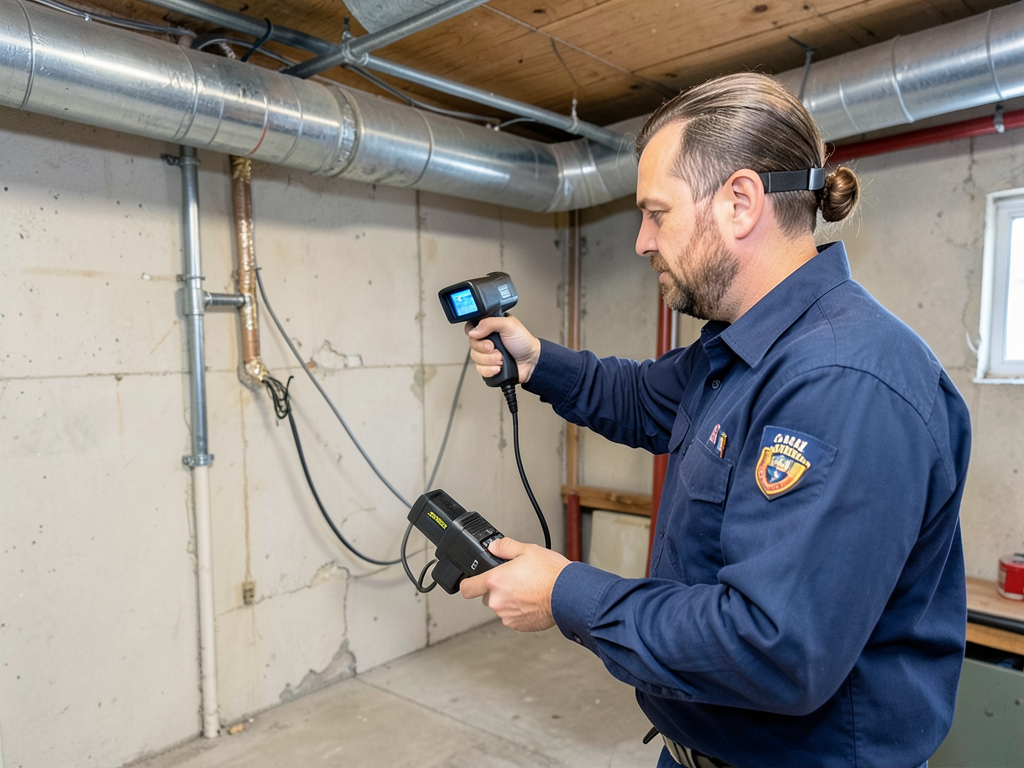
Infrared cameras detect temperature differences that indicate duct leaks. Cool spots in winter or warm spots in summer reveal where conditioned air escapes. This non-invasive method works best when there’s a significant temperature difference between indoor and outdoor air.
Common Causes of Duct Leaks in Nottingham Homes
Understanding why ducts leak helps prevent future problems and identify the most likely locations for leaks in your specific home.
Age-Related Deterioration
Most Nottingham homes built in the 1980s and 1990s are now 35-45 years old. Standard duct tape degrades over time, losing its adhesive properties. Metal duct joints can separate as building materials expand and contract with seasonal temperature changes. Flexible duct material becomes brittle and develops cracks or holes.
Poor Initial Installation
Homes built during construction booms often received rushed duct installation. Common problems include inadequate sealing at joints, improper support causing sagging, and undersized return ducts creating excessive pressure that forces leaks at weak points.
Pest Infestation
Rats, mice, and squirrels sometimes nest in attic or crawl space ductwork. They chew through flexible duct material, create entry holes, and damage insulation. Signs include droppings near ducts, nesting materials, or visible chew marks on duct surfaces.
Water Damage
Leaks in roofs or plumbing can damage duct insulation and cause rust on metal ducts. Water promotes mold growth inside ducts and weakens the structural integrity of duct connections. Baltimore County’s freeze-thaw cycles can worsen water-related damage.
Improper Repairs
DIY repairs using standard duct tape often fail within months. Professional repairs require specialized foil tape or mastic sealant that creates permanent bonds. Previous homeowners may have attempted fixes that actually made problems worse by creating new pressure imbalances.
Cost Impact of Leaky Ducts
The financial impact of duct leaks extends beyond higher utility bills. Understanding these costs helps justify professional inspection and repair.
| Cost Factor | Annual Impact | Notes |
|---|---|---|
| Increased Energy Bills | $200-600 | 20-30% of heating/cooling costs |
| Reduced Equipment Lifespan | $300-800 | Extra runtime causes premature failure |
| Indoor Air Quality Issues | $100-300 | Medical costs from allergens/pollutants |
| Comfort-Related Expenses | $150-400 | Space heaters, fans, portable AC units |
| Potential Water Damage | $500-2,000 | Condensation from temperature differences |
These figures assume average Baltimore County energy rates and typical duct leakage severity. Severe cases can cost significantly more.
Professional Duct Sealing Options
When DIY testing reveals problems or you want professional verification, several duct sealing methods exist. Each approach has specific advantages depending on your home’s construction and the severity of leaks.
Aeroseal Technology
Aeroseal uses polymer particles that seal leaks from the inside of ducts. Technicians block all vents and registers, then inject aerosolized sealant particles into the duct system. Particles collect at leak sites where air pressure forces them through gaps, creating seals up to 1/4 inch wide.
The process includes computer monitoring that shows real-time improvement in duct leakage rates. Most homes see 60-80% reduction in duct leakage. The non-invasive method works well in finished basements where accessing ducts physically would be difficult or destructive.
Manual Mastic Sealing
Technicians access ducts directly and apply water-based mastic sealant to leak points. This method works best when ducts are accessible in basements, attics, or crawl spaces. Mastic creates a permanent, flexible seal that withstands temperature changes and building movement.
The process often includes replacing damaged insulation and securing loose duct connections. Manual sealing allows visual inspection of duct condition and identification of structural problems that aerosol methods might miss.
Foil Tape Sealing
High-quality foil tape provides a quick fix for accessible leaks. Unlike standard duct tape, UL 181-rated foil tape withstands temperature extremes and creates durable seals. This method works best for small, accessible leaks and as a supplement to other sealing methods.
Technicians often use foil tape for sealing around access panels, register boots, and other connection points where mastic might be difficult to apply cleanly.
Duct Replacement
In severe cases, especially with very old or damaged ductwork, complete replacement might be most cost-effective. This approach eliminates all existing problems and allows for system redesign to improve efficiency. Replacement often includes upgrading to properly sized ducts and adding insulation to meet current Energy Star standards. Adding Central Air to Your Hampden Rowhome Without Ruining the Character.
Energy Star and Building Code Requirements
Current building codes and Energy Star standards specify maximum allowable duct leakage rates. Understanding these requirements helps evaluate whether your system meets modern efficiency standards.
According to the 2021 International Energy Conservation Code (IECC), new duct systems must test at less than 4 cubic feet per minute of leakage per 100 square feet of floor area. Existing homes undergoing major renovations must meet similar standards.
Energy Star Version 3.0 requires duct systems to test at less than 4% of total airflow for new construction. For existing homes, the standard is less than 6% leakage. These requirements ensure systems operate efficiently and provide consistent comfort throughout the home.
Maryland’s adoption of these codes means Nottingham homes undergoing significant HVAC work must meet these standards. Professional duct testing often becomes mandatory for permit approval on major renovations.
When to Call a Professional
While DIY testing helps identify potential problems, certain situations require professional HVAC expertise. Call a professional if you notice:
- Multiple rooms with comfort issues
- Utility bills increasing without usage changes
- Visible duct damage or disconnected sections
- Musty odors coming from vents
- Excessive dust despite regular cleaning
- System running constantly without achieving desired temperatures
Professional inspection becomes especially important before major HVAC investments. A new high-efficiency system won’t perform as rated if connected to leaky ducts. Many HVAC contractors require duct testing before installing new equipment to ensure warranty compliance.
Benefits of Professional Duct Sealing
Professional duct sealing provides numerous benefits beyond just fixing leaks. Understanding these advantages helps justify the investment in professional services.
Improved Energy Efficiency
Sealing duct leaks typically reduces energy consumption by 20-30%. This translates to immediate utility bill savings and improved system performance. The investment often pays for itself within 2-3 years through energy savings alone.
Enhanced Comfort
Sealed ducts deliver conditioned air more effectively to all rooms. This eliminates hot and cold spots, maintains consistent temperatures throughout your home, and reduces the need for supplemental heating or cooling in problem areas.
Better Indoor Air Quality
Sealed ducts prevent contaminants from entering your air supply. This reduces dust, allergens, and potential mold spores circulating through your home. Families with allergies or respiratory issues often notice significant improvement in air quality after duct sealing. Why Pikesville Families are Switching to High Efficiency Heat Pumps.
Extended Equipment Life
When ducts seal properly, your HVAC system doesn’t work as hard to maintain temperatures. This reduced runtime means less wear on motors, compressors, and other components. Properly sealed systems often last 2-3 years longer than those with significant duct leakage.
Reduced Carbon Footprint
Energy efficiency improvements directly reduce your home’s carbon emissions. Sealing duct leaks typically saves 1,000-3,000 pounds of CO2 emissions annually, depending on your system’s size and local energy mix. Carbon Monoxide Leak Detection.
DIY vs. Professional Duct Sealing
Understanding when DIY approaches work and when professional help is necessary helps you make cost-effective decisions about duct maintenance.
| Aspect | DIY Approach | Professional Service |
|---|---|---|
| Cost | $20-100 for materials | $300-1,500 depending on scope |
| Effectiveness | 60-80% of visible leaks | 95-99% of all leaks |
| Accessibility | Only exposed ducts | All ducts including hidden runs |
| Testing | Visual only | Quantitative pressure testing |
| Guarantee | None | Typically 5-10 years |
| Time Required | 2-4 hours | 4-8 hours |
DIY methods work well for minor maintenance and visible leaks. Professional services become necessary for whole-house improvements, hidden leaks, or when preparing for major HVAC upgrades.
Maintaining Sealed Ducts
After investing in duct sealing, proper maintenance ensures long-lasting performance and prevents future problems.
Regular Filter Changes
Clean filters reduce strain on your system and prevent debris from entering ducts. Change filters every 1-3 months depending on usage, pet ownership, and local air quality. Nottingham’s pollen seasons in spring and fall may require more frequent changes.
Annual HVAC Maintenance
Professional maintenance includes duct inspection, cleaning of accessible components, and verification that seals remain intact. Schedule service in early spring or fall when demand is lower and technicians can be more thorough.
Monitor Utility Bills
Sudden increases in energy usage often indicate developing problems. Compare monthly usage to the same period last year. Unexplained 10% or greater increases warrant professional inspection.
Control Humidity
Excess humidity promotes mold growth and can damage duct seals. Use dehumidifiers during Baltimore’s humid summers and ensure proper ventilation in attics and crawl spaces where ducts run.
Local Resources and Rebates
Several local programs can help offset the cost of duct sealing and other energy efficiency improvements for Nottingham homeowners.
BGE offers rebates through their Smart Energy Savers Program for duct sealing and other HVAC improvements. These rebates can cover 20-50% of project costs depending on the specific improvements made. Check BGE’s website or call their energy efficiency hotline for current rebate amounts and eligibility requirements.
Maryland’s EmPOWER program provides additional incentives for energy efficiency improvements. The program offers rebates for comprehensive home energy audits, which include detailed duct testing and recommendations for improvements.
Local HVAC contractors often have relationships with utility companies and can help navigate rebate applications. Some contractors even handle paperwork submission as part of their service.
Frequently Asked Questions
How much does professional duct sealing cost in Baltimore County?
Professional duct sealing typically costs $300-1,500 depending on your home’s size, duct accessibility, and the sealing method used. Aeroseal tends to cost more upfront but provides more comprehensive results than manual sealing.
Can I seal duct leaks myself?
Yes, you can seal accessible leaks using UL 181-rated foil tape or water-based mastic sealant. However, DIY methods only address visible leaks and may miss hidden problems that require professional testing equipment to detect.
How long does duct sealing last?
Quality professional duct sealing typically lasts 10-15 years or longer. The seal’s longevity depends on factors like duct material, installation quality, and environmental conditions. Regular maintenance helps maximize seal life.
Will duct sealing reduce my energy bills?
Yes, most homeowners see 20-30% reduction in heating and cooling costs after professional duct sealing. The exact savings depend on your initial duct leakage severity and local energy rates.
Is duct sealing messy?
Professional duct sealing is generally clean. Aeroseal produces minimal mess since work occurs inside ducts. Manual sealing might create some dust when accessing ducts, but technicians use drop cloths and clean up thoroughly.
How do I know if my ducts need sealing?
Signs include uneven room temperatures, excessive dust, high energy bills, weak airflow, and visible duct damage. Professional testing provides definitive answers about whether sealing is necessary.
Can duct sealing fix all my HVAC problems?
Duct sealing addresses air distribution issues but won’t fix equipment problems, improper system sizing, or other HVAC issues. However, it’s often the first step in improving overall system performance.
How long does professional duct sealing take?
Most residential duct sealing projects take 4-8 hours. Aeroseal typically requires less time than manual sealing since it doesn’t require extensive duct access. Your contractor can provide a more accurate timeline after inspection.
Take Action Today
Don’t let leaky ducts waste your money and compromise your comfort. If you notice any of the warning signs we’ve discussed, professional duct testing can identify problems and recommend solutions.
Call (443) 390-4933 today to schedule your duct inspection. Our experienced technicians use advanced testing equipment to find and fix duct leaks, improving your home’s efficiency and comfort. Don’t wait until your energy bills get even higher or your HVAC system fails prematurely.
Pick up the phone and call (443) 390-4933 before the next season’s extreme temperatures arrive. Your Nottingham home deserves efficient, reliable heating and cooling that keeps your family comfortable year-round.
Stop wasting energy through leaky ducts. Call (443) 390-4933 now for professional duct testing and sealing services. Your wallet and your comfort will thank you.
Additional Resources
Learn more about home energy efficiency from these trusted sources:
- Energy.gov – Professional Home Energy Audits
- Energy Star – Certified Products and Energy Savings
- BGE Smart Energy Savers Program
For more information about HVAC maintenance and energy efficiency, check out these related articles:
Ready to improve your home’s efficiency? Call (443) 390-4933 today for professional duct testing and sealing services in Nottingham and throughout Baltimore County.
{
“@context”: “https://schema.org”,
“@type”: “BlogPosting”,
“headline”: “How to Tell If Your Nottingham Home is Losing Air Through Leaky Ducts”,
“description”: “Discover the signs of duct leakage in your Nottingham home. Learn how to spot air loss, improve efficiency, and save on energy bills with expert HVAC tips.”,
“wordCount”: 2962,
“datePublished”: “2026-04-28T15:03:00.000Z”,
“dateModified”: “2026-04-28T15:03:00.000Z”,
“inLanguage”: “en-US”,
“mainEntityOfPage”: {
“@type”: “WebPage”,
“@id”: “https://victoryhvacbaltimore.com”
},
“publisher”: {
“@type”: “LocalBusiness”,
“name”: “Victory HVAC Baltimore”,
“url”: “https://victoryhvacbaltimore.com”
},
“author”: {
“@type”: “Organization”,
“name”: “Victory HVAC Baltimore”,
“url”: “https://victoryhvacbaltimore.com”
},
“image”: {
“@type”: “ImageObject”,
“url”: “https://victoryhvacbaltimore.com/wp-content/uploads/2026/03/how-to-tell-if-your-nottingham-home-is-losing-air-1.png”
}
}
{
“@context”: “https://schema.org”,
“@type”: “HVACBusiness”,
“name”: “Victory HVAC Baltimore”,
“url”: “https://victoryhvacbaltimore.com”,
“address”: {
“@type”: “PostalAddress”,
“addressLocality”: “Baltimore”
},
“areaServed”: {
“@type”: “City”,
“name”: “Baltimore”
}
}
{
“@context”: “https://schema.org”,
“@type”: “FAQPage”,
“mainEntity”: [
{
“@type”: “Question”,
“name”: “How much does professional duct sealing cost in Baltimore County?”,
“acceptedAnswer”: {
“@type”: “Answer”,
“text”: “Professional duct sealing typically costs $300-1,500 depending on your home’s size, duct accessibility, and the sealing method used. Aeroseal tends to cost more upfront but provides more comprehensive results than manual sealing.”
}
},
{
“@type”: “Question”,
“name”: “Can I seal duct leaks myself?”,
“acceptedAnswer”: {
“@type”: “Answer”,
“text”: “Yes, you can seal accessible leaks using UL 181-rated foil tape or water-based mastic sealant. However, DIY methods only address visible leaks and may miss hidden problems that require professional testing equipment to detect.”
}
},
{
“@type”: “Question”,
“name”: “Will duct sealing reduce my energy bills?”,
“acceptedAnswer”: {
“@type”: “Answer”,
“text”: “Yes, most homeowners see 20-30% reduction in heating and cooling costs after professional duct sealing. The exact savings depend on your initial duct leakage severity and local energy rates.”
}
},
{
“@type”: “Question”,
“name”: “Is duct sealing messy?”,
“acceptedAnswer”: {
“@type”: “Answer”,
“text”: “Professional duct sealing is generally clean. Aeroseal produces minimal mess since work occurs inside ducts. Manual sealing might create some dust when accessing ducts, but technicians use drop cloths and clean up thoroughly.”
}
},
{
“@type”: “Question”,
“name”: “How do I know if my ducts need sealing?”,
“acceptedAnswer”: {
“@type”: “Answer”,
“text”: “Signs include uneven room temperatures, excessive dust, high energy bills, weak airflow, and visible duct damage. Professional testing provides definitive answers about whether sealing is necessary.”
}
},
{
“@type”: “Question”,
“name”: “Can duct sealing fix all my HVAC problems?”,
“acceptedAnswer”: {
“@type”: “Answer”,
“text”: “Duct sealing addresses air distribution issues but won’t fix equipment problems, improper system sizing, or other HVAC issues. However, it’s often the first step in improving overall system performance.”
}
},
{
“@type”: “Question”,
“name”: “How long does professional duct sealing take?”,
“acceptedAnswer”: {
“@type”: “Answer”,
“text”: “Most residential duct sealing projects take 4-8 hours. Aeroseal typically requires less time than manual sealing since it doesn’t require extensive duct access. Your contractor can provide a more accurate timeline after inspection.”
}
}
]
}
{
“@context”: “https://schema.org”,
“@type”: “BreadcrumbList”,
“itemListElement”: [
{
“@type”: “ListItem”,
“position”: 1,
“name”: “Home”,
“item”: “https://victoryhvacbaltimore.com”
},
{
“@type”: “ListItem”,
“position”: 2,
“name”: “Blog”,
“item”: “https://victoryhvacbaltimore.com/blog”
},
{
“@type”: “ListItem”,
“position”: 3,
“name”: “How to Tell If Your Nottingham Home is Losing Air Through Leaky Ducts”
}
]
}
{
“@context”: “https://schema.org”,
“@type”: “Service”,
“serviceType”: “HVAC”,
“provider”: {
“@type”: “LocalBusiness”,
“name”: “Victory HVAC Baltimore”,
“url”: “https://victoryhvacbaltimore.com”
},
“areaServed”: {
“@type”: “City”,
“name”: “Baltimore”
},
“description”: “Discover the signs of duct leakage in your Nottingham home. Learn how to spot air loss, improve efficiency, and save on energy bills with expert HVAC tips.”
}