
How to Tell If You Have Pests Living in Your Pigtown Rowhome Air Ducts
Baltimore rowhomes in Pigtown face unique pest challenges. The dense urban environment and older construction create perfect conditions for pests to invade your HVAC system. If you hear scratching sounds when your furnace kicks on or notice a sudden musty odor from your vents you might have unwanted guests living in your ductwork. Baltimore weather data.
Pigtown’s humid Maryland climate and dense rowhome construction make it particularly susceptible to pest infiltration. From Norway rats that thrive in Baltimore’s urban core to cockroaches that love the moisture-rich environment these invaders can cause serious damage to your HVAC system and create health hazards for your family. This guide will help you identify the warning signs and understand what steps to take next.
Common Signs You Have Pests in Your Ductwork
Recognizing the early warning signs can save you from costly repairs and health issues. Here are the most common indicators that pests have made your air ducts their new home. How to Get Emergency AC Repair in Canton When Your System Fails in a Heatwave.
Unusual Noises When the System Runs
If you hear scratching scurrying or thumping sounds coming from your vents when the HVAC system turns on that’s a major red flag. Rodents and other pests often nest in ductwork and become active when air movement disturbs them. The sounds might be faint at first but can become louder as the infestation grows.
Unexplained Odors From Vents
A musty or ammonia-like smell when your system runs often indicates pest droppings or urine in the ductwork. Dead animals create a distinct decomposing odor that can permeate your entire home through the HVAC system. These odors won’t go away with air fresheners and require professional cleaning.
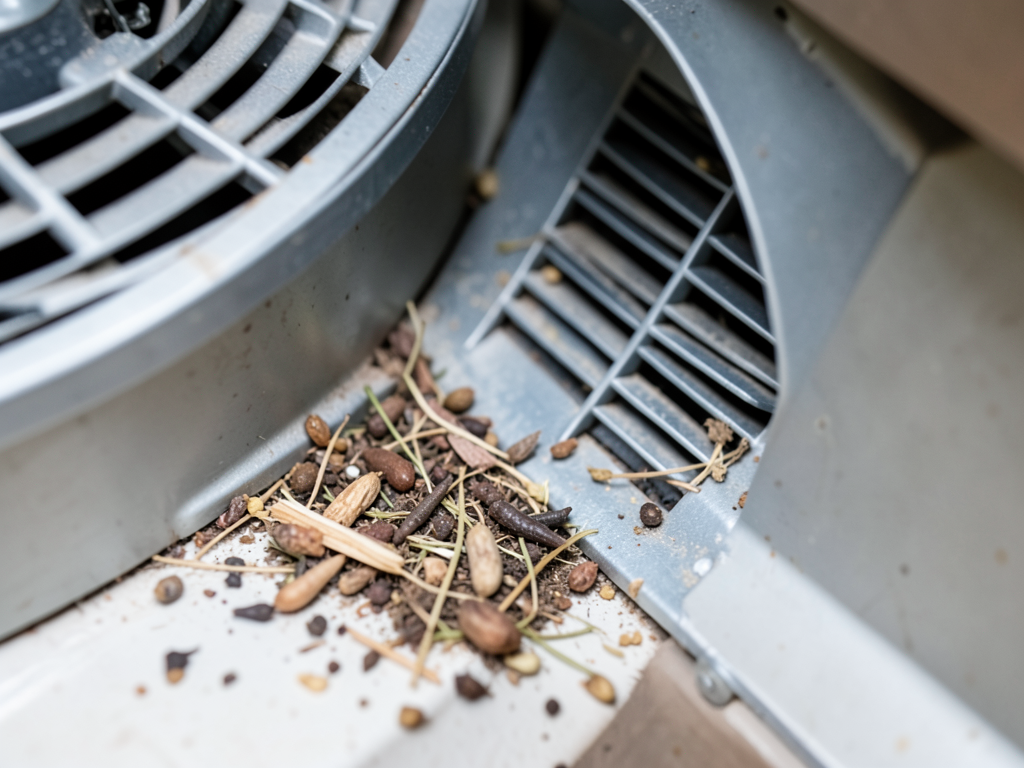
Visible Droppings or Nesting Materials
Finding droppings shredded paper or other nesting materials near your vents or return air grilles suggests pests are using your ducts as a highway through your home. Look for small dark pellets or bits of insulation that have been disturbed or removed from your attic or crawl spaces.
Increased Allergy or Respiratory Symptoms
If family members experience more frequent allergy attacks asthma flare-ups or unexplained respiratory issues contaminated ductwork could be the culprit. Pest droppings and dander can circulate through your home’s air supply triggering reactions in sensitive individuals.
Why Pests Love Baltimore HVAC Systems
Baltimore’s unique climate and urban density create ideal conditions for pests to thrive in HVAC systems. Understanding these factors helps explain why your Pigtown rowhome might be particularly vulnerable.
Maryland’s Humid Climate Attracts Moisture-Loving Pests
Baltimore’s high humidity levels especially during summer months create condensation in ductwork that attracts cockroaches silverfish and other moisture-loving pests. The National Weather Service reports Baltimore averages 61% relative humidity annually creating perfect breeding conditions for many urban pests.
Urban Density Provides Easy Access
In densely packed neighborhoods like Pigtown pests can easily move between buildings through shared walls foundations and utility connections. A single entry point in one rowhome can provide access to multiple connected units making infestations spread quickly through urban blocks.
Older Construction Offers Multiple Entry Points
Many Baltimore rowhomes were built before modern building codes required sealed penetrations. Gaps around pipes deteriorating mortar and unsealed crawl spaces provide easy access for rodents and insects to enter your ductwork system.
The Risks: Beyond Just the ‘Ick’ Factor
Pests in your HVAC system create more than just an unpleasant situation. They can cause serious damage to your home and pose significant health risks to your family.
Structural Damage to Your HVAC System
Rodents chew through flexible ductwork electrical wiring and insulation to create nesting sites. This damage reduces your system’s efficiency and can lead to complete HVAC failure. Chewed wires also create fire hazards that put your entire home at risk.
Health Hazards From Airborne Contaminants
Pest droppings dander and decomposing bodies can circulate through your home’s air supply. Rodents carry Hantavirus and Salmonella while cockroach allergens can trigger severe asthma attacks. The Centers for Disease Control and Prevention warns that rodent droppings can spread over 35 diseases.
Reduced HVAC Efficiency and Higher Energy Bills
Damaged ductwork and clogged air filters force your HVAC system to work harder reducing efficiency by up to 30%. This translates to higher utility bills and increased wear on your system components potentially shortening the lifespan of your equipment.
Professional Duct Cleaning vs. Pest Control
When you discover pests in your ductwork you might wonder whether to call an exterminator or an HVAC company first. The answer depends on the severity of the infestation and the type of damage present.
When to Call Pest Control First
If you have an active infestation with visible rodents or insects start with pest control. They’ll eliminate the current population and prevent new pests from entering while you arrange for duct cleaning and repairs.
When to Call HVAC Professionals First
If you suspect pests but haven’t seen them or if you notice damage to your ductwork start with HVAC professionals. They can inspect your system identify entry points and recommend whether pest control services are needed.
The Hybrid Approach for Complete Resolution
Most successful pest remediation requires both services. HVAC technicians clean and repair damaged ductwork while pest control professionals seal entry points and eliminate any remaining pests. This coordinated approach ensures the problem doesn’t return.
Prevention Tips for Maryland Homeowners
Preventing pest infestations in your HVAC system is much easier than dealing with an established problem. Here are proven strategies to keep your Pigtown rowhome protected.
Seal Exterior Gaps and Openings
Inspect your home’s exterior for gaps around pipes vents and utility penetrations. Use steel wool and caulk for small gaps and hardware cloth for larger openings. Pay special attention to areas where different building materials meet as these often create entry points.
Maintain Your Landscaping
Keep shrubs and tree branches trimmed away from your home’s exterior. Overhanging vegetation provides pathways for pests to access your roof and attic. Maintain a clearance of at least 18 inches between plants and your home’s foundation.
Regular HVAC Maintenance Schedule
Schedule professional HVAC maintenance at least twice yearly. Technicians can identify early signs of pest activity clean components before problems develop and ensure your system operates efficiently. Regular filter changes also reduce the attraction of pests to your system.
Professional Duct Cleaning and Sanitization Standards
When pests have contaminated your ductwork proper cleaning and sanitization are essential for restoring healthy indoor air quality. Professional services follow specific protocols to ensure thorough remediation.
HEPA Filtration and Negative Pressure Systems
Professional duct cleaning uses HEPA-filtered vacuum systems that create negative pressure throughout your ductwork. This prevents contaminants from escaping into your living spaces during the cleaning process. The equipment must meet NADCA (National Air Duct Cleaners Association) standards for effectiveness. NADCA duct cleaning standards.
Antimicrobial Treatment Protocols
After physical cleaning removes debris and contaminants antimicrobial treatments eliminate remaining bacteria and fungi. EPA-registered sanitizers specifically formulated for HVAC systems are applied to all accessible surfaces creating a protective barrier against future contamination.
Post-Cleaning Verification
Quality duct cleaning services include post-cleaning verification to ensure all contaminants have been removed. This may involve visual inspection particle counting or microbial testing to confirm your system meets indoor air quality standards.
Cost Factors for Duct Repair and Sealing in Baltimore
Understanding the potential costs helps you budget for professional services. Several factors influence the final price of pest-related HVAC repairs in Baltimore.
| Service Type | Typical Cost Range | Factors Affecting Price |
|---|---|---|
| Basic Duct Cleaning | $300 – $500 | Home size duct accessibility contamination level |
| Sanitization Treatment | $150 – $300 | Square footage antimicrobial product used |
| Duct Repair | $500 – $2000+ | Extent of damage material costs accessibility |
| Entry Point Sealing | $200 – $800 | Number of entry points materials needed |
Frequently Asked Questions
How do I know if I have mice in my air ducts?
You’ll typically hear scratching or scurrying sounds when your HVAC system runs notice droppings near vents or smell a musty odor from contaminated areas. Mice often create visible entry holes around duct connections and may leave greasy rub marks along duct surfaces.
Can cockroaches live in air vents?
Yes cockroaches commonly nest in air vents and ductwork especially in humid environments. They’re attracted to the condensation that forms on ducts and can spread throughout your home through the HVAC system. German cockroaches are particularly problematic in Baltimore’s urban homes.
How much does it cost to clean pest-infested ducts?
Professional duct cleaning for pest-infested systems typically costs $400-$800 depending on your home’s size and the severity of contamination. Sanitization adds $150-$300 and any necessary repairs can increase costs significantly based on the extent of damage.
Will my homeowner’s insurance cover pest damage to HVAC?
Most standard policies don’t cover pest damage considering it a maintenance issue. However if pests enter through a covered peril like storm damage some repairs might be covered. Always check with your insurance provider about specific coverage details.
How often should I have my ducts inspected for pests?
Schedule professional duct inspections annually preferably before heating season begins. If you live in an older Baltimore rowhome or have had previous pest issues consider bi-annual inspections to catch problems early.
- Identify the Signs
Listen for unusual noises check for odors and look for droppings near vents. Document when you first noticed symptoms to help professionals assess the situation.
- Determine the Scope
Decide whether you need pest control HVAC services or both. Active infestations typically require pest control first while suspected issues might start with HVAC inspection.
- Contact Professionals
Call (443) 390-4933 to schedule a comprehensive inspection. Professional assessment ensures you get the right services for your specific situation.
- Implement Prevention
After remediation seal entry points and establish a regular maintenance schedule to prevent future infestations.
Take Action Before the Problem Gets Worse
Pest infestations in your HVAC system won’t resolve themselves and typically worsen over time. The longer you wait the more damage occurs and the higher your remediation costs become. Baltimore’s urban environment means pests are always looking for new nesting sites and your warm protected ductwork is an attractive target.
If you’re experiencing any of the warning signs we’ve discussed don’t wait for the problem to escalate. Professional inspection can identify the extent of contamination and recommend the most effective remediation strategy. Our team understands the unique challenges of Baltimore rowhomes and can provide solutions that address both the immediate problem and prevent future issues.
Call (443) 390-4933 today to schedule your inspection. We’ll assess your system identify any pest-related issues and provide a clear plan for restoration. Don’t let pests compromise your home’s air quality and your family’s health any longer.
Pick up the phone and call (443) 390-4933 before the next storm hits. Quick action can prevent extensive damage and ensure your HVAC system operates efficiently throughout Baltimore’s challenging seasons. For more information, visit CDC rodent disease information.
{
“@context”: “https://schema.org”,
“@type”: “BlogPosting”,
“headline”: “How to Tell If You Have Pests Living in Your Pigtown Rowhome Air Ducts”,
“description”: “Learn to spot pest infestations in your Pigtown rowhome ducts with Baltimore-specific signs, local building codes, and proven prevention strategies.”,
“wordCount”: 1815,
“datePublished”: “2026-06-02T06:58:00.000Z”,
“dateModified”: “2026-06-02T06:58:00.000Z”,
“inLanguage”: “en-US”,
“mainEntityOfPage”: {
“@type”: “WebPage”,
“@id”: “https://victoryhvacbaltimore.com”
},
“publisher”: {
“@type”: “LocalBusiness”,
“name”: “Victory HVAC Baltimore”,
“url”: “https://victoryhvacbaltimore.com”
},
“author”: {
“@type”: “Organization”,
“name”: “Victory HVAC Baltimore”,
“url”: “https://victoryhvacbaltimore.com”
},
“image”: {
“@type”: “ImageObject”,
“url”: “https://victoryhvacbaltimore.com/wp-content/uploads/2026/03/how-to-tell-if-you-have-pests-living-in-your-pigto-1.png”
}
}
{
“@context”: “https://schema.org”,
“@type”: “HVACBusiness”,
“name”: “Victory HVAC Baltimore”,
“url”: “https://victoryhvacbaltimore.com”,
“address”: {
“@type”: “PostalAddress”,
“addressLocality”: “Baltimore”
},
“areaServed”: {
“@type”: “City”,
“name”: “Baltimore”
}
}
{
“@context”: “https://schema.org”,
“@type”: “FAQPage”,
“mainEntity”: [
{
“@type”: “Question”,
“name”: “How do I know if I have mice in my air ducts?”,
“acceptedAnswer”: {
“@type”: “Answer”,
“text”: “You’ll typically hear scratching or scurrying sounds when your HVAC system runs notice droppings near vents or smell a musty odor from contaminated areas. Mice often create visible entry holes around duct connections and may leave greasy rub marks along duct surfaces.”
}
},
{
“@type”: “Question”,
“name”: “Can cockroaches live in air vents?”,
“acceptedAnswer”: {
“@type”: “Answer”,
“text”: “Yes cockroaches commonly nest in air vents and ductwork especially in humid environments. They’re attracted to the condensation that forms on ducts and can spread throughout your home through the HVAC system. German cockroaches are particularly problematic in Baltimore’s urban homes.”
}
},
{
“@type”: “Question”,
“name”: “How much does it cost to clean pest-infested ducts?”,
“acceptedAnswer”: {
“@type”: “Answer”,
“text”: “Professional duct cleaning for pest-infested systems typically costs $400-$800 depending on your home’s size and the severity of contamination. Sanitization adds $150-$300 and any necessary repairs can increase costs significantly based on the extent of damage.”
}
},
{
“@type”: “Question”,
“name”: “Will my homeowner’s insurance cover pest damage to HVAC?”,
“acceptedAnswer”: {
“@type”: “Answer”,
“text”: “Most standard policies don’t cover pest damage considering it a maintenance issue. However if pests enter through a covered peril like storm damage some repairs might be covered. Always check with your insurance provider about specific coverage details.”
}
},
{
“@type”: “Question”,
“name”: “How often should I have my ducts inspected for pests?”,
“acceptedAnswer”: {
“@type”: “Answer”,
“text”: “Schedule professional duct inspections annually preferably before heating season begins. If you live in an older Baltimore rowhome or have had previous pest issues consider bi-annual inspections to catch problems early.”
}
}
]
}
{
“@context”: “https://schema.org”,
“@type”: “HowTo”,
“name”: “How to Handle Pest Infestation in Your Ducts”,
“step”: [
{
“@type”: “HowToStep”,
“position”: 1,
“name”: “Identify the Signs”,
“text”: “Listen for unusual noises check for odors and look for droppings near vents. Document when you first noticed symptoms to help professionals assess the situation.”
},
{
“@type”: “HowToStep”,
“position”: 2,
“name”: “Determine the Scope”,
“text”: “Decide whether you need pest control HVAC services or both. Active infestations typically require pest control first while suspected issues might start with HVAC inspection.”
},
{
“@type”: “HowToStep”,
“position”: 3,
“name”: “Contact Professionals”,
“text”: “Call (443) 390-4933 to schedule a comprehensive inspection. Professional assessment ensures you get the right services for your specific situation.”
},
{
“@type”: “HowToStep”,
“position”: 4,
“name”: “Implement Prevention”,
“text”: “After remediation seal entry points and establish a regular maintenance schedule to prevent future infestations.”
}
],
“image”: “https://victoryhvacbaltimore.com/wp-content/uploads/2026/03/how-to-tell-if-you-have-pests-living-in-your-pigto-1.png”
}
{
“@context”: “https://schema.org”,
“@type”: “BreadcrumbList”,
“itemListElement”: [
{
“@type”: “ListItem”,
“position”: 1,
“name”: “Home”,
“item”: “https://victoryhvacbaltimore.com”
},
{
“@type”: “ListItem”,
“position”: 2,
“name”: “Blog”,
“item”: “https://victoryhvacbaltimore.com/blog”
},
{
“@type”: “ListItem”,
“position”: 3,
“name”: “How to Tell If You Have Pests Living in Your Pigtown Rowhome Air Ducts”
}
]
}
{
“@context”: “https://schema.org”,
“@type”: “Service”,
“serviceType”: “HVAC”,
“provider”: {
“@type”: “LocalBusiness”,
“name”: “Victory HVAC Baltimore”,
“url”: “https://victoryhvacbaltimore.com”
},
“areaServed”: {
“@type”: “City”,
“name”: “Baltimore”
},
“description”: “Learn to spot pest infestations in your Pigtown rowhome ducts with Baltimore-specific signs, local building codes, and proven prevention strategies.”
}