
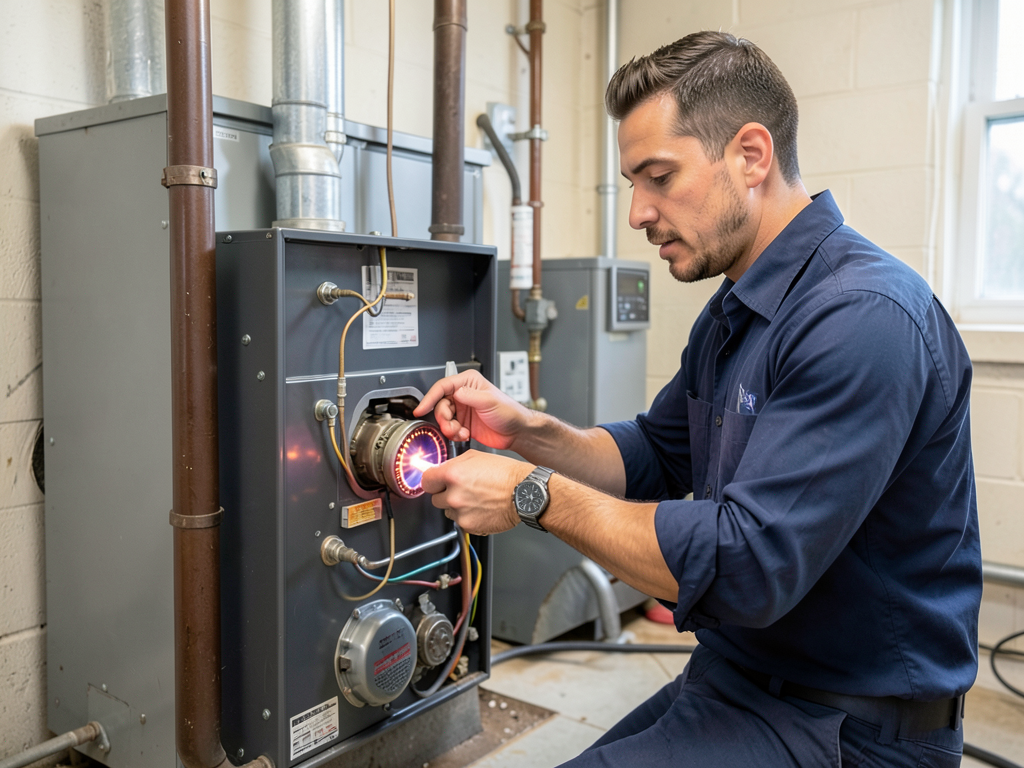
Your furnace should run quietly in the background. When it starts making banging, squealing, or rattling sounds, that’s your system telling you something’s wrong. In Waverly’s older homes with original ductwork and aging equipment, these noises often signal problems that need immediate attention before they become expensive repairs or safety hazards. EPA Carbon Monoxide Information.
Before we dive into the specific sounds, here’s what you need to know: Some furnace noises are normal, but others mean your system is failing. The key is knowing which is which. We’ll walk through the common sounds, what they mean, and when to shut off your system and call a professional. This guide focuses on the specific challenges Waverly homes face with their heating systems during Baltimore’s cold winters.. Read more about Is a High Velocity HVAC System the Right Choice for Your Butchers Hill Rowhome?.
Safety First: When a Noisy Furnace is an Emergency
Before troubleshooting any furnace noise, understand this: Some sounds mean danger. A cracked heat exchanger can leak carbon monoxide into your home. Gas buildup from delayed ignition can cause explosions. If you hear any of these sounds, shut off your furnace immediately and call for emergency service. How to Get Emergency AC Repair in Canton When Your System Fails in a Heatwave.
Shut off your system now if you hear:
- A loud boom or explosion sound when the furnace starts
- Any hissing or whistling near gas lines
- A continuous clicking that doesn’t stop after ignition
- A high-pitched squeal that sounds like metal on metal
- Any burning smell or gas odor
Carbon monoxide is odorless and deadly. If you don’t have working CO detectors on every level of your home, install them today. Baltimore building codes require CO detectors within 15 feet of sleeping areas in homes with fuel-burning appliances. Carbon Monoxide Leak Detection.
Identifying the Sound: What Your Furnace is Telling You
Different noises point to different problems. Here’s a diagnostic guide to match what you’re hearing with what’s likely wrong. This table helps you understand whether you’re facing a simple fix or a serious problem.. Read more about Deciding Whether to Repair or Replace Your Aging Air Conditioner in Cockeysville.
| Sound Description | Likely Cause | Urgency Level |
|---|---|---|
| Booming or banging at startup | Delayed gas ignition | High – Shut off immediately |
| Squealing or chirping | Worn blower motor bearings or belt | Medium – Monitor closely |
| Rattling or vibrating | Loose panels, screws, or motor mounts | Low – DIY possible |
| Whistling or hissing | Airflow restriction or duct leaks | Low – Check filters first |
| Scraping or grinding | Worn blower wheel or motor bearings | High – Shut off immediately |
| Clicking that continues | Faulty relay or control board | Medium – Professional diagnosis needed |
Common Furnace Noises in Waverly Homes
Waverly’s mix of historic rowhomes and mid-century houses creates specific furnace challenges. Many homes still have original ductwork from the 1950s-70s, and the clay soil common in Northeast Baltimore can affect basement installations. Here’s what each sound typically means for your system.. Read more about Affordable Heating System Repairs and Gas Furnace Service in Arbutus.
Banging and Booming: The Delayed Ignition Problem
That loud boom when your furnace starts isn’t just annoying—it’s dangerous. Delayed ignition happens when gas builds up in the combustion chamber before igniting. When it finally lights, you get that explosive sound.
In Waverly homes, this often occurs because:
- Dirty burners can’t ignite gas quickly enough
- Gas pressure is too high or too low
- The flame sensor is dirty and fails to detect the flame
Why it matters: Delayed ignition can crack your heat exchanger, allowing carbon monoxide to leak into your home. The Maryland Department of Labor requires licensed HVAC technicians to handle gas-related repairs for safety reasons. Maryland Energy Efficiency Programs.
Squealing and Chirping: Motor and Belt Issues
High-pitched squeals usually come from the blower motor or its belt. In older Waverly homes, these motors work harder during Baltimore’s cold snaps when furnaces run constantly.
Common causes include:
- Dry motor bearings needing lubrication
- Worn blower belts that need replacement
- Misaligned pulleys causing belt slippage
Diagnostic tip: If the squeal changes pitch when you adjust your thermostat, it’s likely a belt issue. If it’s constant whenever the fan runs, suspect the motor bearings.
Rattling and Vibrating: Loose Components
Rattling sounds often seem minor but can indicate bigger problems. In Waverly’s older homes, years of vibration can loosen everything from access panels to motor mounts.
Check these areas:
- Access panels that need tightening
- Loose ductwork connections
- Worn motor mounts allowing vibration
- Loose screws on the blower assembly
Quick fix: Many rattling noises stop when you simply tighten all visible screws and bolts on your furnace cabinet.
Whistling and Hissing: Airflow Problems
Whistling usually means air is being forced through a restricted opening. In Waverly homes with original ductwork, this is extremely common.
Typical causes:
- Clogged air filters reducing airflow
- Closed or blocked registers
- Undersized ductwork for your furnace capacity
- Leaks in duct joints creating whistling sounds
DIY test: Remove your air filter. If the whistling stops, you’ve found your problem. Waverly’s older homes often need filter changes every 30-45 days during peak heating season.. Read more about How to Choose the Best Air Filter to Fight City Dust in Your Belair Edison Home.
Scraping and Grinding: Serious Mechanical Issues
Metal-on-metal scraping sounds mean something is rubbing where it shouldn’t. This is never normal and usually means expensive damage is happening.. Read more about Deciding If You Should Repair or Replace Your Aging AC System in Lutherville Timonium.
Common sources:
- Worn blower wheel hitting the housing
- Broken motor mounts allowing contact
- Debris in the blower assembly
- Worn bearings causing shaft misalignment
Immediate action: Shut off your furnace if you hear scraping. Running with this problem will destroy your blower motor and possibly your heat exchanger.
DIY Troubleshooting Steps You Can Take Now
Before calling for service, try these simple steps. Many common noises have simple fixes that homeowners can handle safely.
- Check and Replace the Air Filter
A dirty filter is the #1 cause of whistling and reduced efficiency. Remove the filter and hold it to light. If you can’t see light through it, replace it. Use a MERV 8-11 filter for most Baltimore homes.
- Tighten All Accessible Screws and Panels
Using a screwdriver, check every panel on your furnace. Loose panels cause rattling and can let dangerous combustion gases escape. Don’t force anything—if a screw won’t turn easily, stop.
- Inspect and Clean Registers
Walk through your home and check every supply and return register. Remove any furniture, rugs, or debris blocking airflow. Clean dust buildup with a vacuum hose.
- Check Thermostat Settings
Make sure your thermostat fan setting is on “Auto” not “On.” Continuous fan operation can cause whistling and wear out your blower motor faster.
- Listen for Pattern Changes
Does the noise happen only when the furnace starts? Only when it’s running? Only at certain temperatures? This pattern helps diagnose the problem.
Common Causes for Furnaces in Baltimore’s Climate
Baltimore’s specific climate creates unique furnace challenges that Waverly homeowners need to understand. Our humid summers and cold winters put different stresses on heating systems than other regions.
Humidity Effects: Baltimore’s high humidity (average 70% in summer) means your furnace works harder during winter startup. Moisture in the air can cause rust on burners and heat exchangers, especially in basements with poor ventilation.
Freeze-Thaw Cycles: Our temperature swings from 20°F to 50°F in a single day cause metal components to expand and contract. This movement can loosen screws and create gaps in ductwork over time.
Power Quality: Baltimore’s aging electrical infrastructure can cause voltage fluctuations that stress furnace control boards and motors. Installing a whole-house surge protector can prevent many electrical issues.
Code Compliance: Maryland HVAC codes require specific clearances around furnaces and proper venting. Many Waverly homes built before current codes may have installation issues that cause noise and safety problems.
When to Call a Baltimore HVAC Professional
DIY fixes work for simple problems, but some furnace noises require professional diagnosis and repair. Here’s when to stop troubleshooting and call for help.
Call Victory HVAC at (443) 390-4933 if you experience:
- Any gas smell or burning odor
- Carbon monoxide detector alarms
- Repeated system shutdowns or error codes
- Grinding or scraping metal sounds
- Booming sounds at ignition
- System age over 15 years with any unusual noise
Professional repairs matter because Maryland law requires licensed HVAC contractors to work on gas appliances. DIY gas repairs can void your warranty and create deadly safety hazards.
Emergency services are available 24/7 in Waverly and throughout Baltimore. When your furnace makes emergency noises during winter storms, waiting until morning isn’t safe.
Preventing Future Furnace Noises
Regular maintenance prevents most furnace noises before they start. Here’s a seasonal maintenance schedule for Waverly homes.
Fall Maintenance (Before Heating Season):
- Professional inspection and cleaning
- Check heat exchanger for cracks
- Test carbon monoxide levels
- Inspect and clean burners
- Check gas pressure and ignition timing
Winter Monitoring:
- Check filter monthly
- Listen for new sounds weekly
- Monitor carbon monoxide detectors
- Keep registers clear
Spring Checkup:
- Professional cleaning after heavy use
- Check for rust or corrosion
- Inspect ductwork for leaks
- Test safety controls
Annual maintenance by a licensed Baltimore HVAC contractor can extend your furnace life by 5-10 years and prevent 90% of emergency repairs.
Cost Considerations for Waverly Homeowners
Understanding repair costs helps you make informed decisions. Here are typical price ranges for common furnace repairs in the Baltimore area.
| Repair Type | Typical Cost Range | DIY Possible? |
|---|---|---|
| Air filter replacement | $10-30 | Yes |
| Loose panel tightening | $50-100 service call | Yes |
| Blower motor bearing replacement | $300-600 | No |
| Heat exchanger replacement | $1,000-2,500 | No |
| Gas valve replacement | $400-800 | No |
| Complete furnace replacement | $3,000-7,000 | No |
Remember: Safety repairs like heat exchanger replacement or gas valve work must be done by licensed professionals. Maryland law prohibits unlicensed work on gas appliances.
Energy Efficiency and Noise Reduction
Newer furnaces not only run quieter but also save money on energy bills. Modern high-efficiency furnaces use variable-speed blowers that adjust to heating demand, reducing both noise and energy waste.
Benefits of upgrading in Waverly homes:
- Quieter operation (60-70 dB vs 80-90 dB for older units)
- Energy savings of 15-30%
- Better humidity control
- Improved safety features
- Longer lifespan with proper maintenance
Maryland offers rebates through the EmPOWER Maryland program for high-efficiency HVAC upgrades. These rebates can offset 10-20% of replacement costs.
Frequently Asked Questions
Is it normal for my furnace to make some noise?
Yes, some noise is normal. You should hear a gentle whooshing when the burners ignite and a low hum from the blower motor. Loud banging, squealing, or scraping is never normal and indicates problems.
How often should I replace my furnace filter?
In Baltimore’s climate, check your filter monthly during heating season. Replace it when it looks dirty, typically every 30-60 days. Homes with pets or allergies may need monthly changes.
Can a dirty air filter cause furnace noises?
Absolutely. A clogged filter restricts airflow, causing whistling sounds and forcing your blower motor to work harder. This can lead to overheating and system shutdowns.
What’s the average lifespan of a furnace in Baltimore?
With proper maintenance, furnaces typically last 15-20 years in our climate. Harsh winters and humid summers can shorten this to 12-15 years without regular service.
Should I turn off my furnace if it’s making strange noises?
If you hear banging, scraping, gas smells, or burning odors, shut it off immediately. For squealing or rattling, monitor it but call for service soon. When in doubt, turn it off and call a professional.
Conclusion
Furnace noises are your home’s way of telling you something needs attention. In Waverly’s older homes, these sounds often point to specific issues related to aging equipment and original ductwork. While some noises have simple DIY fixes, others signal dangerous problems that require immediate professional attention.
Don’t ignore unusual furnace sounds. What starts as a minor rattle can become a cracked heat exchanger or gas leak. If you’re hearing strange noises from your furnace, call Victory HVAC at (443) 390-4933. Our licensed Baltimore technicians can diagnose the problem quickly and get your home safe and warm again.
Remember: Carbon monoxide is odorless and deadly. If you haven’t checked your CO detectors recently, do it today. Your family’s safety is worth more than any repair cost.
Need emergency furnace repair in Waverly or anywhere in Baltimore? Call (443) 390-4933 now. We’re available 24/7 for emergency service because we know how dangerous furnace problems can be during our cold winters.
Don’t wait until your furnace fails completely. Strange noises mean your system is struggling. Call (443) 390-4933 today to schedule your inspection and keep your Waverly home safe and warm all winter long.
You may also find this helpful. Why Your Brewers Hill Backyard Might Need a Ultra Quiet Side Discharge AC Unit.
{
“@context”: “https://schema.org”,
“@type”: “BlogPosting”,
“headline”: “How to Quiet Down a Noisy Furnace or AC in Your Waverly Home”,
“description”: “Is your furnace making strange noises? Learn the causes of common furnace sounds in Baltimore homes and when to call Victory HVAC at (443) 390-4933 for emergency repair.”,
“wordCount”: 2029,
“datePublished”: “2026-03-29T15:27:00.000Z”,
“dateModified”: “2026-03-29T15:27:00.000Z”,
“inLanguage”: “en-US”,
“mainEntityOfPage”: {
“@type”: “WebPage”,
“@id”: “https://victoryhvacbaltimore.com”
},
“publisher”: {
“@type”: “LocalBusiness”,
“name”: “Victory HVAC Baltimore”,
“url”: “https://victoryhvacbaltimore.com”
},
“author”: {
“@type”: “Organization”,
“name”: “Victory HVAC Baltimore”,
“url”: “https://victoryhvacbaltimore.com”
},
“image”: {
“@type”: “ImageObject”,
“url”: “https://victoryhvacbaltimore.com/wp-content/uploads/2026/03/how-to-quiet-down-a-noisy-furnace-or-ac-in-your-wa-1.png”
}
}
{
“@context”: “https://schema.org”,
“@type”: “HVACBusiness”,
“name”: “Victory HVAC Baltimore”,
“url”: “https://victoryhvacbaltimore.com”,
“address”: {
“@type”: “PostalAddress”,
“addressLocality”: “Baltimore”
},
“areaServed”: {
“@type”: “City”,
“name”: “Baltimore”
}
}
{
“@context”: “https://schema.org”,
“@type”: “FAQPage”,
“mainEntity”: [
{
“@type”: “Question”,
“name”: “Is it normal for my furnace to make some noise?”,
“acceptedAnswer”: {
“@type”: “Answer”,
“text”: “Yes, some noise is normal. You should hear a gentle whooshing when the burners ignite and a low hum from the blower motor. Loud banging, squealing, or scraping is never normal and indicates problems.”
}
},
{
“@type”: “Question”,
“name”: “How often should I replace my furnace filter?”,
“acceptedAnswer”: {
“@type”: “Answer”,
“text”: “In Baltimore’s climate, check your filter monthly during heating season. Replace it when it looks dirty, typically every 30-60 days. Homes with pets or allergies may need monthly changes.”
}
},
{
“@type”: “Question”,
“name”: “Can a dirty air filter cause furnace noises?”,
“acceptedAnswer”: {
“@type”: “Answer”,
“text”: “Absolutely. A clogged filter restricts airflow, causing whistling sounds and forcing your blower motor to work harder. This can lead to overheating and system shutdowns.”
}
},
{
“@type”: “Question”,
“name”: “What’s the average lifespan of a furnace in Baltimore?”,
“acceptedAnswer”: {
“@type”: “Answer”,
“text”: “With proper maintenance, furnaces typically last 15-20 years in our climate. Harsh winters and humid summers can shorten this to 12-15 years without regular service.”
}
},
{
“@type”: “Question”,
“name”: “Should I turn off my furnace if it’s making strange noises?”,
“acceptedAnswer”: {
“@type”: “Answer”,
“text”: “If you hear banging, scraping, gas smells, or burning odors, shut it off immediately. For squealing or rattling, monitor it but call for service soon. When in doubt, turn it off and call a professional.”
}
}
]
}
{
“@context”: “https://schema.org”,
“@type”: “HowTo”,
“name”: “How to Troubleshoot Furnace Noises”,
“step”: [
{
“@type”: “HowToStep”,
“position”: 1,
“name”: “Check and Replace the Air Filter”,
“text”: “A dirty filter is the #1 cause of whistling and reduced efficiency. Remove the filter and hold it to light. If you can’t see light through it, replace it. Use a MERV 8-11 filter for most Baltimore homes.”
},
{
“@type”: “HowToStep”,
“position”: 2,
“name”: “Tighten All Accessible Screws and Panels”,
“text”: “Using a screwdriver, check every panel on your furnace. Loose panels cause rattling and can let dangerous combustion gases escape. Don’t force anything—if a screw won’t turn easily, stop.”
},
{
“@type”: “HowToStep”,
“position”: 3,
“name”: “Inspect and Clean Registers”,
“text”: “Walk through your home and check every supply and return register. Remove any furniture, rugs, or debris blocking airflow. Clean dust buildup with a vacuum hose.”
},
{
“@type”: “HowToStep”,
“position”: 4,
“name”: “Check Thermostat Settings”,
“text”: “Make sure your thermostat fan setting is on \”Auto\” not \”On.\” Continuous fan operation can cause whistling and wear out your blower motor faster.”
},
{
“@type”: “HowToStep”,
“position”: 5,
“name”: “Listen for Pattern Changes”,
“text”: “Does the noise happen only when the furnace starts? Only when it’s running? Only at certain temperatures? This pattern helps diagnose the problem.”
}
],
“image”: “https://victoryhvacbaltimore.com/wp-content/uploads/2026/03/how-to-quiet-down-a-noisy-furnace-or-ac-in-your-wa-1.png”
}
{
“@context”: “https://schema.org”,
“@type”: “BreadcrumbList”,
“itemListElement”: [
{
“@type”: “ListItem”,
“position”: 1,
“name”: “Home”,
“item”: “https://victoryhvacbaltimore.com”
},
{
“@type”: “ListItem”,
“position”: 2,
“name”: “Blog”,
“item”: “https://victoryhvacbaltimore.com/blog”
},
{
“@type”: “ListItem”,
“position”: 3,
“name”: “How to Quiet Down a Noisy Furnace or AC in Your Waverly Home”
}
]
}
{
“@context”: “https://schema.org”,
“@type”: “Service”,
“serviceType”: “HVAC”,
“provider”: {
“@type”: “LocalBusiness”,
“name”: “Victory HVAC Baltimore”,
“url”: “https://victoryhvacbaltimore.com”
},
“areaServed”: {
“@type”: “City”,
“name”: “Baltimore”
},
“description”: “Is your furnace making strange noises? Learn the causes of common furnace sounds in Baltimore homes and when to call Victory HVAC at (443) 390-4933 for emergency repair.”
}