
Why Baltimore Blizzards Turn Your Heat Pump into a Wintertime Liability
Your heat pump works hard all year, but Baltimore’s wet, heavy snow and freezing rain create a perfect storm of problems. Unlike traditional air conditioners, heat pumps run year-round, making winter protection essential. The Chesapeake Bay’s humidity combined with freezing temperatures creates ice buildup that can damage coils, strain the compressor, and leave you without heat when you need it most.
Baltimore’s climate zone 4 winters mean freeze-thaw cycles that cause water to seep into tiny cracks, then expand when frozen. This cycle repeats throughout the winter, slowly damaging your unit’s components. The average 20 inches of snowfall in Maryland, combined with salt spray from treated roads, accelerates corrosion on outdoor coils and electrical connections.
The Heat Pump vs. AC Cover Debate: What Baltimore Homeowners Need to Know
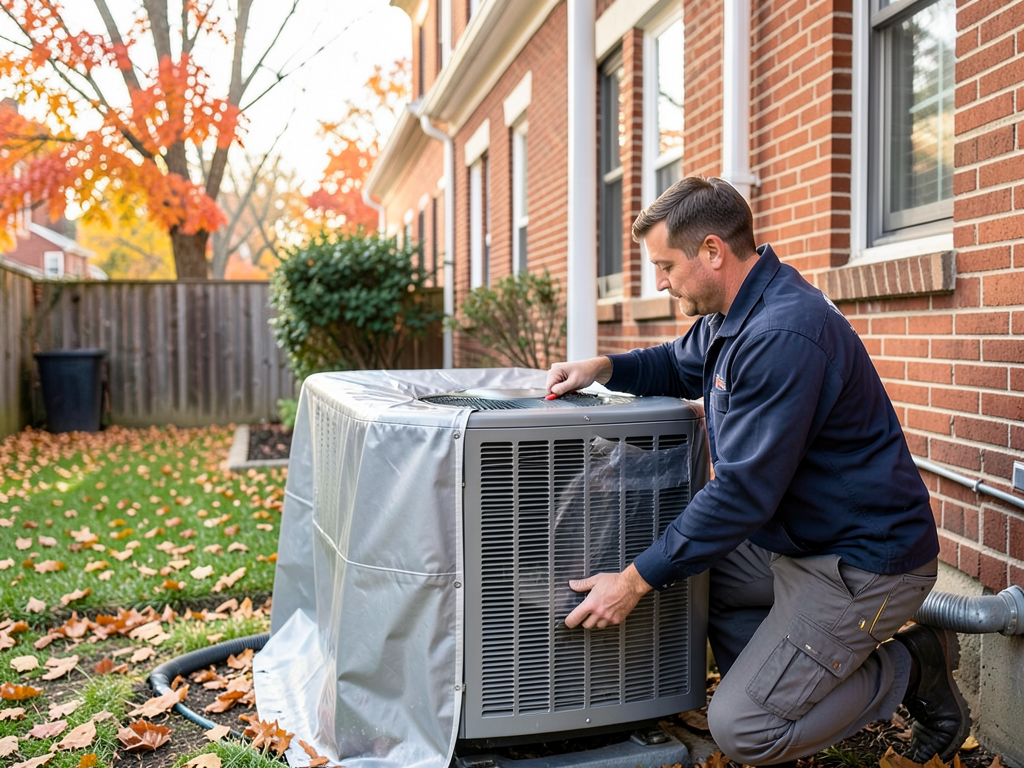
Many homeowners ask: should I cover my heat pump? The answer depends on your specific system and Baltimore’s unique weather patterns. Heat pumps need airflow year-round to operate efficiently, even in winter. Covering them completely can trap moisture and create perfect conditions for mold growth and electrical shorts.
Benefits of Partial Protection
A breathable cover or plywood shield protects against falling ice from your roof and prevents heavy snow from crushing the fan blades. This is especially important for units near gutters or under tree branches where ice dams form. The key is allowing ventilation while blocking direct impact.
Risks of Full Coverage
Complete covers trap Baltimore’s humid air inside, creating condensation that freezes and thaws repeatedly. This moisture cycle leads to coil corrosion and can freeze the reversing valve, causing expensive repairs. Rodents also love the warm, enclosed space, chewing through wiring and nesting in the compressor compartment. EPA Clean Air Act compliance.
Step-by-Step: Baltimore Heat Pump Winterization Protocol
Following these steps before the first freeze can prevent 90% of winter heat pump failures in Baltimore. The process takes about 30 minutes but saves hundreds in emergency repair calls. How to Get Emergency AC Repair in Canton When Your System Fails in a Heatwave.
- Power Shutdown
Locate your AC disconnect switch near the unit and flip it to “off.” This prevents accidental startup during winter and protects against electrical surges from ice damage.
- Coil Cleaning
Use a garden hose to spray off dirt and debris from the condenser coils. Baltimore’s humidity means coils collect more grime than drier climates. Clean coils transfer heat more efficiently when the unit runs.
- Debris Removal
Clear all leaves, pine needles, and trash from the base pan. Standing moisture under the unit accelerates rust and provides nesting material for rodents.
- Line Protection
Wrap exposed refrigerant lines with foam insulation rated for outdoor use. Baltimore’s freeze-thaw cycles cause expansion and contraction that can crack unprotected copper lines.
- Elevation Check
Ensure the unit sits level on its pad. Baltimore’s clay soil expands when wet and contracts when frozen, potentially causing the unit to tilt and strain internal components.
Baltimore-Specific Winter Challenges for Heat Pumps
Baltimore’s unique geography creates challenges that national HVAC guides often miss. The Chesapeake Bay’s influence means higher humidity levels than inland areas, leading to more ice formation on outdoor coils. When freezing rain hits, it creates a glaze that blocks airflow and forces the system to work harder.
Inner Harbor residents face additional salt-air corrosion risks. The salt-laden breeze accelerates metal deterioration on heat pump components. Homes within 5 miles of the water need extra corrosion protection on electrical connections and fan blades.
Baltimore’s freeze-thaw cycles are particularly brutal on heat pumps. When daytime temperatures rise above freezing but nighttime drops below, water seeps into microscopic cracks in the unit’s housing. Each freeze cycle widens these cracks, eventually causing major component failure.
The “Plywood Trick”: Baltimore’s Favorite Heat Pump Protection Method
Instead of full covers, many Baltimore HVAC technicians recommend the plywood method. Place a piece of pressure-treated plywood over the top of your heat pump, extending 6 inches beyond each side. Prop it up with bricks or blocks to create a 2-inch air gap.
This method blocks falling ice and heavy snow while allowing air circulation. The gap prevents moisture buildup and keeps the unit visible for quick snow removal. It’s also easier to remove for emergency heat pump operation during winter storms.
For added protection, apply a marine-grade sealant to the plywood edges before installation. This prevents water absorption and extends the life of your winter shield through multiple Baltimore winters.
Ice and Snow Removal: The Baltimore Way
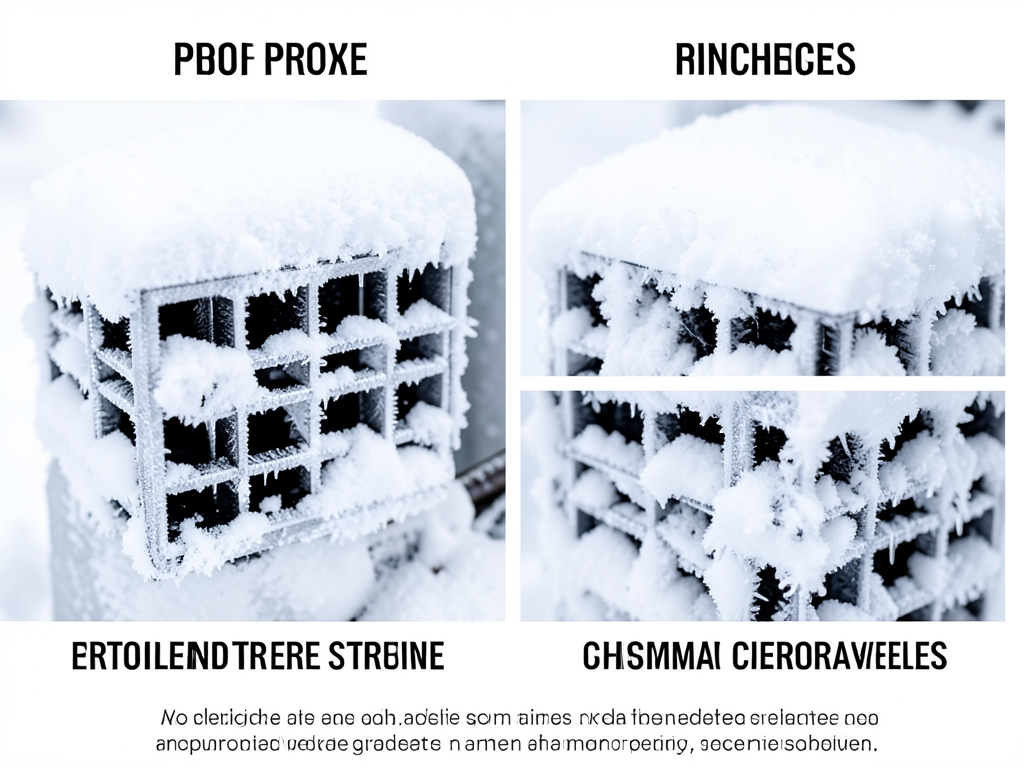
When Baltimore gets hit with a major blizzard, your heat pump needs immediate attention. Never use hot water to melt ice on the unit. The rapid temperature change can crack the coils and damage the compressor.
Use a plastic snow shovel to gently clear snow from around the base. Keep at least 18 inches of clearance on all sides for proper airflow. For ice on the coils, use a soft-bristle brush and work from the top down, allowing gravity to help remove chunks.
Check your unit after every snowfall, especially following freezing rain events. Baltimore’s wet snow is heavier than powder snow and can collapse the top grille if left to accumulate.
Rodent Prevention: Baltimore’s Winter Pest Problem
Baltimore’s cold winters drive rodents to seek warm shelter, and your heat pump becomes an attractive option. Mice and squirrels can squeeze through gaps as small as a quarter-inch and cause thousands in damage by chewing wiring and nesting in the compressor compartment.
Inspect your unit for entry points before winter. Seal gaps around refrigerant lines with expanding foam sealant. Install wire mesh over any ventilation openings, making sure the mesh is fine enough to block small rodents but still allows airflow.
Place rodent repellent sachets near the base of the unit. Natural options like peppermint oil can deter rodents without harming your heat pump’s components. Replace these monthly throughout the winter season.
Professional vs. DIY: When to Call a Baltimore HVAC Pro
While many winterization tasks are DIY-friendly, some situations require professional expertise. If your heat pump is over 10 years old, has existing performance issues, or sits in a particularly harsh location, professional winterization is worth the investment.
Professional technicians can test electrical connections for corrosion, check refrigerant levels (which affect winter heating efficiency), and inspect the reversing valve that switches between heating and cooling modes. They also apply protective coatings to coils that extend their lifespan in Baltimore’s corrosive environment.
Consider scheduling professional winterization if you notice any of these warning signs: unusual noises during operation, ice buildup that doesn’t melt during defrost cycles, or inconsistent heating performance.
Heat Pump Winter Performance in Baltimore’s Climate
Baltimore’s winter temperatures often hover around the heat pump’s efficiency threshold. Standard air-source heat pumps lose efficiency when outdoor temperatures drop below 35°F, which happens frequently during Baltimore winters.
Modern cold-climate heat pumps can operate efficiently down to 0°F, but older units may struggle. If your system is more than 8 years old, consider an upgrade before next winter. Newer models use variable-speed compressors that maintain efficiency even in Baltimore’s coldest snaps.
Heat pumps also provide excellent dehumidification during winter’s occasional warm spells. This prevents the musty odors and mold growth that Baltimore’s humidity can cause in tightly sealed homes.
Cost Factors and Energy Savings
Proper heat pump winterization can reduce your energy bills by 10-15% during Baltimore’s heating season. The initial investment in insulation, covers, and professional maintenance typically pays for itself within one winter through improved efficiency.
Energy-efficient heat pumps qualify for Maryland’s EmPOWER program rebates, which can offset 20-30% of replacement costs. Baltimore Gas and Electric also offers incentives for high-efficiency HVAC upgrades that meet their energy-saving criteria.
Consider the long-term costs of neglect. A single emergency service call during a blizzard can cost $200-400 more than scheduled maintenance. Multiply that by potential damage from ice, rodents, or electrical failure, and winter protection becomes a clear financial win.
Emergency Heat Pump Failure: Baltimore’s Winter Nightmare
When your heat pump fails during a Baltimore blizzard, every minute counts. The combination of freezing temperatures and high humidity creates dangerous conditions for your home’s pipes and your family’s comfort.
Know the location of your emergency heat switch, usually found on your thermostat or near the air handler. This activates backup electric heating elements, providing temporary warmth while you wait for service. However, emergency heat uses 3-5 times more electricity, so use it sparingly.
Keep the number (443) 390-4933 programmed in your phone. Our technicians are on call 24/7 during winter storms, equipped with the tools and parts to handle Baltimore’s most common heat pump failures.
Winterization Checklist for Baltimore Homeowners
Use this checklist to ensure your heat pump survives Baltimore’s toughest winters:
- Install protective cover or plywood shield by November 1
- Clean coils and clear debris from base pan
- Insulate exposed refrigerant lines
- Seal entry points to prevent rodent access
- Check and level the unit’s mounting pad
- Test emergency heat function
- Program thermostat for optimal winter efficiency
- Keep snow removal tools accessible
- Schedule professional inspection if system is over 8 years old
Frequently Asked Questions
Can I use a regular AC cover on my heat pump?
No. Heat pumps need year-round airflow for proper operation. Use a breathable cover or the plywood method instead of a complete wrap.
How often should I check my heat pump during winter?
After every snowfall and freezing rain event. Baltimore’s wet snow is heavier than powder and can damage components if left to accumulate.
What’s the biggest mistake Baltimore homeowners make with heat pumps?
Covering them completely and trapping moisture inside. This leads to corrosion, electrical shorts, and rodent infestations that cause expensive damage.
How much does professional winterization cost in Baltimore?
Professional winterization typically costs $150-250, depending on your system’s age and condition. This investment prevents much costlier emergency repairs.
Should I turn off my heat pump during extreme cold?
No. Heat pumps are designed to run in cold weather. Turning them off can cause pipes to freeze and create dangerous indoor conditions.
[IMAGE_PLACEHOLDER_3>
Don’t Wait for the Next Baltimore Blizzard
Baltimore’s winter weather waits for no one. The time to protect your heat pump is before the first freeze, not during the first blizzard. A few hours of preparation now can save you thousands in emergency repairs and keep your family warm all winter long.
Call (443) 390-4933 today to schedule your professional heat pump winterization. Our Baltimore HVAC experts know exactly what your system needs to survive our unique climate challenges. Don’t risk a mid-winter breakdown when help is just a phone call away.
Pick up the phone and call (443) 390-4933 before the next storm hits. Your heat pump’s winter protection starts with one call to Baltimore’s trusted HVAC professionals. For more information, visit Department of Energy heat pump guide.
{
“@context”: “https://schema.org”,
“@type”: “BlogPosting”,
“headline”: “How to Protect Your Outdoor Heat Pump from Ice and Snow During a Baltimore Blizzard”,
“description”: “Learn how to winterize your heat pump in Baltimore’s brutal blizzards. Protect your system from ice, snow, and salt damage with these expert HVAC tips.”,
“wordCount”: 1796,
“datePublished”: “2026-05-20T07:08:00.000Z”,
“dateModified”: “2026-05-20T07:08:00.000Z”,
“inLanguage”: “en-US”,
“mainEntityOfPage”: {
“@type”: “WebPage”,
“@id”: “https://victoryhvacbaltimore.com”
},
“publisher”: {
“@type”: “LocalBusiness”,
“name”: “Victory HVAC Baltimore”,
“url”: “https://victoryhvacbaltimore.com”
},
“author”: {
“@type”: “Organization”,
“name”: “Victory HVAC Baltimore”,
“url”: “https://victoryhvacbaltimore.com”
},
“image”: {
“@type”: “ImageObject”,
“url”: “https://victoryhvacbaltimore.com/wp-content/uploads/2026/03/how-to-protect-your-outdoor-heat-pump-from-ice-and-1.png”
}
}
{
“@context”: “https://schema.org”,
“@type”: “HVACBusiness”,
“name”: “Victory HVAC Baltimore”,
“url”: “https://victoryhvacbaltimore.com”,
“address”: {
“@type”: “PostalAddress”,
“addressLocality”: “Baltimore”
},
“areaServed”: {
“@type”: “City”,
“name”: “Baltimore”
}
}
{
“@context”: “https://schema.org”,
“@type”: “FAQPage”,
“mainEntity”: [
{
“@type”: “Question”,
“name”: “Can I use a regular AC cover on my heat pump?”,
“acceptedAnswer”: {
“@type”: “Answer”,
“text”: “No. Heat pumps need year-round airflow for proper operation. Use a breathable cover or the plywood method instead of a complete wrap.”
}
},
{
“@type”: “Question”,
“name”: “How often should I check my heat pump during winter?”,
“acceptedAnswer”: {
“@type”: “Answer”,
“text”: “After every snowfall and freezing rain event. Baltimore’s wet snow is heavier than powder and can damage components if left to accumulate.”
}
},
{
“@type”: “Question”,
“name”: “What’s the biggest mistake Baltimore homeowners make with heat pumps?”,
“acceptedAnswer”: {
“@type”: “Answer”,
“text”: “Covering them completely and trapping moisture inside. This leads to corrosion, electrical shorts, and rodent infestations that cause expensive damage.”
}
},
{
“@type”: “Question”,
“name”: “How much does professional winterization cost in Baltimore?”,
“acceptedAnswer”: {
“@type”: “Answer”,
“text”: “Professional winterization typically costs $150-250, depending on your system’s age and condition. This investment prevents much costlier emergency repairs.”
}
},
{
“@type”: “Question”,
“name”: “Should I turn off my heat pump during extreme cold?”,
“acceptedAnswer”: {
“@type”: “Answer”,
“text”: “No. Heat pumps are designed to run in cold weather. Turning them off can cause pipes to freeze and create dangerous indoor conditions.”
}
}
]
}
{
“@context”: “https://schema.org”,
“@type”: “HowTo”,
“name”: “How to Winterize Your Heat Pump”,
“step”: [
{
“@type”: “HowToStep”,
“position”: 1,
“name”: “Power Shutdown”,
“text”: “Locate your AC disconnect switch near the unit and flip it to \”off.\” This prevents accidental startup during winter and protects against electrical surges from ice damage.”
},
{
“@type”: “HowToStep”,
“position”: 2,
“name”: “Coil Cleaning”,
“text”: “Use a garden hose to spray off dirt and debris from the condenser coils. Baltimore’s humidity means coils collect more grime than drier climates. Clean coils transfer heat more efficiently when the unit runs.”
},
{
“@type”: “HowToStep”,
“position”: 3,
“name”: “Debris Removal”,
“text”: “Clear all leaves, pine needles, and trash from the base pan. Standing moisture under the unit accelerates rust and provides nesting material for rodents.”
},
{
“@type”: “HowToStep”,
“position”: 4,
“name”: “Line Protection”,
“text”: “Wrap exposed refrigerant lines with foam insulation rated for outdoor use. Baltimore’s freeze-thaw cycles cause expansion and contraction that can crack unprotected copper lines.”
},
{
“@type”: “HowToStep”,
“position”: 5,
“name”: “Elevation Check”,
“text”: “Ensure the unit sits level on its pad. Baltimore’s clay soil expands when wet and contracts when frozen, potentially causing the unit to tilt and strain internal components.”
}
],
“image”: “https://victoryhvacbaltimore.com/wp-content/uploads/2026/03/how-to-protect-your-outdoor-heat-pump-from-ice-and-1.png”
}
{
“@context”: “https://schema.org”,
“@type”: “BreadcrumbList”,
“itemListElement”: [
{
“@type”: “ListItem”,
“position”: 1,
“name”: “Home”,
“item”: “https://victoryhvacbaltimore.com”
},
{
“@type”: “ListItem”,
“position”: 2,
“name”: “Blog”,
“item”: “https://victoryhvacbaltimore.com/blog”
},
{
“@type”: “ListItem”,
“position”: 3,
“name”: “How to Protect Your Outdoor Heat Pump from Ice and Snow During a Baltimore Blizzard”
}
]
}
{
“@context”: “https://schema.org”,
“@type”: “Service”,
“serviceType”: “HVAC”,
“provider”: {
“@type”: “LocalBusiness”,
“name”: “Victory HVAC Baltimore”,
“url”: “https://victoryhvacbaltimore.com”
},
“areaServed”: {
“@type”: “City”,
“name”: “Baltimore”
},
“description”: “Learn how to winterize your heat pump in Baltimore’s brutal blizzards. Protect your system from ice, snow, and salt damage with these expert HVAC tips.”
}