
How to Manage Excessive Pet Hair and Dander in Your Homeland House HVAC System
Your furry friends bring joy to your Homeland home but their hair and dander can wreak havoc on your HVAC system. In Baltimore’s humid climate pet hair clumps faster than you might expect and creates a perfect storm for reduced airflow and indoor air quality problems.
Pet hair and dander clog filters coat evaporator coils and strain blower motors. The result Higher energy bills uneven cooling and potentially expensive repairs. But don’t worry – with the right maintenance strategy you can keep both your pets and your HVAC system happy. EPA guide to air cleaners and air filters.
How Pet Hair and Dander Sabotage Your HVAC Efficiency
Pet hair acts like insulation on your evaporator coils. When hair accumulates it prevents proper heat transfer and forces your system to work harder. In Baltimore’s summer humidity this problem compounds quickly.
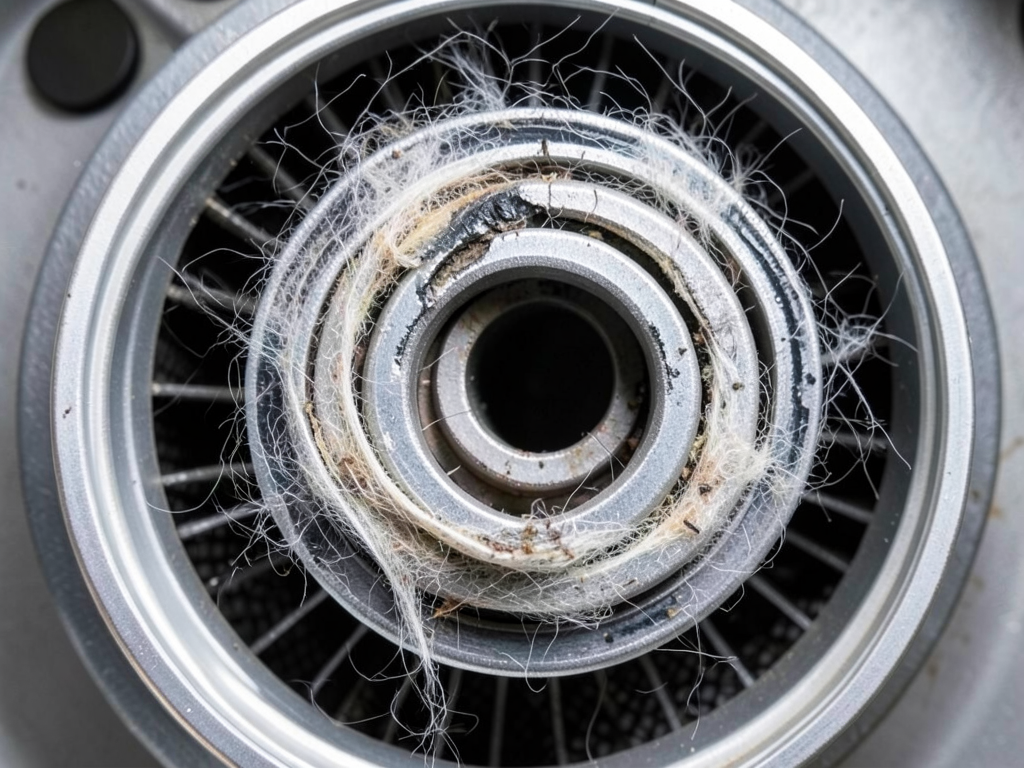
Blower motors face the biggest threat. Pet hair bypasses standard filters and wraps around motor bearings creating friction that leads to premature failure. The burning smell from a failing motor is unmistakable – a sharp electrical odor mixed with burning dust.. Read more about How to Get Rid of the Dirty Sock Smell Coming from Your Severna Park AC.
Condensate drain lines also suffer. Pet dander mixes with moisture and creates a sludge that blocks drainage. When water backs up you risk ceiling leaks and system shutdowns.
4 Signs Pet Hair is Killing Your Baltimore Home’s Air Quality
- Visible dust near vents – If you see pet hair accumulating around supply registers your system is already struggling.
- Musty odors when AC runs – Damp pet dander creates perfect conditions for mold growth inside your air handler.
- Hot and cold spots throughout your home – Restricted airflow means some rooms get plenty of conditioned air while others stay uncomfortable.
- Sudden spikes in your BGE bill – When your system works harder to overcome hair-related restrictions your energy consumption jumps.
The MERV Rating Guide for Pet Owners
Not all air filters handle pet hair equally. Here’s what works best for Homeland homes:
| MERV Rating | Pet Hair Capture | Airflow Impact | Best For | Filter Change Frequency |
|---|---|---|---|---|
| MERV 8 | Basic – large hair only | Minimal | 1 pet households | Every 90 days |
| MERV 11 | Good – hair and dander | Moderate | 2-3 pet households | Every 60-90 days |
| MERV 13 | Excellent – microscopic dander | High | Multiple pets or allergy sufferers | Every 30-45 days |
Most Baltimore HVAC systems can handle MERV 11 without strain. MERV 13 works if you replace filters every 30-45 days instead of the standard 90 days.
Professional vs. DIY: When to Call a Baltimore HVAC Expert
Vacuuming visible vents helps but doesn’t solve the real problem. Pet hair infiltrates deep into your system where household tools can’t reach.
Professional coil cleaning removes hair that’s baked onto surfaces. This process requires specialized chemicals and techniques that won’t damage your aluminum fins.
Duct cleaning becomes necessary when you notice persistent dust despite regular cleaning. Homes in Homeland’s older sections often have ductwork that’s never been cleaned since installation.
The diagnostic test we perform involves checking static pressure across your system. High static pressure indicates restricted airflow – often caused by hair buildup that’s invisible to homeowners.
Proactive Prevention: A Pet-Owner’s Maintenance Checklist
Prevention beats expensive repairs every time. Here’s your Baltimore-specific maintenance calendar: How to Get Emergency AC Repair in Canton When Your System Fails in a Heatwave.
- Monthly filter checks
Inspect filters every 30 days. In homes with multiple pets or during Baltimore’s high pollen seasons check more frequently.
- Quarterly vent vacuuming
Remove vent covers and vacuum inside ducts within arm’s reach. Look for hair accumulation patterns.
- Bi-annual professional tune-ups
Schedule maintenance in spring before cooling season and fall before heating season. Ask technicians to check for hair-related issues.
- Annual coil inspection
Have evaporator and condenser coils inspected for hair buildup. Baltimore’s humidity makes this critical.
Consider HEPA air purifiers for rooms where pets spend most time. These capture dander before it enters your HVAC system.
Understanding Baltimore’s Climate Impact on Pet Hair Problems
Maryland’s humidity creates unique challenges. Pet hair absorbs moisture and becomes sticky causing it to adhere to coil surfaces more aggressively than in drier climates.
During Baltimore’s summer months your AC runs constantly. This continuous operation means more air passes through filters and more hair accumulates on coils.
Winter brings different issues. When heating systems run warm air rises and carries pet dander upward where it settles on ceiling registers and returns.
The freeze-thaw cycles common in Baltimore also affect outdoor units. Moisture freezes around hair and debris potentially damaging fan blades and motors.
Cost-Benefit Analysis: Prevention vs. Repair
Professional coil cleaning in Baltimore typically costs $150-300. Compare this to blower motor replacement at $400-800 or emergency service calls during summer heat waves.
Energy savings from proper maintenance often offset the cost within one cooling season. A system working at peak efficiency uses 15-20% less electricity.
Consider this: a $200 maintenance visit could prevent a $2,000 system replacement. The math becomes clear when you factor in Baltimore’s extended cooling season.
Special Considerations for Homeland’s Historic Homes
Many Homeland homes built before 1980 have original ductwork. These systems weren’t designed for today’s high-MERV filters or the amount of pet hair modern households produce.
Older ducts often have gaps and leaks that allow unfiltered air to enter the system. This means pet hair enters from multiple points not just through return vents.
The narrow ductwork common in Baltimore rowhomes creates additional challenges. Limited space means hair accumulation has a more dramatic impact on airflow.
If your home has a boiler system with radiators instead of forced air dander still accumulates in air handlers and heat exchangers when AC is used.
Smart Technology Solutions for Pet Owners
Smart thermostats can help monitor system health. Models that track run times and energy usage help identify when your system works harder than normal – often a sign of hair-related restrictions.
Some advanced air purifiers integrate with smart home systems and provide real-time air quality readings. This data helps you understand when your HVAC system struggles with pet-related particulates.
UV light systems installed in air handlers kill bacteria that grows on pet dander. This prevents the musty odors common in homes with multiple pets.
When Pet Hair Indicates Bigger Problems
Excessive hair accumulation often signals other issues. If you’re changing filters monthly your home might have air leaks that need sealing.
Poorly sealed ductwork in basements or attics can draw in pet hair from areas where pets spend time.
Sometimes the problem isn’t your HVAC system but your home’s air exchange rate. A professional energy audit can identify these issues.
The diagnostic process includes checking for proper ventilation and identifying where pet hair enters your system. This comprehensive approach solves the root cause not just symptoms.
Frequently Asked Questions
How often should I change my filter with pets?
Standard advice says every 90 days but pet owners should check monthly. Homes with multiple pets often need changes every 30-45 days especially during Baltimore’s high humidity months.
Can pet hair damage my AC compressor?
Direct damage to the outdoor compressor is rare but hair accumulation on the condenser coil reduces efficiency. This forces the compressor to work harder potentially shortening its lifespan.
Is professional duct cleaning worth it for pet owners?
If you’ve lived in your home for years without cleaning or if you notice persistent dust despite regular cleaning professional cleaning can significantly improve air quality and system efficiency.
What MERV rating is best for multiple pets?
MERV 11 offers the best balance for most homes with 2-3 pets. It captures most pet dander without significantly restricting airflow. MERV 13 works if you’re diligent about frequent filter changes.
How can I tell if pet hair is affecting my system?
Signs include reduced airflow from vents unusual odors when the system runs hot and cold spots in your home and rising energy bills. A professional static pressure test provides definitive answers.
Don’t let pet hair turn your HVAC system into an expensive problem. With proper maintenance and the right filtration strategy you can enjoy both your pets and reliable home comfort.
Call (443) 390-4933 today to schedule your professional HVAC inspection. Our Baltimore technicians know exactly how to handle pet-related HVAC issues in Homeland homes. For more information, visit ASPCA pet dander information.
{
“@context”: “https://schema.org”,
“@type”: “BlogPosting”,
“headline”: “How to Manage Excessive Pet Hair and Dander in Your Homeland House HVAC System”,
“description”: “Pet hair clogs Homeland HVAC systems causing poor airflow and higher bills. Learn Baltimore-specific solutions to protect your system and indoor air quality.”,
“wordCount”: 1382,
“datePublished”: “2026-05-03T06:40:00.000Z”,
“dateModified”: “2026-05-03T06:40:00.000Z”,
“inLanguage”: “en-US”,
“mainEntityOfPage”: {
“@type”: “WebPage”,
“@id”: “https://victoryhvacbaltimore.com”
},
“publisher”: {
“@type”: “LocalBusiness”,
“name”: “Victory HVAC Baltimore”,
“url”: “https://victoryhvacbaltimore.com”
},
“author”: {
“@type”: “Organization”,
“name”: “Victory HVAC Baltimore”,
“url”: “https://victoryhvacbaltimore.com”
},
“image”: {
“@type”: “ImageObject”,
“url”: “https://victoryhvacbaltimore.com/wp-content/uploads/2026/03/how-to-manage-excessive-pet-hair-and-dander-in-you-1.png”
}
}
{
“@context”: “https://schema.org”,
“@type”: “HVACBusiness”,
“name”: “Victory HVAC Baltimore”,
“url”: “https://victoryhvacbaltimore.com”,
“address”: {
“@type”: “PostalAddress”,
“addressLocality”: “Baltimore”
},
“areaServed”: {
“@type”: “City”,
“name”: “Baltimore”
}
}
{
“@context”: “https://schema.org”,
“@type”: “FAQPage”,
“mainEntity”: [
{
“@type”: “Question”,
“name”: “How often should I change my filter with pets?”,
“acceptedAnswer”: {
“@type”: “Answer”,
“text”: “Standard advice says every 90 days but pet owners should check monthly. Homes with multiple pets often need changes every 30-45 days especially during Baltimore’s high humidity months.”
}
},
{
“@type”: “Question”,
“name”: “Can pet hair damage my AC compressor?”,
“acceptedAnswer”: {
“@type”: “Answer”,
“text”: “Direct damage to the outdoor compressor is rare but hair accumulation on the condenser coil reduces efficiency. This forces the compressor to work harder potentially shortening its lifespan.”
}
},
{
“@type”: “Question”,
“name”: “Is professional duct cleaning worth it for pet owners?”,
“acceptedAnswer”: {
“@type”: “Answer”,
“text”: “If you’ve lived in your home for years without cleaning or if you notice persistent dust despite regular cleaning professional cleaning can significantly improve air quality and system efficiency.”
}
},
{
“@type”: “Question”,
“name”: “What MERV rating is best for multiple pets?”,
“acceptedAnswer”: {
“@type”: “Answer”,
“text”: “MERV 11 offers the best balance for most homes with 2-3 pets. It captures most pet dander without significantly restricting airflow. MERV 13 works if you’re diligent about frequent filter changes.”
}
},
{
“@type”: “Question”,
“name”: “How can I tell if pet hair is affecting my system?”,
“acceptedAnswer”: {
“@type”: “Answer”,
“text”: “Signs include reduced airflow from vents unusual odors when the system runs hot and cold spots in your home and rising energy bills. A professional static pressure test provides definitive answers.”
}
}
]
}
{
“@context”: “https://schema.org”,
“@type”: “HowTo”,
“name”: “Pet Owner HVAC Maintenance”,
“step”: [
{
“@type”: “HowToStep”,
“position”: 1,
“name”: “Monthly filter checks”,
“text”: “Inspect filters every 30 days. In homes with multiple pets or during Baltimore’s high pollen seasons check more frequently.”
},
{
“@type”: “HowToStep”,
“position”: 2,
“name”: “Quarterly vent vacuuming”,
“text”: “Remove vent covers and vacuum inside ducts within arm’s reach. Look for hair accumulation patterns.”
},
{
“@type”: “HowToStep”,
“position”: 3,
“name”: “Bi-annual professional tune-ups”,
“text”: “Schedule maintenance in spring before cooling season and fall before heating season. Ask technicians to check for hair-related issues.”
},
{
“@type”: “HowToStep”,
“position”: 4,
“name”: “Annual coil inspection”,
“text”: “Have evaporator and condenser coils inspected for hair buildup. Baltimore’s humidity makes this critical.”
}
],
“image”: “https://victoryhvacbaltimore.com/wp-content/uploads/2026/03/how-to-manage-excessive-pet-hair-and-dander-in-you-1.png”
}
{
“@context”: “https://schema.org”,
“@type”: “BreadcrumbList”,
“itemListElement”: [
{
“@type”: “ListItem”,
“position”: 1,
“name”: “Home”,
“item”: “https://victoryhvacbaltimore.com”
},
{
“@type”: “ListItem”,
“position”: 2,
“name”: “Blog”,
“item”: “https://victoryhvacbaltimore.com/blog”
},
{
“@type”: “ListItem”,
“position”: 3,
“name”: “How to Manage Excessive Pet Hair and Dander in Your Homeland House HVAC System”
}
]
}
{
“@context”: “https://schema.org”,
“@type”: “Service”,
“serviceType”: “HVAC”,
“provider”: {
“@type”: “LocalBusiness”,
“name”: “Victory HVAC Baltimore”,
“url”: “https://victoryhvacbaltimore.com”
},
“areaServed”: {
“@type”: “City”,
“name”: “Baltimore”
},
“description”: “Pet hair clogs Homeland HVAC systems causing poor airflow and higher bills. Learn Baltimore-specific solutions to protect your system and indoor air quality.”
}