
How to Hiddenly Install HVAC in a Finished Basement in Your Lutherville Home
Finishing your Lutherville basement creates valuable living space but often leaves it uncomfortably cold or damp without proper heating and cooling. The challenge lies in installing HVAC systems that deliver consistent comfort while preserving the clean, finished look you’ve invested in. This guide walks you through proven strategies for hidden HVAC installation that work specifically with Lutherville’s climate conditions, architectural styles, and local building requirements.. Read more about Why Proper Load Calculations Are Vital for New Construction Homes in White Marsh.
Understanding Lutherville’s Basement Climate Challenges
Lutherville experiences significant seasonal humidity swings that create unique basement HVAC demands. Summer months bring moisture levels that can exceed 70% relative humidity, while winter temperatures regularly drop below freezing. These conditions require systems that handle both temperature control and dehumidification without creating visual clutter in your finished space.
The soil composition in Baltimore County’s northern regions includes heavy clay that retains moisture, creating hydrostatic pressure against basement walls. This geological factor affects where HVAC equipment can be placed and how drainage systems must be integrated with mechanical installations. Baltimore County Building Permits.
Assessment and Planning Phase
Before any installation begins, a comprehensive evaluation determines the optimal HVAC approach for your specific basement layout. Professional contractors measure cubic footage, assess insulation quality, and identify potential obstacles like support columns or existing plumbing runs.
Heat load calculations follow Manual J protocols to determine exact heating and cooling requirements. This process considers factors like basement ceiling height, window placement, and whether the space will serve as a bedroom, entertainment area, or home office. Accurate calculations prevent oversized systems that waste energy and create uncomfortable temperature swings.
Electrical capacity assessment ensures your existing panel can handle new HVAC loads. Many Lutherville homes built before 2000 have 100-amp service that may need upgrading to accommodate modern high-efficiency systems with dehumidification capabilities.
Hidden Ductwork Solutions for Finished Basements
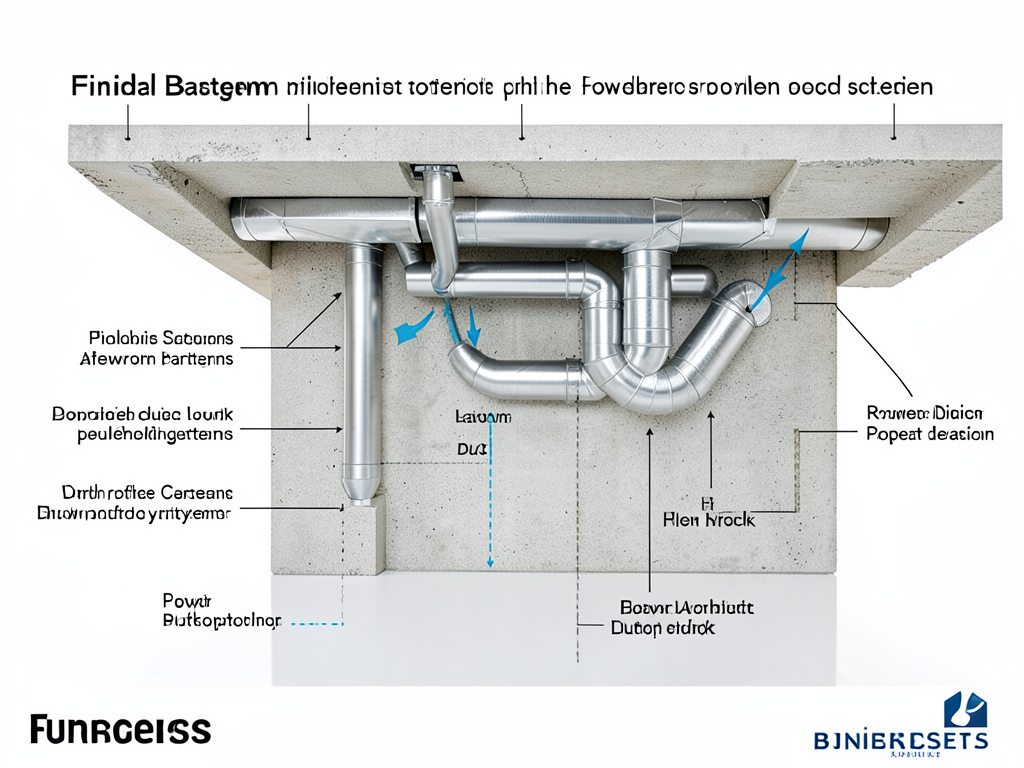
Traditional ductwork installation in finished basements requires creative concealment strategies. Bulkhead soffits can hide supply and return ducts while maintaining adequate airflow. These structures typically extend 12-18 inches from the ceiling and can be finished with drywall to match existing walls.
Low-profile duct systems offer another solution for basements with limited ceiling height. These ducts measure just 3-4 inches in depth compared to standard 6-8 inch ducts, allowing installation in tighter spaces without major structural modifications.
Flexible duct routing through existing wall cavities provides the most discreet option when structural conditions permit. This approach requires careful planning to avoid interference with electrical wiring, plumbing, and load-bearing elements.
Ductless Mini-Split Systems: The Ultimate Hidden Solution
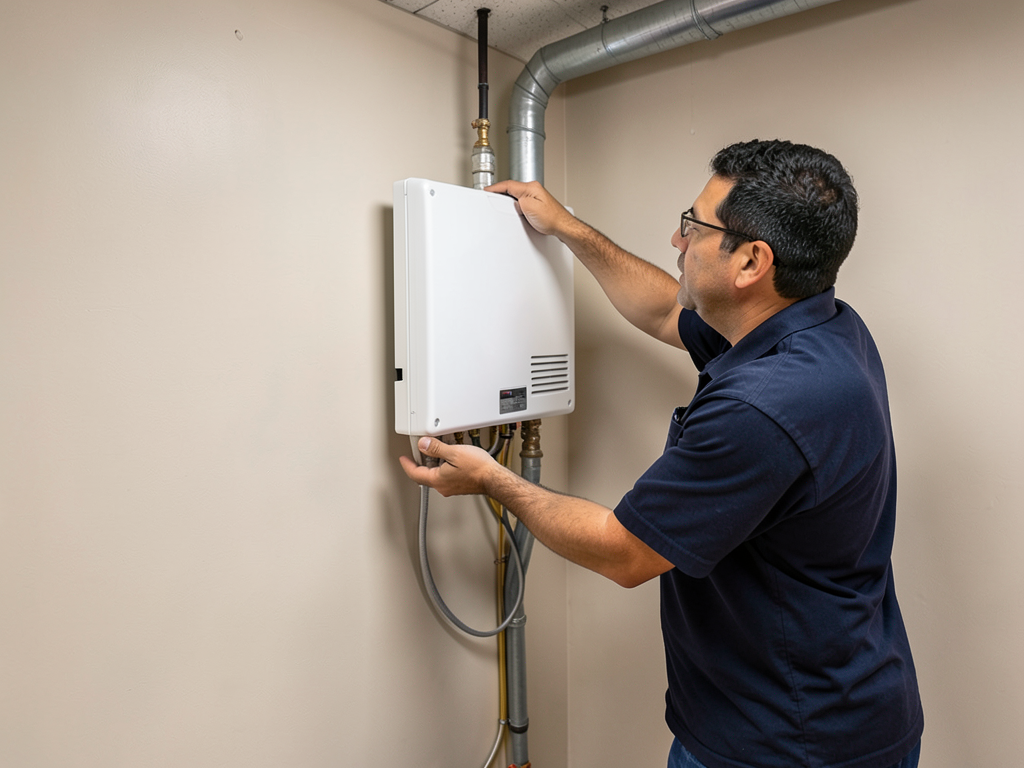
Ductless mini-split systems eliminate the need for visible ductwork entirely. The indoor air handler mounts high on walls or in ceiling cassettes, while the outdoor condenser connects through small refrigerant lines that pass through 3-inch wall penetrations. Getting Ductless Mini Split Installation for Your Federal Hill Rowhome.
Modern mini-splits offer heating and cooling capacities from 9,000 to 36,000 BTU, making them suitable for most Lutherville basement sizes. The units operate at sound levels as low as 19 decibels, quieter than a whisper, and feature programmable controls that maintain consistent temperatures.
Installation requires mounting brackets secured to wall studs or ceiling joists. Professional contractors ensure proper support for units that can weigh 25-40 pounds when fully loaded with refrigerant.
Zoned HVAC Systems for Multi-Purpose Basements
Finished basements often serve multiple functions requiring different temperature zones. A home theater might need cooler temperatures than a guest bedroom, while a home gym generates additional heat from exercise equipment.
Zoned systems use multiple thermostats and motorized dampers to direct conditioned air where needed. This approach reduces energy consumption by avoiding unnecessary heating or cooling of unoccupied areas.
Smart zoning controls allow smartphone management of individual zones, enabling temperature adjustments before you even descend the basement stairs. Some systems integrate with home automation platforms for voice control and occupancy-based adjustments.
Moisture Control Integration
Effective basement HVAC must address moisture alongside temperature. High humidity promotes mold growth, damages finishes, and creates uncomfortable conditions even when temperatures feel adequate.
Dehumidification can be integrated directly into HVAC systems or installed as separate units. Whole-house dehumidifiers connect to existing ductwork and remove 70-100 pints of moisture daily, significantly improving indoor air quality.. Read more about Is a Whole Home Dehumidifier Worth the Investment for Your Basement in Parkville?.
Standalone dehumidifiers offer flexibility for specific problem areas. These units typically remove 30-70 pints per day and include built-in pumps for continuous drainage to floor drains or sump systems.
Baltimore County Building Code Compliance
Baltimore County requires mechanical permits for basement HVAC installations, including ductless systems. The permit process involves submitting detailed plans showing equipment locations, electrical connections, and compliance with local energy codes.
Mechanical ventilation requirements mandate fresh air intake for finished basements used as living spaces. This typically involves installing a fresh air damper that automatically opens when the system operates, ensuring adequate oxygen levels and preventing negative pressure conditions.
Combustion air provisions apply when installing gas furnaces in basements. The International Residential Code requires specific free area calculations based on BTU input, typically requiring two permanent openings to the exterior or a dedicated combustion air duct.
Installation Process Timeline
Professional HVAC installation follows a systematic sequence that minimizes disruption to your finished basement. The process typically spans 2-4 days depending on system complexity and existing conditions.
Day one involves equipment delivery, initial setup, and electrical preparations. Contractors protect finished surfaces with drop cloths and establish containment barriers to minimize dust migration.
Day two focuses on refrigerant line installation, ductwork connections, and system charging. This phase includes pressure testing to verify leak-free operation and proper refrigerant charge.
Day three encompasses control wiring, thermostat programming, and initial system testing. Technicians verify airflow measurements, check temperature differentials, and calibrate controls for optimal performance.
Final day includes permit inspections, owner orientation, and documentation review. Contractors demonstrate system operation, explain maintenance requirements, and provide warranty information.
Energy Efficiency Considerations
High-efficiency HVAC systems reduce operating costs while improving comfort. Look for units with SEER2 ratings of 16 or higher for cooling and HSPF ratings above 8.2 for heating.
Variable-speed compressors adjust output to match actual demand rather than cycling on and off at full capacity. This technology reduces energy consumption by 20-40% compared to single-stage units while maintaining more consistent temperatures.
Smart thermostats optimize performance by learning occupancy patterns and adjusting setpoints automatically. Some models provide energy usage reports and suggest efficiency improvements based on your specific patterns.
Maintenance Requirements for Hidden Systems
Hidden HVAC systems require regular maintenance to maintain efficiency and prevent failures. Filter replacement every 1-3 months prevents airflow restrictions that strain equipment and reduce performance.
Coil cleaning removes dust and debris that accumulate on indoor and outdoor units. Dirty coils can reduce system efficiency by 30% or more, increasing energy costs and shortening equipment life.
Condensate drain maintenance prevents water damage from clogged drain lines. Annual cleaning with vinegar solution or commercial cleaners keeps drains flowing freely and prevents mold growth in drain pans.
Cost Factors and Budgeting
Basement HVAC installation costs vary based on system type, home configuration, and local labor rates. Ductless mini-splits typically range from $3,500 to $7,000 for complete installation, while traditional ducted systems can cost $8,000 to $15,000 or more.
Additional expenses include electrical upgrades, permit fees, and any necessary structural modifications. Electrical panel upgrades can add $1,500 to $3,000, while permit fees in Baltimore County range from $100 to $500 depending on project scope.
Energy rebates and tax credits can offset installation costs. Maryland’s EmPOWER program offers rebates for high-efficiency equipment, while federal tax credits provide additional savings for qualifying systems. Why Federal Hill Rowhouses Need Specialized Boiler Repair Services.
Common Installation Mistakes to Avoid
Undersized equipment fails to maintain comfortable temperatures during extreme weather conditions. Professional load calculations prevent this costly mistake by ensuring proper system sizing.
Poor airflow design creates hot and cold spots throughout the basement. Proper duct sizing and strategic vent placement ensure even temperature distribution and optimal system performance.
Insufficient return air capacity causes pressure imbalances that reduce efficiency and comfort. Each supply vent requires adequate return capacity to maintain proper system operation.
Ignoring local building codes results in failed inspections and costly rework. Professional contractors understand Baltimore County requirements and ensure all installations meet current standards.
Long-Term Value Considerations
Quality HVAC installation adds significant value to finished basements. Consistent comfort makes the space more usable year-round, increasing its appeal to potential buyers if you decide to sell.
Energy-efficient systems reduce utility costs while improving indoor air quality. Modern filtration options remove allergens, dust, and other particulates, creating healthier living environments.
Properly sized and installed systems require fewer repairs and last longer than poorly matched equipment. This reliability translates to lower lifetime ownership costs and fewer service interruptions. How to Get Emergency AC Repair in Canton When Your System Fails in a Heatwave.
Frequently Asked Questions
How long does hidden HVAC installation take in a finished basement?
Most installations require 2-4 days depending on system complexity. Simple ductless installations might complete in two days, while complex ducted systems with electrical upgrades can extend to four days or longer.
Will I need to modify my finished basement walls?
Minimal wall modifications are typically required. Ductless systems need only small refrigerant line penetrations, while ducted systems may require access for ductwork routing through existing cavities.
What permits are required for basement HVAC installation?
Baltimore County requires mechanical permits for all basement HVAC installations. The permit process ensures compliance with local building codes and includes inspections at various installation stages.
How much does hidden HVAC installation cost?
Costs range from $3,500 to $15,000 depending on system type and home configuration. Ductless mini-splits offer the most affordable option, while comprehensive ducted systems with zoning controls represent the higher end of the cost spectrum.
Can I install HVAC myself to save money?
DIY HVAC installation is not recommended and often violates local building codes. Professional installation ensures proper sizing, safe operation, and warranty protection while meeting all permit requirements.
Ready to Transform Your Basement Comfort?
Hidden HVAC installation requires expertise in system design, building codes, and finishing techniques. Professional contractors understand how to deliver comfort without compromising the aesthetic appeal of your finished basement.
Call (443) 390-4933 today to schedule your free in-basement consultation. Our technicians will evaluate your specific needs, explain available options, and provide detailed proposals with upfront pricing.
Don’t let another season pass with an uncomfortable basement. Pick up the phone and call (443) 390-4933 before the next heat wave or cold snap hits Lutherville. For more information, visit Energy.gov Heat Pump Information.
[IMAGE_PLACEHOLDER_3>
{
“@context”: “https://schema.org”,
“@type”: “BlogPosting”,
“headline”: “How to Hiddenly Install HVAC in a Finished Basement in Your Lutherville Home”,
“description”: “Learn expert techniques for hidden HVAC installation in Lutherville basements. Discover ductless mini-splits, zoned systems, and compliance with Baltimore County codes.”,
“wordCount”: 1742,
“datePublished”: “2026-04-10T12:24:00.000Z”,
“dateModified”: “2026-04-10T12:24:00.000Z”,
“inLanguage”: “en-US”,
“mainEntityOfPage”: {
“@type”: “WebPage”,
“@id”: “https://victoryhvacbaltimore.com”
},
“publisher”: {
“@type”: “LocalBusiness”,
“name”: “Victory HVAC Baltimore”,
“url”: “https://victoryhvacbaltimore.com”
},
“author”: {
“@type”: “Organization”,
“name”: “Victory HVAC Baltimore”,
“url”: “https://victoryhvacbaltimore.com”
},
“image”: {
“@type”: “ImageObject”,
“url”: “https://victoryhvacbaltimore.com/wp-content/uploads/2026/03/how-to-hiddenly-install-hvac-in-a-finished-basemen-1.png”
}
}
{
“@context”: “https://schema.org”,
“@type”: “HVACBusiness”,
“name”: “Victory HVAC Baltimore”,
“url”: “https://victoryhvacbaltimore.com”,
“address”: {
“@type”: “PostalAddress”,
“addressLocality”: “Baltimore”
},
“areaServed”: {
“@type”: “City”,
“name”: “Baltimore”
}
}
{
“@context”: “https://schema.org”,
“@type”: “FAQPage”,
“mainEntity”: [
{
“@type”: “Question”,
“name”: “How long does hidden HVAC installation take in a finished basement?”,
“acceptedAnswer”: {
“@type”: “Answer”,
“text”: “Most installations require 2-4 days depending on system complexity. Simple ductless installations might complete in two days, while complex ducted systems with electrical upgrades can extend to four days or longer.”
}
},
{
“@type”: “Question”,
“name”: “Will I need to modify my finished basement walls?”,
“acceptedAnswer”: {
“@type”: “Answer”,
“text”: “Minimal wall modifications are typically required. Ductless systems need only small refrigerant line penetrations, while ducted systems may require access for ductwork routing through existing cavities.”
}
},
{
“@type”: “Question”,
“name”: “What permits are required for basement HVAC installation?”,
“acceptedAnswer”: {
“@type”: “Answer”,
“text”: “Baltimore County requires mechanical permits for all basement HVAC installations. The permit process ensures compliance with local building codes and includes inspections at various installation stages.”
}
},
{
“@type”: “Question”,
“name”: “How much does hidden HVAC installation cost?”,
“acceptedAnswer”: {
“@type”: “Answer”,
“text”: “Costs range from $3,500 to $15,000 depending on system type and home configuration. Ductless mini-splits offer the most affordable option, while comprehensive ducted systems with zoning controls represent the higher end of the cost spectrum.”
}
},
{
“@type”: “Question”,
“name”: “Can I install HVAC myself to save money?”,
“acceptedAnswer”: {
“@type”: “Answer”,
“text”: “DIY HVAC installation is not recommended and often violates local building codes. Professional installation ensures proper sizing, safe operation, and warranty protection while meeting all permit requirements.”
}
},
{
“@type”: “Question”,
“name”: “Ready to Transform Your Basement Comfort?”,
“acceptedAnswer”: {
“@type”: “Answer”,
“text”: “Hidden HVAC installation requires expertise in system design, building codes, and finishing techniques. Professional contractors understand how to deliver comfort without compromising the aesthetic appeal of your finished basement.”
}
}
]
}
{
“@context”: “https://schema.org”,
“@type”: “BreadcrumbList”,
“itemListElement”: [
{
“@type”: “ListItem”,
“position”: 1,
“name”: “Home”,
“item”: “https://victoryhvacbaltimore.com”
},
{
“@type”: “ListItem”,
“position”: 2,
“name”: “Blog”,
“item”: “https://victoryhvacbaltimore.com/blog”
},
{
“@type”: “ListItem”,
“position”: 3,
“name”: “How to Hiddenly Install HVAC in a Finished Basement in Your Lutherville Home”
}
]
}
{
“@context”: “https://schema.org”,
“@type”: “Service”,
“serviceType”: “HVAC”,
“provider”: {
“@type”: “LocalBusiness”,
“name”: “Victory HVAC Baltimore”,
“url”: “https://victoryhvacbaltimore.com”
},
“areaServed”: {
“@type”: “City”,
“name”: “Baltimore”
},
“description”: “Learn expert techniques for hidden HVAC installation in Lutherville basements. Discover ductless mini-splits, zoned systems, and compliance with Baltimore County codes.”
}