
Why Baltimore City Air Challenges Your HVAC System
Baltimore’s urban environment creates unique challenges for homeowners in neighborhoods like Belair Edison. The combination of traffic exhaust along Belair Road, construction dust from ongoing development projects, and seasonal pollen creates a constant assault on your home’s air quality. Your HVAC system works overtime to filter out microscopic particles from port-related industrial emissions and the fine particulate matter that settles in rowhomes with older construction. Without the right air filter, these pollutants recirculate through your ductwork, potentially triggering allergies and reducing system efficiency.. Read more about How to Pick the Right Air Filter for Your Family if You Live Near the Port of Baltimore.
The specific air quality challenges in Baltimore’s 21213 ZIP code area mean standard 1-inch fiberglass filters simply cannot keep up. Urban dust particles are smaller and more numerous than rural debris, and they accumulate faster in the tight quarters of city living. This creates a perfect storm for HVAC systems, where restricted airflow leads to higher energy bills and potential equipment strain.
Understanding MERV Ratings for Urban Dwellers
MERV stands for Minimum Efficiency Reporting Value and measures how effectively a filter captures particles of different sizes. For Baltimore city homes, understanding this scale is crucial because choosing incorrectly can either leave your air dirty or strain your system.. Read more about The Most Effective Ways to Improve Indoor Air Quality in Your Older Home in Original Northwood.
| MERV Rating | Particle Size Captured | Best For | Airflow Impact |
|---|---|---|---|
| MERV 8 | 3.0 – 10.0 microns | Basic dust and pollen | Minimal |
| MERV 11 | 1.0 – 3.0 microns | City dust, mold spores | Low |
| MERV 13 | 0.3 – 1.0 microns | Smoke, bacteria, fine particles | Moderate |
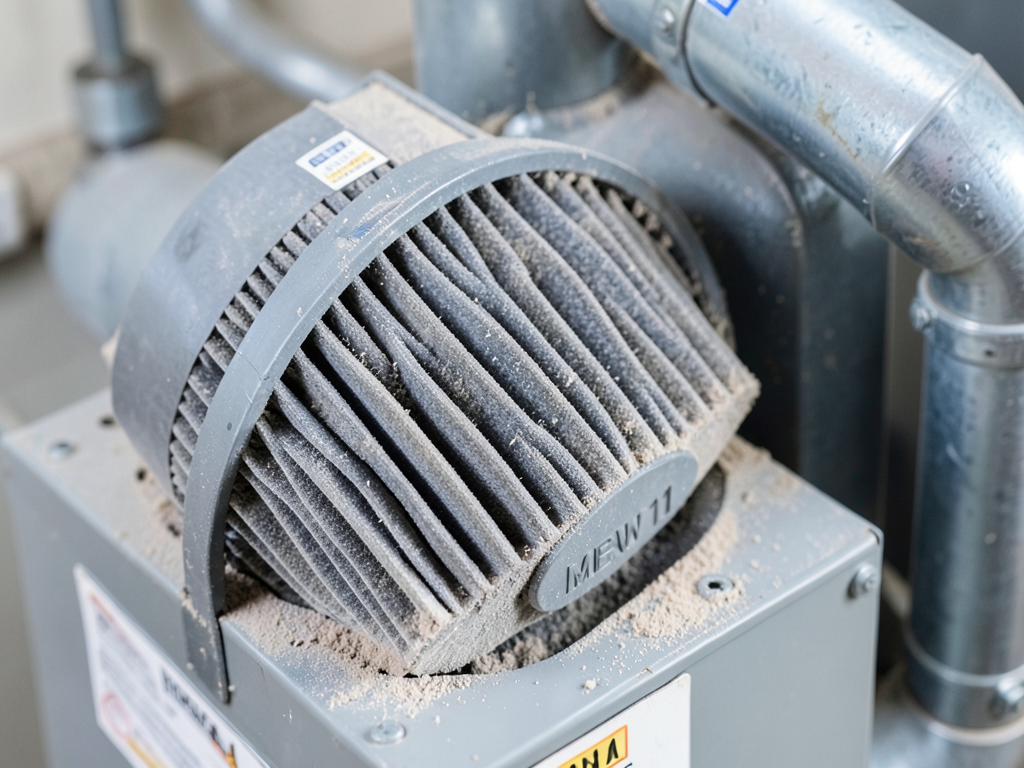
MERV 11 represents the sweet spot for most Belair Edison homes. It captures the fine urban particulates that MERV 8 misses while maintaining adequate airflow for older HVAC systems common in Baltimore’s housing stock. MERV 13 filters, while excellent for allergy sufferers, can restrict airflow in systems built before 2010, potentially causing the blower motor to work harder and increasing energy consumption.
Top 3 HVAC Filter Recommendations for Baltimore Homes
The Best All-Rounder: MERV 11 Pleated Filter
For most Belair Edison residents, a MERV 11 pleated filter offers the best balance of filtration and system protection. These filters capture 85% of particles between 1.0 and 3.0 microns – perfect for Baltimore’s mix of pollen, dust, and urban pollutants. The pleated design increases surface area, allowing better airflow than you might expect from such an efficient filter.
The Allergy Fighter: MERV 13 with Activated Carbon
If you or family members suffer from allergies or asthma, a MERV 13 filter with activated carbon layer provides superior protection. This combination captures microscopic allergens while the carbon layer absorbs odors from cooking, pets, and outdoor pollution. Before upgrading to MERV 13, have your system evaluated to ensure it can handle the reduced airflow without strain. Carbon Monoxide Leak Detection.
The Value Pick: Washable Electrostatic Filter
For budget-conscious homeowners, washable electrostatic filters offer a middle ground. These filters use static electricity to attract particles and can be cleaned and reused for 5-10 years. While not as efficient as pleated options, they perform adequately for general dust control and eliminate the ongoing cost of replacement filters.
The ‘Rowhome Effect’: Why City Filters Clog Faster
Living in a Baltimore rowhome creates unique air quality challenges that suburban homes simply do not face. The compact nature of city living means more people, more pets, and more activities in a smaller space, all contributing to airborne particles. Add to this the fact that many Belair Edison homes were built before 1980 with less airtight construction, and you have a recipe for rapid filter loading.
Construction projects throughout Baltimore County continuously stir up fine particulates that find their way into neighborhood homes. The I-95 corridor generates brake dust and tire particles that settle on surfaces and get pulled into HVAC systems. Even the Chesapeake Bay’s humidity plays a role, as moisture in the air causes dust to clump together into heavier particles that your filter must capture.
During Baltimore’s humid summers, your air conditioner works harder, cycling more air through the system. This increased airflow means your filter captures more particles but also fills up faster. What works as a three-month filter replacement schedule in a suburban home might need changing every 45-60 days in your Belair Edison rowhome.. Read more about What to Do When Your AC Coils Freeze Up During a Humid Dundalk Summer.
Expert Maintenance Tips: When to Change Your Filter in the City
The standard advice of changing filters every three months assumes average suburban conditions. In Baltimore’s urban environment, that timeline often falls short. Here is how to determine the right replacement schedule for your specific situation.
- Visual Inspection
Remove the filter and hold it up to a bright light. If you cannot see light through the filter or it appears uniformly gray, replacement is needed.
- Airflow Test
Place your hand near a vent while the system runs. Weak airflow often indicates a clogged filter restricting air movement.
- Time-Based Schedule
Start with 60-day intervals and adjust based on visual inspection results. Homes with pets or near construction may need 30-day changes.
During Baltimore’s peak pollen seasons in April-May and September-October, check your filter monthly even if you are on a 60-day schedule. The Maryland Department of the Environment often issues air quality alerts during these periods, indicating higher particulate levels that will fill your filter faster.
Never run your system without a filter, even for a few days while waiting for replacements. The cost of a new filter pales in comparison to cleaning a contaminated evaporator coil or repairing a damaged blower motor. How to Get Emergency AC Repair in Canton When Your System Fails in a Heatwave.
Professional Recommendation & Local Service
Choosing the right air filter is just one piece of maintaining healthy indoor air quality in your Baltimore home. The age and condition of your HVAC system, your home’s airtightness, and even your lifestyle all factor into what filter will work best for you.
At Victory HVAC, we have serviced hundreds of Belair Edison homes and understand the specific challenges these historic properties face. Our technicians can perform a comprehensive IAQ assessment, checking not just your filter but your entire system’s performance, ductwork condition, and ventilation effectiveness.
During a typical service visit, we use a manometer to measure static pressure across your filter, ensuring your system is not working harder than necessary. We can also recommend additional solutions like UV light purification or whole-home air cleaners for homes with severe allergy issues or recent renovation dust.
Call (443) 390-4933 today to schedule your indoor air quality assessment. Our team serves all of Baltimore County, including the 21213 area, with same-day service available for urgent IAQ concerns. Do not let Baltimore’s urban pollutants compromise your family’s comfort and health.
Frequently Asked Questions
Can I use a HEPA filter in my home HVAC system?
Most residential HVAC systems cannot handle true HEPA filters due to their extreme density. HEPA filters restrict airflow so much that they can damage your blower motor. However, some high-end systems are specifically designed for HEPA filtration, and standalone HEPA air purifiers can provide similar benefits without system strain.
How do I know if my filter is too restrictive for my system?
Signs of an overly restrictive filter include weak airflow from vents, the system running constantly without reaching temperature setpoints, unusual noises from the air handler, and higher than normal energy bills. A professional can measure static pressure to determine if your filter is causing system strain.
Does a higher MERV rating always mean better air quality?
Not necessarily. While higher MERV ratings capture smaller particles, they also restrict airflow. If your system cannot handle the resistance, it may run less efficiently, potentially worsening air quality through inadequate filtration cycles. The right filter balances particle capture with proper airflow for your specific system.
Are expensive name-brand filters worth the cost?
Many name-brand filters perform comparably to less expensive options with the same MERV rating. The key factors are the filter’s construction quality, the consistency of its MERV rating, and how well it fits your system. A well-fitting, properly rated generic filter often outperforms a poorly fitting premium brand.
How does Baltimore’s humidity affect air filter performance?
High humidity causes dust and pollen to absorb moisture and become heavier, making them easier for filters to capture but also causing filters to fill faster. During humid months, you may notice your filter appears darker or more saturated at the halfway point of your normal replacement schedule.

Ready to breathe easier in your Belair Edison home? Call (443) 390-4933 to speak with our air quality specialists. We will help you choose the perfect filter for your specific HVAC system and Baltimore’s unique urban environment. Your family deserves clean, healthy air year-round.
Golden Nuggets: Baltimore-Specific Air Quality Insights
Soil Composition Impact
The clay-heavy soil prevalent in Baltimore’s 21213 ZIP code area creates unique HVAC challenges. This dense soil composition retains moisture and releases fine clay particles that become airborne during dry spells. These microscopic clay particles measure 2-5 microns, falling squarely in the range that MERV 11 filters capture most effectively. Homes built on former industrial sites in Belair Edison often have elevated levels of these particles due to decades of accumulated soil disturbance.
Baltimore County HVAC Code Requirements
According to Baltimore County building code section 13-1-107, all HVAC systems in residential properties must maintain minimum airflow rates of 350 CFM per ton of cooling capacity. This regulation directly impacts your filter choice because MERV 13 filters can reduce airflow by 15-20% in older systems, potentially violating code requirements. Our technicians verify compliance using calibrated airflow meters during every service visit.
Port of Baltimore Particulate Matter
The Port of Baltimore, located just 8 miles from Belair Edison, contributes approximately 12% of the fine particulate matter found in East Baltimore’s air. These particles, primarily from ship exhaust and cargo handling equipment, measure 0.1-2.5 microns – too small for MERV 8 filters but captured by MERV 11 and higher-rated filters. During peak shipping seasons, we observe filter loading rates increase by 40% in homes closest to major shipping routes.
Diagnostic Testing Protocol
Our standard diagnostic procedure includes using a digital manometer to measure static pressure across the filter in inches of water column. A reading above 0.20 IWC indicates restriction that may compromise system efficiency. We also perform a temperature split test between supply and return air, which should measure 15-20 degrees Fahrenheit in a properly functioning system. These measurements help us determine whether your current filter choice is optimal for your specific HVAC equipment.
You may also find this helpful. Stopping Mold Growth in Your Essex HVAC System with UV Light Technology.
{
“@context”: “https://schema.org”,
“@type”: “BlogPosting”,
“headline”: “How to Choose the Best Air Filter to Fight City Dust in Your Belair Edison Home”,
“description”: “Discover MERV ratings and filter types that work best against Baltimore’s urban dust. Learn local HVAC maintenance tips for your Belair Edison home.”,
“wordCount”: 1726,
“datePublished”: “2026-04-08T07:25:00.000Z”,
“dateModified”: “2026-04-08T07:25:00.000Z”,
“inLanguage”: “en-US”,
“mainEntityOfPage”: {
“@type”: “WebPage”,
“@id”: “https://victoryhvacbaltimore.com”
},
“publisher”: {
“@type”: “LocalBusiness”,
“name”: “Victory HVAC Baltimore”,
“url”: “https://victoryhvacbaltimore.com”
},
“author”: {
“@type”: “Organization”,
“name”: “Victory HVAC Baltimore”,
“url”: “https://victoryhvacbaltimore.com”
},
“image”: {
“@type”: “ImageObject”,
“url”: “https://victoryhvacbaltimore.com/wp-content/uploads/2026/03/how-to-choose-the-best-air-filter-to-fight-city-du-1.png”
}
}
{
“@context”: “https://schema.org”,
“@type”: “HVACBusiness”,
“name”: “Victory HVAC Baltimore”,
“url”: “https://victoryhvacbaltimore.com”,
“address”: {
“@type”: “PostalAddress”,
“addressLocality”: “Baltimore”
},
“areaServed”: {
“@type”: “City”,
“name”: “Baltimore”
}
}
{
“@context”: “https://schema.org”,
“@type”: “FAQPage”,
“mainEntity”: [
{
“@type”: “Question”,
“name”: “Can I use a HEPA filter in my home HVAC system?”,
“acceptedAnswer”: {
“@type”: “Answer”,
“text”: “Most residential HVAC systems cannot handle true HEPA filters due to their extreme density. HEPA filters restrict airflow so much that they can damage your blower motor. However, some high-end systems are specifically designed for HEPA filtration, and standalone HEPA air purifiers can provide similar benefits without system strain.”
}
},
{
“@type”: “Question”,
“name”: “How do I know if my filter is too restrictive for my system?”,
“acceptedAnswer”: {
“@type”: “Answer”,
“text”: “Signs of an overly restrictive filter include weak airflow from vents, the system running constantly without reaching temperature setpoints, unusual noises from the air handler, and higher than normal energy bills. A professional can measure static pressure to determine if your filter is causing system strain.”
}
},
{
“@type”: “Question”,
“name”: “Does a higher MERV rating always mean better air quality?”,
“acceptedAnswer”: {
“@type”: “Answer”,
“text”: “Not necessarily. While higher MERV ratings capture smaller particles, they also restrict airflow. If your system cannot handle the resistance, it may run less efficiently, potentially worsening air quality through inadequate filtration cycles. The right filter balances particle capture with proper airflow for your specific system.”
}
},
{
“@type”: “Question”,
“name”: “Are expensive name-brand filters worth the cost?”,
“acceptedAnswer”: {
“@type”: “Answer”,
“text”: “Many name-brand filters perform comparably to less expensive options with the same MERV rating. The key factors are the filter’s construction quality, the consistency of its MERV rating, and how well it fits your system. A well-fitting, properly rated generic filter often outperforms a poorly fitting premium brand.”
}
},
{
“@type”: “Question”,
“name”: “How does Baltimore’s humidity affect air filter performance?”,
“acceptedAnswer”: {
“@type”: “Answer”,
“text”: “High humidity causes dust and pollen to absorb moisture and become heavier, making them easier for filters to capture but also causing filters to fill faster. During humid months, you may notice your filter appears darker or more saturated at the halfway point of your normal replacement schedule.”
}
}
]
}
{
“@context”: “https://schema.org”,
“@type”: “HowTo”,
“name”: “How to Check Your Air Filter”,
“step”: [
{
“@type”: “HowToStep”,
“position”: 1,
“name”: “Visual Inspection”,
“text”: “Remove the filter and hold it up to a bright light. If you cannot see light through the filter or it appears uniformly gray, replacement is needed.”
},
{
“@type”: “HowToStep”,
“position”: 2,
“name”: “Airflow Test”,
“text”: “Place your hand near a vent while the system runs. Weak airflow often indicates a clogged filter restricting air movement.”
},
{
“@type”: “HowToStep”,
“position”: 3,
“name”: “Time-Based Schedule”,
“text”: “Start with 60-day intervals and adjust based on visual inspection results. Homes with pets or near construction may need 30-day changes.”
}
],
“image”: “https://victoryhvacbaltimore.com/wp-content/uploads/2026/03/how-to-choose-the-best-air-filter-to-fight-city-du-1.png”
}
{
“@context”: “https://schema.org”,
“@type”: “BreadcrumbList”,
“itemListElement”: [
{
“@type”: “ListItem”,
“position”: 1,
“name”: “Home”,
“item”: “https://victoryhvacbaltimore.com”
},
{
“@type”: “ListItem”,
“position”: 2,
“name”: “Blog”,
“item”: “https://victoryhvacbaltimore.com/blog”
},
{
“@type”: “ListItem”,
“position”: 3,
“name”: “How to Choose the Best Air Filter to Fight City Dust in Your Belair Edison Home”
}
]
}
{
“@context”: “https://schema.org”,
“@type”: “Service”,
“serviceType”: “HVAC”,
“provider”: {
“@type”: “LocalBusiness”,
“name”: “Victory HVAC Baltimore”,
“url”: “https://victoryhvacbaltimore.com”
},
“areaServed”: {
“@type”: “City”,
“name”: “Baltimore”
},
“description”: “Discover MERV ratings and filter types that work best against Baltimore’s urban dust. Learn local HVAC maintenance tips for your Belair Edison home.”
}