
How a Home Energy Audit Helps Reisterstown Homeowners Lower Their Monthly Bills
High energy bills in Reisterstown often stem from hidden air leaks, poor insulation, and inefficient HVAC systems that waste money year-round. A professional home energy audit identifies these problems with diagnostic tools like blower door tests and infrared thermography. When you know where your home is losing energy, you can fix it and keep more of your money each month.. Read more about Where You Should Place Your Thermostat in a Large Bolton Hill Home for Perfect Comfort.
Most Reisterstown homes built before 2000 have significant energy waste from aging windows, insufficient attic insulation, and duct leaks. These issues force your heating and cooling systems to work harder, driving up utility costs. An energy audit pinpoints these exact problems so you can prioritize repairs that deliver the biggest savings. How to Get Emergency AC Repair in Canton When Your System Fails in a Heatwave.
The BGE Smart Energy Savers Program offers a $100 comprehensive audit that would normally cost $400 or more. This program makes professional energy assessments affordable for Baltimore County homeowners. The audit includes a detailed report with recommended improvements and information about available rebates. BGE Smart Energy Savers Program.
Energy audits typically reveal savings of 15-30% on monthly utility bills through targeted improvements. For a typical Reisterstown home, this could mean $50-$150 in monthly savings after making recommended upgrades. The audit also identifies safety issues like carbon monoxide risks or electrical hazards that could endanger your family. Carbon Monoxide Leak Detection.
Professional energy auditors use specialized equipment to measure your home’s performance. A blower door test depressurizes your home to find air leaks that feel like drafts but are often hidden behind walls or in attics. Infrared cameras reveal temperature differences that show exactly where insulation is missing or where air is escaping.
Many Reisterstown homeowners qualify for federal tax credits and local rebates when they act on audit recommendations. The federal 25C tax credit covers 30% of qualifying improvements like insulation, air sealing, and high-efficiency HVAC equipment. These incentives can reduce your out-of-pocket costs by thousands of dollars. Why Federal Hill Rowhouses Need Specialized Boiler Repair Services.
Common energy problems in Reisterstown homes include unsealed attic hatches, recessed lighting fixtures that leak air, and uninsulated basement rim joists. These small issues add up to significant energy waste over time. An audit creates a roadmap for fixing these problems in the most cost-effective order.. Read more about Solving Common Hot and Cold Spot Issues in Multi Story Hamilton Lauraville Homes.
The audit process takes about 3-4 hours for a typical home. Technicians examine your entire building envelope, test combustion appliances for safety, and analyze your energy usage patterns. You receive a comprehensive report within a week that prioritizes recommendations based on your specific home and budget.
Energy audits are especially valuable before major home improvements like window replacement or HVAC upgrades. The audit data helps you make informed decisions about where to invest your money for maximum return. Sometimes simple fixes like adding insulation provide better value than expensive equipment replacements. Adding Central Air to Your Hampden Rowhome Without Ruining the Character.
Call (443) 390-4933 today to schedule your BGE-subsidized energy audit and start saving money immediately. Our certified technicians serve all of Baltimore County including Reisterstown, Owings Mills, and surrounding communities.
What Happens During a Professional Home Energy Audit
Professional energy auditors follow a systematic process to evaluate your home’s energy performance. The assessment combines visual inspections with advanced diagnostic testing to create a complete picture of your home’s efficiency. Every step provides specific data about where your home is losing energy and money.. Read more about How to Tell If Your Nottingham Home is Losing Air Through Leaky Ducts.
The audit begins with a detailed interview about your energy usage patterns and comfort concerns. Technicians review your utility bills to understand your consumption trends and identify unusual spikes. This conversation helps prioritize which issues to address first based on your specific needs and budget.
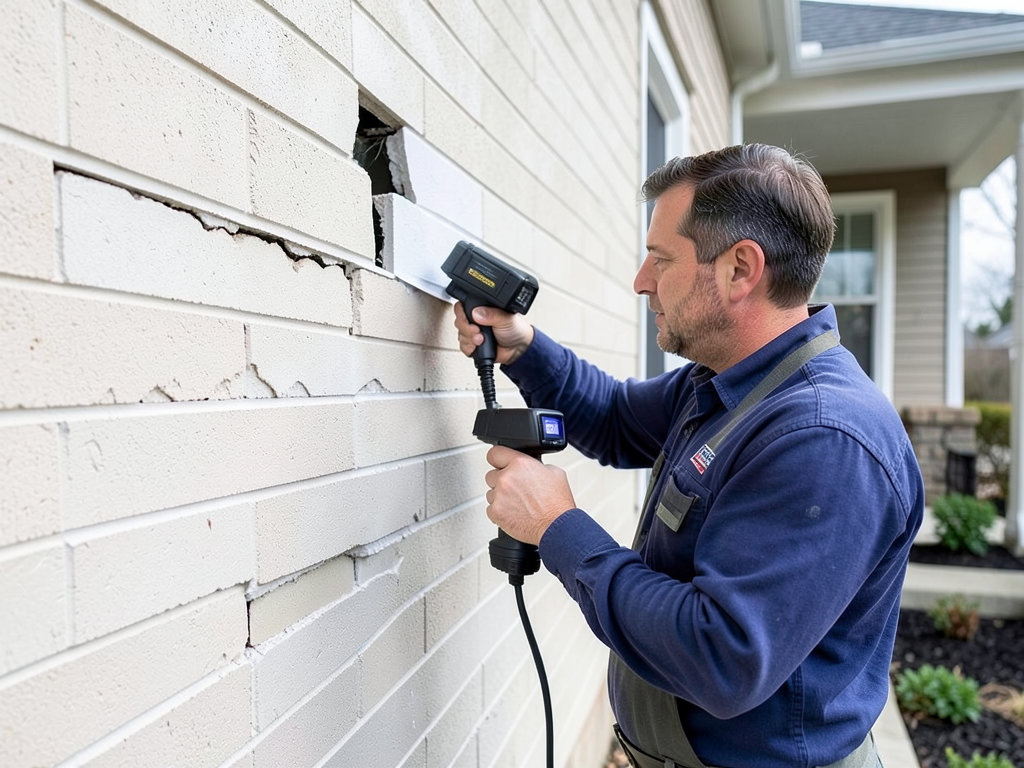
Exterior inspections examine your home’s shell for air leaks, moisture damage, and structural issues that affect energy performance. Technicians check siding, windows, doors, and foundation for gaps or deterioration. They also assess landscaping and shading that impact heating and cooling loads.
Interior inspections focus on the building envelope, including walls, ceilings, floors, and windows. Technicians use smoke pencils to detect air movement around outlets, light fixtures, and other penetrations. They check for proper insulation levels in accessible areas and identify thermal bridging that reduces efficiency.
Blower door testing is the cornerstone of professional energy audits. A powerful fan mounted in an exterior door creates negative pressure that exaggerates air leaks. Technicians use smoke pencils and infrared cameras to locate every air leak, from large gaps around chimneys to tiny cracks around windows.. Read more about The Best Smart Thermostats for Mount Washington Homes with Older Wiring.
Infrared thermography reveals temperature differences that indicate insulation problems, air leaks, and moisture issues. These thermal images show exactly where your home is losing heat in winter or gaining heat in summer. The technology can detect problems behind walls that would otherwise remain hidden.
Combustion safety testing checks furnaces, water heaters, and other fuel-burning appliances for proper venting and carbon monoxide production. This critical step ensures your home is safe while identifying efficiency issues with these systems. Technicians measure draft pressure, check for backdrafting, and test for CO levels.
Duct leakage testing evaluates your HVAC distribution system’s efficiency. Technicians seal the duct system and use a fan to pressurize it, measuring how much air escapes through leaks. Leaky ducts can waste 20-30% of your heating and cooling energy before it ever reaches your living spaces.
Attic inspections examine insulation levels, ventilation, and air sealing. Technicians check for proper R-value insulation, adequate venting to prevent moisture buildup, and sealed penetrations that prevent conditioned air from escaping into unconditioned spaces.
Basement and crawl space inspections identify moisture problems, insulation gaps, and air leakage points. These areas often have the biggest impact on overall home efficiency due to their connection to the ground and exposure to outdoor temperatures.
The final step involves analyzing all collected data to create a prioritized improvement plan. Technicians calculate potential energy savings for each recommended upgrade and estimate costs for both DIY and professional solutions. You receive a comprehensive report with before-and-after energy usage projections.
Call (443) 390-4933 to schedule your professional energy audit. Our BPI-certified technicians use state-of-the-art equipment to find every energy waste point in your Reisterstown home.
BGE Smart Energy Savers Program Benefits for Baltimore County Homeowners
The BGE Smart Energy Savers Program provides Baltimore County homeowners with a $100 comprehensive energy audit that would normally cost $400 or more. This significant discount makes professional energy assessments accessible to more homeowners who want to reduce their utility bills and improve home comfort.
To qualify for the BGE program, your home must be a single-family detached or attached dwelling within BGE’s service territory. The home should be at least one year old and have a valid BGE account. Renters need landlord permission to participate in the program.
The $100 audit fee covers a complete home assessment including blower door testing, infrared thermography, combustion safety testing, and a detailed improvement report. This comprehensive evaluation would cost $300-$500 through private contractors, making the BGE program an exceptional value.
After the audit, you receive a customized report with specific recommendations prioritized by potential energy savings and cost-effectiveness. The report includes estimated costs for recommended improvements and identifies which upgrades qualify for additional rebates or tax credits.
BGE also offers additional rebates for implementing audit recommendations. Insulation improvements can qualify for rebates of up to $1,500, while air sealing projects may receive up to $800 in rebates. These incentives significantly reduce the cost of making your home more efficient.
The program includes free installation of energy-saving products during the audit when applicable. This might include LED light bulbs, smart power strips, efficient showerheads, and faucet aerators. These items provide immediate savings with no additional cost to you.
BGE contractors are certified by the Building Performance Institute (BPI) and follow industry best practices for energy assessments. They use professional-grade equipment and provide unbiased recommendations focused on your home’s specific needs rather than selling particular products.
The audit report includes information about federal tax credits available through the Inflation Reduction Act. Many energy efficiency improvements now qualify for 30% tax credits up to $1,200 annually, making it even more affordable to implement audit recommendations.
BGE also offers a Quick Home Energy Check-up for $100 that provides a less comprehensive assessment. However, the full Smart Energy Savers audit provides significantly more detailed information and larger potential savings, making it the better choice for most homeowners.
Scheduling your BGE audit is simple through their website or by calling their customer service line. Most homeowners can get an appointment within 2-3 weeks, and the audit itself takes 3-4 hours to complete depending on your home’s size and complexity.
Call (443) 390-4933 to learn more about the BGE Smart Energy Savers Program and schedule your discounted energy audit. Our team can help you navigate the program requirements and maximize your available incentives.
Common Energy Efficiency Issues in Reisterstown Homes
Reisterstown homes face specific energy efficiency challenges due to our region’s climate and the age of many local housing stock. Understanding these common issues helps homeowners recognize problems and prioritize improvements that will deliver the biggest impact on comfort and utility costs.
Many Reisterstown homes were built between 1960 and 1990 when energy efficiency standards were much less stringent than today. These homes often have insufficient attic insulation, with R-values as low as R-11 when modern standards recommend R-49 or higher. This deficiency alone can account for 25-30% of heating and cooling losses.
Older homes frequently have original single-pane windows or poorly sealed double-pane units. These windows allow significant heat transfer, making rooms uncomfortable and forcing HVAC systems to work overtime. Window replacement or proper sealing can dramatically improve both comfort and efficiency.
Drafty doors are another common issue in Reisterstown homes. Weatherstripping deteriorates over time, creating gaps that let conditioned air escape and outdoor air infiltrate. These leaks are often most noticeable near the bottom of doors where wear is greatest.
Many Reisterstown homes have ductwork in unconditioned spaces like attics or crawl spaces. These ducts often leak 20-30% of conditioned air before it reaches living spaces. Combined with poor insulation on the ducts themselves, this creates significant energy waste.
Attic access hatches are frequently overlooked sources of energy loss. These hatches often lack proper insulation or weatherstripping, creating a direct path for conditioned air to escape into the attic. This single issue can undermine even well-insulated attics.
Recessed lighting fixtures installed in older homes often create large air leakage points. Many of these fixtures are not airtight rated, allowing conditioned air to flow freely into attic spaces. This problem is especially common in homes with cathedral ceilings or finished attics.
Uninsulated basement rim joists create significant thermal bridges between the foundation and main living areas. These small gaps around the perimeter of the basement can add up to the equivalent of leaving a window open year-round.
Many Reisterstown homes have HVAC systems that are oversized for their actual heating and cooling loads. Oversized systems short cycle, meaning they turn on and off frequently rather than running longer, more efficient cycles. This behavior wastes energy and reduces comfort.
Older HVAC equipment typically operates at 60-70% efficiency compared to modern systems that achieve 90-98% efficiency. While replacing equipment is expensive, the energy savings often pay for the investment within 5-7 years through reduced utility bills.
Insufficient wall insulation is common in homes built before the 1980s. Many of these homes have no wall insulation at all, or only minimal insulation that provides little thermal resistance. Adding insulation during renovations or through injection methods can significantly improve efficiency.
Air sealing opportunities abound in most Reisterstown homes. Common leak points include electrical outlets, light switches, plumbing penetrations, and gaps around chimneys or flues. These small leaks collectively create the equivalent of a large open window in terms of energy loss.
Understanding these common issues helps you recognize where your home might be wasting energy. A professional energy audit can confirm which problems exist in your specific home and prioritize them based on potential savings and cost-effectiveness.
Call (443) 390-4933 to schedule your comprehensive energy audit. Our technicians know exactly what to look for in Reisterstown homes and can identify every energy waste point quickly and accurately.
Energy Efficiency Improvements and Their Payback Periods
Investing in energy efficiency improvements requires understanding which upgrades provide the best return on investment. Different improvements have varying payback periods based on their cost, the energy savings they generate, and available incentives. This analysis helps you prioritize projects for maximum financial benefit.
Attic insulation typically offers the fastest payback of any energy improvement. Adding insulation from R-11 to R-49 costs $2,000-$4,000 but can save $300-$600 annually on heating and cooling costs. With available rebates and tax credits, the payback period is often just 2-3 years.
Air sealing projects provide excellent returns with relatively low costs. Professional air sealing of a typical home costs $500-$1,500 but can save $200-$400 annually. The payback period is usually 2-4 years, making this one of the most cost-effective improvements available.
Duct sealing and insulation projects cost $1,000-$3,000 but can save $150-$300 annually. When combined with improved HVAC system performance, these improvements often pay for themselves within 4-6 years.
Window replacement is more expensive but can provide significant comfort improvements. Replacing single-pane windows with energy-efficient models costs $300-$800 per window but can save $100-$200 annually per window. The payback period is typically 8-15 years, though comfort improvements may justify the investment sooner.
High-efficiency HVAC system upgrades cost $5,000-$12,000 but can save $300-$800 annually on utility bills. When combined with available tax credits and utility rebates, the payback period is often 6-10 years. These systems also provide better humidity control and more consistent temperatures.
Smart thermostats cost $150-$300 but can save $100-$200 annually through optimized temperature scheduling. The payback period is typically less than two years, making this one of the quickest returns on investment among energy improvements.
Water heater upgrades to high-efficiency models cost $1,000-$2,500 but can save $100-$200 annually. The payback period is usually 8-12 years, though tankless models may offer faster returns in homes with high hot water usage.
Solar panel installations have higher upfront costs but can eliminate electricity bills entirely. A typical residential system costs $15,000-$25,000 after incentives but can save $1,000-$2,000 annually. The payback period is usually 7-12 years, after which the system provides essentially free electricity.
Energy-efficient appliances like refrigerators, washing machines, and dishwashers cost $500-$2,000 more than standard models but can save $50-$150 annually. The payback period is typically 5-10 years, though these improvements also provide better performance and features.
Whole-house fans cost $1,000-$2,500 but can reduce air conditioning costs by $200-$400 annually when used properly. The payback period is usually 3-5 years, making this a good option for homes in moderate climates.
Professional energy audits cost $100-$400 but can identify $2,000-$10,000 worth of improvements with total savings of $500-$1,500 annually. The audit itself pays for itself within the first year through identified savings and available incentives.
When planning energy improvements, consider combining multiple projects to maximize efficiency and minimize disruption. For example, adding insulation while replacing a roof or air sealing during HVAC replacement can reduce overall costs and improve results.
Call (443) 390-4933 to schedule your energy audit and get a personalized payback analysis for your specific home. Our technicians can help you prioritize improvements for maximum return on investment.
Frequently Asked Questions
How long does a home energy audit take?
A comprehensive home energy audit typically takes 3-4 hours for a standard single-family home. Larger homes or those with complex systems may require 5-6 hours. The audit includes diagnostic testing, inspections, and a detailed analysis of your energy usage patterns.
What tools do energy auditors use?
Professional energy auditors use specialized tools including blower door fans to test air leakage, infrared cameras to detect insulation gaps and air leaks, smoke pencils to visualize air movement, combustion analyzers to test appliance safety, and duct leakage testers to evaluate HVAC distribution systems.
Can I do my own energy audit?
While you can perform a basic visual inspection yourself, professional audits use specialized equipment that can detect problems invisible to the naked eye. Professional auditors also have the training to interpret results accurately and recommend cost-effective solutions based on building science principles.
How much can I save with energy improvements?
Most homeowners save 15-30% on their energy bills after implementing audit recommendations. The exact savings depend on your home’s current efficiency, the improvements made, and your energy usage patterns. Some homeowners save $50-$150 per month after making recommended upgrades.
Are energy audits worth the cost?
Yes, energy audits typically pay for themselves within the first year through identified savings and available incentives. The audit provides a roadmap for improving your home’s efficiency, and many recommended improvements qualify for rebates and tax credits that reduce your out-of-pocket costs.
What’s the difference between a BGE audit and a private audit?
BGE audits cost $100 and include basic improvements like LED bulbs and smart power strips. Private audits cost $300-$600 but provide more comprehensive testing and detailed analysis. Both identify similar issues, but private audits often include more advanced diagnostics and customized recommendations.
Do I need to be home during the audit?
Yes, you or another adult should be present during the audit to answer questions about your home’s history, comfort issues, and energy usage patterns. You’ll also need to provide access to all areas of your home and discuss the findings and recommendations with the auditor.
How often should I get an energy audit?
Most homes benefit from an energy audit every 5-10 years, or when you notice changes in comfort or utility bills. You should also get an audit before major renovations, when replacing HVAC equipment, or if you’re planning to add living space to your home.
Can energy audits help with indoor air quality?
Yes, energy audits often identify indoor air quality issues like inadequate ventilation, moisture problems, or combustion safety hazards. The audit may recommend solutions like improved ventilation, dehumidification, or air purification systems that enhance both efficiency and air quality.
What if I rent my home?
Renters can participate in energy audits with landlord permission. Some improvements like air sealing and insulation may require landlord approval, but many simple fixes like weatherstripping and LED bulbs can be implemented by tenants. Discuss potential improvements with your landlord to explore options.
Take Control of Your Energy Costs Today
High energy bills in Reisterstown don’t have to be a fact of life. A professional home energy audit can uncover the hidden waste that’s costing you money every month. With the BGE Smart Energy Savers Program, you can get a comprehensive $400 audit for just $100, making it easier than ever to identify and fix energy problems.
Most Reisterstown homes have significant energy waste from air leaks, poor insulation, and inefficient HVAC systems. These issues force your heating and cooling equipment to work harder, driving up utility costs while reducing comfort. An energy audit pinpoints these exact problems so you can fix them in the most cost-effective order.
The audit process is thorough but non-invasive, using advanced diagnostic tools to measure your home’s performance without damaging walls or finishes. You’ll receive a detailed report within a week that prioritizes recommendations based on your specific home, budget, and energy usage patterns. This roadmap helps you make informed decisions about where to invest your money for maximum return.
Many energy improvements qualify for federal tax credits, local rebates, and utility incentives that can reduce your out-of-pocket costs by thousands of dollars. The federal 25C tax credit covers 30% of qualifying improvements, while BGE offers additional rebates for insulation, air sealing, and HVAC upgrades. These incentives make energy efficiency improvements more affordable than ever.
Don’t wait another season to start saving money on your energy bills. Call (443) 390-4933 today to schedule your BGE-subsidized energy audit. Our certified technicians serve all of Baltimore County including Reisterstown, Owings Mills, and surrounding communities. Take the first step toward lower bills and improved comfort today. For more information, visit U.S. Department of Energy Home Energy Audits.
{
“@context”: “https://schema.org”,
“@type”: “BlogPosting”,
“headline”: “How a Home Energy Audit Helps Reisterstown Homeowners Lower Their Monthly Bills”,
“description”: “Discover how a professional home energy audit can uncover hidden energy waste in your Reisterstown home and qualify you for BGE rebates. Learn the process, benefits, and savings.”,
“wordCount”: 3343,
“datePublished”: “2026-04-04T07:35:00.000Z”,
“dateModified”: “2026-04-04T07:35:00.000Z”,
“inLanguage”: “en-US”,
“mainEntityOfPage”: {
“@type”: “WebPage”,
“@id”: “https://victoryhvacbaltimore.com”
},
“publisher”: {
“@type”: “LocalBusiness”,
“name”: “Victory HVAC Baltimore”,
“url”: “https://victoryhvacbaltimore.com”
},
“author”: {
“@type”: “Organization”,
“name”: “Victory HVAC Baltimore”,
“url”: “https://victoryhvacbaltimore.com”
},
“image”: {
“@type”: “ImageObject”,
“url”: “https://victoryhvacbaltimore.com/wp-content/uploads/2026/03/how-a-home-energy-audit-helps-reisterstown-homeown-1.png”
}
}
{
“@context”: “https://schema.org”,
“@type”: “HVACBusiness”,
“name”: “Victory HVAC Baltimore”,
“url”: “https://victoryhvacbaltimore.com”,
“address”: {
“@type”: “PostalAddress”,
“addressLocality”: “Baltimore”
},
“areaServed”: {
“@type”: “City”,
“name”: “Baltimore”
}
}
{
“@context”: “https://schema.org”,
“@type”: “FAQPage”,
“mainEntity”: [
{
“@type”: “Question”,
“name”: “How long does a home energy audit take?”,
“acceptedAnswer”: {
“@type”: “Answer”,
“text”: “A comprehensive home energy audit typically takes 3-4 hours for a standard single-family home. Larger homes or those with complex systems may require 5-6 hours. The audit includes diagnostic testing, inspections, and a detailed analysis of your energy usage patterns.”
}
},
{
“@type”: “Question”,
“name”: “What tools do energy auditors use?”,
“acceptedAnswer”: {
“@type”: “Answer”,
“text”: “Professional energy auditors use specialized tools including blower door fans to test air leakage, infrared cameras to detect insulation gaps and air leaks, smoke pencils to visualize air movement, combustion analyzers to test appliance safety, and duct leakage testers to evaluate HVAC distribution systems.”
}
},
{
“@type”: “Question”,
“name”: “Can I do my own energy audit?”,
“acceptedAnswer”: {
“@type”: “Answer”,
“text”: “While you can perform a basic visual inspection yourself, professional audits use specialized equipment that can detect problems invisible to the naked eye. Professional auditors also have the training to interpret results accurately and recommend cost-effective solutions based on building science principles.”
}
},
{
“@type”: “Question”,
“name”: “How much can I save with energy improvements?”,
“acceptedAnswer”: {
“@type”: “Answer”,
“text”: “Most homeowners save 15-30% on their energy bills after implementing audit recommendations. The exact savings depend on your home’s current efficiency, the improvements made, and your energy usage patterns. Some homeowners save $50-$150 per month after making recommended upgrades.”
}
},
{
“@type”: “Question”,
“name”: “Are energy audits worth the cost?”,
“acceptedAnswer”: {
“@type”: “Answer”,
“text”: “Yes, energy audits typically pay for themselves within the first year through identified savings and available incentives. The audit provides a roadmap for improving your home’s efficiency, and many recommended improvements qualify for rebates and tax credits that reduce your out-of-pocket costs.”
}
},
{
“@type”: “Question”,
“name”: “What’s the difference between a BGE audit and a private audit?”,
“acceptedAnswer”: {
“@type”: “Answer”,
“text”: “BGE audits cost $100 and include basic improvements like LED bulbs and smart power strips. Private audits cost $300-$600 but provide more comprehensive testing and detailed analysis. Both identify similar issues, but private audits often include more advanced diagnostics and customized recommendations.”
}
},
{
“@type”: “Question”,
“name”: “Do I need to be home during the audit?”,
“acceptedAnswer”: {
“@type”: “Answer”,
“text”: “Yes, you or another adult should be present during the audit to answer questions about your home’s history, comfort issues, and energy usage patterns. You’ll also need to provide access to all areas of your home and discuss the findings and recommendations with the auditor.”
}
},
{
“@type”: “Question”,
“name”: “How often should I get an energy audit?”,
“acceptedAnswer”: {
“@type”: “Answer”,
“text”: “Most homes benefit from an energy audit every 5-10 years, or when you notice changes in comfort or utility bills. You should also get an audit before major renovations, when replacing HVAC equipment, or if you’re planning to add living space to your home.”
}
},
{
“@type”: “Question”,
“name”: “Can energy audits help with indoor air quality?”,
“acceptedAnswer”: {
“@type”: “Answer”,
“text”: “Yes, energy audits often identify indoor air quality issues like inadequate ventilation, moisture problems, or combustion safety hazards. The audit may recommend solutions like improved ventilation, dehumidification, or air purification systems that enhance both efficiency and air quality.”
}
},
{
“@type”: “Question”,
“name”: “What if I rent my home?”,
“acceptedAnswer”: {
“@type”: “Answer”,
“text”: “Renters can participate in energy audits with landlord permission. Some improvements like air sealing and insulation may require landlord approval, but many simple fixes like weatherstripping and LED bulbs can be implemented by tenants. Discuss potential improvements with your landlord to explore options.”
}
}
]
}
{
“@context”: “https://schema.org”,
“@type”: “BreadcrumbList”,
“itemListElement”: [
{
“@type”: “ListItem”,
“position”: 1,
“name”: “Home”,
“item”: “https://victoryhvacbaltimore.com”
},
{
“@type”: “ListItem”,
“position”: 2,
“name”: “Blog”,
“item”: “https://victoryhvacbaltimore.com/blog”
},
{
“@type”: “ListItem”,
“position”: 3,
“name”: “How a Home Energy Audit Helps Reisterstown Homeowners Lower Their Monthly Bills”
}
]
}
{
“@context”: “https://schema.org”,
“@type”: “Service”,
“serviceType”: “HVAC”,
“provider”: {
“@type”: “LocalBusiness”,
“name”: “Victory HVAC Baltimore”,
“url”: “https://victoryhvacbaltimore.com”
},
“areaServed”: {
“@type”: “City”,
“name”: “Baltimore”
},
“description”: “Discover how a professional home energy audit can uncover hidden energy waste in your Reisterstown home and qualify you for BGE rebates. Learn the process, benefits, and savings.”
}