
Expert Advice for Heating and Cooling Your New Rowhome Bump Out or Kitchen Extension in Canton
Adding a bump out or kitchen extension to your Canton rowhome changes more than just your floor plan. It changes how your home handles heat and humidity. The Chesapeake Bay climate means Baltimore summers hit 90 degrees with 80 percent humidity. Winters drop below freezing. Your existing HVAC system was sized for your original square footage. When you add space you need to resize the system or install a dedicated solution. The wrong choice leads to hot spots in summer cold drafts in winter and higher utility bills year-round. Adding Central Air to Your Hampden Rowhome Without Ruining the Character.
Why Your Current System May Not Handle the Addition
Most Canton rowhomes built before 1980 use a single furnace and central air setup. These systems run on Manual J calculations performed when the home was built. Adding 150 to 300 square feet of conditioned space can increase the heating and cooling load by 20 to 40 percent. Simply extending existing ductwork often creates pressure imbalances. Air flows toward the path of least resistance leaving the new space under-ventilated. The furnace may also lack the BTU capacity to heat the extra volume. Without a proper load calculation you risk short cycling the equipment which shortens its life and wastes energy.
Three Main Options for Heating and Cooling Additions
Choosing the right system depends on your addition size existing infrastructure and budget. Each option has trade-offs in installation cost efficiency and comfort.
Ductless Mini-Split Systems
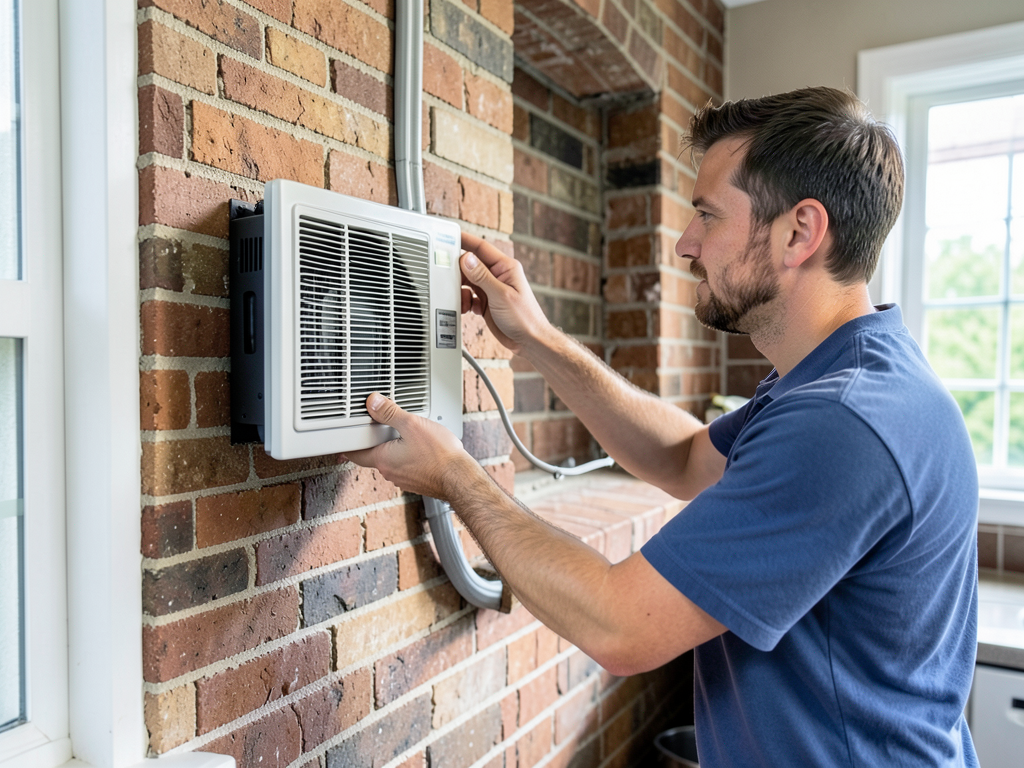
Ductless mini-splits offer the most flexibility for rowhome additions. These systems have an outdoor condenser and one or more indoor air handlers. You mount the indoor unit on a wall or ceiling and connect it to the outdoor unit with a small refrigerant line set. No ductwork required. Mini-splits allow zoned control so you can heat or cool the addition independently. Modern units achieve SEER2 ratings above 20 which cuts cooling costs. Installation takes one to two days. The main drawback is the higher upfront equipment cost compared to extending ducts. Getting Ductless Mini Split Installation for Your Federal Hill Rowhome.
Extending Existing Ductwork
Extending ductwork works when your furnace and air handler have spare capacity. A licensed HVAC contractor must perform a new Manual J calculation to confirm the system can handle the extra load. If capacity exists the contractor can run new supply and return ducts from the main trunk line. This keeps all spaces on one thermostat. The challenge in Canton rowhomes is limited wall cavity space. You may need to build soffits or run ducts through floor joists. Poor design creates pressure drops and uneven airflow. Always check Baltimore City permit requirements before cutting into walls.
Independent Forced Air Systems
For large additions over 400 square feet an independent system makes sense. This means installing a separate furnace or air handler plus outdoor condenser. The system operates on its own thermostat and ductwork. This approach works well for second-story additions or pop-top conversions common in Canton. The downside is the higher installation cost and the need for additional utility connections. You also lose the simplicity of a single integrated system.
Baltimore Climate and Humidity Considerations
The Mid-Atlantic climate puts unique demands on HVAC systems. Baltimore summers combine high heat with extreme humidity. Indoor relative humidity above 60 percent encourages mold growth and makes cooling feel less effective. A properly sized air conditioner removes both heat and moisture. If the system is too large it cools quickly but cycles off before dehumidifying. If it is too small it runs constantly without reaching set point. Heat pumps with variable-speed compressors handle humidity better by running longer at lower speeds. Look for Energy Star certified equipment rated for Maryland’s climate zone. Maryland Energy Administration.
Permit and Code Requirements in Baltimore
Maryland building codes require a new Manual J load calculation for any addition that changes the HVAC system size. Baltimore City enforces the International Mechanical Code through its Department of Housing and Community Development. Gas line modifications need a mechanical permit. Electrical connections for new equipment require an electrical permit. Skipping permits can void manufacturer warranties and cause issues when selling your home. A licensed HVAC contractor familiar with Baltimore codes will handle the paperwork and inspections.
Energy Rebates and Incentives
Maryland offers several programs to reduce HVAC upgrade costs. The EmPOWER Maryland Energy Efficiency Act provides rebates for high-efficiency equipment through BGE and other utilities. Federal tax credits under the Inflation Reduction Act cover up to 30 percent of installation costs for qualifying heat pumps and smart thermostats. Local incentives change yearly so check the Maryland Energy Administration website before purchasing. These rebates can offset the higher cost of premium equipment. BGE Energy Efficiency Programs.
Cost Comparison Table
| System Type | Estimated Cost Range | Installation Time | Key Benefit |
|---|---|---|---|
| Ductless Mini-Split | $3,500 – $7,000 | 1 – 2 days | Zoned control no ductwork |
| Duct Extension | $2,000 – $5,000 | 2 – 4 days | Single system integration |
| Independent System | $8,000 – $15,000 | 3 – 7 days | Handles large additions |
Step-by-Step Planning Process
- Measure the New Space
Calculate square footage and ceiling height. Include all bump out dimensions.
- Check Existing System Capacity
Review furnace BTU rating and AC tonnage. Compare to Manual J requirements.
- Choose System Type
Decide between mini-split duct extension or independent system based on budget and space.
- Verify Permits
Confirm Baltimore City permit needs with your contractor before starting work.
- Apply for Rebates
Submit rebate applications to BGE and federal programs before installation. Why Federal Hill Rowhouses Need Specialized Boiler Repair Services.
Frequently Asked Questions
Will my current furnace handle the extra square footage?
Only a new Manual J calculation can tell. Most rowhome furnaces built before 2000 lack the capacity for large additions. Extending ducts without resizing the system leads to poor performance.
How long does installation take?
Ductless mini-splits install in one to two days. Duct extensions take two to four days. Independent systems require three to seven days plus inspection time.
Are there energy rebates for new HVAC equipment?
Yes. EmPOWER Maryland offers rebates through BGE. Federal tax credits cover up to 30 percent of qualifying heat pump costs. Check current programs before purchasing.
Call for a Free In-Home Addition Comfort Consultation
Adding a bump out or kitchen extension to your Canton rowhome is a big investment. Make sure your new space stays comfortable year-round. Call (443) 390-4933 today to schedule your free in-home consultation. We will measure your addition perform a Manual J calculation and show you the best heating and cooling options for your budget. Don’t let poor HVAC planning ruin your renovation. Pick up the phone and call (443) 390-4933 before the next heat wave hits.
{
“@context”: “https://schema.org”,
“@type”: “BlogPosting”,
“headline”: “Expert Advice for Heating and Cooling Your New Rowhome Bump Out or Kitchen Extension in Canton”,
“description”: “Learn HVAC solutions for Canton rowhome additions. Discover ductless mini-splits, Manual J load calculations, and Maryland rebates for your kitchen extension.”,
“wordCount”: 1125,
“datePublished”: “2026-05-27T08:21:00.000Z”,
“dateModified”: “2026-05-27T08:21:00.000Z”,
“inLanguage”: “en-US”,
“mainEntityOfPage”: {
“@type”: “WebPage”,
“@id”: “https://victoryhvacbaltimore.com”
},
“publisher”: {
“@type”: “LocalBusiness”,
“name”: “Victory HVAC Baltimore”,
“url”: “https://victoryhvacbaltimore.com”
},
“author”: {
“@type”: “Organization”,
“name”: “Victory HVAC Baltimore”,
“url”: “https://victoryhvacbaltimore.com”
},
“image”: {
“@type”: “ImageObject”,
“url”: “https://victoryhvacbaltimore.com/wp-content/uploads/2026/03/expert-advice-for-heating-and-cooling-your-new-row-1.png”
}
}
{
“@context”: “https://schema.org”,
“@type”: “HVACBusiness”,
“name”: “Victory HVAC Baltimore”,
“url”: “https://victoryhvacbaltimore.com”,
“address”: {
“@type”: “PostalAddress”,
“addressLocality”: “Baltimore”
},
“areaServed”: {
“@type”: “City”,
“name”: “Baltimore”
}
}
{
“@context”: “https://schema.org”,
“@type”: “FAQPage”,
“mainEntity”: [
{
“@type”: “Question”,
“name”: “Will my current furnace handle the extra square footage?”,
“acceptedAnswer”: {
“@type”: “Answer”,
“text”: “Only a new Manual J calculation can tell. Most rowhome furnaces built before 2000 lack the capacity for large additions. Extending ducts without resizing the system leads to poor performance.”
}
},
{
“@type”: “Question”,
“name”: “How long does installation take?”,
“acceptedAnswer”: {
“@type”: “Answer”,
“text”: “Ductless mini-splits install in one to two days. Duct extensions take two to four days. Independent systems require three to seven days plus inspection time.”
}
},
{
“@type”: “Question”,
“name”: “Are there energy rebates for new HVAC equipment?”,
“acceptedAnswer”: {
“@type”: “Answer”,
“text”: “Yes. EmPOWER Maryland offers rebates through BGE. Federal tax credits cover up to 30 percent of qualifying heat pump costs. Check current programs before purchasing.”
}
}
]
}
{
“@context”: “https://schema.org”,
“@type”: “HowTo”,
“name”: “How to Plan HVAC for Your Home Addition”,
“step”: [
{
“@type”: “HowToStep”,
“position”: 1,
“name”: “Measure the New Space”,
“text”: “Calculate square footage and ceiling height. Include all bump out dimensions.”
},
{
“@type”: “HowToStep”,
“position”: 2,
“name”: “Check Existing System Capacity”,
“text”: “Review furnace BTU rating and AC tonnage. Compare to Manual J requirements.”
},
{
“@type”: “HowToStep”,
“position”: 3,
“name”: “Choose System Type”,
“text”: “Decide between mini-split duct extension or independent system based on budget and space.”
},
{
“@type”: “HowToStep”,
“position”: 4,
“name”: “Verify Permits”,
“text”: “Confirm Baltimore City permit needs with your contractor before starting work.”
},
{
“@type”: “HowToStep”,
“position”: 5,
“name”: “Apply for Rebates”,
“text”: “Submit rebate applications to BGE and federal programs before installation. Why Federal Hill Rowhouses Need Specialized Boiler Repair Services.”
}
],
“image”: “https://victoryhvacbaltimore.com/wp-content/uploads/2026/03/expert-advice-for-heating-and-cooling-your-new-row-1.png”
}
{
“@context”: “https://schema.org”,
“@type”: “BreadcrumbList”,
“itemListElement”: [
{
“@type”: “ListItem”,
“position”: 1,
“name”: “Home”,
“item”: “https://victoryhvacbaltimore.com”
},
{
“@type”: “ListItem”,
“position”: 2,
“name”: “Blog”,
“item”: “https://victoryhvacbaltimore.com/blog”
},
{
“@type”: “ListItem”,
“position”: 3,
“name”: “Expert Advice for Heating and Cooling Your New Rowhome Bump Out or Kitchen Extension in Canton”
}
]
}
{
“@context”: “https://schema.org”,
“@type”: “Service”,
“serviceType”: “HVAC”,
“provider”: {
“@type”: “LocalBusiness”,
“name”: “Victory HVAC Baltimore”,
“url”: “https://victoryhvacbaltimore.com”
},
“areaServed”: {
“@type”: “City”,
“name”: “Baltimore”
},
“description”: “Learn HVAC solutions for Canton rowhome additions. Discover ductless mini-splits, Manual J load calculations, and Maryland rebates for your kitchen extension.”
}