
Essential Carbon Monoxide Safety Tips for Families Living in Older Woodlawn Homes
Carbon monoxide is a silent killer that can build up in older Woodlawn homes before anyone notices. Here in Baltimore County the mix of aging gas furnaces, drafty rowhouses and long heating seasons creates unique risks that families need to understand right now. Why Federal Hill Rowhouses Need Specialized Boiler Repair Services.
Every year local fire departments respond to dozens of CO calls in Woodlawn neighborhoods like Windsor Mill and Security Boulevard. The danger is real and the solution starts with awareness plus a few simple safety steps you can take today. UL 2034 CO alarm standards.
Why Woodlawn Homes Face Higher CO Risks
Woodlawn’s housing stock dates back to the 1950s and 1960s when many homes were built with aging gas furnaces and boilers. These systems rely on proper venting to carry exhaust gases outside. Over time heat exchangers can crack, flues can rust and chimneys can become blocked by debris or bird nests.
Add in Baltimore’s cold winters and you get months of continuous furnace use. That constant heat cycling stresses older metal components. A tiny crack in a heat exchanger can leak carbon monoxide into your living space without any warning smell or smoke. Carbon Monoxide Leak Detection.
Older Woodlawn homes also tend to have less airtight construction than newer builds. While that sounds like a benefit for ventilation it can actually let CO spread quickly through wall cavities and into bedrooms before detectors in one area can alert you.
Maryland Law Requires CO Alarms in Every Home
Maryland’s Carbon Monoxide Alarm Law under Public Safety Article 12-1101 makes it mandatory for all residential dwellings to have working CO alarms. The law applies to single family homes townhomes and apartments built before 2008 when the requirement took effect. Maryland Public Safety Article 12-1101.
Alarms must be installed outside each sleeping area and on every level of the home including the basement. If you have a gas furnace or fireplace in the basement you need a detector within 15 feet of the door to that space. Battery powered or hardwired units are both acceptable as long as they meet UL 2034 standards.
Landlords in Woodlawn must provide and maintain CO alarms for tenants. Failure to comply can result in fines and puts families at risk. If you rent and don’t see a detector installed ask your landlord immediately. Why Pikesville Families are Switching to High Efficiency Heat Pumps.
Common Sources of Carbon Monoxide in Baltimore HVAC Systems
The most frequent source of CO in Woodlawn homes is the gas furnace. Inside the furnace a metal heat exchanger separates combustion gases from the air that circulates through your home. When that exchanger cracks or corrodes CO can escape into your ductwork.
Blocked or rusted flues are another major problem. Older homes often have metal flue pipes that run through the chimney. If those pipes corrode or if the chimney becomes clogged by leaves or animal nests exhaust gases can back up into the house.
Boilers and water heaters can also produce CO if venting is compromised. In some Woodlawn basements you’ll find a combination of old gas equipment sharing the same flue. If one appliance backdrafts it can pull CO from another unit creating a dangerous situation.
Gas fireplaces and unvented space heaters add another layer of risk. These units should never be used as a primary heat source in a bedroom. Even a few hours of use can raise CO levels to unsafe amounts in a small enclosed space.
Recognizing the Symptoms of CO Poisoning
Carbon monoxide poisoning symptoms mimic the flu. Victims often experience headache dizziness nausea and fatigue. The key difference is that CO symptoms appear in everyone in the home at the same time and they improve when you leave the house.
Children and elderly family members are more vulnerable. Pets may show signs first. If your dog or cat suddenly becomes lethargic or disoriented it could be reacting to rising CO levels before humans notice.
Severe exposure leads to confusion chest pain and loss of consciousness. At high concentrations CO can be fatal in minutes. If you suspect a leak get everyone outside immediately and call 911. Do not reenter the home until emergency crews say it’s safe. How to Get Emergency AC Repair in Canton When Your System Fails in a Heatwave.
Annual Furnace Safety Inspection Prevents CO Leaks
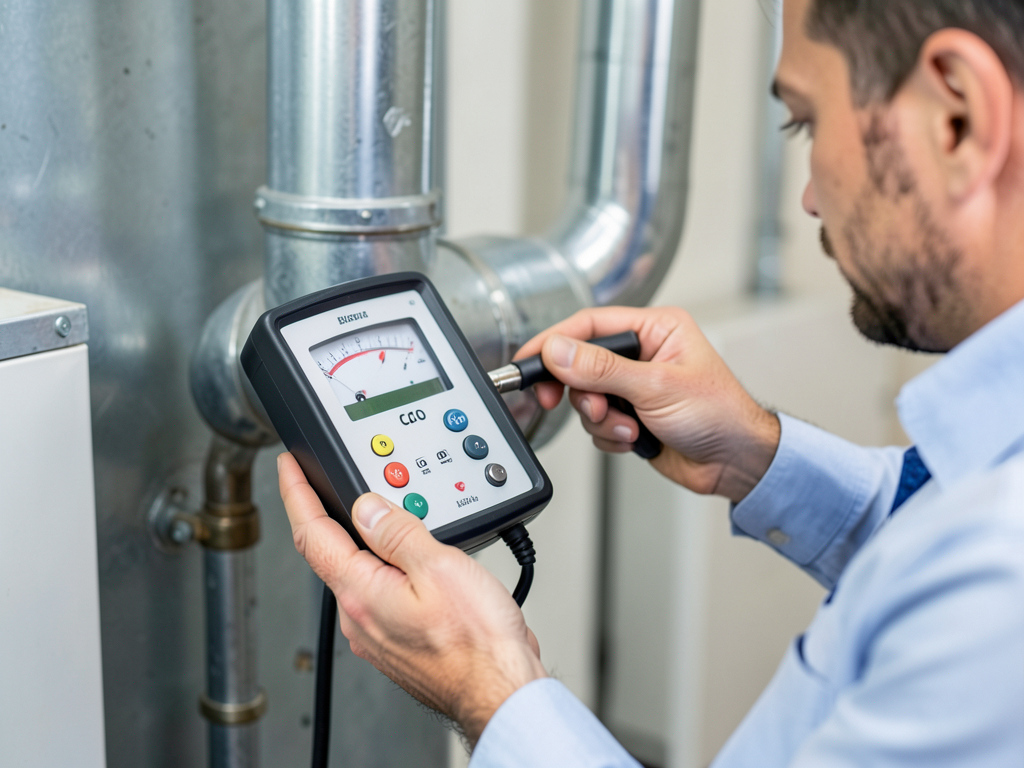
A professional HVAC tune-up is your best defense against CO leaks. During an inspection a technician uses a combustion analyzer to measure CO levels in the flue gases. Readings above 100 parts per million indicate a problem that needs immediate repair.
The technician also checks the heat exchanger for cracks using visual inspection and sometimes a smoke test. They examine the flue for rust holes and proper draft. A blocked flue will cause the furnace to shut down for safety but a small leak can go unnoticed for months.
Another critical test is the draft test. The technician holds a smoke pencil near the draft diverter to confirm exhaust is moving up the flue. If the smoke moves back toward the furnace you have a venting problem that could let CO escape.
Cleaning the burners and checking gas pressure also improves efficiency and reduces CO production. A well tuned furnace burns cleaner and produces less carbon monoxide even if a small leak develops.
Smart CO Detectors for Modern Woodlawn Homes
Traditional plug in CO alarms work but smart detectors add an extra layer of protection. Wi-Fi enabled units can send alerts to your phone if CO levels rise while you’re away. This is critical for families who travel or have vacation rentals in Woodlawn.
Look for detectors with digital displays that show real time CO levels in parts per million. Levels between 10 and 29 ppm can cause long term health effects. Levels above 70 ppm are dangerous within hours. A display helps you spot slow leaks before they become emergencies.
Some smart detectors also monitor smoke and integrate with home automation systems. You can set them to trigger lights or unlock doors if CO is detected. Battery life indicators and end of life alerts ensure you never have a dead detector when you need it most.
Placement matters. Install detectors at least 15 feet from fuel burning appliances to avoid false alarms. Mount them high on walls since CO mixes with room air. Avoid corners and areas with poor air circulation.
What to Do If You Suspect a CO Leak
If your CO alarm sounds or if you experience symptoms get everyone outside immediately. Open windows on your way out to ventilate the space but don’t waste time. Call 911 and report a possible carbon monoxide leak.
Do not reenter the home until emergency responders confirm it’s safe. They will use professional grade meters to measure CO levels and identify the source. Often the problem is a faulty furnace but blocked chimneys and gas leaks are also common.
After the emergency is handled call your HVAC company to inspect and repair the equipment. If BGE was involved they may have red tagged your furnace for safety. You’ll need a licensed technician to verify repairs before the system can be turned back on.
Replace any activated CO alarms. Most units are designed to sound continuously once they detect dangerous levels and cannot be reset. Keep the old unit as evidence for insurance if needed.
Protecting Your Family Year Round
CO safety isn’t just a winter concern. Spring and fall bring temperature swings that can cause condensation in flues leading to rust. Summer humidity can also affect indoor air quality and make CO symptoms feel worse.
Test your CO alarms monthly by pressing the test button. Replace batteries twice a year when you change your clocks. Most detectors last five to seven years. Write the install date on the back so you know when to replace them.
Educate your family about CO risks. Make sure everyone knows the sound of the alarm and what to do. Practice an evacuation plan that includes meeting at a safe spot outside.
Consider a whole home air quality monitor that tracks CO along with other pollutants. These devices can help you identify trends and catch problems early. Some even integrate with smart thermostats for automated ventilation.
Local Resources for Woodlawn Families
Baltimore County Fire Department offers free home safety inspections that include checking CO alarm placement. They can also help you create a fire escape plan that accounts for CO emergencies.
BGE provides emergency gas leak response 24/7. If you smell natural gas or suspect a leak call 800-685-0123 immediately. Do not use any electrical switches or phones inside the home.
The Maryland Department of Health tracks CO poisoning statistics and offers educational materials. Their website includes fact sheets in multiple languages to help non English speaking residents understand the risks.
Local hardware stores in Woodlawn and Security Square carry CO alarms that meet Maryland requirements. Look for the UL label and check the manufacture date. Older stock may have reduced battery life.
Frequently Asked Questions
How often should I replace my CO detector?
Most CO detectors last five to seven years. Check the manufacture date on the back and replace the unit when it expires even if it still sounds the test button.
Can a cracked heat exchanger be repaired?
In most cases a cracked heat exchanger requires replacing the entire furnace. The metal has been stressed and other cracks may develop soon. A professional inspection will confirm whether repair or replacement is the safest option.
Do I need a CO alarm if I only have electric heat?
Even homes with electric heat may have gas water heaters fireplaces or attached garages that produce CO. Maryland law requires alarms in all residential dwellings regardless of heating type.
What’s the difference between CO and natural gas alarms?
CO alarms detect colorless odorless carbon monoxide from incomplete combustion. Natural gas alarms detect methane which has a sulfur odor added for safety. You need both types if your home uses natural gas.
Take Action Today
Carbon monoxide doesn’t wait for a convenient time to strike. If your Woodlawn home has an aging furnace or you can’t remember the last time your CO alarms were tested now is the moment to act.
Call (443) 390-4933 today to schedule a professional CO safety inspection. Our licensed technicians will test your furnace flue and alarms to give you peace of mind before the next cold snap hits.
Don’t let an invisible threat put your family at risk. One call can make the difference between a safe winter and a dangerous emergency. Pick up the phone and call (443) 390-4933 before the next storm hits.
You may also find this helpful. 7 Reasons Your Riverside Home Smells Like Burning Plastic When the Heat Kicks On.
{
“@context”: “https://schema.org”,
“@type”: “BlogPosting”,
“headline”: “Essential Carbon Monoxide Safety Tips for Families Living in Older Woodlawn Homes”,
“description”: “Protect your family from carbon monoxide in Woodlawn’s older homes. Learn local safety laws, CO detector placement, and when to call a Baltimore HVAC pro. Call (443) 390-4933.”,
“wordCount”: 1798,
“datePublished”: “2026-05-06T08:58:00.000Z”,
“dateModified”: “2026-05-06T08:58:00.000Z”,
“inLanguage”: “en-US”,
“mainEntityOfPage”: {
“@type”: “WebPage”,
“@id”: “https://victoryhvacbaltimore.com”
},
“publisher”: {
“@type”: “LocalBusiness”,
“name”: “Victory HVAC Baltimore”,
“url”: “https://victoryhvacbaltimore.com”
},
“author”: {
“@type”: “Organization”,
“name”: “Victory HVAC Baltimore”,
“url”: “https://victoryhvacbaltimore.com”
},
“image”: {
“@type”: “ImageObject”,
“url”: “https://victoryhvacbaltimore.com/wp-content/uploads/2026/03/essential-carbon-monoxide-safety-tips-for-families-1.png”
}
}
{
“@context”: “https://schema.org”,
“@type”: “HVACBusiness”,
“name”: “Victory HVAC Baltimore”,
“url”: “https://victoryhvacbaltimore.com”,
“address”: {
“@type”: “PostalAddress”,
“addressLocality”: “Baltimore”
},
“areaServed”: {
“@type”: “City”,
“name”: “Baltimore”
}
}
{
“@context”: “https://schema.org”,
“@type”: “FAQPage”,
“mainEntity”: [
{
“@type”: “Question”,
“name”: “How often should I replace my CO detector?”,
“acceptedAnswer”: {
“@type”: “Answer”,
“text”: “Most CO detectors last five to seven years. Check the manufacture date on the back and replace the unit when it expires even if it still sounds the test button.”
}
},
{
“@type”: “Question”,
“name”: “Can a cracked heat exchanger be repaired?”,
“acceptedAnswer”: {
“@type”: “Answer”,
“text”: “In most cases a cracked heat exchanger requires replacing the entire furnace. The metal has been stressed and other cracks may develop soon. A professional inspection will confirm whether repair or replacement is the safest option.”
}
},
{
“@type”: “Question”,
“name”: “Do I need a CO alarm if I only have electric heat?”,
“acceptedAnswer”: {
“@type”: “Answer”,
“text”: “Even homes with electric heat may have gas water heaters fireplaces or attached garages that produce CO. Maryland law requires alarms in all residential dwellings regardless of heating type.”
}
},
{
“@type”: “Question”,
“name”: “What’s the difference between CO and natural gas alarms?”,
“acceptedAnswer”: {
“@type”: “Answer”,
“text”: “CO alarms detect colorless odorless carbon monoxide from incomplete combustion. Natural gas alarms detect methane which has a sulfur odor added for safety. You need both types if your home uses natural gas.”
}
}
]
}
{
“@context”: “https://schema.org”,
“@type”: “BreadcrumbList”,
“itemListElement”: [
{
“@type”: “ListItem”,
“position”: 1,
“name”: “Home”,
“item”: “https://victoryhvacbaltimore.com”
},
{
“@type”: “ListItem”,
“position”: 2,
“name”: “Blog”,
“item”: “https://victoryhvacbaltimore.com/blog”
},
{
“@type”: “ListItem”,
“position”: 3,
“name”: “Essential Carbon Monoxide Safety Tips for Families Living in Older Woodlawn Homes”
}
]
}
{
“@context”: “https://schema.org”,
“@type”: “Service”,
“serviceType”: “HVAC”,
“provider”: {
“@type”: “LocalBusiness”,
“name”: “Victory HVAC Baltimore”,
“url”: “https://victoryhvacbaltimore.com”
},
“areaServed”: {
“@type”: “City”,
“name”: “Baltimore”
},
“description”: “Protect your family from carbon monoxide in Woodlawn’s older homes. Learn local safety laws, CO detector placement, and when to call a Baltimore HVAC pro. Call (443) 390-4933.”
}