
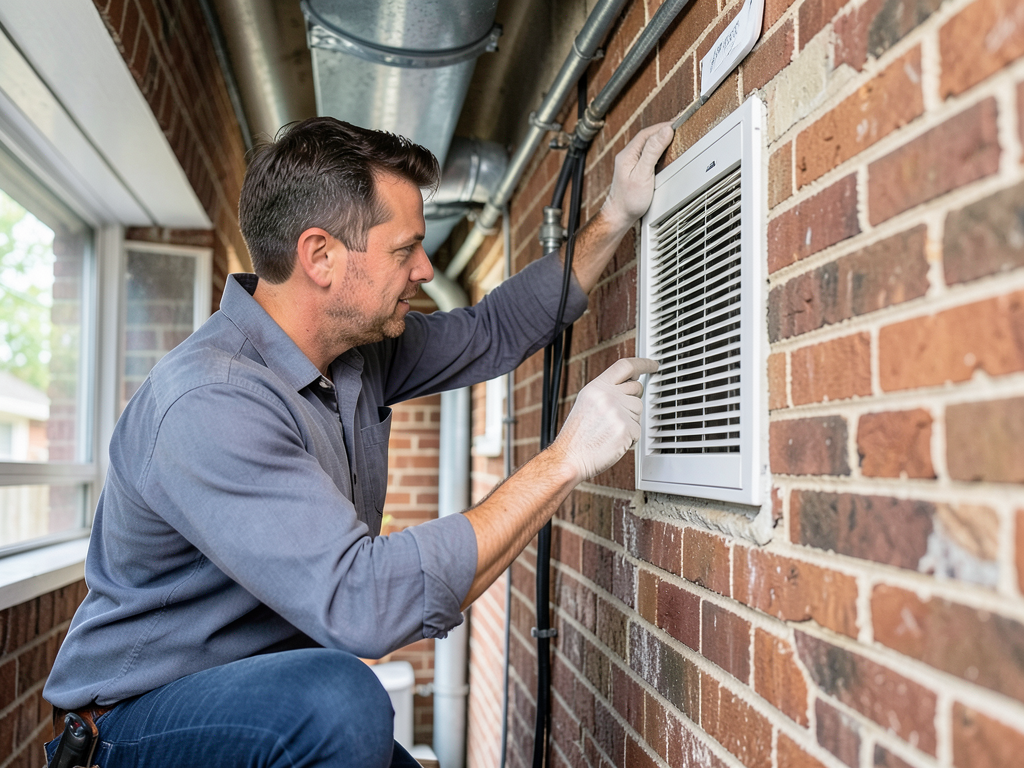
Eliminating Hot and Cold Spots in Your Multi Story Canton Townhome with HVAC Zoning
The struggle is real in Canton rowhomes. You walk upstairs to the third floor and it feels like a sauna while the basement is an icebox. This three-story vertical layout common in Baltimore’s historic neighborhoods creates a perfect storm for uneven temperatures. The heat naturally rises through the stack effect trapping hot air on upper floors while lower levels stay chilly. Add in narrow ductwork and shared brick walls that hold heat and you have a comfort nightmare.. Read more about Solving Common Hot and Cold Spot Issues in Multi Story Hamilton Lauraville Homes.
Hot and cold spots are not just annoying. They waste energy and make your HVAC system work overtime. The good news is HVAC zoning can fix this. Zoning divides your home into separate temperature-controlled areas so each floor gets exactly the heating or cooling it needs. For Canton townhomes that often means creating three distinct zones: basement, main floor, and upper level. EPA indoor air quality guidelines.
How Zoning Actually Works in a Baltimore Rowhome
Zoning for a rowhome is different from a suburban house. You do not have the luxury of wide open floor plans or easy access to add new ducts. The solution often involves two main approaches. First are motorized dampers installed inside your existing ductwork. These smart dampers open and close to direct airflow where it is needed. Second are ductless mini-split systems added to problem areas like a sweltering top floor. Getting Ductless Mini Split Installation for Your Federal Hill Rowhome.
Motorized dampers work with your current furnace or air handler. A zone control panel communicates with smart thermostats on each floor. When the upstairs thermostat calls for cooling but the downstairs is already comfortable the dampers to the upper floor open while others close. This keeps the entire system balanced without wasting energy.
Ductless mini-splits offer another path especially for the third floor heat trap. These wall-mounted units connect to an outdoor compressor through a small conduit. No ductwork needed. They provide targeted cooling exactly where the heat builds up most. In a Canton rowhome this can mean installing a mini-split in a top floor bedroom while the main HVAC handles the lower levels.. Read more about How to Hiddenly Install HVAC in a Finished Basement in Your Lutherville Home.
The Science Behind the Temperature Imbalance
Understanding why rowhomes suffer from uneven temperatures helps explain why zoning works. The stack effect is the main culprit. Warm air rises and escapes through upper floors creating negative pressure that pulls cooler air from lower levels. In a three-story Baltimore brick rowhome this means your top floor can be ten to fifteen degrees warmer than the basement.
Brick walls add another layer of complexity. Baltimore’s historic rowhomes often feature solid masonry that absorbs heat during the day and releases it slowly at night. This thermal mass effect keeps upper floors warmer longer. Combined with limited attic ventilation and small window areas the top floor becomes a heat trap.. Read more about Why Adding Attic Insulation is the Secret to Better AC Performance in Medfield.
Standard single-zone HVAC systems cannot handle this. They push the same amount of conditioned air to every floor regardless of need. The thermostat location becomes critical. If it is on the main floor it never detects the heat buildup above. Zoning solves this by giving each floor its own thermostat and control.
Smart Thermostats and Sensors for Multi-Story Control
Modern zoning relies on smart technology. Ecobee and Nest thermostats with remote sensors are game changers for rowhomes. These systems use wireless sensors placed on different floors to monitor temperature and occupancy. The thermostat then makes intelligent decisions about where to send conditioned air.
For a Canton townhome setup you might place sensors in the basement living area main floor kitchen and top floor bedroom. The system learns your family’s patterns. It knows the top floor gets hottest in late afternoon and pre-cools it before you get home. It also detects when rooms are empty and reduces conditioning to save energy.. Read more about Why Your Brewers Hill Backyard Might Need a Ultra Quiet Side Discharge AC Unit.
Zone control panels act as the brain connecting all components. They receive signals from each thermostat and operate dampers or mini-split heads accordingly. Advanced panels can even monitor static pressure in your ductwork preventing the system from overworking when many dampers close at once.
Baltimore Specific Zoning Considerations
Installing zoning in a historic Baltimore rowhome comes with unique challenges. Many Canton and Fells Point homes are in historic districts. The Commission for Historical and Architectural Preservation CHAP has strict rules about exterior modifications. This limits where you can place outdoor condensers for mini-splits.
Space constraints are another issue. Baltimore rowhomes often have only a few feet between buildings. Finding room for equipment while maintaining clearances for service and code compliance requires creative solutions. Sometimes units go on rear decks or in narrow light wells.. Read more about Finding an HVAC Solution for a New Home Addition or Sunroom in Nottingham.
Local building codes also matter. Baltimore County and City have specific requirements for mechanical permits especially when modifying gas lines or electrical service for new equipment. Working with a contractor familiar with Maryland HVAC codes ensures your installation passes inspection the first time.
The climate in Baltimore makes zoning particularly valuable. Our humid summers mean upper floors need good dehumidification not just cooling. Zoning allows the system to run longer at lower capacity when needed rather than short cycling which reduces humidity control.
Comparing Zoning Solutions for Rowhomes
| Solution Type | Best For | Installation Complexity | Cost Range |
|---|---|---|---|
| Motorized Dampers + Smart Thermostat | Existing ductwork homes | Moderate | $3,000 – $5,000 |
| Ductless Mini-Split System | Top floor only or no ducts | Low to Moderate | $2,500 – $4,500 per unit |
| Hybrid System | Complete home solution | High | $6,000 – $10,000 |
Hybrid systems combine both approaches. The main HVAC handles lower floors through zoned dampers while a mini-split serves the top floor. This gives you maximum flexibility and efficiency. It is often the best solution for a true three-story rowhome where heat rises dramatically.
Energy Savings and Return on Investment
Zoning is not just about comfort. It is about saving money. The U.S. Department of Energy estimates that zoning can reduce HVAC energy use by 30% or more. For a Baltimore rowhome this means lower summer electric bills when the AC runs constantly. U.S. Department of Energy on HVAC efficiency.
The return on investment comes from several areas. First reduced energy consumption lowers monthly utility costs. Second properly sized and controlled systems experience less wear reducing repair needs. Third increased comfort can boost property value especially in historic districts where modern amenities matter. How to Get Emergency AC Repair in Canton When Your System Fails in a Heatwave.
Local incentives help too. The EmPOWER Maryland program offers rebates for high-efficiency HVAC equipment and smart thermostats. BGE provides additional incentives for energy-saving home improvements. These programs can offset 10-20% of your installation costs.
Installation Process and What to Expect
Professional installation is critical for zoning to work properly. The process starts with a Manual J load calculation. This detailed analysis determines exactly how much heating and cooling each floor needs based on square footage insulation windows and local climate data.
Next comes the system design. For damper-based zoning the contractor maps your existing ductwork identifies optimal damper locations and plans bypass ducting if needed. For mini-splits they determine the best locations for indoor and outdoor units considering clearance and aesthetics.
Installation typically takes two to three days. Dampers install inside existing ducts with minimal drywall disruption. Mini-splits require mounting indoor units and running refrigerant lines through walls to the outdoor compressor. The zone control panel wiring connects everything to your thermostats.
Testing and commissioning ensure everything works correctly. The contractor verifies damper operation checks static pressure and programs the control system. They also educate you on using the smart thermostats and mobile apps that come with modern zoning systems.
Maintenance for Zoned Systems
Zoned HVAC systems need regular maintenance like any other system but with some additional considerations. Dampers have moving parts that can stick if not used regularly. Smart thermostats need software updates. Mini-split filters require more frequent cleaning than central system filters. Adding Central Air to Your Hampden Rowhome Without Ruining the Character.
Annual professional maintenance should include damper inspection and lubrication zone control panel testing and refrigerant level checks for mini-splits. This prevents small issues from becoming comfort problems during Baltimore’s extreme weather.
Homeowners should also learn basic troubleshooting. Smart thermostats provide error codes for common issues. Understanding these codes helps you know when to call for service versus when a simple reset fixes the problem.
Common Zoning Mistakes to Avoid
Skipping the load calculation is the biggest mistake. Without proper sizing your system cannot effectively heat or cool each zone. Another error is poor thermostat placement. Putting all sensors in one area defeats the purpose of zoning.
Undersized equipment is another problem. Zoning allows better distribution but does not eliminate the need for correctly sized equipment. A system too small for your home will struggle no matter how well it is zoned.
Ignoring local codes can cause headaches. Baltimore has specific requirements for electrical disconnects emergency shutoffs and equipment clearances. Working with an unlicensed contractor often means these details get missed.
Is Zoning Right for Your Canton Townhome
Zoning makes sense if you have significant temperature differences between floors or if family members prefer different temperatures. It is also valuable if you have unused rooms you want to condition less frequently.
Consider your home’s layout. Three-story rowhomes benefit most from zoning due to the stack effect. Two-story homes see benefits but may not need complex systems. Homes with existing ductwork are easier to zone than those requiring extensive modifications.
Your budget matters too. Zoning requires upfront investment but pays back through energy savings and increased comfort. If you plan to stay in your home for several years the return on investment is compelling.
Getting Started with Zoning in Baltimore
The first step is an assessment. A qualified HVAC contractor should evaluate your home’s layout existing equipment and comfort issues. They will perform the Manual J calculation and recommend specific solutions.
Ask about experience with rowhomes specifically. Baltimore’s historic construction presents unique challenges that suburban contractors may not understand. Look for NATE certification and Maryland HVAC licenses.
Get detailed proposals comparing different approaches. Understand the warranty coverage for both equipment and labor. Ask about maintenance plans and emergency service availability.
Call (443) 390-4933 today to schedule your zoning assessment. Our Baltimore rowhome specialists will evaluate your specific situation and recommend the best solution for your comfort and budget.
Frequently Asked Questions
How much does HVAC zoning cost for a Canton rowhome?
Costs vary based on home size existing equipment and chosen solution. Basic damper systems start around $3,000 while comprehensive hybrid systems with mini-splits range from $6,000 to $10,000. EmPOWER Maryland rebates can reduce costs by 10-20%.
Will zoning work with my existing HVAC system?
Most systems can be retrofitted with zoning. The key is having sufficient capacity and proper ductwork design. A professional assessment determines if your current equipment can support zoning or if upgrades are needed.
How long does zoning installation take?
Typical installations take two to three days. Dampers install inside existing ducts while mini-splits require mounting indoor units and running lines to outdoor compressors. The zone control panel wiring connects everything to your thermostats.
Can I install zoning myself?
Zoning requires electrical mechanical and HVAC expertise. Maryland law requires licensed contractors for most HVAC work. Improper installation can void warranties damage equipment and create safety hazards.
Will zoning reduce my energy bills?
Yes. The U.S. Department of Energy estimates zoning can reduce HVAC energy use by 30% or more. By conditioning only occupied areas and eliminating hot and cold spots your system runs more efficiently.
What about historic district restrictions?
Historic districts have specific rules about exterior modifications. Mini-split outdoor units may need CHAP approval. Work with contractors experienced in Baltimore historic preservation to ensure compliance while achieving your comfort goals.
You may also find this helpful. How to Choose the Best Air Filter to Fight City Dust in Your Belair Edison Home.
You may also find this helpful. Why Federal Hill Rowhouses Need Specialized Boiler Repair Services.
{
“@context”: “https://schema.org”,
“@type”: “BlogPosting”,
“headline”: “Eliminating Hot and Cold Spots in Your Multi Story Canton Townhome with HVAC Zoning”,
“description”: “Discover how HVAC zoning solves uneven temperatures in Canton rowhomes. Learn about dampers, ductless mini-splits, and Baltimore-specific solutions to keep every floor comfortable.”,
“wordCount”: 1956,
“datePublished”: “2026-03-31T12:27:00.000Z”,
“dateModified”: “2026-03-31T12:27:00.000Z”,
“inLanguage”: “en-US”,
“mainEntityOfPage”: {
“@type”: “WebPage”,
“@id”: “https://victoryhvacbaltimore.com”
},
“publisher”: {
“@type”: “LocalBusiness”,
“name”: “Victory HVAC Baltimore”,
“url”: “https://victoryhvacbaltimore.com”
},
“author”: {
“@type”: “Organization”,
“name”: “Victory HVAC Baltimore”,
“url”: “https://victoryhvacbaltimore.com”
},
“image”: {
“@type”: “ImageObject”,
“url”: “https://victoryhvacbaltimore.com/wp-content/uploads/2026/03/eliminating-hot-and-cold-spots-in-your-multi-story-1.png”
}
}
{
“@context”: “https://schema.org”,
“@type”: “HVACBusiness”,
“name”: “Victory HVAC Baltimore”,
“url”: “https://victoryhvacbaltimore.com”,
“address”: {
“@type”: “PostalAddress”,
“addressLocality”: “Baltimore”
},
“areaServed”: {
“@type”: “City”,
“name”: “Baltimore”
}
}
{
“@context”: “https://schema.org”,
“@type”: “FAQPage”,
“mainEntity”: [
{
“@type”: “Question”,
“name”: “How much does HVAC zoning cost for a Canton rowhome?”,
“acceptedAnswer”: {
“@type”: “Answer”,
“text”: “Costs vary based on home size existing equipment and chosen solution. Basic damper systems start around $3,000 while comprehensive hybrid systems with mini-splits range from $6,000 to $10,000. EmPOWER Maryland rebates can reduce costs by 10-20%.”
}
},
{
“@type”: “Question”,
“name”: “Will zoning work with my existing HVAC system?”,
“acceptedAnswer”: {
“@type”: “Answer”,
“text”: “Most systems can be retrofitted with zoning. The key is having sufficient capacity and proper ductwork design. A professional assessment determines if your current equipment can support zoning or if upgrades are needed.”
}
},
{
“@type”: “Question”,
“name”: “How long does zoning installation take?”,
“acceptedAnswer”: {
“@type”: “Answer”,
“text”: “Typical installations take two to three days. Dampers install inside existing ducts while mini-splits require mounting indoor units and running lines to outdoor compressors. The zone control panel wiring connects everything to your thermostats.”
}
},
{
“@type”: “Question”,
“name”: “Can I install zoning myself?”,
“acceptedAnswer”: {
“@type”: “Answer”,
“text”: “Zoning requires electrical mechanical and HVAC expertise. Maryland law requires licensed contractors for most HVAC work. Improper installation can void warranties damage equipment and create safety hazards.”
}
},
{
“@type”: “Question”,
“name”: “Will zoning reduce my energy bills?”,
“acceptedAnswer”: {
“@type”: “Answer”,
“text”: “Yes. The U.S. Department of Energy estimates zoning can reduce HVAC energy use by 30% or more. By conditioning only occupied areas and eliminating hot and cold spots your system runs more efficiently.”
}
},
{
“@type”: “Question”,
“name”: “What about historic district restrictions?”,
“acceptedAnswer”: {
“@type”: “Answer”,
“text”: “Historic districts have specific rules about exterior modifications. Mini-split outdoor units may need CHAP approval. Work with contractors experienced in Baltimore historic preservation to ensure compliance while achieving your comfort goals.”
}
}
]
}
{
“@context”: “https://schema.org”,
“@type”: “BreadcrumbList”,
“itemListElement”: [
{
“@type”: “ListItem”,
“position”: 1,
“name”: “Home”,
“item”: “https://victoryhvacbaltimore.com”
},
{
“@type”: “ListItem”,
“position”: 2,
“name”: “Blog”,
“item”: “https://victoryhvacbaltimore.com/blog”
},
{
“@type”: “ListItem”,
“position”: 3,
“name”: “Eliminating Hot and Cold Spots in Your Multi Story Canton Townhome with HVAC Zoning”
}
]
}
{
“@context”: “https://schema.org”,
“@type”: “Service”,
“serviceType”: “HVAC”,
“provider”: {
“@type”: “LocalBusiness”,
“name”: “Victory HVAC Baltimore”,
“url”: “https://victoryhvacbaltimore.com”
},
“areaServed”: {
“@type”: “City”,
“name”: “Baltimore”
},
“description”: “Discover how HVAC zoning solves uneven temperatures in Canton rowhomes. Learn about dampers, ductless mini-splits, and Baltimore-specific solutions to keep every floor comfortable.”
}