
Deciding Between a Gas Furnace and an Electric Heat Pump for Your Baltimore Home
Baltimore homeowners face a critical decision when replacing their heating system. The humid subtropical climate of Maryland means your heating equipment must handle freezing winter nights while managing the high humidity that affects system performance. This guide breaks down the technical differences between gas furnaces and heat pumps specifically for Baltimore’s climate and energy rates.. Read more about How to Quiet Down a Noisy Furnace or AC in Your Waverly Home.
Understanding Baltimore’s Climate Impact on Heating Systems
Baltimore experiences winter design temperatures around 20°F, with occasional drops below 10°F. These conditions create a specific challenge for heat pumps. When outdoor temperatures fall below 35°F, traditional air-source heat pumps lose efficiency rapidly. The system must work harder to extract heat from increasingly cold air, which increases electricity consumption and reduces comfort levels.. Read more about Is a High Velocity HVAC System the Right Choice for Your Butchers Hill Rowhome?.
Humidity plays a major role in system selection. Baltimore’s average relative humidity exceeds 70% during summer months and remains above 60% in winter. This moisture content affects both equipment sizing and ductwork design. A system undersized for humidity control will struggle to maintain comfort levels even when temperatures are technically within range.. Read more about How to Save Thousands on a New HVAC System with Maryland Tax Credits in 2026.
The city’s aging infrastructure adds another layer of complexity. Many Baltimore rowhomes built before 1950 have narrow utility chases and limited electrical service capacity. These physical constraints often dictate which heating technology can be installed without major renovation.. Read more about Why Dual Fuel Hybrid Heating Systems Are Gaining Popularity in Timonium and Lutherville.
Gas Furnaces: The Traditional Baltimore Choice
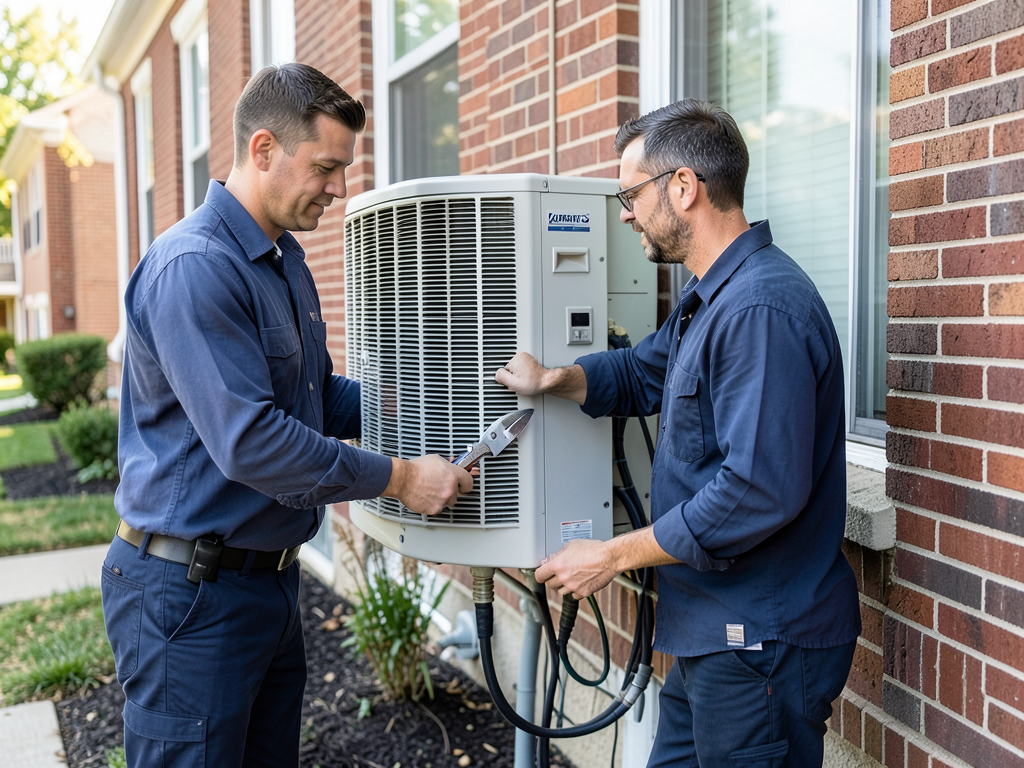
Natural gas furnaces remain popular in Baltimore due to BGE’s extensive pipeline network and historically lower gas prices compared to electricity. Modern high-efficiency furnaces achieve Annual Fuel Utilization Efficiency ratings of 95-98%, meaning only 2-5% of the fuel energy escapes through the flue. BGE (Baltimore Gas and Electric).
Gas furnaces provide consistent heat output regardless of outdoor temperature. This reliability becomes crucial during Baltimore’s occasional polar vortex events when temperatures drop below 10°F for several days. The technology also handles the rapid temperature recovery needed for Baltimore’s frequent weather swings.
Installation considerations include proper venting through existing chimneys or sidewall penetration. Baltimore’s building code requires Category I venting for standard efficiency furnaces and Category III venting for high-efficiency condensing units. The combustion air requirements and flue gas temperatures must be verified against manufacturer specifications.
Maintenance patterns differ significantly from heat pumps. Gas furnaces require annual combustion analysis, heat exchanger inspection, and gas pressure verification. The ignition system needs testing, and the flame sensor must be cleaned to prevent nuisance shutdowns during peak heating season.. Read more about Affordable Heating System Repairs and Gas Furnace Service in Arbutus.
Heat Pumps: Modern Efficiency for Baltimore Homes
Heat pumps operate as reversible air conditioners, extracting heat from outdoor air during winter and rejecting heat during summer. Modern cold-climate heat pumps maintain rated capacity down to 5°F using variable-speed compressors and enhanced heat exchanger designs. These units achieve Heating Seasonal Performance Factor ratings of 10-12, compared to 8-9 for standard models.. Read more about The Real Cost Differences Between Heating with Oil versus Natural Gas in Baltimore County.
The efficiency advantage becomes clear when examining BGE’s current rate structure. Electricity costs approximately 12-15 cents per kilowatt-hour, while natural gas averages 90-110 cents per therm. A heat pump moving 3 units of heat per unit of electricity can cost less to operate than a 95% efficient gas furnace, depending on local utility rates.. Read more about Choosing the Most Efficient Smart Thermostat for a Renovated Remington Rowhome.
Installation requirements include adequate electrical service. A typical heat pump system needs a dedicated 240-volt circuit with 30-60 amp capacity. Many older Baltimore homes have 100-amp service, which may require electrical panel upgrades before heat pump installation.
The defrost cycle represents a unique operational characteristic. When frost accumulates on the outdoor coil, the system temporarily switches to cooling mode to melt the ice. During defrost, electric resistance heat activates to prevent cold air delivery. This process can reduce overall efficiency by 5-10% in humid conditions.. Read more about Making the Switch from Oil to Natural Gas Heating for Your Brooklyn Area Home.
The Hybrid (Dual Fuel) Solution: Baltimore’s Sweet Spot
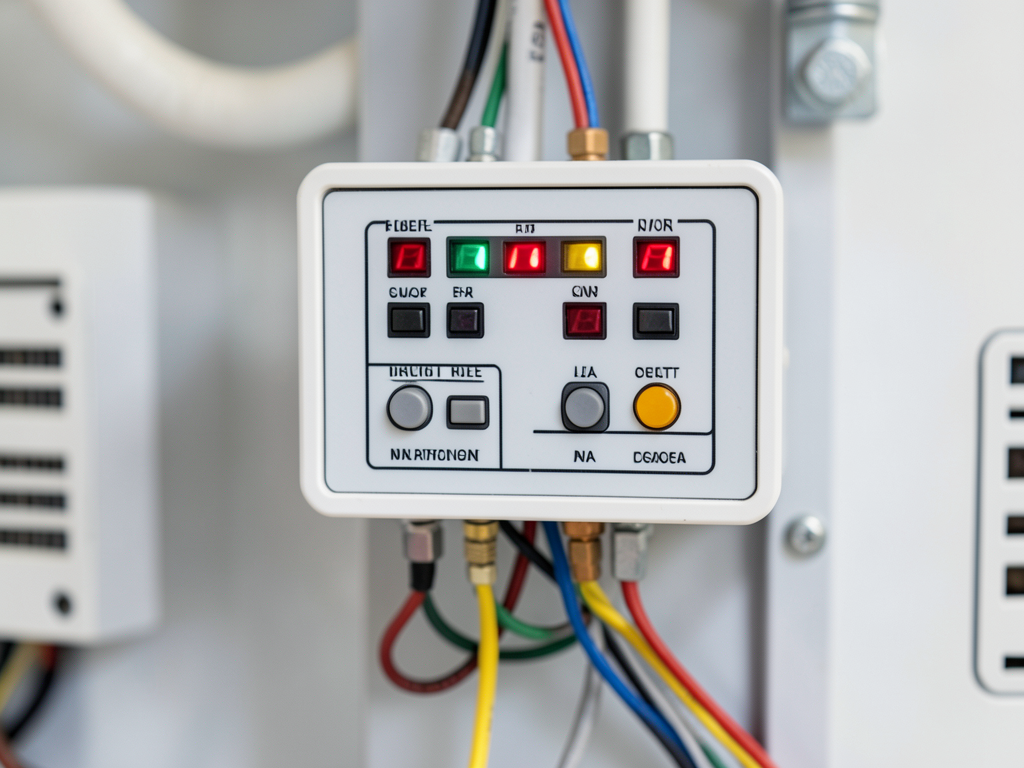
Dual fuel systems combine a heat pump with a gas furnace backup, automatically switching based on outdoor temperature and utility rates. This configuration addresses the primary weakness of heat pumps in Baltimore’s climate while maintaining high efficiency during milder conditions.
The control strategy typically activates the gas furnace when temperatures drop below 30-35°F or when the heat pump cannot maintain the thermostat setpoint. Some advanced systems use outdoor temperature sensors combined with utility rate monitoring to optimize switching decisions.
Installation requires coordination between HVAC and gas line contractors. The gas line must be sized for both the furnace and any existing gas appliances. Baltimore County and City have specific requirements for gas line sizing and pressure testing that must be documented before final inspection.
The economic analysis shows hybrid systems often provide the best lifecycle cost in Baltimore. The heat pump handles 70-80% of annual heating hours, while the gas furnace operates during the coldest 20-30% of hours. This split minimizes both electricity consumption and gas usage compared to single-technology solutions.
Cost Analysis: Initial Investment vs Monthly BGE Bills
Heat pump installation costs range from $6,000 to $12,000 for typical Baltimore homes, depending on system capacity and efficiency rating. High-efficiency models with variable-speed compressors command premium pricing but offer superior humidity control and quieter operation.
Gas furnace installations cost $4,000 to $8,000, with high-efficiency models at the upper end. The lower initial cost must be weighed against higher monthly operating costs, especially as BGE’s electricity rates remain relatively stable while natural gas prices fluctuate with market conditions.
EmPOWER Maryland offers rebates up to $1,000 for high-efficiency HVAC equipment. The program requires minimum SEER2 ratings of 16 and HSPF2 ratings of 9.2 for heat pumps. Gas furnaces must achieve 95% AFUE to qualify for any incentives. EmPOWER Maryland.
The federal Inflation Reduction Act provides tax credits of 30% of equipment cost up to $2,000 for qualifying heat pumps. This credit applies to both equipment and installation labor, significantly reducing the net investment for heat pump systems. Why Federal Hill Rowhouses Need Specialized Boiler Repair Services.
Operating cost calculations based on current BGE rates show heat pumps costing approximately $400-600 annually for a typical Baltimore home, while gas furnaces cost $500-700 annually. These figures assume standard thermostat settings and average insulation levels.
Permit Requirements and Local Code Compliance
Baltimore City requires mechanical permits for all HVAC replacements, with fees based on system tonnage. The permit process includes verification of proper refrigerant handling, electrical connections, and combustion safety for gas equipment. Baltimore County has similar requirements but with different fee structures.
Maryland’s Branded Title 24 energy code affects equipment selection through minimum efficiency requirements. Heat pumps must meet SEER2 minimums of 14 for cooling and HSPF2 minimums of 8.2 for heating. Gas furnaces require minimum AFUE of 95% for new installations.
The International Mechanical Code Section 304 governs combustion air requirements for gas furnaces. Baltimore’s specific amendments require combustion air calculations based on both input rating and building tightness. Tight homes may need dedicated combustion air ducts to prevent backdrafting.
Refrigerant handling follows EPA Section 608 regulations. Technicians must be certified for the refrigerant type being installed. Baltimore’s humid conditions make proper refrigerant charge critical for both cooling capacity and humidity control.. Read more about Finding a Trusted Technician for Heat Pump Repairs in Ellicott City.
Performance Testing and System Verification
Proper system commissioning involves multiple diagnostic tests. Static pressure measurement across the air handler determines if ductwork is properly sized. High static pressure indicates restriction that reduces efficiency and can damage equipment.
Temperature rise across gas furnaces must fall within manufacturer specifications, typically 40-70°F. Outside this range, the system risks overheating or short cycling. Heat pumps require similar verification of temperature split between supply and return air.
Combustion analysis for gas furnaces measures oxygen levels, carbon monoxide production, and stack temperature. These readings verify proper burner adjustment and heat exchanger integrity. CO levels above 100 ppm indicate dangerous conditions requiring immediate correction. Carbon Monoxide Leak Detection.
Refrigerant charge verification uses superheat and subcooling measurements. Undercharged systems lose capacity and efficiency. Overcharged systems risk compressor damage. Baltimore’s humidity makes accurate refrigerant charging essential for proper dehumidification.
Making the Right Choice for Your Baltimore Home
The optimal heating system depends on your specific circumstances. Homes with existing gas service and adequate electrical capacity can choose either technology. Properties without gas service face higher installation costs for gas lines, making heat pumps more attractive.
Climate considerations favor heat pumps for homes prioritizing energy efficiency and environmental impact. Gas furnaces better serve homes needing rapid temperature recovery or located in areas with frequent power outages where gas remains available.
Budget constraints often drive initial decisions, but lifecycle cost analysis frequently favors heat pumps due to lower operating costs and available incentives. The federal tax credit and state rebates can offset much of the price premium.
Professional load calculation determines proper system sizing. Oversized equipment cycles excessively, reducing efficiency and comfort. Undersized equipment cannot maintain temperatures during extreme weather. The Manual J calculation considers Baltimore’s specific climate factors including humidity and design temperatures.. Read more about Professional Duct Cleaning to Keep Your Owings Mills Home Dust Free.
Installation quality significantly impacts system performance. Proper ductwork design, refrigerant charging, and control setup determine whether equipment achieves rated efficiency. Poor installation can reduce efficiency by 20-30%, regardless of equipment quality.. Read more about Deciding Whether to Repair or Replace Your Aging Air Conditioner in Cockeysville.
Frequently Asked Questions
How long do gas furnaces typically last in Baltimore’s climate?
Gas furnaces in Baltimore average 15-20 years with proper maintenance. The humid conditions and salt air from the Chesapeake Bay can accelerate corrosion of heat exchangers and venting components. Annual maintenance extends service life by identifying issues before major failures occur.
Can heat pumps handle Baltimore’s occasional sub-zero temperatures?
Standard heat pumps lose significant capacity below 20°F and may struggle to maintain indoor temperatures during extended cold snaps. Cold-climate models maintain rated capacity down to 5°F but still require supplemental heat for the coldest Baltimore nights. Hybrid systems provide automatic backup when needed.
What rebates are currently available for HVAC upgrades in Baltimore?
EmPOWER Maryland offers up to $1,000 for qualifying high-efficiency equipment. BGE provides additional rebates through their Smart Energy Savers Program. The federal Inflation Reduction Act provides 30% tax credits up to $2,000 for qualifying heat pumps. These incentives change annually, so verification before purchase is essential.
How do I know if my electrical service can handle a heat pump?
A typical heat pump requires a 30-60 amp dedicated circuit. Homes with 100-amp service may need upgrades to 150 or 200 amps. An electrician can verify available capacity by examining your panel’s existing loads and spare breaker spaces. Some installations can use existing circuits if loads are redistributed.
Is natural gas still available in all Baltimore neighborhoods?
BGE maintains extensive gas distribution networks in Baltimore City and surrounding counties. However, some older neighborhoods and rural areas lack gas service. Properties in these areas must use propane, oil, or electric heating. Heat pump installation costs are often lower than extending gas service to unserved properties.
What maintenance do heat pumps require compared to gas furnaces?
Heat pumps need twice-yearly maintenance for heating and cooling seasons. Tasks include coil cleaning, refrigerant charge verification, and electrical connection inspection. Gas furnaces require annual maintenance focusing on combustion analysis, heat exchanger inspection, and gas pressure verification. Both systems benefit from regular filter changes and airflow verification.
Call (443) 390-4933 Today for Your Heating System Assessment
Don’t wait until your old system fails during a Baltimore cold snap. A professional assessment determines the optimal heating solution for your home’s specific needs, existing infrastructure, and budget constraints. Our technicians perform comprehensive load calculations, verify code compliance, and explain all available rebates and incentives.
Pick up the phone and call (443) 390-4933 before the next storm hits. We’ll help you make the right choice between gas furnace and heat pump technology for reliable comfort through every Baltimore season.
{
“@context”: “https://schema.org”,
“@type”: “BlogPosting”,
“headline”: “Deciding Between a Gas Furnace and an Electric Heat Pump for Your Baltimore Home”,
“description”: “Compare gas furnaces vs heat pumps for Baltimore homes. Learn about BGE rebates, EmPOWER Maryland incentives, and the best hybrid heating system for Maryland winters.”,
“wordCount”: 1899,
“datePublished”: “2026-03-24T12:41:00.000Z”,
“dateModified”: “2026-03-24T12:41:00.000Z”,
“inLanguage”: “en-US”,
“mainEntityOfPage”: {
“@type”: “WebPage”,
“@id”: “https://victoryhvacbaltimore.com”
},
“publisher”: {
“@type”: “LocalBusiness”,
“name”: “Victory HVAC Baltimore”,
“url”: “https://victoryhvacbaltimore.com”
},
“author”: {
“@type”: “Organization”,
“name”: “Victory HVAC Baltimore”,
“url”: “https://victoryhvacbaltimore.com”
},
“image”: {
“@type”: “ImageObject”,
“url”: “https://victoryhvacbaltimore.com/wp-content/uploads/2026/03/deciding-between-a-gas-furnace-and-an-electric-hea-1.png”
}
}
{
“@context”: “https://schema.org”,
“@type”: “HVACBusiness”,
“name”: “Victory HVAC Baltimore”,
“url”: “https://victoryhvacbaltimore.com”,
“address”: {
“@type”: “PostalAddress”,
“addressLocality”: “Baltimore”
},
“areaServed”: {
“@type”: “City”,
“name”: “Baltimore”
}
}
{
“@context”: “https://schema.org”,
“@type”: “FAQPage”,
“mainEntity”: [
{
“@type”: “Question”,
“name”: “How long do gas furnaces typically last in Baltimore’s climate?”,
“acceptedAnswer”: {
“@type”: “Answer”,
“text”: “Gas furnaces in Baltimore average 15-20 years with proper maintenance. The humid conditions and salt air from the Chesapeake Bay can accelerate corrosion of heat exchangers and venting components. Annual maintenance extends service life by identifying issues before major failures occur.”
}
},
{
“@type”: “Question”,
“name”: “Can heat pumps handle Baltimore’s occasional sub-zero temperatures?”,
“acceptedAnswer”: {
“@type”: “Answer”,
“text”: “Standard heat pumps lose significant capacity below 20°F and may struggle to maintain indoor temperatures during extended cold snaps. Cold-climate models maintain rated capacity down to 5°F but still require supplemental heat for the coldest Baltimore nights. Hybrid systems provide automatic backup when needed.”
}
},
{
“@type”: “Question”,
“name”: “What rebates are currently available for HVAC upgrades in Baltimore?”,
“acceptedAnswer”: {
“@type”: “Answer”,
“text”: “EmPOWER Maryland offers up to $1,000 for qualifying high-efficiency equipment. BGE provides additional rebates through their Smart Energy Savers Program. The federal Inflation Reduction Act provides 30% tax credits up to $2,000 for qualifying heat pumps. These incentives change annually, so verification before purchase is essential.”
}
},
{
“@type”: “Question”,
“name”: “How do I know if my electrical service can handle a heat pump?”,
“acceptedAnswer”: {
“@type”: “Answer”,
“text”: “A typical heat pump requires a 30-60 amp dedicated circuit. Homes with 100-amp service may need upgrades to 150 or 200 amps. An electrician can verify available capacity by examining your panel’s existing loads and spare breaker spaces. Some installations can use existing circuits if loads are redistributed.”
}
},
{
“@type”: “Question”,
“name”: “Is natural gas still available in all Baltimore neighborhoods?”,
“acceptedAnswer”: {
“@type”: “Answer”,
“text”: “BGE maintains extensive gas distribution networks in Baltimore City and surrounding counties. However, some older neighborhoods and rural areas lack gas service. Properties in these areas must use propane, oil, or electric heating. Heat pump installation costs are often lower than extending gas service to unserved properties.”
}
},
{
“@type”: “Question”,
“name”: “What maintenance do heat pumps require compared to gas furnaces?”,
“acceptedAnswer”: {
“@type”: “Answer”,
“text”: “Heat pumps need twice-yearly maintenance for heating and cooling seasons. Tasks include coil cleaning, refrigerant charge verification, and electrical connection inspection. Gas furnaces require annual maintenance focusing on combustion analysis, heat exchanger inspection, and gas pressure verification. Both systems benefit from regular filter changes and airflow verification.”
}
}
]
}
{
“@context”: “https://schema.org”,
“@type”: “BreadcrumbList”,
“itemListElement”: [
{
“@type”: “ListItem”,
“position”: 1,
“name”: “Home”,
“item”: “https://victoryhvacbaltimore.com”
},
{
“@type”: “ListItem”,
“position”: 2,
“name”: “Blog”,
“item”: “https://victoryhvacbaltimore.com/blog”
},
{
“@type”: “ListItem”,
“position”: 3,
“name”: “Deciding Between a Gas Furnace and an Electric Heat Pump for Your Baltimore Home”
}
]
}
{
“@context”: “https://schema.org”,
“@type”: “Service”,
“serviceType”: “HVAC”,
“provider”: {
“@type”: “LocalBusiness”,
“name”: “Victory HVAC Baltimore”,
“url”: “https://victoryhvacbaltimore.com”
},
“areaServed”: {
“@type”: “City”,
“name”: “Baltimore”
},
“description”: “Compare gas furnaces vs heat pumps for Baltimore homes. Learn about BGE rebates, EmPOWER Maryland incentives, and the best hybrid heating system for Maryland winters.”
}