
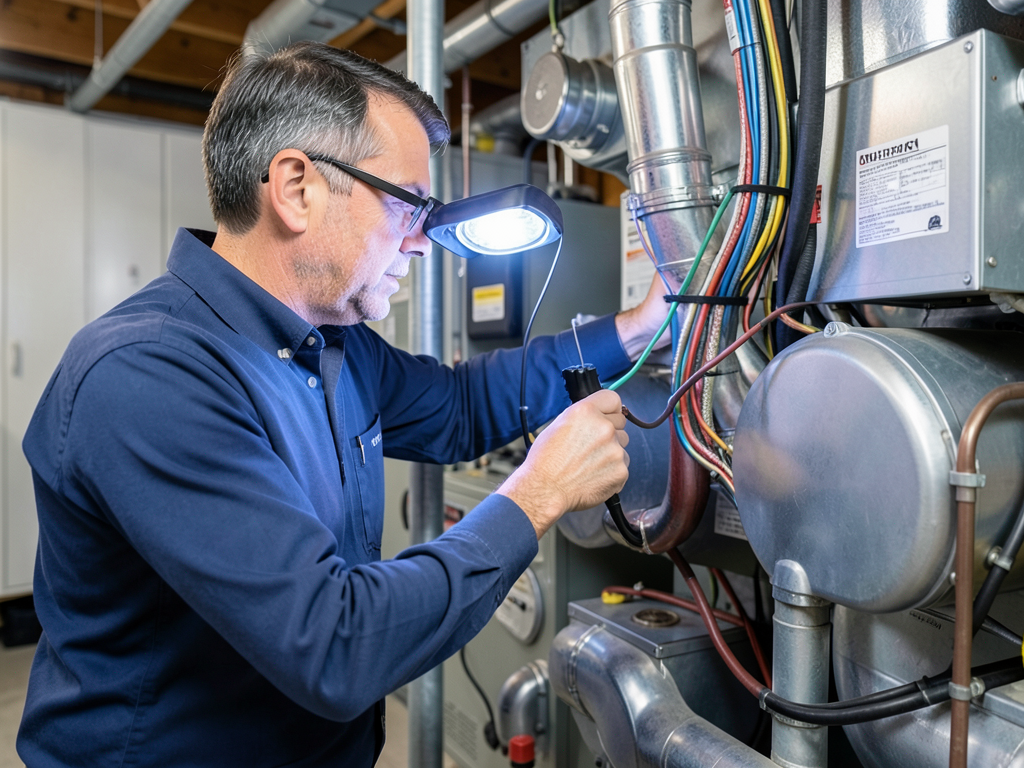
Comparing UV Lights and Air Scrubbers for Better Health in Your Towson Home
Indoor air quality affects your family’s health every day. Baltimore’s humid summers and pollen-heavy springs create unique air quality challenges in Towson homes. Homeowners often ask whether UV lights or air scrubbers work better for cleaner air. Both systems target different pollutants but use different methods. Understanding these differences helps you choose the right solution for your home’s specific needs.
What is an HVAC UV Light?
UV lights use ultraviolet-C radiation to kill microorganisms. These lamps mount inside your HVAC system near the evaporator coil or in the ductwork. The UV-C light destroys bacteria, viruses, and mold spores by damaging their DNA. Two main types exist: coil sterilization units that shine on the coil surface and air sterilization units that treat air as it passes through the system.
UV lights work continuously when your HVAC runs. They prevent biological growth on coils where moisture collects. This keeps your system cleaner and more efficient. The technology has been used in hospitals and laboratories for decades to sterilize surfaces and air.
What is an Air Scrubber?
Air scrubbers use active technology to clean air throughout your entire home. These devices install in your HVAC system and release charged particles or use photocatalytic oxidation to neutralize pollutants. Unlike passive filters that only trap particles, air scrubbers actively seek out and destroy contaminants in the air and on surfaces.
Most modern air scrubbers use PCO technology. This process uses UV light to activate a catalyst that breaks down volatile organic compounds, odors, and microorganisms. Some models also release ions that attach to particles, making them easier to filter or causing them to fall out of the air.
Head-to-Head Comparison
| Feature | UV Light | Air Scrubber |
|---|---|---|
| Target Pollutants | Bacteria, viruses, mold spores | Allergens, VOCs, odors, bacteria, viruses |
| Installation Cost | $400-800 installed | $1,200-2,500 installed |
| Maintenance | Bulb replacement every 12-24 months | Cell replacement every 2-3 years |
| Lifespan | Bulb lasts 9,000-12,000 hours | System lasts 10+ years |
| Coverage | Limited to coil area or duct | Whole-home coverage |
The Baltimore Factor: Humidity and Mold
Baltimore’s humid summers create perfect conditions for mold growth in HVAC systems. The Chesapeake Bay region experiences average summer humidity above 70%. This moisture collects on evaporator coils and creates breeding grounds for mold and bacteria. Many Towson homeowners notice musty odors when their AC first starts up.
Coil-mounted UV lights specifically target this problem. They prevent the biological growth that causes ‘Dirty Sock Syndrome’ – a common issue in Baltimore homes where bacteria on coils produce unpleasant odors. The UV light keeps the coil surface sterile, preventing the buildup that leads to these smells.
Air scrubbers handle humidity-related issues differently. They neutralize mold spores and bacteria throughout your home’s air volume. This provides broader protection but doesn’t prevent the initial growth on coils. For Baltimore’s climate, many homeowners choose both systems for comprehensive protection.
Cost Analysis
UV light installation costs vary based on system complexity. Basic coil sterilization units run $400-600 for the equipment plus $100-200 for professional installation. Air sterilization units cost $600-800 plus installation. These prices assume standard residential HVAC systems in Towson area homes.
Air scrubbers require higher initial investment. The equipment costs $800-1,500 depending on coverage area and technology. Professional installation adds $400-1,000 since these units integrate more complexly with existing HVAC systems. Some models require electrical modifications or plenum modifications.
Maintenance costs differ significantly. UV bulbs cost $50-150 and need replacement annually or biennially. Air scrubber cells cost $200-400 and last 2-3 years. Over a 10-year period, UV systems typically cost less to maintain despite more frequent service.
Who Should Choose Which?
UV lights work best for homeowners primarily concerned about biological growth and coil efficiency. If you notice musty odors from vents or have had mold issues in your HVAC system, UV lights provide targeted protection. They also help maintain system efficiency by keeping coils clean.
Air scrubbers suit homes with broader air quality concerns. Pet owners dealing with dander and odors benefit from the active cleaning technology. Families with allergy sufferers find relief from pollen, dust, and other airborne irritants. Homes near busy roads or in urban areas gain protection from vehicle emissions and VOCs. Why Pikesville Families are Switching to High Efficiency Heat Pumps.
Some Towson homes benefit from both systems. The UV light protects the HVAC equipment while the air scrubber cleans the living space air. This combination addresses both the source of contamination and its distribution throughout your home.
Installation and Maintenance
Professional installation matters for both systems. UV lights require proper positioning to ensure adequate exposure time for microorganisms. Incorrect placement reduces effectiveness by up to 70%. The technician must also ensure the UV light doesn’t damage nearby materials or create ozone.
Air scrubbers need careful integration with existing HVAC systems. The unit must be sized correctly for your home’s air volume. Improper sizing results in inadequate cleaning or wasted energy. Some models require specific electrical configurations or ductwork modifications.
Maintenance schedules vary by system. UV bulbs lose effectiveness before they burn out completely. Most manufacturers recommend annual replacement even if the bulb still lights. Air scrubber cells typically last 2-3 years but may need earlier replacement in homes with heavy pollutant loads.
Health Benefits and Considerations
Both systems improve indoor air quality but target different health concerns. UV lights primarily reduce exposure to biological contaminants like bacteria and viruses. This helps prevent respiratory infections and reduces allergy symptoms triggered by mold spores.
Air scrubbers address a broader range of health issues. They remove particulate matter that irritates airways, neutralize chemicals that trigger asthma, and eliminate odors that affect comfort. The active cleaning technology also reduces surface contamination, potentially lowering illness transmission rates.
Consider your family’s specific health needs. Homes with elderly residents, young children, or immunocompromised individuals may benefit more from comprehensive air cleaning. Those with specific mold sensitivities might prioritize UV technology for its targeted approach to biological growth.
Energy Efficiency Impact
Both systems affect HVAC energy consumption differently. UV lights can improve efficiency by keeping coils clean. Dirty coils reduce heat transfer efficiency by up to 30%, forcing your system to work harder. Clean coils maintained by UV light can reduce energy costs by 10-15% annually.
Air scrubbers add a small electrical load to your system. Most units draw 20-50 watts continuously, adding roughly $20-40 to annual electricity costs. However, they may reduce the load on your HVAC filter, potentially extending filter life and reducing replacement frequency. Adding Central Air to Your Hampden Rowhome Without Ruining the Character.
The net energy impact depends on your specific situation. Homes with severe coil fouling issues may see greater efficiency gains from UV lights. Those with poor outdoor air quality might benefit more from air scrubbers’ ability to reduce indoor pollutant loads.
Making Your Decision
Start by identifying your primary air quality concerns. Do you notice musty odors when AC runs? That suggests coil contamination needing UV treatment. Do family members suffer from allergies year-round? That indicates a need for comprehensive air cleaning.
Consider your home’s specific characteristics. Older Towson homes with original ductwork may benefit more from air scrubbers that handle accumulated dust and debris. Newer homes with tight construction might need active cleaning to prevent pollutant buildup.
Budget plays a role but shouldn’t be the only factor. While UV lights cost less initially, air scrubbers provide broader protection. Some homeowners start with one system and add the other later as budget allows.
Frequently Asked Questions
Are UV lights safe for my family?
Yes when properly installed. UV-C light cannot penetrate most materials and poses no risk when the system is correctly sealed. Professional installation ensures safety.
Will an air scrubber eliminate all my allergy symptoms?
Air scrubbers significantly reduce allergens but cannot eliminate all triggers. They work best as part of a comprehensive approach including regular cleaning and proper humidity control.
How long until I notice improvements?
Most homeowners notice odor reduction within 24-48 hours. Full air quality improvements typically take 2-4 weeks as the system continuously cleans circulating air.
Can I install these systems myself?
Professional installation ensures proper positioning, electrical connections, and system integration. DIY installation may void warranties and reduce effectiveness.
Which system works better with pets?
Air scrubbers generally work better for pet homes since they address dander, hair, and odors throughout the entire space rather than just at the coil.
Improving your home’s air quality requires understanding your specific needs and local environmental factors. Towson’s humid climate creates unique challenges that both UV lights and air scrubbers can address. The right choice depends on your family’s health concerns, budget, and existing HVAC system.
Ready to breathe easier in your Towson home? Call (443) 390-4933 today to schedule your inspection. Our experienced technicians will evaluate your home’s specific needs and recommend the best air quality solution for your family’s health and comfort. For more information, visit EPA Indoor Air Quality Guide. For more information, visit ASHRAE Standard 62.1. For more information, visit CDC UV-C Germicidal Irradiation Information.
{
“@context”: “https://schema.org”,
“@type”: “BlogPosting”,
“headline”: “Comparing UV Lights and Air Scrubbers for Better Health in Your Towson Home”,
“description”: “Learn how UV lights and air scrubbers improve indoor air quality in Towson homes. Compare costs, benefits, and installation for healthier living.”,
“wordCount”: 1505,
“datePublished”: “2026-04-30T10:37:00.000Z”,
“dateModified”: “2026-04-30T10:37:00.000Z”,
“inLanguage”: “en-US”,
“mainEntityOfPage”: {
“@type”: “WebPage”,
“@id”: “https://victoryhvacbaltimore.com”
},
“publisher”: {
“@type”: “LocalBusiness”,
“name”: “Victory HVAC Baltimore”,
“url”: “https://victoryhvacbaltimore.com”
},
“author”: {
“@type”: “Organization”,
“name”: “Victory HVAC Baltimore”,
“url”: “https://victoryhvacbaltimore.com”
},
“image”: {
“@type”: “ImageObject”,
“url”: “https://victoryhvacbaltimore.com/wp-content/uploads/2026/03/comparing-uv-lights-and-air-scrubbers-for-better-h-1.png”
}
}
{
“@context”: “https://schema.org”,
“@type”: “HVACBusiness”,
“name”: “Victory HVAC Baltimore”,
“url”: “https://victoryhvacbaltimore.com”,
“address”: {
“@type”: “PostalAddress”,
“addressLocality”: “Baltimore”
},
“areaServed”: {
“@type”: “City”,
“name”: “Baltimore”
}
}
{
“@context”: “https://schema.org”,
“@type”: “FAQPage”,
“mainEntity”: [
{
“@type”: “Question”,
“name”: “What is an HVAC UV Light?”,
“acceptedAnswer”: {
“@type”: “Answer”,
“text”: “UV lights use ultraviolet-C radiation to kill microorganisms. These lamps mount inside your HVAC system near the evaporator coil or in the ductwork. The UV-C light destroys bacteria, viruses, and mold spores by damaging their DNA. Two main types exist: coil sterilization units that shine on the coil surface and air sterilization units that treat air as it passes through the system.”
}
},
{
“@type”: “Question”,
“name”: “What is an Air Scrubber?”,
“acceptedAnswer”: {
“@type”: “Answer”,
“text”: “Air scrubbers use active technology to clean air throughout your entire home. These devices install in your HVAC system and release charged particles or use photocatalytic oxidation to neutralize pollutants. Unlike passive filters that only trap particles, air scrubbers actively seek out and destroy contaminants in the air and on surfaces.”
}
},
{
“@type”: “Question”,
“name”: “Who Should Choose Which?”,
“acceptedAnswer”: {
“@type”: “Answer”,
“text”: “UV lights work best for homeowners primarily concerned about biological growth and coil efficiency. If you notice musty odors from vents or have had mold issues in your HVAC system, UV lights provide targeted protection. They also help maintain system efficiency by keeping coils clean.”
}
},
{
“@type”: “Question”,
“name”: “Are UV lights safe for my family?”,
“acceptedAnswer”: {
“@type”: “Answer”,
“text”: “Yes when properly installed. UV-C light cannot penetrate most materials and poses no risk when the system is correctly sealed. Professional installation ensures safety.”
}
},
{
“@type”: “Question”,
“name”: “Will an air scrubber eliminate all my allergy symptoms?”,
“acceptedAnswer”: {
“@type”: “Answer”,
“text”: “Air scrubbers significantly reduce allergens but cannot eliminate all triggers. They work best as part of a comprehensive approach including regular cleaning and proper humidity control.”
}
},
{
“@type”: “Question”,
“name”: “How long until I notice improvements?”,
“acceptedAnswer”: {
“@type”: “Answer”,
“text”: “Most homeowners notice odor reduction within 24-48 hours. Full air quality improvements typically take 2-4 weeks as the system continuously cleans circulating air.”
}
},
{
“@type”: “Question”,
“name”: “Can I install these systems myself?”,
“acceptedAnswer”: {
“@type”: “Answer”,
“text”: “Professional installation ensures proper positioning, electrical connections, and system integration. DIY installation may void warranties and reduce effectiveness.”
}
},
{
“@type”: “Question”,
“name”: “Which system works better with pets?”,
“acceptedAnswer”: {
“@type”: “Answer”,
“text”: “Air scrubbers generally work better for pet homes since they address dander, hair, and odors throughout the entire space rather than just at the coil.”
}
}
]
}
{
“@context”: “https://schema.org”,
“@type”: “BreadcrumbList”,
“itemListElement”: [
{
“@type”: “ListItem”,
“position”: 1,
“name”: “Home”,
“item”: “https://victoryhvacbaltimore.com”
},
{
“@type”: “ListItem”,
“position”: 2,
“name”: “Blog”,
“item”: “https://victoryhvacbaltimore.com/blog”
},
{
“@type”: “ListItem”,
“position”: 3,
“name”: “Comparing UV Lights and Air Scrubbers for Better Health in Your Towson Home”
}
]
}
{
“@context”: “https://schema.org”,
“@type”: “Service”,
“serviceType”: “HVAC”,
“provider”: {
“@type”: “LocalBusiness”,
“name”: “Victory HVAC Baltimore”,
“url”: “https://victoryhvacbaltimore.com”
},
“areaServed”: {
“@type”: “City”,
“name”: “Baltimore”
},
“description”: “Learn how UV lights and air scrubbers improve indoor air quality in Towson homes. Compare costs, benefits, and installation for healthier living.”
}