
Carbon Monoxide Safety Tips for Families Living in Older Dundalk Houses
Carbon monoxide is a colorless odorless gas that can kill you before you even know it’s there. In Dundalk’s older homes built before the 1980s many houses still rely on aging gas furnaces and boilers that can develop dangerous leaks. This guide explains how to protect your family from CO poisoning with Baltimore-specific safety measures and local emergency contacts. How to Get Emergency AC Repair in Canton When Your System Fails in a Heatwave.
Why Older Dundalk Homes Face Higher CO Risks
Dundalk’s historic rowhomes and bungalows often have original heating systems that are now 30-50 years old. These older gas furnaces and boilers can develop cracks in their heat exchangers allowing CO to leak into living spaces. The area’s clay soil also creates unique drainage challenges that can affect basement-level HVAC equipment.
According to the Maryland Department of Health carbon monoxide poisoning sends over 400 people to emergency rooms across the state each year. Many of these cases occur during winter months when heating systems work hardest. Carbon Monoxide Leak Detection.
Common Sources of Carbon Monoxide in Baltimore-Area Homes
Gas furnaces and boilers are the most common CO sources in Dundalk homes but other appliances can also produce dangerous levels of the gas. Gas water heaters gas stoves and fireplaces all burn fuel that can create CO if not properly vented.
Blocked chimneys from bird nests or debris buildup prevent proper venting of combustion gases. This is especially problematic in Dundalk’s older homes where chimney maintenance may have been neglected for years.
Attached garages pose another risk when cars are left running or gas-powered tools are used indoors. The CO can seep through walls and doors into living areas.
Recognizing Carbon Monoxide Poisoning Symptoms
CO poisoning symptoms often mimic the flu making them hard to identify. Watch for headache dizziness nausea and confusion especially if multiple family members experience symptoms at the same time.
Unlike the flu CO symptoms typically improve when you leave the house and return when you come back inside. Pets may show signs first since they’re smaller and more sensitive to the gas.
If you suspect CO poisoning get everyone including pets outside immediately and call 911. Do not re-enter the home until emergency responders say it’s safe.
Maryland CO Detector Laws and Requirements
Maryland law requires CO alarms in all homes with fuel-burning appliances or attached garages. The law applies to rental properties and homes being sold or leased.
CO detectors must be installed on every level of your home including basements. Place them near sleeping areas and within 15 feet of fuel-burning appliances. Test alarms monthly and replace batteries every six months.
Most CO detectors last 5-7 years. Check the manufacture date on your units and replace them when they expire even if they seem to work fine.
Preventative HVAC Maintenance: Your First Line of Defense
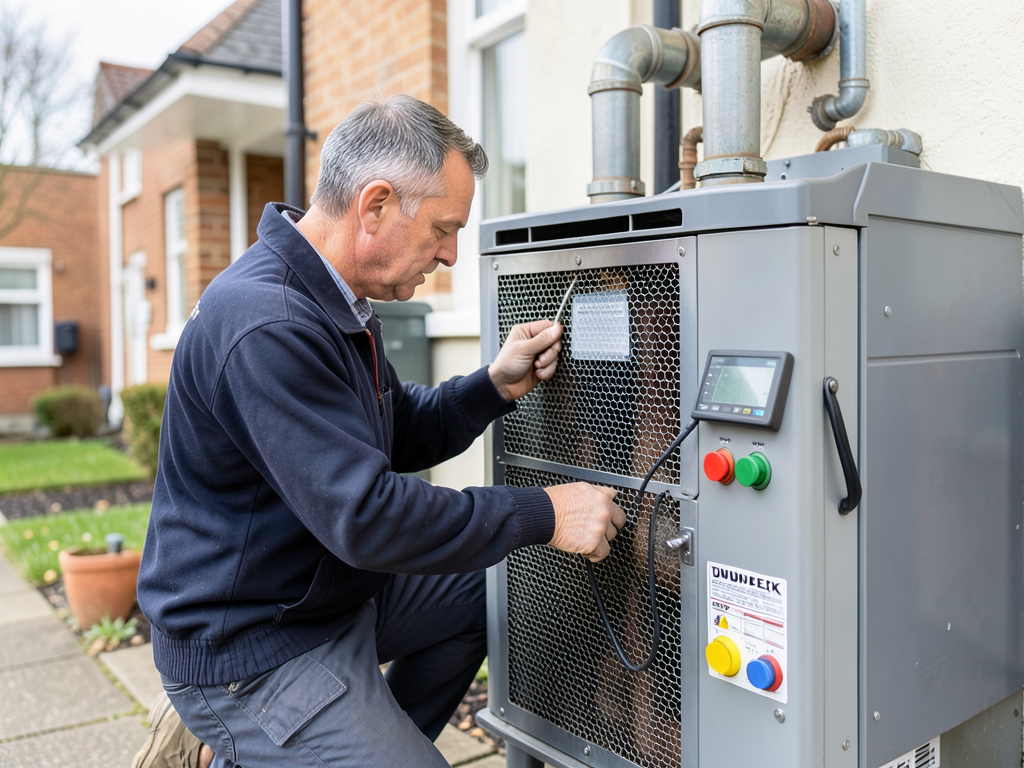
Annual furnace and boiler inspections by licensed HVAC technicians can catch problems before they become dangerous. A professional will check for cracked heat exchangers blocked vents and proper combustion.
Combustion analysis tests measure the efficiency and safety of your heating system. The technician uses specialized equipment to check CO levels in the flue gases and ensure proper venting.
Clean or replace furnace filters every 1-3 months. Dirty filters reduce airflow and can cause overheating that stresses heat exchangers.
Emergency Steps When Your CO Alarm Sounds
If your CO alarm sounds evacuate everyone immediately including pets. Do not try to find the source of the leak yourself.
Call 911 and report a possible CO emergency. Baltimore City Fire Department and Baltimore County emergency services have specialized equipment to detect and measure CO levels.
Contact BGE at 1-800-685-0123 to report a potential gas leak. Do not use any electrical switches or phones inside the house as they could create sparks. BGE Gas Safety Information.
Wait for emergency responders to clear the home before re-entering. They will identify the source and ensure it’s safe.
Proper Generator Use During Baltimore Power Outages
Portable generators must be used outdoors at least 20 feet from windows doors and vents. Never operate them in garages even with the door open.
Carbon monoxide from generators can build up quickly in enclosed spaces. The gas is heavier than air and can seep through windows and vents.
Consider installing a CO detector specifically for your generator area. Some newer models have built-in CO shutoff features that automatically turn off the generator if dangerous levels are detected.
CO Alarm Placement and Maintenance Best Practices
Install CO alarms on every level including basements and near sleeping areas. Place them at least 15 feet from fuel-burning appliances to avoid false alarms.
Avoid installing CO detectors near windows or doors where drafts could affect readings. Keep them away from bathrooms where humidity could cause false alarms.
Test alarms monthly by pressing the test button. Replace batteries every six months when you change your clocks for daylight saving time.
Ventilation Requirements for Gas Appliances
Gas furnaces and water heaters require proper venting to the outside. Check that vent pipes are securely connected and not rusted or damaged.
Look for rust stains or moisture around vent connections. These can indicate venting problems that allow CO to enter your home.
Never block or cover vents even temporarily. Proper airflow is essential for safe operation of fuel-burning appliances.
BGE Emergency Services and Contact Information
BGE provides 24/7 emergency response for gas leaks and CO emergencies in the Baltimore area. Call 1-800-685-0123 to report suspected gas leaks or CO problems.
BGE technicians can test for gas leaks and CO levels using specialized equipment. They will identify the source and make the area safe.
For non-emergency questions about your gas service call BGE customer service at 1-800-685-0123 during business hours.
Local Dundalk Resources and Support
Dundalk’s older housing stock means many families need help understanding their specific risks. The Dundalk-Patapsco Neck Historical Society can provide information about your home’s original heating system. Why Pikesville Families are Switching to High Efficiency Heat Pumps.
Local hardware stores in the Dundalk area carry CO detectors that meet Maryland requirements. Ask for units with digital displays that show CO levels in real-time.
Community centers and libraries often host safety workshops. Check with the Dundalk-Patapsco Public Library for upcoming CO safety events.
Creating a Family CO Safety Plan
Make sure everyone in your household knows the sound of your CO alarm and what to do when it sounds. Practice your evacuation plan twice a year.
Post emergency numbers near phones including 911 BGE and your HVAC service provider. Make sure babysitters and caregivers know the plan.
Keep a flashlight and shoes near your bed in case you need to evacuate at night. CO emergencies often happen when people are sleeping.
Seasonal Safety Tips for Baltimore Winters
Before heating season begins have your furnace inspected by a licensed HVAC technician. This is especially important in Dundalk where many homes use original heating systems.
Check that snow and ice cannot block your furnace’s fresh air intake or exhaust vent. Blocked vents can cause dangerous backdrafting of combustion gases.
Be extra cautious during severe weather when you might use alternative heating sources. Never use gas ovens or portable camp stoves for heating.
Cost Factors for CO Safety Improvements
Basic CO detectors cost $20-50 each but digital models with peak level memory cost $40-80. Whole-house monitored systems cost $200-500 installed.
Professional HVAC inspections typically cost $75-150 but can prevent costly repairs and dangerous situations. Some companies offer free inspections with maintenance agreements.
Replacing an old furnace can cost $3000-7000 but eliminates the risk of heat exchanger cracks that cause CO leaks.
Frequently Asked Questions
How often should I replace my CO detector?
Replace CO detectors every 5-7 years or according to the manufacturer’s recommendations. Check the manufacture date on the back of the unit.
What’s the difference between CO and natural gas leaks?
Natural gas has a sulfur-like odor added for detection while CO is odorless. Both require immediate evacuation but natural gas leaks pose explosion risks while CO causes poisoning.
Can I install CO detectors myself?
Yes most CO detectors are designed for DIY installation. Follow manufacturer instructions for proper placement and mounting height.
How many CO detectors do I need?
Maryland law requires at least one on every level including basements. Additional units near sleeping areas provide extra protection.
What should I do if my CO alarm goes off?
Evacuate immediately call 911 and do not re-enter until emergency responders say it’s safe. Contact BGE to check for gas leaks.
Take Action to Protect Your Family Today
Carbon monoxide doesn’t wait for convenient times to strike. Your family’s safety depends on being prepared before an emergency happens.
Call (443) 390-4933 today to schedule a professional HVAC inspection. Our licensed technicians will check your heating system for CO risks and ensure your home meets all safety requirements.
Don’t wait until your CO alarm sounds. Pick up the phone and call (443) 390-4933 before the next cold snap hits Dundalk. Your family’s safety is worth a quick phone call. For more information, visit CDC Carbon Monoxide Poisoning Prevention.
{
“@context”: “https://schema.org”,
“@type”: “BlogPosting”,
“headline”: “Carbon Monoxide Safety Tips for Families Living in Older Dundalk Houses”,
“description”: “Protect your family from the ‘silent killer’ in Dundalk’s older homes. Learn CO detector laws, furnace warning signs, and emergency steps from Baltimore HVAC experts.”,
“wordCount”: 1528,
“datePublished”: “2026-05-19T13:25:00.000Z”,
“dateModified”: “2026-05-19T13:25:00.000Z”,
“inLanguage”: “en-US”,
“mainEntityOfPage”: {
“@type”: “WebPage”,
“@id”: “https://victoryhvacbaltimore.com”
},
“publisher”: {
“@type”: “LocalBusiness”,
“name”: “Victory HVAC Baltimore”,
“url”: “https://victoryhvacbaltimore.com”
},
“author”: {
“@type”: “Organization”,
“name”: “Victory HVAC Baltimore”,
“url”: “https://victoryhvacbaltimore.com”
},
“image”: {
“@type”: “ImageObject”,
“url”: “https://victoryhvacbaltimore.com/wp-content/uploads/2026/03/carbon-monoxide-safety-tips-for-families-living-in-1.png”
}
}
{
“@context”: “https://schema.org”,
“@type”: “HVACBusiness”,
“name”: “Victory HVAC Baltimore”,
“url”: “https://victoryhvacbaltimore.com”,
“address”: {
“@type”: “PostalAddress”,
“addressLocality”: “Baltimore”
},
“areaServed”: {
“@type”: “City”,
“name”: “Baltimore”
}
}
{
“@context”: “https://schema.org”,
“@type”: “FAQPage”,
“mainEntity”: [
{
“@type”: “Question”,
“name”: “How often should I replace my CO detector?”,
“acceptedAnswer”: {
“@type”: “Answer”,
“text”: “Replace CO detectors every 5-7 years or according to the manufacturer’s recommendations. Check the manufacture date on the back of the unit.”
}
},
{
“@type”: “Question”,
“name”: “What’s the difference between CO and natural gas leaks?”,
“acceptedAnswer”: {
“@type”: “Answer”,
“text”: “Natural gas has a sulfur-like odor added for detection while CO is odorless. Both require immediate evacuation but natural gas leaks pose explosion risks while CO causes poisoning.”
}
},
{
“@type”: “Question”,
“name”: “Can I install CO detectors myself?”,
“acceptedAnswer”: {
“@type”: “Answer”,
“text”: “Yes most CO detectors are designed for DIY installation. Follow manufacturer instructions for proper placement and mounting height.”
}
},
{
“@type”: “Question”,
“name”: “How many CO detectors do I need?”,
“acceptedAnswer”: {
“@type”: “Answer”,
“text”: “Maryland law requires at least one on every level including basements. Additional units near sleeping areas provide extra protection.”
}
},
{
“@type”: “Question”,
“name”: “What should I do if my CO alarm goes off?”,
“acceptedAnswer”: {
“@type”: “Answer”,
“text”: “Evacuate immediately call 911 and do not re-enter until emergency responders say it’s safe. Contact BGE to check for gas leaks.”
}
}
]
}
{
“@context”: “https://schema.org”,
“@type”: “BreadcrumbList”,
“itemListElement”: [
{
“@type”: “ListItem”,
“position”: 1,
“name”: “Home”,
“item”: “https://victoryhvacbaltimore.com”
},
{
“@type”: “ListItem”,
“position”: 2,
“name”: “Blog”,
“item”: “https://victoryhvacbaltimore.com/blog”
},
{
“@type”: “ListItem”,
“position”: 3,
“name”: “Carbon Monoxide Safety Tips for Families Living in Older Dundalk Houses”
}
]
}
{
“@context”: “https://schema.org”,
“@type”: “Service”,
“serviceType”: “HVAC”,
“provider”: {
“@type”: “LocalBusiness”,
“name”: “Victory HVAC Baltimore”,
“url”: “https://victoryhvacbaltimore.com”
},
“areaServed”: {
“@type”: “City”,
“name”: “Baltimore”
},
“description”: “Protect your family from the ‘silent killer’ in Dundalk’s older homes. Learn CO detector laws, furnace warning signs, and emergency steps from Baltimore HVAC experts.”
}