
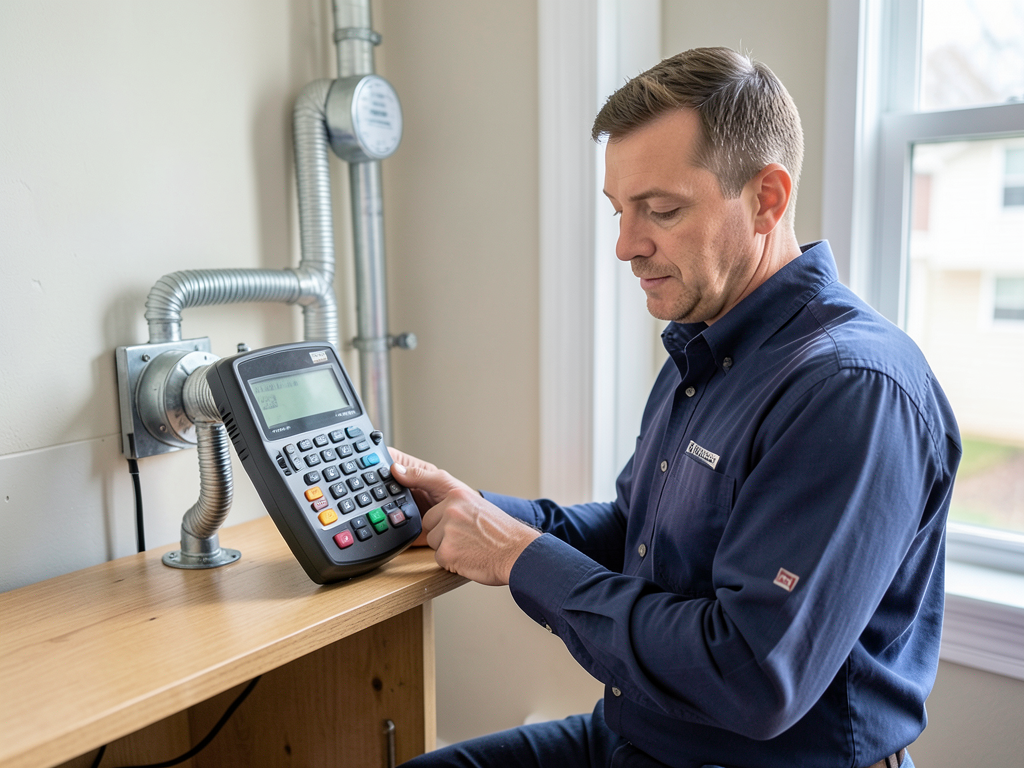
Why Moving Your HVAC Vents Might Be Necessary During a Home Remodel in Anneslie
Planning a home remodel in Anneslie often means rethinking your HVAC system layout. Whether you’re knocking down walls to create an open floor plan or adding new rooms, your existing vents may no longer serve the space efficiently. Moving HVAC vents requires careful planning to maintain proper airflow, meet Baltimore building codes, and avoid costly mistakes that could impact your comfort and energy bills. Baltimore County Department of Permits.
The process involves more than just cutting a new hole and moving a register. It requires understanding static pressure, calculating proper duct sizing, and ensuring compliance with Maryland Mechanical Code. Many Anneslie homes built in the 1950s through 1970s have original ductwork that wasn’t designed for modern open-concept layouts. Maryland Energy Efficiency Programs.
Understanding When Vent Relocation Becomes Necessary
Several remodeling scenarios make vent relocation almost unavoidable. When walls come down to create larger living spaces, supply and return vents often end up in the wrong locations for balanced airflow. Adding a bathroom or closet where a vent currently exists forces you to either abandon the HVAC component or relocate it entirely. Adding Central Air to Your Hampden Rowhome Without Ruining the Character.
Anneslie’s typical mid-century ranch and split-level homes present unique challenges. Many have supply vents in exterior walls that worked well when insulation was minimal, but modern energy codes require different placement for optimal efficiency. Moving these vents to interior walls often becomes necessary during major renovations.
The Technical Side of Vent Relocation
Moving an HVAC vent isn’t simply extending ductwork. Each vent requires specific airflow calculations based on room size, ceiling height, and heat load. A supply vent in a 200-square-foot bedroom needs different CFM (Cubic Feet per Minute) delivery than one in a 400-square-foot living room.
Static pressure changes when you modify duct runs. Longer duct runs, additional elbows, or reduced duct diameter all increase resistance to airflow. This can cause your system to work harder, reducing efficiency and potentially leading to frozen coils or compressor failure. Professional HVAC technicians use Manual J calculations to determine the exact requirements for each space.
Supply vents deliver conditioned air, while return vents pull air back to the system for reconditioning. Both types must be properly sized and located to maintain balanced pressure throughout your home. Improper return placement can create negative pressure zones that pull unconditioned air through cracks and gaps.
Baltimore Building Codes and Permit Requirements
Relocating HVAC vents in Baltimore requires compliance with the Maryland Mechanical Code, which adopts the 2018 International Mechanical Code with state amendments. Work that involves modifying existing ductwork or creating new vent openings typically requires a mechanical permit from the Baltimore County Department of Permits and Inspections.
Permit fees for residential mechanical work in Baltimore County range from $75 to $300 depending on project scope. The inspection process ensures work meets code requirements for fire blocking, insulation, and proper support of ductwork. Failure to obtain permits can result in fines and complications when selling your home.
Certain modifications trigger additional requirements. Moving vents near gas lines or electrical panels requires coordination with other trades. Work in finished spaces must address drywall repair, painting, and matching existing textures and finishes. How to Get Emergency AC Repair in Canton When Your System Fails in a Heatwave.
Common Challenges in Anneslie Homes
Anneslie’s housing stock presents specific obstacles for vent relocation. Many homes have plaster walls that require careful cutting and patching. Joist direction and spacing can limit where new ducts can run, especially in split-level homes where space is already constrained.
Attic and crawl space access varies significantly between properties. Some Anneslie homes have minimal attic space due to shallow roof pitches, making overhead duct routing difficult. Others have damp crawl spaces that require moisture mitigation before installing new ductwork.
Older homes may contain asbestos around original duct connections or lead paint on vent covers and surrounding surfaces. These hazardous materials require professional abatement before modification work can proceed safely.
Cost Factors and Timeline Considerations
Simple vent moves within the same wall cavity typically cost $300 to $600 per vent, while complex relocations involving new duct runs between floors can range from $1,200 to $2,500. These estimates include labor, materials, permits, and basic drywall repair.
Timeline varies based on complexity. A straightforward move might take 4-6 hours, while a multi-vent project involving new duct runs could require 2-3 days. Weather can impact work, especially for projects requiring exterior wall modifications or attic access.
Additional costs often arise from unexpected conditions. Rotted subflooring discovered during work, outdated wiring that needs relocation, or the need for asbestos testing can add $500 to $2,000 to your project.
DIY vs. Professional HVAC Modification
Moving HVAC vents requires specialized knowledge and tools. Professionals use duct sizing calculators, airflow meters, and pressure testing equipment to ensure proper system balance. They also understand how modifications affect overall system performance and energy efficiency.
DIY attempts often lead to problems like undersized ducts, improper sealing, or unbalanced airflow that creates hot and cold spots. These issues can reduce system efficiency by 20-30% and lead to premature equipment failure. Most manufacturers void warranties if non-licensed personnel modify their systems.
Professional HVAC technicians hold Maryland HVACR licenses and carry insurance that protects homeowners from liability. They also provide warranties on their work and can identify potential issues before they become expensive problems.
Maintaining System Efficiency After Vent Relocation
After moving vents, your system needs rebalancing to ensure proper airflow throughout the home. This involves adjusting dampers, verifying static pressure, and possibly recalibrating your thermostat. Many homeowners find their energy bills decrease after professional vent relocation because the system operates more efficiently.
Smart thermostats can help optimize performance after vent changes. These devices learn your patterns and can compensate for minor airflow variations, but they cannot overcome fundamental design flaws like undersized ducts or poor return air placement.
Regular maintenance becomes even more important after modifications. Annual professional tune-ups can catch issues like loose duct connections or filter problems that might develop after vent relocation work.
Special Considerations for Historic Anneslie Properties
Some Anneslie homes are subject to historic district guidelines that restrict exterior modifications. Moving vents that require exterior wall penetrations or changes to the home’s facade may need additional approval from the Baltimore County Landmarks Preservation Commission.
Historic homes often have unique construction methods that complicate vent relocation. Balloon framing, for instance, allows ducts to run vertically between floors without cutting through every stud, but requires careful fire blocking to meet current codes.
Matching existing finishes in historic homes presents challenges. Plaster repair requires different techniques than drywall, and finding matching trim profiles or vent covers can be difficult for older styles.
Energy Efficiency and Long-Term Benefits
Properly relocated HVAC vents can improve your home’s energy efficiency by 15-25%. Strategic placement based on room usage, solar exposure, and existing furniture layout ensures conditioned air reaches where it’s needed most effectively.
Modern vent designs offer additional benefits. Low-profile registers that sit flush with the floor reduce tripping hazards and improve aesthetics. Adjustable louvers allow for seasonal airflow direction changes, directing cool air downward in summer and warm air across the ceiling in winter.
Zone control systems become more effective with proper vent placement. By creating distinct heating and cooling zones based on your home’s actual usage patterns, you can reduce energy consumption while improving comfort in frequently used spaces.
Planning Your Vent Relocation Project
Start by consulting with a licensed HVAC contractor who can evaluate your existing system and provide recommendations based on your remodeling plans. They should perform a Manual J load calculation to determine if your current equipment can handle the modified layout or if upgrades are needed.
Coordinate vent relocation with other trades early in your remodeling process. Electrical, plumbing, and framing work can impact where ducts can run, so having all contractors collaborate prevents costly rework later.
Consider future needs when planning vent locations. If you’re adding a home office or planning to finish a basement, factor in those spaces now to avoid having to move vents again in a few years.
Frequently Asked Questions
How long does it take to move an HVAC vent?
A simple vent move within the same wall typically takes 4-6 hours. Complex relocations involving new duct runs between floors may require 2-3 days to complete properly.
Do I need a permit to move my HVAC vents in Baltimore County?
Yes. Most vent relocation work requires a mechanical permit from Baltimore County. Simple modifications might qualify for minor permit status, while major changes require full mechanical permits and inspections.
Can I move my own HVAC vents to save money?
While DIY is possible, it’s not recommended. Improper vent relocation can cause system inefficiency, void equipment warranties, and create safety hazards. Professional work ensures code compliance and proper system balance.
How much does it cost to move HVAC vents in Anneslie?
Costs range from $300 to $600 for simple moves within the same wall, up to $1,200 to $2,500 for complex relocations involving new duct runs. Prices include labor, materials, permits, and basic drywall repair.
Will moving vents affect my heating and cooling efficiency?
When done properly, vent relocation can improve efficiency by 15-25%. However, poor planning or DIY mistakes can reduce efficiency and create comfort issues like hot and cold spots throughout your home.
- Assess Your Current System
Have a licensed HVAC contractor evaluate your existing ductwork, calculate room loads, and determine if your current equipment can handle the modified layout.
- Plan with Other Contractors
Coordinate with your remodeling team early to ensure vent locations work with new wall configurations, electrical plans, and plumbing routes.
- Obtain Necessary Permits
Secure mechanical permits from Baltimore County before starting work. This ensures code compliance and prevents issues when selling your home.
- Schedule Professional Installation
Hire licensed HVAC technicians who understand static pressure, duct sizing, and Baltimore building codes to ensure proper system balance.
- Test and Balance the System
After installation, have the contractor verify airflow, adjust dampers, and ensure your system operates efficiently with the new vent configuration.
Ready to Move Your HVAC Vents in Anneslie?
Vent relocation during a home remodel requires expertise, proper permits, and careful planning to ensure your HVAC system continues to perform efficiently. Don’t risk comfort issues or code violations by attempting this work yourself.
Call (443) 390-4933 today to schedule your inspection and get a detailed quote for your vent relocation project. Our licensed technicians understand Anneslie’s unique housing stock and Baltimore County requirements, ensuring your remodel stays on track and your home stays comfortable year-round.
Pick up the phone and call (443) 390-4933 before the next storm hits. We’ll help you create the perfect HVAC layout for your remodeled space while maintaining optimal efficiency and comfort.
{
“@context”: “https://schema.org”,
“@type”: “BlogPosting”,
“headline”: “Why Moving Your HVAC Vents Might Be Necessary During a Home Remodel in Anneslie”,
“description”: “Discover why vent relocation is often needed during Anneslie remodels. Learn about Baltimore building codes, structural constraints, and how to maintain HVAC efficiency.”,
“wordCount”: 1802,
“datePublished”: “2026-06-11T11:38:00.000Z”,
“dateModified”: “2026-06-11T11:38:00.000Z”,
“inLanguage”: “en-US”,
“mainEntityOfPage”: {
“@type”: “WebPage”,
“@id”: “https://victoryhvacbaltimore.com”
},
“publisher”: {
“@type”: “LocalBusiness”,
“name”: “Victory HVAC Baltimore”,
“url”: “https://victoryhvacbaltimore.com”
},
“author”: {
“@type”: “Organization”,
“name”: “Victory HVAC Baltimore”,
“url”: “https://victoryhvacbaltimore.com”
},
“image”: {
“@type”: “ImageObject”,
“url”: “https://victoryhvacbaltimore.com/wp-content/uploads/2026/03/why-moving-your-hvac-vents-might-be-necessary-duri-1.png”
}
}
{
“@context”: “https://schema.org”,
“@type”: “HVACBusiness”,
“name”: “Victory HVAC Baltimore”,
“url”: “https://victoryhvacbaltimore.com”,
“address”: {
“@type”: “PostalAddress”,
“addressLocality”: “Baltimore”
},
“areaServed”: {
“@type”: “City”,
“name”: “Baltimore”
}
}
{
“@context”: “https://schema.org”,
“@type”: “FAQPage”,
“mainEntity”: [
{
“@type”: “Question”,
“name”: “How long does it take to move an HVAC vent?”,
“acceptedAnswer”: {
“@type”: “Answer”,
“text”: “A simple vent move within the same wall typically takes 4-6 hours. Complex relocations involving new duct runs between floors may require 2-3 days to complete properly.”
}
},
{
“@type”: “Question”,
“name”: “Do I need a permit to move my HVAC vents in Baltimore County?”,
“acceptedAnswer”: {
“@type”: “Answer”,
“text”: “Yes. Most vent relocation work requires a mechanical permit from Baltimore County. Simple modifications might qualify for minor permit status, while major changes require full mechanical permits and inspections.”
}
},
{
“@type”: “Question”,
“name”: “Can I move my own HVAC vents to save money?”,
“acceptedAnswer”: {
“@type”: “Answer”,
“text”: “While DIY is possible, it’s not recommended. Improper vent relocation can cause system inefficiency, void equipment warranties, and create safety hazards. Professional work ensures code compliance and proper system balance.”
}
},
{
“@type”: “Question”,
“name”: “How much does it cost to move HVAC vents in Anneslie?”,
“acceptedAnswer”: {
“@type”: “Answer”,
“text”: “Costs range from $300 to $600 for simple moves within the same wall, up to $1,200 to $2,500 for complex relocations involving new duct runs. Prices include labor, materials, permits, and basic drywall repair.”
}
},
{
“@type”: “Question”,
“name”: “Will moving vents affect my heating and cooling efficiency?”,
“acceptedAnswer”: {
“@type”: “Answer”,
“text”: “When done properly, vent relocation can improve efficiency by 15-25%. However, poor planning or DIY mistakes can reduce efficiency and create comfort issues like hot and cold spots throughout your home.”
}
},
{
“@type”: “Question”,
“name”: “Ready to Move Your HVAC Vents in Anneslie?”,
“acceptedAnswer”: {
“@type”: “Answer”,
“text”: “Vent relocation during a home remodel requires expertise, proper permits, and careful planning to ensure your HVAC system continues to perform efficiently. Don’t risk comfort issues or code violations by attempting this work yourself.”
}
}
]
}
{
“@context”: “https://schema.org”,
“@type”: “HowTo”,
“name”: “How to Plan HVAC Vent Relocation”,
“step”: [
{
“@type”: “HowToStep”,
“position”: 1,
“name”: “Assess Your Current System”,
“text”: “Have a licensed HVAC contractor evaluate your existing ductwork, calculate room loads, and determine if your current equipment can handle the modified layout.”
},
{
“@type”: “HowToStep”,
“position”: 2,
“name”: “Plan with Other Contractors”,
“text”: “Coordinate with your remodeling team early to ensure vent locations work with new wall configurations, electrical plans, and plumbing routes.”
},
{
“@type”: “HowToStep”,
“position”: 3,
“name”: “Obtain Necessary Permits”,
“text”: “Secure mechanical permits from Baltimore County before starting work. This ensures code compliance and prevents issues when selling your home.”
},
{
“@type”: “HowToStep”,
“position”: 4,
“name”: “Schedule Professional Installation”,
“text”: “Hire licensed HVAC technicians who understand static pressure, duct sizing, and Baltimore building codes to ensure proper system balance.”
},
{
“@type”: “HowToStep”,
“position”: 5,
“name”: “Test and Balance the System”,
“text”: “After installation, have the contractor verify airflow, adjust dampers, and ensure your system operates efficiently with the new vent configuration.”
}
],
“image”: “https://victoryhvacbaltimore.com/wp-content/uploads/2026/03/why-moving-your-hvac-vents-might-be-necessary-duri-1.png”
}
{
“@context”: “https://schema.org”,
“@type”: “BreadcrumbList”,
“itemListElement”: [
{
“@type”: “ListItem”,
“position”: 1,
“name”: “Home”,
“item”: “https://victoryhvacbaltimore.com”
},
{
“@type”: “ListItem”,
“position”: 2,
“name”: “Blog”,
“item”: “https://victoryhvacbaltimore.com/blog”
},
{
“@type”: “ListItem”,
“position”: 3,
“name”: “Why Moving Your HVAC Vents Might Be Necessary During a Home Remodel in Anneslie”
}
]
}
{
“@context”: “https://schema.org”,
“@type”: “Service”,
“serviceType”: “HVAC”,
“provider”: {
“@type”: “LocalBusiness”,
“name”: “Victory HVAC Baltimore”,
“url”: “https://victoryhvacbaltimore.com”
},
“areaServed”: {
“@type”: “City”,
“name”: “Baltimore”
},
“description”: “Discover why vent relocation is often needed during Anneslie remodels. Learn about Baltimore building codes, structural constraints, and how to maintain HVAC efficiency.”
}