
Why You Have Condensation on Your Windows in Brooklandville and How Your HVAC Can Help
Brooklandville homes experience foggy windows when warm indoor air meets cold glass surfaces. This condensation happens because indoor humidity levels are too high for the current outdoor temperature. Your HVAC system plays a critical role in controlling this moisture and preventing potential damage to your home.
Window condensation in Brooklandville typically appears as water droplets or frost on interior glass surfaces during cold weather. The problem occurs when indoor relative humidity exceeds what the outdoor temperature can support. When warm moist air contacts cold windows the water vapor condenses into liquid water or ice.
Understanding this moisture issue requires knowing how temperature and humidity interact. The dew point temperature determines when condensation will form. If your indoor air temperature is 70 degrees Fahrenheit with 40 percent relative humidity the dew point is approximately 44 degrees. When outdoor temperatures drop below this level condensation appears on windows.
Brooklandville’s climate creates unique challenges for window moisture control. The area experiences significant temperature swings between heated indoor spaces and cold outdoor conditions. Local homes built in the 1970s and 1980s often have single-pane windows or poorly insulated double-pane units that contribute to condensation problems.
Several factors increase window condensation risk in Brooklandville homes. Cooking activities generate water vapor. Showers release moisture into the air. Houseplants release water through transpiration. Even breathing adds humidity to indoor air. When multiple sources operate simultaneously humidity levels can exceed safe ranges.
According to the Environmental Protection Agency indoor relative humidity should stay between 30 and 50 percent for optimal comfort and health. Levels above 60 percent promote mold growth and create condensation issues. Levels below 30 percent cause static electricity and dry skin problems.
Window condensation severity depends on several factors. Single-pane windows are most susceptible because they provide minimal insulation. Double-pane windows with failed seals lose their insulating properties. Triple-pane windows offer the best protection but condensation can still occur if indoor humidity is extremely high.
Common condensation locations in Brooklandville homes include north-facing windows which receive less direct sunlight. Bathrooms and kitchens show condensation first due to high moisture generation. Rooms with poor air circulation develop condensation more readily than well-ventilated spaces.
Condensation between window panes indicates seal failure in double or triple-pane windows. This moisture cannot be removed through humidity control alone. The window unit requires replacement or professional restoration to restore insulating properties.
Long-term window condensation causes several problems. Water damage to window sills and frames leads to wood rot and paint deterioration. Mold growth on window frames creates health hazards. Moisture damage to surrounding drywall requires expensive repairs. Persistent condensation can even damage hardwood floors near affected windows. EPA indoor air quality guidelines.
Understanding local building practices helps explain condensation patterns. Many Brooklandville homes feature aluminum window frames which conduct cold more readily than vinyl or wood. Older homes may have inadequate vapor barriers allowing moisture migration from crawl spaces or basements.
Maryland Building Performance Institute standards recommend specific humidity control strategies for Mid-Atlantic homes. These guidelines address the region’s high humidity levels and temperature variations that contribute to window condensation issues.
Window condensation serves as an indicator of indoor air quality problems. High humidity levels promote dust mite populations. Excess moisture creates conditions favorable for mold and mildew growth. Poor indoor air quality can trigger allergies and respiratory issues.
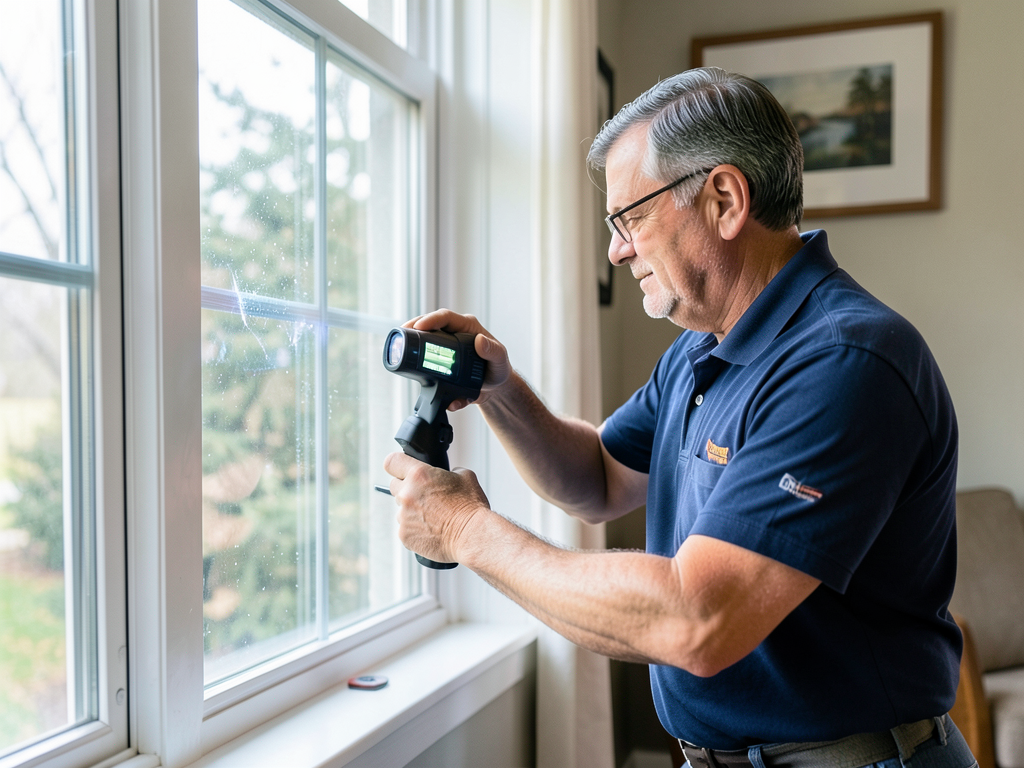
Professional HVAC assessment identifies the root causes of window condensation. Technicians measure indoor humidity levels using calibrated hygrometers. They evaluate ventilation system performance and check for air leaks around windows and doors.
Modern HVAC systems offer several solutions for window condensation control. Whole-house dehumidifiers remove excess moisture from indoor air. Energy recovery ventilators exchange stale indoor air with fresh outdoor air while recovering heat energy. Smart thermostats monitor humidity levels and adjust HVAC operation accordingly.
Heat recovery ventilators provide particular benefit for Brooklandville homes. These systems transfer heat from exhaust air to incoming fresh air reducing energy costs while improving indoor air quality. The continuous air exchange prevents moisture buildup that causes window condensation.
Whole-house humidifiers require careful adjustment during winter months. Many Brooklandville homeowners set these devices too high causing excessive indoor humidity. Proper settings depend on outdoor temperature with lower settings required for colder conditions.
Air circulation plays a crucial role in preventing window condensation. Ceiling fans set to reverse direction push warm air down from ceilings reducing temperature differences between room air and window surfaces. HVAC system fan settings on continuous operation improve air mixing and reduce condensation risk.
Window treatments affect condensation formation. Heavy curtains trap cold air against window glass increasing condensation risk. Cellular shades provide insulation reducing temperature differences. Leaving blinds slightly open improves air circulation around windows.
DIY humidity reduction methods include using bathroom exhaust fans during and after showers. Cooking with lids on pots reduces water vapor release. Running kitchen exhaust fans while cooking removes moisture at the source. Limiting indoor plants or relocating them away from windows reduces transpiration effects.
Professional solutions for persistent condensation include installing energy-efficient windows with low-emissivity coatings. These coatings reflect heat back into rooms while allowing visible light transmission. Improved window seals prevent air infiltration that contributes to condensation.
Dehumidification system selection depends on home size and moisture sources. Portable dehumidifiers work for single rooms but whole-house systems provide better control. Desiccant dehumidifiers work well in cold environments while refrigerant-based units perform better in warmer conditions.
Ventilation system upgrades address condensation issues. Installing proper bathroom exhaust fans with adequate CFM ratings removes moisture at the source. Kitchen range hoods vented to the exterior prevent cooking moisture from spreading through the home.
Building envelope improvements reduce window condensation. Adding insulation to walls and ceilings reduces temperature differences between indoor and outdoor environments. Air sealing around windows and doors prevents cold air infiltration that creates condensation conditions. Adding Central Air to Your Hampden Rowhome Without Ruining the Character.
Smart home technology offers advanced humidity control. Wi-Fi enabled thermostats monitor indoor conditions and adjust HVAC operation automatically. Humidity sensors trigger dehumidification when levels exceed set points. Smart ventilation systems adjust airflow based on occupancy and moisture levels.
Maintenance practices affect condensation control effectiveness. Regular HVAC filter changes ensure proper airflow. Clean coils improve heat exchange efficiency. Duct sealing prevents air leaks that contribute to humidity problems. Annual professional maintenance keeps systems operating at peak efficiency.
Energy efficiency improvements reduce condensation risk. LED lighting generates less heat than incandescent bulbs reducing temperature differences. Energy-efficient appliances produce less waste heat and moisture. Proper insulation reduces temperature variations that cause condensation.
Health considerations extend beyond window condensation. High indoor humidity promotes dust mite populations that trigger allergies. Mold growth from persistent moisture creates respiratory hazards. Poor indoor air quality affects sleep quality and overall health.
Cost factors influence condensation control decisions. Window replacement provides permanent solutions but requires significant investment. HVAC upgrades offer ongoing control with lower upfront costs. Dehumidification systems provide flexible solutions for varying conditions.
Seasonal adjustments improve condensation control. Winter settings require lower humidity levels than summer settings. Spring and fall demand careful monitoring as temperature swings increase condensation risk. Summer humidity control prevents moisture migration into cooler indoor spaces.
Professional assessment includes several diagnostic steps. Technicians use thermal imaging cameras to identify temperature differences around windows. Moisture meters detect hidden water damage. Air quality monitors measure humidity and particulate levels. Blower door tests identify air leaks contributing to condensation.
Local building codes influence condensation control options. Maryland energy efficiency standards require specific insulation levels and air sealing practices. Ventilation requirements ensure adequate fresh air exchange. These regulations affect both new construction and renovation projects.
Future trends in condensation control include improved window technologies. Smart windows with electrochromic coatings adjust transparency based on conditions. Phase-change materials in window frames provide thermal mass for temperature stabilization. Advanced coatings reduce heat transfer while maintaining visibility.
Environmental considerations affect condensation control choices. Energy-efficient solutions reduce carbon footprints. Water conservation through proper humidity control prevents waste. Sustainable materials in window replacements support environmental goals. Carbon Monoxide Leak Detection.
Emergency condensation situations require immediate attention. Severe condensation can cause water damage to electronics and furniture. Ice formation on windows indicates extreme conditions requiring immediate humidity reduction. Professional emergency services address these situations quickly. How to Get Emergency AC Repair in Canton When Your System Fails in a Heatwave.
Long-term planning for condensation control includes regular system evaluations. Technology improvements may offer better solutions over time. Changing household patterns affect moisture generation. Professional assessments ensure systems continue meeting needs effectively.
Community resources provide additional support. Local HVAC contractors understand Brooklandville’s specific challenges. Building supply stores offer products suited to local conditions. Online forums share experiences and solutions among homeowners.
Education plays a crucial role in condensation prevention. Understanding the science behind moisture formation helps homeowners make informed decisions. Regular monitoring prevents problems from developing. Professional guidance ensures appropriate solutions for specific situations.
Financial planning for condensation control includes considering energy savings. Efficient systems reduce utility costs over time. Improved comfort may justify premium solutions. Professional assessments help prioritize investments based on return potential.
Quality assurance in condensation control involves verifying system performance. Regular testing ensures humidity levels remain appropriate. Professional certifications indicate technician expertise. Warranty coverage protects investments in new equipment.
Customer satisfaction depends on effective communication. Clear explanations of problems and solutions build trust. Realistic expectations prevent disappointment. Ongoing support addresses questions and concerns that arise after installation.
Industry standards guide condensation control practices. ASHRAE recommendations provide performance benchmarks. Manufacturer specifications ensure proper equipment operation. Professional associations establish best practices for service delivery. ASHRAE humidity control standards.
Innovation continues improving condensation control options. New materials offer better insulation properties. Smart controls provide more precise humidity management. Integration with home automation systems creates comprehensive environmental control.
Professional development ensures quality service delivery. Continuing education keeps technicians current with technology advances. Certification programs verify expertise in specific areas. Field experience provides practical knowledge beyond classroom learning.
Research and development drive future improvements. Universities study indoor air quality effects on health. Manufacturers develop more efficient dehumidification technologies. Building scientists investigate new materials and construction methods.
Global perspectives influence local practices. European window technologies offer efficiency improvements. Asian humidity control methods provide alternative approaches. International standards shape product development and performance expectations.
Final recommendations for Brooklandville homeowners include starting with professional assessment. Understanding specific conditions guides solution selection. Prioritizing based on severity and cost effectiveness ensures wise investments. Regular maintenance prevents future problems.
Window condensation control requires ongoing attention. Seasonal adjustments maintain optimal performance. Technology updates may offer improvements over time. Professional support ensures systems continue meeting needs effectively.
Successful condensation control improves home comfort and protects property value. Proper humidity management prevents damage and health issues. Energy-efficient solutions reduce operating costs. Professional expertise ensures optimal results for Brooklandville homes.
Frequently Asked Questions
Why do my windows fog up even with new double-pane windows?
New double-pane windows can still fog up if indoor humidity levels are too high for the outdoor temperature. The issue is often related to your home’s humidity levels rather than window quality. Check your humidifier settings and consider using a dehumidifier if humidity exceeds 50 percent.
How can I tell if my window condensation is a serious problem?
Occasional condensation during extreme temperature differences is normal. However, persistent moisture that leads to water damage, mold growth, or ice formation indicates a serious problem requiring immediate attention. Check for water stains on sills, peeling paint, or musty odors around windows.
What’s the ideal indoor humidity level for preventing window condensation in winter?
For Brooklandville winters, maintain indoor humidity between 30-40 percent when outdoor temperatures are below freezing. As outdoor temperatures rise above 40 degrees Fahrenheit you can increase humidity to 40-50 percent. Use a hygrometer to monitor levels and adjust your humidifier accordingly.
Can window condensation damage my walls and floors?
Yes, persistent window condensation can damage surrounding walls, floors, and window frames. Water can seep into drywall causing swelling and deterioration. Hardwood floors near affected windows may warp or cup. Over time this moisture damage can lead to expensive repairs and potential mold growth.
Should I replace my windows or fix my HVAC system first?
Start with HVAC system evaluation and humidity control improvements. Many condensation issues result from excessive indoor humidity rather than poor windows. Professional assessment can determine whether HVAC adjustments, dehumidification, or ventilation improvements will solve the problem before considering expensive window replacement.
- Check Indoor Humidity Levels
Use a hygrometer to measure indoor relative humidity. Target 30-40 percent during cold weather. Levels above 50 percent almost guarantee window condensation problems.
- Adjust Your Whole-House Humidifier
Lower humidifier settings as outdoor temperatures drop. Many manufacturers provide temperature-based adjustment charts. Start with the lowest comfortable setting and increase gradually if needed.
- Improve Air Circulation
Set ceiling fans to reverse direction to push warm air down from ceilings. Keep HVAC fan on continuous operation mode. Move furniture away from vents to improve airflow distribution.
- Run Exhaust Fans
Use bathroom exhaust fans during and after showers for at least 30 minutes. Run kitchen range hood while cooking. These fans remove moisture at the source before it spreads through your home.
- Consider Professional Assessment
If DIY methods don’t solve the problem within two weeks call (443) 390-4933 for a professional indoor air quality evaluation. Our technicians can identify hidden moisture sources and recommend targeted solutions.
Window condensation in Brooklandville homes signals indoor humidity control issues that your HVAC system can solve. Whether you need humidifier adjustment, dehumidifier installation, or ventilation improvements our team provides expert solutions tailored to local conditions. Call (443) 390-4933 today to schedule your indoor air quality assessment and stop window condensation permanently.
Don’t let moisture damage your home and compromise your family’s comfort. Pick up the phone and call (443) 390-4933 before the next cold snap hits. Our Brooklandville HVAC experts will diagnose your specific situation and recommend the most cost-effective solution to eliminate window condensation for good.
{
“@context”: “https://schema.org”,
“@type”: “BlogPosting”,
“headline”: “Why You Have Condensation on Your Windows in Brooklandville and How Your HVAC Can Help”,
“description”: “Learn why Brooklandville homes get foggy windows in winter and how proper HVAC humidity control can prevent mold, moisture damage, and improve indoor air quality.”,
“wordCount”: 2323,
“datePublished”: “2026-06-03T15:54:00.000Z”,
“dateModified”: “2026-06-03T15:54:00.000Z”,
“inLanguage”: “en-US”,
“mainEntityOfPage”: {
“@type”: “WebPage”,
“@id”: “https://victoryhvacbaltimore.com”
},
“publisher”: {
“@type”: “LocalBusiness”,
“name”: “Victory HVAC Baltimore”,
“url”: “https://victoryhvacbaltimore.com”
},
“author”: {
“@type”: “Organization”,
“name”: “Victory HVAC Baltimore”,
“url”: “https://victoryhvacbaltimore.com”
},
“image”: {
“@type”: “ImageObject”,
“url”: “https://victoryhvacbaltimore.com/wp-content/uploads/2026/03/why-you-have-condensation-on-your-windows-in-brook-1.png”
}
}
{
“@context”: “https://schema.org”,
“@type”: “HVACBusiness”,
“name”: “Victory HVAC Baltimore”,
“url”: “https://victoryhvacbaltimore.com”,
“address”: {
“@type”: “PostalAddress”,
“addressLocality”: “Baltimore”
},
“areaServed”: {
“@type”: “City”,
“name”: “Baltimore”
}
}
{
“@context”: “https://schema.org”,
“@type”: “FAQPage”,
“mainEntity”: [
{
“@type”: “Question”,
“name”: “Why do my windows fog up even with new double-pane windows?”,
“acceptedAnswer”: {
“@type”: “Answer”,
“text”: “New double-pane windows can still fog up if indoor humidity levels are too high for the outdoor temperature. The issue is often related to your home’s humidity levels rather than window quality. Check your humidifier settings and consider using a dehumidifier if humidity exceeds 50 percent.”
}
},
{
“@type”: “Question”,
“name”: “How can I tell if my window condensation is a serious problem?”,
“acceptedAnswer”: {
“@type”: “Answer”,
“text”: “Occasional condensation during extreme temperature differences is normal. However, persistent moisture that leads to water damage, mold growth, or ice formation indicates a serious problem requiring immediate attention. Check for water stains on sills, peeling paint, or musty odors around windows.”
}
},
{
“@type”: “Question”,
“name”: “What’s the ideal indoor humidity level for preventing window condensation in winter?”,
“acceptedAnswer”: {
“@type”: “Answer”,
“text”: “For Brooklandville winters, maintain indoor humidity between 30-40 percent when outdoor temperatures are below freezing. As outdoor temperatures rise above 40 degrees Fahrenheit you can increase humidity to 40-50 percent. Use a hygrometer to monitor levels and adjust your humidifier accordingly.”
}
},
{
“@type”: “Question”,
“name”: “Can window condensation damage my walls and floors?”,
“acceptedAnswer”: {
“@type”: “Answer”,
“text”: “Yes, persistent window condensation can damage surrounding walls, floors, and window frames. Water can seep into drywall causing swelling and deterioration. Hardwood floors near affected windows may warp or cup. Over time this moisture damage can lead to expensive repairs and potential mold growth.”
}
},
{
“@type”: “Question”,
“name”: “Should I replace my windows or fix my HVAC system first?”,
“acceptedAnswer”: {
“@type”: “Answer”,
“text”: “Start with HVAC system evaluation and humidity control improvements. Many condensation issues result from excessive indoor humidity rather than poor windows. Professional assessment can determine whether HVAC adjustments, dehumidification, or ventilation improvements will solve the problem before considering expensive window replacement.”
}
}
]
}
{
“@context”: “https://schema.org”,
“@type”: “HowTo”,
“name”: “How to Reduce Window Condensation”,
“step”: [
{
“@type”: “HowToStep”,
“position”: 1,
“name”: “Check Indoor Humidity Levels”,
“text”: “Use a hygrometer to measure indoor relative humidity. Target 30-40 percent during cold weather. Levels above 50 percent almost guarantee window condensation problems.”
},
{
“@type”: “HowToStep”,
“position”: 2,
“name”: “Adjust Your Whole-House Humidifier”,
“text”: “Lower humidifier settings as outdoor temperatures drop. Many manufacturers provide temperature-based adjustment charts. Start with the lowest comfortable setting and increase gradually if needed.”
},
{
“@type”: “HowToStep”,
“position”: 3,
“name”: “Improve Air Circulation”,
“text”: “Set ceiling fans to reverse direction to push warm air down from ceilings. Keep HVAC fan on continuous operation mode. Move furniture away from vents to improve airflow distribution.”
},
{
“@type”: “HowToStep”,
“position”: 4,
“name”: “Run Exhaust Fans”,
“text”: “Use bathroom exhaust fans during and after showers for at least 30 minutes. Run kitchen range hood while cooking. These fans remove moisture at the source before it spreads through your home.”
},
{
“@type”: “HowToStep”,
“position”: 5,
“name”: “Consider Professional Assessment”,
“text”: “If DIY methods don’t solve the problem within two weeks call (443) 390-4933 for a professional indoor air quality evaluation. Our technicians can identify hidden moisture sources and recommend targeted solutions.”
}
],
“image”: “https://victoryhvacbaltimore.com/wp-content/uploads/2026/03/why-you-have-condensation-on-your-windows-in-brook-1.png”
}
{
“@context”: “https://schema.org”,
“@type”: “BreadcrumbList”,
“itemListElement”: [
{
“@type”: “ListItem”,
“position”: 1,
“name”: “Home”,
“item”: “https://victoryhvacbaltimore.com”
},
{
“@type”: “ListItem”,
“position”: 2,
“name”: “Blog”,
“item”: “https://victoryhvacbaltimore.com/blog”
},
{
“@type”: “ListItem”,
“position”: 3,
“name”: “Why You Have Condensation on Your Windows in Brooklandville and How Your HVAC Can Help”
}
]
}
{
“@context”: “https://schema.org”,
“@type”: “Service”,
“serviceType”: “HVAC”,
“provider”: {
“@type”: “LocalBusiness”,
“name”: “Victory HVAC Baltimore”,
“url”: “https://victoryhvacbaltimore.com”
},
“areaServed”: {
“@type”: “City”,
“name”: “Baltimore”
},
“description”: “Learn why Brooklandville homes get foggy windows in winter and how proper HVAC humidity control can prevent mold, moisture damage, and improve indoor air quality.”
}