
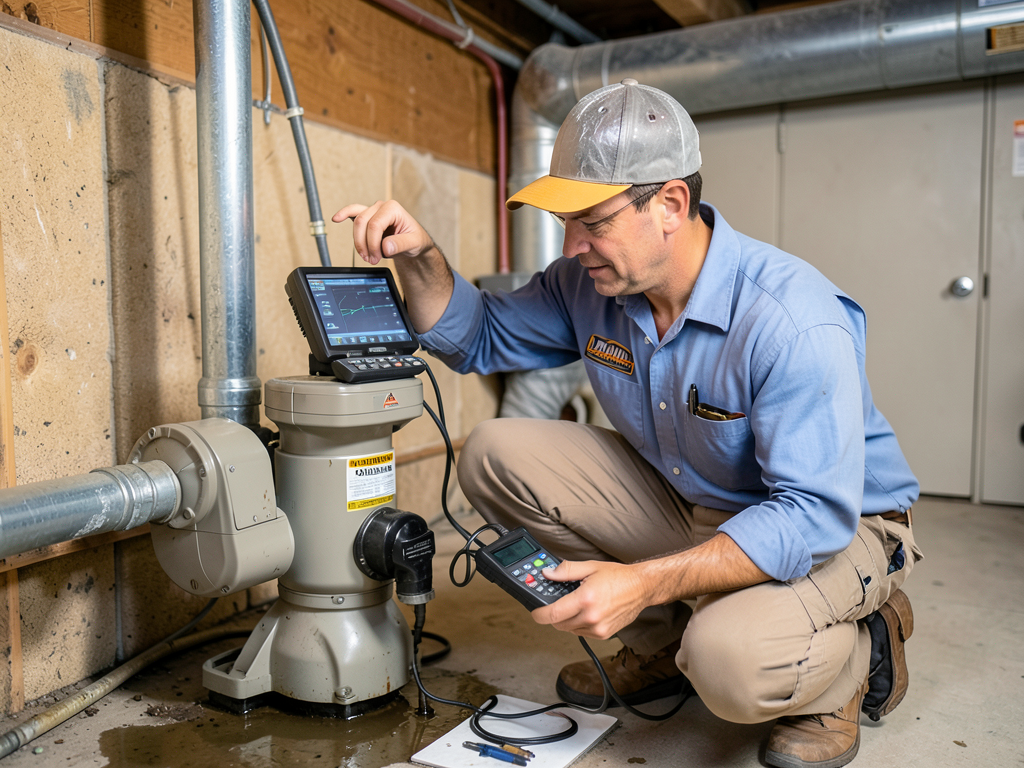
What to Do When Your Condensate Pump Starts Leaking in Your Lauraville Basement
A puddle forming around your HVAC unit in the basement is never a good sign. In Lauraville’s older homes, a condensate pump leak can quickly turn from a minor drip into major water damage. This guide walks you through what to do right now, what causes the leak, and when you need a Baltimore HVAC professional to stop the flooding before mold takes hold.
Immediate Triage: Stop the Leak Before It Spreads
Before you do anything else, turn off your HVAC system at the thermostat. A running system keeps pumping water even while it’s leaking. Next, locate the condensate pump—usually a small plastic box near your air handler or furnace.
Place towels or a shallow pan under the pump to catch dripping water. If you see a lot of standing water, use a wet-dry vacuum to remove it. Check the PVC drain line connected to the pump for visible cracks or loose fittings. A quick visual inspection can tell you if the problem is a simple loose connection or something more serious inside the pump itself.
Warning: If you see water near electrical components or if the leak is severe, do not touch anything. Call a professional immediately. Water and electricity create a serious hazard.
Common Causes of a Condensate Pump Leak
Understanding why your pump is leaking helps you decide whether it’s a DIY fix or time to call a pro. Here are the most frequent culprits in Baltimore basements:
- Clogged Drain Line
Algae, mold, and mineral buildup can block the narrow PVC line. When water can’t flow out, it backs up and overflows the pump reservoir.
- Cracked Reservoir
Plastic reservoirs can crack from age, freezing, or physical impact. Even a hairline fracture can leak steadily.
- Failed Check Valve
The check valve prevents water from flowing back into the pump after it discharges. If it fails, water cycles back and causes overflow.
- Stuck Float Switch
The float switch turns the pump on when water rises. If it’s jammed with sludge or debris, the pump won’t activate and the reservoir will overflow.
- Worn Seals or Gaskets
Over time, rubber seals degrade. A failed seal between the motor and reservoir housing can cause steady leaks.
DIY vs. Professional Repair: What You Can Handle
Some condensate pump issues are simple fixes. Others require professional tools and knowledge. Use this table to decide your next step:
| DIY Task | Professional Task | Estimated Time |
|---|---|---|
| Cleaning the reservoir with vinegar solution | Replacing the entire pump assembly | 15 minutes vs 1-2 hours |
| Flushing the drain line with warm water | Testing and replacing the check valve | 10 minutes vs 45 minutes |
| Checking and tightening fittings | Diagnosing electrical float switch problems | 5 minutes vs 30 minutes |
If you’ve cleaned the system and the leak persists, or if you notice the pump running constantly without pumping water, it’s time to call a Baltimore HVAC technician. Continuing to run a failing pump can damage your HVAC system and lead to expensive repairs. EPA mold prevention guidelines.
The Baltimore Factor: Why Our Humidity Kills Pumps
Baltimore’s climate creates unique challenges for condensate pumps. Our summer humidity often exceeds 85%, meaning your air conditioner extracts significantly more water than systems in drier climates. A standard residential AC can produce 5-20 gallons of condensate per day during peak summer months.
In older Lauraville homes with basements, this constant moisture flow stresses pumps that were designed for lighter use. The combination of high humidity and warm temperatures also accelerates algae and bacterial growth inside drain lines. This biological buildup is the leading cause of clogs in our area.
Additionally, many Lauraville homes sit on clay-heavy soil that doesn’t drain well. When the ground around your foundation stays saturated, it increases the humidity in your basement, making your AC work harder and your pump run more frequently.
Step-by-Step Cleaning Instructions for Your Pump Reservoir
If you decide to clean your condensate pump, follow these steps carefully. Always turn off power to your HVAC system at the breaker before starting.
- Disconnect the PVC drain line from the pump outlet
- Remove the pump reservoir lid (usually twists or lifts off)
- Pour out any standing water
- Mix equal parts white vinegar and warm water
- Scrub the reservoir with a soft brush to remove slime and buildup
- Rinse thoroughly with clean water
- Clean the drain line by pouring the vinegar solution through it
- Let everything dry completely before reassembling
- Reconnect the drain line and restore power
After cleaning, monitor the system for 24 hours. If you notice the pump running continuously or leaking again, the problem likely requires professional diagnosis.
When to Call a Baltimore HVAC Professional
Some situations demand immediate professional attention. Call (443) 390-4933 if you experience any of these:
- Water leaking near electrical components or your furnace
- Constant pump operation without water discharge
- Cracks in the pump housing or reservoir
- Water damage to walls, flooring, or stored items
- Musty odors indicating mold growth
- System age exceeding 5-7 years (standard pump lifespan)
Professional technicians can test pump amperage draw, check for proper float switch operation, and verify that your system meets Baltimore City mechanical code requirements. They also carry replacement parts to fix most issues in a single visit.
Preventing Future Leaks in Your Lauraville Basement
Prevention is always cheaper than emergency repairs. Here are maintenance steps that can extend your pump’s life and prevent leaks: How to Get Emergency AC Repair in Canton When Your System Fails in a Heatwave.
Install condensate pan tablets every 3 months during cooling season. These chlorine-based tablets prevent algae growth in the reservoir and drain line. They cost about $10 for a 6-month supply and can prevent 90% of clogs.
Check the drain line monthly during summer. Pour a cup of vinegar through the line to dissolve minor buildup before it becomes a blockage. Look for water stains around the pump that might indicate a slow leak.
Consider installing a secondary drain pan under your entire HVAC unit. This provides overflow protection if your primary pump fails. Many Baltimore building codes now require this for basement installations.
Schedule annual HVAC maintenance with a NATE-certified technician who can test your pump’s performance and catch problems before they cause damage. NATE certification standards.
Secondary Damage Prevention: Mold and Flooring Protection
A leaking condensate pump doesn’t just create a mess—it creates the perfect environment for mold growth. In Baltimore’s humid climate, mold can begin growing on damp surfaces within 24-48 hours.
If your pump has been leaking for more than a day, check for these warning signs:
- Musty odors that persist after cleaning up water
- Dark spots on walls or flooring near the HVAC unit
- Increased allergy symptoms when in the basement
- Peeling paint or bubbling wallpaper
Basement flooring in older Lauraville homes is particularly vulnerable. Many homes have original hardwood or laminate flooring that water can quickly damage. If you notice warping, discoloration, or soft spots in your flooring near the HVAC unit, the leak has likely caused structural damage that needs immediate attention.
Professional water damage restoration may be necessary if mold has spread beyond the immediate leak area. This is especially important in homes with young children, elderly residents, or family members with respiratory conditions.
Cost Considerations for Lauraville Homeowners
Understanding potential costs helps you budget for repairs. A basic condensate pump cleaning service typically costs $75-150. Replacement pumps range from $150-400 for standard residential units, with labor adding another $100-200. Adding Central Air to Your Hampden Rowhome Without Ruining the Character.
More complex repairs like replacing check valves or float switches cost $200-350. If water damage requires mold remediation or flooring replacement, costs can escalate quickly to $1,000-5,000 depending on the extent of damage.
Many Baltimore homeowners find that investing in a quality pump with a 5-year warranty saves money long-term compared to repeatedly fixing cheap units that fail after 1-2 years.
Frequently Asked Questions
How long should a condensate pump last in Baltimore?
Most condensate pumps last 3-5 years in our humid climate. Pumps in continuously damp basements may fail sooner. Annual maintenance can extend lifespan by 1-2 years.
Can I run my AC if the condensate pump is leaking?
Only if the leak is minor and you’ve contained the water. A severe leak can cause electrical hazards and water damage. When in doubt, turn off the system and call a professional.
What does it mean if my pump runs constantly?
Constant operation usually indicates a stuck float switch, failed check valve, or pump that can’t overcome line pressure. This requires professional diagnosis as it can burn out the motor.
Are condensate pump leaks covered by homeowners insurance?
Most policies cover sudden, accidental water damage but not damage from lack of maintenance. A pump that fails from normal wear typically isn’t covered, but resulting water damage might be if it’s sudden.
How can I tell if my pump is the original from when my house was built?
Check for rust, discoloration, or a manufacturing date on the pump housing. Pumps over 10 years old in Baltimore homes are likely original equipment and should be replaced preventively.
Take Action Before Your Basement Floods
A leaking condensate pump is more than an inconvenience—it’s a ticking time bomb for water damage in your Lauraville basement. The humid Baltimore summers put extra stress on these systems, and waiting to address the problem only increases repair costs.
If you’ve tried the basic troubleshooting steps and your pump is still leaking, don’t wait for a major flood. Call (443) 390-4933 today to schedule your inspection. Our NATE-certified technicians serve Lauraville and all of Baltimore, providing fast, reliable service to stop leaks before they cause thousands in damage.
Pick up the phone and call (443) 390-4933 before the next storm hits. Your basement—and your wallet—will thank you.
{
“@context”: “https://schema.org”,
“@type”: “BlogPosting”,
“headline”: “What to Do When Your Condensate Pump Starts Leaking in Your Lauraville Basement”,
“description”: “A leaking condensate pump can flood your Lauraville basement fast. Learn the causes, DIY fixes, and when to call a Baltimore HVAC pro before water damage spreads.”,
“wordCount”: 1638,
“datePublished”: “2026-05-13T12:28:00.000Z”,
“dateModified”: “2026-05-13T12:28:00.000Z”,
“inLanguage”: “en-US”,
“mainEntityOfPage”: {
“@type”: “WebPage”,
“@id”: “https://victoryhvacbaltimore.com”
},
“publisher”: {
“@type”: “LocalBusiness”,
“name”: “Victory HVAC Baltimore”,
“url”: “https://victoryhvacbaltimore.com”
},
“author”: {
“@type”: “Organization”,
“name”: “Victory HVAC Baltimore”,
“url”: “https://victoryhvacbaltimore.com”
},
“image”: {
“@type”: “ImageObject”,
“url”: “https://victoryhvacbaltimore.com/wp-content/uploads/2026/03/what-to-do-when-your-condensate-pump-starts-leakin-1.png”
}
}
{
“@context”: “https://schema.org”,
“@type”: “HVACBusiness”,
“name”: “Victory HVAC Baltimore”,
“url”: “https://victoryhvacbaltimore.com”,
“address”: {
“@type”: “PostalAddress”,
“addressLocality”: “Baltimore”
},
“areaServed”: {
“@type”: “City”,
“name”: “Baltimore”
}
}
{
“@context”: “https://schema.org”,
“@type”: “FAQPage”,
“mainEntity”: [
{
“@type”: “Question”,
“name”: “How long should a condensate pump last in Baltimore?”,
“acceptedAnswer”: {
“@type”: “Answer”,
“text”: “Most condensate pumps last 3-5 years in our humid climate. Pumps in continuously damp basements may fail sooner. Annual maintenance can extend lifespan by 1-2 years.”
}
},
{
“@type”: “Question”,
“name”: “Can I run my AC if the condensate pump is leaking?”,
“acceptedAnswer”: {
“@type”: “Answer”,
“text”: “Only if the leak is minor and you’ve contained the water. A severe leak can cause electrical hazards and water damage. When in doubt, turn off the system and call a professional.”
}
},
{
“@type”: “Question”,
“name”: “What does it mean if my pump runs constantly?”,
“acceptedAnswer”: {
“@type”: “Answer”,
“text”: “Constant operation usually indicates a stuck float switch, failed check valve, or pump that can’t overcome line pressure. This requires professional diagnosis as it can burn out the motor.”
}
},
{
“@type”: “Question”,
“name”: “Are condensate pump leaks covered by homeowners insurance?”,
“acceptedAnswer”: {
“@type”: “Answer”,
“text”: “Most policies cover sudden, accidental water damage but not damage from lack of maintenance. A pump that fails from normal wear typically isn’t covered, but resulting water damage might be if it’s sudden.”
}
},
{
“@type”: “Question”,
“name”: “How can I tell if my pump is the original from when my house was built?”,
“acceptedAnswer”: {
“@type”: “Answer”,
“text”: “Check for rust, discoloration, or a manufacturing date on the pump housing. Pumps over 10 years old in Baltimore homes are likely original equipment and should be replaced preventively.”
}
}
]
}
{
“@context”: “https://schema.org”,
“@type”: “HowTo”,
“name”: “Diagnosing Condensate Pump Leaks”,
“step”: [
{
“@type”: “HowToStep”,
“position”: 1,
“name”: “Clogged Drain Line”,
“text”: “Algae, mold, and mineral buildup can block the narrow PVC line. When water can’t flow out, it backs up and overflows the pump reservoir.”
},
{
“@type”: “HowToStep”,
“position”: 2,
“name”: “Cracked Reservoir”,
“text”: “Plastic reservoirs can crack from age, freezing, or physical impact. Even a hairline fracture can leak steadily.”
},
{
“@type”: “HowToStep”,
“position”: 3,
“name”: “Failed Check Valve”,
“text”: “The check valve prevents water from flowing back into the pump after it discharges. If it fails, water cycles back and causes overflow.”
},
{
“@type”: “HowToStep”,
“position”: 4,
“name”: “Stuck Float Switch”,
“text”: “The float switch turns the pump on when water rises. If it’s jammed with sludge or debris, the pump won’t activate and the reservoir will overflow.”
},
{
“@type”: “HowToStep”,
“position”: 5,
“name”: “Worn Seals or Gaskets”,
“text”: “Over time, rubber seals degrade. A failed seal between the motor and reservoir housing can cause steady leaks.”
}
],
“image”: “https://victoryhvacbaltimore.com/wp-content/uploads/2026/03/what-to-do-when-your-condensate-pump-starts-leakin-1.png”
}
{
“@context”: “https://schema.org”,
“@type”: “BreadcrumbList”,
“itemListElement”: [
{
“@type”: “ListItem”,
“position”: 1,
“name”: “Home”,
“item”: “https://victoryhvacbaltimore.com”
},
{
“@type”: “ListItem”,
“position”: 2,
“name”: “Blog”,
“item”: “https://victoryhvacbaltimore.com/blog”
},
{
“@type”: “ListItem”,
“position”: 3,
“name”: “What to Do When Your Condensate Pump Starts Leaking in Your Lauraville Basement”
}
]
}
{
“@context”: “https://schema.org”,
“@type”: “Service”,
“serviceType”: “HVAC”,
“provider”: {
“@type”: “LocalBusiness”,
“name”: “Victory HVAC Baltimore”,
“url”: “https://victoryhvacbaltimore.com”
},
“areaServed”: {
“@type”: “City”,
“name”: “Baltimore”
},
“description”: “A leaking condensate pump can flood your Lauraville basement fast. Learn the causes, DIY fixes, and when to call a Baltimore HVAC pro before water damage spreads.”
}