
The Best Time to Switch Your Guilford Home from Heating to Cooling Mode
When should you flip that thermostat switch in your Guilford home? The answer depends on more than just the weather forecast. Guilford’s historic homes with their high ceilings and large windows create unique temperature patterns that make this seasonal transition trickier than in newer developments.
The optimal window for switching from heating to cooling in Guilford typically falls between mid-April and early May. This timing allows your system to handle Baltimore’s unpredictable spring weather without putting unnecessary strain on either your furnace or air conditioner. Wait too long and you risk overheating your home during unexpected warm spells. Switch too early and you might face a late-season cold snap that could freeze unprotected pipes.
Guilford’s mature tree canopy creates microclimates that affect when your home actually needs cooling. Homes on tree-lined streets often stay cooler longer than those with western exposure and no shade. The large, historic windows common in Guilford properties also play a role. Single-pane glass can make rooms feel much warmer than the actual air temperature, especially in afternoon sun.
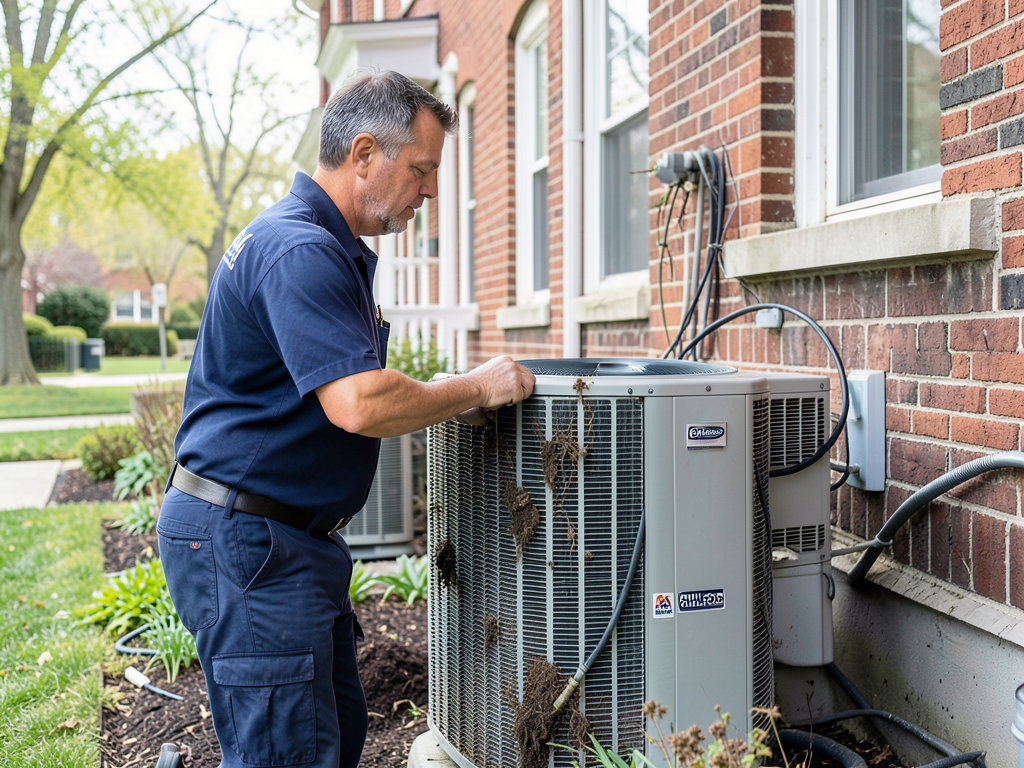
Before making the switch, check your outdoor unit for winter debris. Leaves, twigs, and even animal nests can restrict airflow and reduce efficiency when you first start your AC. A quick visual inspection can prevent the most common springtime service calls we receive in Baltimore.
Call (443) 390-4933 today to schedule your seasonal HVAC inspection before the summer rush hits.
Understanding Guilford’s Unique Climate Challenges
Guilford sits in a weather pocket that can differ from surrounding Baltimore neighborhoods by several degrees. The area’s elevation changes and proximity to Wyman Park create localized temperature variations that affect when your home actually needs cooling versus heating.
April temperatures in Guilford typically range from 45°F to 68°F, but these averages mask significant day-to-night swings. A 70°F afternoon can quickly drop to 45°F after sunset. This volatility makes timing your system switch critical for both comfort and energy efficiency.
The historic architecture in Guilford adds another layer of complexity. Many homes were built before air conditioning existed, with designs that assumed natural ventilation would handle summer heat. These same features can make modern cooling systems work harder than necessary.
IMAGE_PLACEHOLDER_1 Diagram showing how Guilford’s mature tree canopy creates cooler microclimates compared to nearby exposed areas
Warning Signs Your Home Is Ready for Cooling Mode
Your home will tell you when it’s ready for air conditioning. Here are the specific indicators to watch for in Guilford properties:
- Indoor temperatures consistently above 75°F during daytime hours
- Humidity levels exceeding 60% inside your home
- Nighttime temperatures staying above 60°F for three consecutive nights
- Multiple days with temperatures above 70°F forecasted
Pay special attention to humidity. Guilford’s proximity to water bodies means spring often brings muggy conditions that make 70°F feel like 80°F. Your body’s cooling mechanism becomes less effective when relative humidity exceeds 60%, making air conditioning necessary even at moderate temperatures.
Historic Guilford homes often have poor insulation by modern standards. This means they heat up faster during warm spells but also cool down quickly when temperatures drop. Monitor both temperature and humidity levels before making your switch.
Pre-Switch Maintenance Checklist
Before activating your cooling system, perform these critical checks specific to Guilford’s older homes:
- Thermostat Calibration
Verify your thermostat reads accurately by comparing it with a separate thermometer. Older homes often have thermostat locations affected by drafts or direct sunlight.
- Filter Inspection
Replace or clean your air filter. Guilford’s tree-lined streets mean more pollen and debris can enter your system during spring.
- Outdoor Unit Clearance
Clear at least two feet of space around your condenser. Winter storms may have pushed debris against the unit.
- Condensate Drain Check
Ensure the drain line is clear. Baltimore’s high spring pollen can clog these lines quickly in historic homes.
Many Guilford homeowners forget about the condensate drain until water appears where it shouldn’t. These drains can back up when you first start your AC after months of dormancy, especially in homes with complex drainage systems.
Energy Efficiency Considerations for Guilford Homes
Switching at the right time can save you significant money on energy bills. Guilford’s large, historic homes often have higher cooling costs than newer constructions, making timing even more critical.
The sweet spot for energy efficiency occurs when outdoor temperatures consistently stay between 65°F and 75°F. During this range, your AC operates at peak efficiency while your home actually needs cooling. Outside this range, you either waste energy or sacrifice comfort.
Consider these energy factors specific to Guilford properties:
| Factor | Impact on Timing | Guilford-Specific Consideration |
|---|---|---|
| Window Type | Single-pane windows heat up faster | Many Guilford homes still have original windows |
| Tree Coverage | Reduces cooling needs by 10-30% | Guilford’s mature canopy provides significant shade |
| Insulation Quality | Poor insulation increases cooling load | Historic construction often lacks modern insulation |
| Humidity Levels | High humidity increases cooling demand | Baltimore’s spring brings elevated moisture levels |
Energy Star recommends setting your thermostat to 78°F when you’re home and active. This temperature provides good comfort while maximizing efficiency. For Guilford’s larger homes, even a one-degree adjustment can significantly impact your monthly bill.
The Department of Energy reports that proper thermostat timing can reduce cooling costs by up to 10% annually.
Common Mistakes Guilford Homeowners Make
Based on years of service calls in Guilford, here are the most frequent errors homeowners make when switching from heating to cooling:
Switching Based on Calendar Date. April 15th isn’t a magic number. Your home’s specific characteristics determine the right timing, not the date on the calendar.
Ignoring Humidity Levels. Many Guilford residents focus only on temperature. High humidity makes your home feel warmer than the actual air temperature, often necessitating cooling earlier than temperature alone would suggest.
Neglecting Pre-Season Maintenance. The most common service call we receive in May involves systems that wouldn’t start after sitting idle all winter. A simple inspection could prevent this inconvenience.
Setting Thermostat Too Low Initially. When you first switch to cooling, resist the urge to set your thermostat to 65°F. This won’t cool your home faster and will only waste energy once the desired temperature is reached.
Blocking Return Air Vents. Guilford’s historic homes often have furniture arrangements that inadvertently block airflow. Check all return vents before switching to cooling mode.
Special Considerations for Historic Guilford Properties
Guilford’s historic district status means many homes have architectural features that affect cooling decisions. Original windows, high ceilings, and complex floor plans all play a role in determining the optimal switch time.
High ceilings, while beautiful, mean your home’s air volume is much greater than in modern constructions. This requires more cooling capacity and affects how quickly your home responds to temperature changes. A room that feels comfortable at 75°F might actually be 80°F at ceiling level.
Original windows in Guilford homes often lack modern weatherstripping. This creates air exchange that can either help or hinder your cooling efforts depending on outdoor conditions. On breezy spring days, natural ventilation might eliminate the need for mechanical cooling entirely.
Many Guilford properties have additions or modifications that create cooling challenges. A sunroom added decades after the original construction might need cooling while the main house still requires heating. Consider zoning options if your home has these mixed-use areas.
IMAGE_PLACEHOLDER_2 Technician inspecting a historic Guilford home’s original ductwork for spring cleaning and efficiency assessment
Weather Pattern Analysis for Baltimore’s Shoulder Season
Baltimore’s spring weather follows predictable patterns that can help you time your switch more accurately. Understanding these patterns specific to the Guilford area can prevent premature or delayed system changes.
April typically brings three to five days above 75°F, often clustered together. These warm spells are frequently followed by cooler periods as cold fronts move through. The key is recognizing when warm days outnumber cool days consistently.
May sees more stable warming patterns, with average highs reaching the low 70s by month’s end. However, Guilford’s proximity to wooded areas and elevation changes can create localized variations from these regional averages.
Watch for these specific weather indicators before switching:
- Three consecutive days with high temperatures above 70°F
- Nighttime lows consistently above 55°F
- Humidity levels staying above 50% for multiple days
- Absence of frost warnings in the 7-day forecast
Local weather stations near Johns Hopkins University often provide the most accurate forecasts for Guilford specifically, as they’re positioned to capture the area’s unique microclimate.
Cost-Benefit Analysis of Timing Your Switch
Switching at the optimal time versus too early or too late can impact your energy bills significantly. For a typical Guilford home, the difference can amount to $100-300 over the cooling season.
Switching too early means running your AC when outdoor temperatures are still cool enough for natural ventilation. This wastes energy and puts unnecessary wear on your system. Each hour of unnecessary cooling costs approximately 30-50 cents in electricity, depending on your system’s efficiency.
Switching too late can lead to discomfort and potential health issues from excessive heat and humidity. Maryland’s spring humidity can create indoor conditions conducive to mold growth when temperatures stay above 75°F for extended periods.
The ideal scenario balances these factors. Monitor both temperature and humidity levels, and be prepared to adjust your timeline based on your home’s specific response to spring weather patterns.
Consider this simplified cost analysis for a typical Guilford home:
| Scenario | Potential Monthly Cost | Comfort Impact | System Wear |
|---|---|---|---|
| Optimal Timing | $150-200 | High | Minimal |
| Too Early | $180-220 | Overcooled | Moderate |
| Too Late | $160-210 | Uncomfortable | High |
Smart Technology Integration for Better Timing
Modern smart thermostats can take much of the guesswork out of timing your switch. These devices learn your home’s patterns and can automatically adjust based on both weather forecasts and your comfort preferences.
For Guilford’s historic homes, smart thermostats offer particular advantages. They can account for the thermal mass of older construction, learning how long it takes your specific home to cool down or heat up. This prevents the overshooting that often occurs with manual adjustments.
Geofencing features allow your system to prepare your home for your arrival. If you’re returning to Guilford from a cooler location, your system can begin cooling before you walk in the door, ensuring comfort without unnecessary runtime.
Many smart thermostats also provide energy usage reports that help you understand the financial impact of your timing decisions. These insights can guide future decisions about when to switch between heating and cooling modes.
EPA Energy Star guidelines recommend smart thermostats for homes where cooling represents more than 20% of annual energy usage.
Emergency Situations and Quick Switches
Sometimes circumstances force an immediate switch from heating to cooling. Guilford’s unpredictable spring weather can bring heat waves that make waiting impractical. Here’s how to handle emergency switches safely. How to Get Emergency AC Repair in Canton When Your System Fails in a Heatwave.
First, never switch directly from heating to cooling without a cool-down period. Running both systems simultaneously, even briefly, can damage components. Allow at least 24 hours between switching modes if possible.
If you must switch during an unexpected heat wave, check these items first:
- Ensure all heating system components are fully off
- Verify outdoor temperature is at least 10°F above your heating set point
- Check that condensate drains are clear and ready for increased moisture
- Confirm your air filter is clean and ready for increased airflow
Emergency switches often reveal underlying maintenance issues. If your system struggles after an emergency switch, it may have been overdue for service anyway. Don’t ignore these warning signs.
Keep emergency contact information handy. Call (443) 390-4933 immediately if your system fails during an unexpected heat wave.
Frequently Asked Questions
When is the absolute latest I should switch from heating to cooling in Guilford?
Most years, mid-May represents the latest practical date for switching. By this time, overnight lows typically stay above 55°F, and daytime highs frequently reach the 70s. Waiting beyond this point risks discomfort during Baltimore’s increasingly warm spring weather.
Can I switch back and forth between heating and cooling as weather changes?
Yes, but limit mode changes to no more than once per week. Frequent switching can stress system components. During volatile spring weather, consider using fans or natural ventilation instead of repeatedly changing your system’s mode.
How do I know if my historic Guilford home needs a system upgrade before switching to cooling?
Signs include uneven cooling, excessive humidity, high energy bills, or a system that’s more than 15 years old. Many Guilford homes benefit from modern high-efficiency systems designed to handle the specific challenges of historic construction.
What’s the most energy-efficient temperature to set my thermostat when I first switch to cooling?
Start with 76-78°F and adjust based on comfort. Setting it lower won’t cool your home faster but will increase energy usage once the target temperature is reached. Allow your home to gradually adjust to cooling mode.
Do I need professional maintenance every year before switching to cooling?
While not legally required, annual maintenance prevents 80% of midsummer breakdowns. For Guilford’s older homes with potentially complex systems, professional inspection ensures all components are ready for the increased workload of summer cooling.
Making Your Final Decision
Deciding when to switch your Guilford home from heating to cooling mode ultimately comes down to monitoring your specific conditions rather than following a universal date. Your home’s unique characteristics, combined with Baltimore’s variable spring weather, create a decision that’s both personal and practical.
Start monitoring conditions in early April. Track indoor and outdoor temperatures, humidity levels, and your personal comfort. When you consistently experience two or more of the warning signs mentioned earlier, you’re likely ready for the switch.
Remember that timing affects more than just comfort. It impacts your energy bills, your system’s longevity, and even your home’s indoor air quality. A well-timed switch can prevent mold growth, reduce energy costs, and extend your HVAC system’s life by years.
For most Guilford homes in 2026, the optimal switch window falls between April 15th and May 1st, but your specific situation may vary. Trust your observations, and don’t hesitate to call for professional advice if you’re unsure.
Ready to make the switch or need professional guidance? Call (443) 390-4933 today to schedule your seasonal HVAC inspection. Our experienced technicians understand Guilford’s unique challenges and can ensure your system transitions smoothly from heating to cooling mode.
Don’t wait until the first heat wave hits. Early preparation prevents the emergency calls that fill our schedule every May. Let us help you make this seasonal transition as efficient and comfortable as possible.
{
“@context”: “https://schema.org”,
“@type”: “BlogPosting”,
“headline”: “The Best Time to Switch Your Guilford Home from Heating to Cooling Mode”,
“description”: “Learn when to switch from heating to cooling in Guilford homes. Get expert timing tips for Baltimore’s shoulder seasons to protect your HVAC system and save energy.”,
“wordCount”: 2409,
“datePublished”: “2026-05-30T06:08:00.000Z”,
“dateModified”: “2026-05-30T06:08:00.000Z”,
“inLanguage”: “en-US”,
“mainEntityOfPage”: {
“@type”: “WebPage”,
“@id”: “https://victoryhvacbaltimore.com”
},
“publisher”: {
“@type”: “LocalBusiness”,
“name”: “Victory HVAC Baltimore”,
“url”: “https://victoryhvacbaltimore.com”
},
“author”: {
“@type”: “Organization”,
“name”: “Victory HVAC Baltimore”,
“url”: “https://victoryhvacbaltimore.com”
},
“image”: {
“@type”: “ImageObject”,
“url”: “https://victoryhvacbaltimore.com/wp-content/uploads/2026/03/the-best-time-to-switch-your-guilford-home-from-he-1.png”
}
}
{
“@context”: “https://schema.org”,
“@type”: “HVACBusiness”,
“name”: “Victory HVAC Baltimore”,
“url”: “https://victoryhvacbaltimore.com”,
“address”: {
“@type”: “PostalAddress”,
“addressLocality”: “Baltimore”
},
“areaServed”: {
“@type”: “City”,
“name”: “Baltimore”
}
}
{
“@context”: “https://schema.org”,
“@type”: “FAQPage”,
“mainEntity”: [
{
“@type”: “Question”,
“name”: “When is the absolute latest I should switch from heating to cooling in Guilford?”,
“acceptedAnswer”: {
“@type”: “Answer”,
“text”: “Most years, mid-May represents the latest practical date for switching. By this time, overnight lows typically stay above 55°F, and daytime highs frequently reach the 70s. Waiting beyond this point risks discomfort during Baltimore’s increasingly warm spring weather.”
}
},
{
“@type”: “Question”,
“name”: “Can I switch back and forth between heating and cooling as weather changes?”,
“acceptedAnswer”: {
“@type”: “Answer”,
“text”: “Yes, but limit mode changes to no more than once per week. Frequent switching can stress system components. During volatile spring weather, consider using fans or natural ventilation instead of repeatedly changing your system’s mode.”
}
},
{
“@type”: “Question”,
“name”: “How do I know if my historic Guilford home needs a system upgrade before switching to cooling?”,
“acceptedAnswer”: {
“@type”: “Answer”,
“text”: “Signs include uneven cooling, excessive humidity, high energy bills, or a system that’s more than 15 years old. Many Guilford homes benefit from modern high-efficiency systems designed to handle the specific challenges of historic construction.”
}
},
{
“@type”: “Question”,
“name”: “Do I need professional maintenance every year before switching to cooling?”,
“acceptedAnswer”: {
“@type”: “Answer”,
“text”: “While not legally required, annual maintenance prevents 80% of midsummer breakdowns. For Guilford’s older homes with potentially complex systems, professional inspection ensures all components are ready for the increased workload of summer cooling.”
}
}
]
}
{
“@context”: “https://schema.org”,
“@type”: “HowTo”,
“name”: “Pre-Switch HVAC Maintenance”,
“step”: [
{
“@type”: “HowToStep”,
“position”: 1,
“name”: “Thermostat Calibration”,
“text”: “Verify your thermostat reads accurately by comparing it with a separate thermometer. Older homes often have thermostat locations affected by drafts or direct sunlight.”
},
{
“@type”: “HowToStep”,
“position”: 2,
“name”: “Filter Inspection”,
“text”: “Replace or clean your air filter. Guilford’s tree-lined streets mean more pollen and debris can enter your system during spring.”
},
{
“@type”: “HowToStep”,
“position”: 3,
“name”: “Outdoor Unit Clearance”,
“text”: “Clear at least two feet of space around your condenser. Winter storms may have pushed debris against the unit.”
},
{
“@type”: “HowToStep”,
“position”: 4,
“name”: “Condensate Drain Check”,
“text”: “Ensure the drain line is clear. Baltimore’s high spring pollen can clog these lines quickly in historic homes.”
}
],
“image”: “https://victoryhvacbaltimore.com/wp-content/uploads/2026/03/the-best-time-to-switch-your-guilford-home-from-he-1.png”
}
{
“@context”: “https://schema.org”,
“@type”: “BreadcrumbList”,
“itemListElement”: [
{
“@type”: “ListItem”,
“position”: 1,
“name”: “Home”,
“item”: “https://victoryhvacbaltimore.com”
},
{
“@type”: “ListItem”,
“position”: 2,
“name”: “Blog”,
“item”: “https://victoryhvacbaltimore.com/blog”
},
{
“@type”: “ListItem”,
“position”: 3,
“name”: “The Best Time to Switch Your Guilford Home from Heating to Cooling Mode”
}
]
}
{
“@context”: “https://schema.org”,
“@type”: “Service”,
“serviceType”: “HVAC”,
“provider”: {
“@type”: “LocalBusiness”,
“name”: “Victory HVAC Baltimore”,
“url”: “https://victoryhvacbaltimore.com”
},
“areaServed”: {
“@type”: “City”,
“name”: “Baltimore”
},
“description”: “Learn when to switch from heating to cooling in Guilford homes. Get expert timing tips for Baltimore’s shoulder seasons to protect your HVAC system and save energy.”
}