
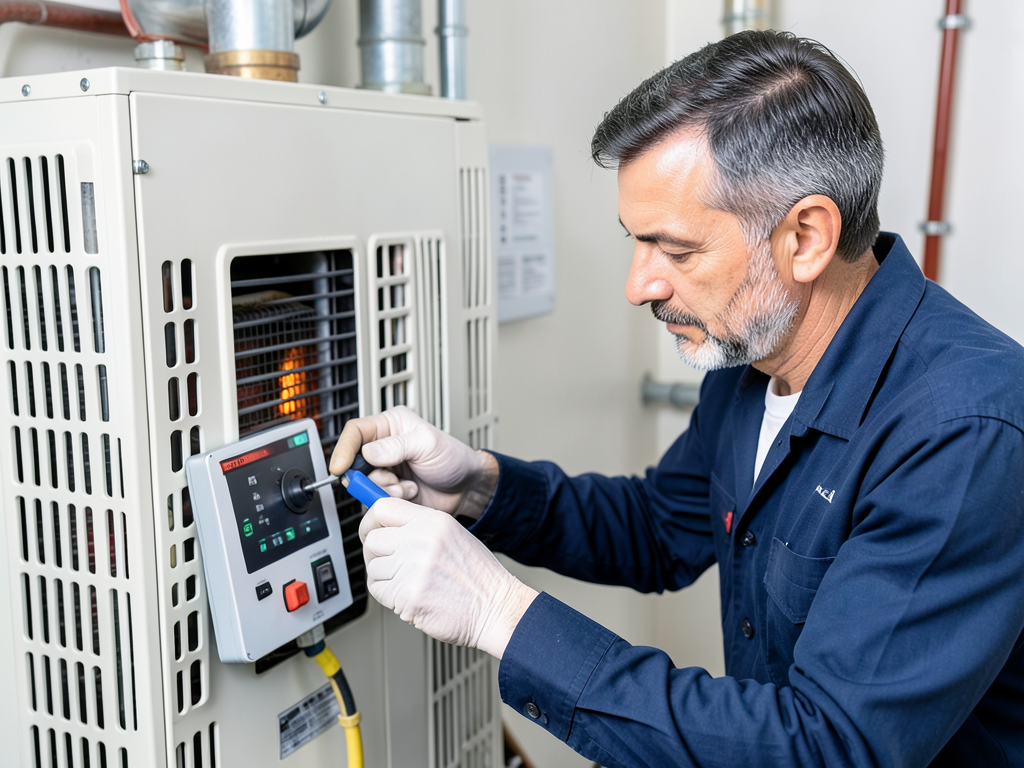
Why Your Arbutus Furnace Is Blowing Cold Air Instead of Heat
Your furnace clicks on but only cold air comes out. The house feels like a refrigerator. You check the thermostat again and again but nothing changes. This is one of the most common heating emergencies in Arbutus during Maryland winters. Before you call for emergency repair here are the most likely causes and what you can check yourself. EPA carbon monoxide safety guidelines.
Immediate Safety First: Carbon Monoxide and Gas Leaks
Gas furnaces produce heat by burning fuel. If something goes wrong dangerous gases including carbon monoxide can leak into your home. If you smell gas hear a loud boom or see a yellow flame instead of blue shut off the system immediately at the emergency switch. Open windows and leave the house. Call your gas company and then call a licensed HVAC technician. Never ignore warning signs like soot around vents or a constantly flickering pilot light. How to Get Emergency AC Repair in Canton When Your System Fails in a Heatwave.
5 Quick DIY Fixes to Check Before Calling a Pro
Before assuming the worst check these simple items. Many cold air problems have quick fixes that cost nothing.
- Thermostat Settings
Make sure the fan switch is set to “Auto” not “On”. When set to “On” the blower runs constantly even when the burners are off sending cold air through the vents.
- Air Filter
A clogged filter blocks airflow causing the system to overheat and shut down the burners. Replace the filter if it looks dirty or hasn’t been changed in more than 90 days.
- Pilot Light
If you have an older furnace with a standing pilot light make sure it’s lit. If the flame is out follow the manufacturer’s relighting instructions or call a pro. A yellow or flickering flame means the burner needs adjustment.
- Circuit Breaker
Check your electrical panel. If the furnace breaker is tripped reset it once. If it trips again there may be an electrical problem inside the unit.
- Gas Valve
Make sure the gas supply valve near the furnace is fully open. If you’ve had work done nearby the valve may have been turned off and not reopened.
Complex Causes Requiring a Licensed Technician
If the quick checks don’t solve the problem the issue is likely mechanical. These problems require professional tools and training to diagnose and repair.
Faulty Flame Sensor
The flame sensor tells the control board that gas is burning safely. If it’s dirty or corroded the furnace will ignite then shut down within seconds thinking no flame is present. This creates a cycle of short heating bursts followed by cold air.
Blower Motor Failure
The blower motor moves heated air through your ducts. If it fails or runs too slowly the heat exchanger may overheat and shut down the burners. You might hear a humming sound or notice weak airflow from vents.
Control Board Issues
Modern furnaces use electronic control boards to sequence operations. A faulty board can prevent ignition or cause erratic cycling. Signs include blinking error codes on the unit’s diagnostic light.
Ductwork Leaks
Leaky ducts in unconditioned spaces like attics or crawl spaces pull in cold air and reduce heating efficiency. You may feel drafts near vents or notice uneven temperatures between rooms.
The Baltimore Winter Factor
Arbutus experiences Maryland’s characteristic freeze-thaw cycles where temperatures swing wildly in a single day. This puts stress on furnace components especially in older homes near the Patapsco River. Many Arbutus homes built before 1980 have original ductwork that develops gaps over decades. The humid summers followed by dry winters also cause metal parts to expand and contract leading to cracks in heat exchangers.
BGE service interruptions during winter storms can cause gas pressure fluctuations that affect furnace ignition. If your neighbors lose heat during a cold snap your furnace may be experiencing the same supply issue. Always check local outage maps before assuming your system has failed.
Furnace Repair vs. Replacement Cost Analysis
Deciding whether to repair or replace depends on your furnace’s age efficiency and repair history. Maryland building code requires permits for gas line modifications and new furnace installations. A licensed contractor will pull these permits ensuring your system meets current safety standards.
Modern high-efficiency furnaces achieve 90 to 98 percent Annual Fuel Utilization Efficiency compared to 70 to 80 percent for units over 15 years old. The higher upfront cost often pays for itself through lower utility bills especially with BGE’s energy efficiency rebates for qualifying equipment.
Consider replacement if your furnace needs frequent repairs costs more than 500 dollars annually to maintain or is over 15 years old. New systems also include advanced safety features like automatic shutoff for carbon monoxide detection. Carbon Monoxide Leak Detection.
Emergency No Heat Service in Arbutus
When your furnace stops working during a Baltimore cold snap every minute matters. Emergency repair services in Arbutus typically respond within two hours for no heat calls. Technicians carry common replacement parts to complete most repairs in a single visit.
Many Arbutus homes have crawl space access which can delay repairs if the area is difficult to reach or contains pests. Clear access to your furnace before the technician arrives to speed up diagnosis and repair.
Ask about maintenance plans that include annual tune-ups. Regular maintenance catches small problems before they cause system failures and keeps your warranty valid. Most manufacturers require proof of annual maintenance for warranty claims.
If you’ve checked the basics and your furnace still blows cold air don’t wait for the problem to worsen. Call (443) 390-4933 today to schedule your inspection before the next storm hits.
Frequently Asked Questions
Why does my furnace start then stop blowing cold air?
This usually indicates a faulty flame sensor or limit switch. The system ignites but shuts down within seconds thinking it’s unsafe. A technician can clean or replace these components to restore normal operation.
How often should I replace my furnace filter?
Replace standard one-inch filters every 30 to 60 days. Thicker four-inch filters can last 6 to 12 months. Homes with pets or allergies may need more frequent changes. Set calendar reminders to maintain consistent airflow.
Can a dirty air filter cause my furnace to blow cold air?
Yes. A clogged filter restricts airflow causing the heat exchanger to overheat. The high-limit switch then shuts down the burners to prevent damage. Once cooled the system restarts but only cold air blows until the filter is replaced.
What does it mean if my furnace has a yellow flame?
A yellow flame indicates incomplete combustion often caused by dirty burners or a cracked heat exchanger. This produces carbon monoxide and reduces heating efficiency. Turn off the system and call a professional immediately.
How long should a furnace last in Baltimore’s climate?
Most furnaces last 15 to 20 years in Maryland. Harsh winters and humidity can shorten lifespan especially for units without regular maintenance. Annual tune-ups and timely repairs help maximize system longevity.
Still have questions? Call (443) 390-4933 to speak with a licensed HVAC technician who can diagnose your specific problem. For more information, visit Department of Energy furnace efficiency guide.
{
“@context”: “https://schema.org”,
“@type”: “BlogPosting”,
“headline”: “Why Your Arbutus Furnace Is Blowing Cold Air Instead of Heat”,
“description”: “Is your Arbutus furnace blowing cold air? Discover the 5 most common causes and when to call a licensed Baltimore HVAC technician for emergency repair.”,
“wordCount”: 1195,
“datePublished”: “2026-05-26T08:31:00.000Z”,
“dateModified”: “2026-05-26T08:31:00.000Z”,
“inLanguage”: “en-US”,
“mainEntityOfPage”: {
“@type”: “WebPage”,
“@id”: “https://victoryhvacbaltimore.com”
},
“publisher”: {
“@type”: “LocalBusiness”,
“name”: “Victory HVAC Baltimore”,
“url”: “https://victoryhvacbaltimore.com”
},
“author”: {
“@type”: “Organization”,
“name”: “Victory HVAC Baltimore”,
“url”: “https://victoryhvacbaltimore.com”
},
“image”: {
“@type”: “ImageObject”,
“url”: “https://victoryhvacbaltimore.com/wp-content/uploads/2026/03/why-your-arbutus-furnace-is-blowing-cold-air-inste-1.png”
}
}
{
“@context”: “https://schema.org”,
“@type”: “HVACBusiness”,
“name”: “Victory HVAC Baltimore”,
“url”: “https://victoryhvacbaltimore.com”,
“address”: {
“@type”: “PostalAddress”,
“addressLocality”: “Baltimore”
},
“areaServed”: {
“@type”: “City”,
“name”: “Baltimore”
}
}
{
“@context”: “https://schema.org”,
“@type”: “FAQPage”,
“mainEntity”: [
{
“@type”: “Question”,
“name”: “Why does my furnace start then stop blowing cold air?”,
“acceptedAnswer”: {
“@type”: “Answer”,
“text”: “This usually indicates a faulty flame sensor or limit switch. The system ignites but shuts down within seconds thinking it’s unsafe. A technician can clean or replace these components to restore normal operation.”
}
},
{
“@type”: “Question”,
“name”: “How often should I replace my furnace filter?”,
“acceptedAnswer”: {
“@type”: “Answer”,
“text”: “Replace standard one-inch filters every 30 to 60 days. Thicker four-inch filters can last 6 to 12 months. Homes with pets or allergies may need more frequent changes. Set calendar reminders to maintain consistent airflow.”
}
},
{
“@type”: “Question”,
“name”: “Can a dirty air filter cause my furnace to blow cold air?”,
“acceptedAnswer”: {
“@type”: “Answer”,
“text”: “Yes. A clogged filter restricts airflow causing the heat exchanger to overheat. The high-limit switch then shuts down the burners to prevent damage. Once cooled the system restarts but only cold air blows until the filter is replaced.”
}
},
{
“@type”: “Question”,
“name”: “What does it mean if my furnace has a yellow flame?”,
“acceptedAnswer”: {
“@type”: “Answer”,
“text”: “A yellow flame indicates incomplete combustion often caused by dirty burners or a cracked heat exchanger. This produces carbon monoxide and reduces heating efficiency. Turn off the system and call a professional immediately.”
}
},
{
“@type”: “Question”,
“name”: “How long should a furnace last in Baltimore’s climate?”,
“acceptedAnswer”: {
“@type”: “Answer”,
“text”: “Most furnaces last 15 to 20 years in Maryland. Harsh winters and humidity can shorten lifespan especially for units without regular maintenance. Annual tune-ups and timely repairs help maximize system longevity.”
}
}
]
}
{
“@context”: “https://schema.org”,
“@type”: “HowTo”,
“name”: “Quick DIY Furnace Checks”,
“step”: [
{
“@type”: “HowToStep”,
“position”: 1,
“name”: “Thermostat Settings”,
“text”: “Make sure the fan switch is set to \”Auto\” not \”On\”. When set to \”On\” the blower runs constantly even when the burners are off sending cold air through the vents.”
},
{
“@type”: “HowToStep”,
“position”: 2,
“name”: “Air Filter”,
“text”: “A clogged filter blocks airflow causing the system to overheat and shut down the burners. Replace the filter if it looks dirty or hasn’t been changed in more than 90 days.”
},
{
“@type”: “HowToStep”,
“position”: 3,
“name”: “Pilot Light”,
“text”: “If you have an older furnace with a standing pilot light make sure it’s lit. If the flame is out follow the manufacturer’s relighting instructions or call a pro. A yellow or flickering flame means the burner needs adjustment.”
},
{
“@type”: “HowToStep”,
“position”: 4,
“name”: “Circuit Breaker”,
“text”: “Check your electrical panel. If the furnace breaker is tripped reset it once. If it trips again there may be an electrical problem inside the unit.”
},
{
“@type”: “HowToStep”,
“position”: 5,
“name”: “Gas Valve”,
“text”: “Make sure the gas supply valve near the furnace is fully open. If you’ve had work done nearby the valve may have been turned off and not reopened.”
}
],
“image”: “https://victoryhvacbaltimore.com/wp-content/uploads/2026/03/why-your-arbutus-furnace-is-blowing-cold-air-inste-1.png”
}
{
“@context”: “https://schema.org”,
“@type”: “BreadcrumbList”,
“itemListElement”: [
{
“@type”: “ListItem”,
“position”: 1,
“name”: “Home”,
“item”: “https://victoryhvacbaltimore.com”
},
{
“@type”: “ListItem”,
“position”: 2,
“name”: “Blog”,
“item”: “https://victoryhvacbaltimore.com/blog”
},
{
“@type”: “ListItem”,
“position”: 3,
“name”: “Why Your Arbutus Furnace Is Blowing Cold Air Instead of Heat”
}
]
}
{
“@context”: “https://schema.org”,
“@type”: “Service”,
“serviceType”: “HVAC”,
“provider”: {
“@type”: “LocalBusiness”,
“name”: “Victory HVAC Baltimore”,
“url”: “https://victoryhvacbaltimore.com”
},
“areaServed”: {
“@type”: “City”,
“name”: “Baltimore”
},
“description”: “Is your Arbutus furnace blowing cold air? Discover the 5 most common causes and when to call a licensed Baltimore HVAC technician for emergency repair.”
}