
Effective Strategies for Managing Airflow in the Open Concept Rowhomes of Greektown
Managing airflow in Baltimore’s open concept rowhomes presents unique challenges that many homeowners in Greektown face daily. The combination of historic architecture and modern open floor plans creates temperature imbalances that leave some rooms sweltering while others remain chilly. Understanding these airflow dynamics and implementing targeted solutions can transform your living space into a consistently comfortable environment.
Why Open Concept Rowhomes Struggle with Temperature Control
Traditional HVAC systems were designed for compartmentalized homes with defined room boundaries. When walls come down to create open living spaces, the entire airflow equation changes. In Greektown’s rowhomes, this architectural shift creates what HVAC professionals call the ‘stack effect,’ where warm air naturally rises and collects at ceiling level in vaulted or high-ceilinged areas.
The problem intensifies in Baltimore’s humid continental climate. During summer months, your system must combat both heat and moisture while trying to push conditioned air across larger volumes. In winter, the challenge reverses as heated air rises away from living spaces. These factors combine to create the uneven temperatures that frustrate many Greektown homeowners.
Common Airflow Problems in Baltimore’s Open Concept Homes
Several specific issues plague open concept rowhomes throughout Greektown and surrounding Baltimore neighborhoods. Hot and cold spots develop because air cannot circulate effectively across large, unobstructed spaces. Your thermostat may read one temperature while the far corner of your living room feels dramatically different.
Short cycling becomes another frequent complaint. When your HVAC system is improperly sized for an open concept layout, it turns on and off rapidly without completing full heating or cooling cycles. This not only wastes energy but also fails to address temperature variations throughout your home.
Humidity control presents perhaps the biggest challenge. Baltimore’s average July humidity exceeds 70%, and open concept spaces struggle to maintain consistent moisture levels. Without proper dehumidification, you may experience that sticky feeling even when temperatures seem comfortable.
The Science Behind Poor Airflow Distribution
Understanding why your open concept space feels uncomfortable requires examining basic thermodynamics. Heat naturally rises due to convection currents, creating temperature stratification in rooms with high ceilings or open stairwells. In a traditional rowhome, walls would contain these currents, but open floor plans allow warm air to accumulate at ceiling level.
Return air pathways become critical in open spaces. Without strategically placed return vents, conditioned air cannot complete its circulation cycle effectively. This creates pressure imbalances that force your system to work harder while delivering poor results.
Static pressure issues compound these problems. When ductwork was originally designed for compartmentalized spaces, opening up your floor plan changes the resistance your system encounters. Oversized or undersized ducts struggle to deliver proper airflow volumes across expanded areas.
Baltimore Climate Considerations for Open Concept Homes
Greektown’s location in Baltimore means your HVAC system faces extreme seasonal demands. Summer temperatures regularly exceed 90 degrees with humidity levels that make it feel even hotter. Your system must remove both heat and moisture while trying to push air across large open spaces.
Winter presents the opposite challenge. Baltimore experiences freezing temperatures that can drop into the teens, requiring your heating system to combat heat loss through large open volumes. The stack effect becomes more pronounced when cold outdoor air meets warm indoor air in tall spaces.
Spring and fall bring rapid temperature swings that test your system’s ability to adapt. These shoulder seasons often require both heating and cooling capabilities within the same week, making zoning systems particularly valuable for open concept homes.
Proven Solutions for Open Concept Comfort
Several HVAC strategies can address the unique challenges of open concept rowhomes. Zoning systems with motorized dampers allow you to direct conditioned air where it’s needed most. By creating temperature zones within your open space, you can compensate for areas that naturally run warmer or cooler.
Ductless mini-split systems offer another effective solution. These units provide targeted cooling and heating without relying on existing ductwork. In Greektown’s historic rowhomes, mini-splits can be installed without compromising architectural integrity while solving hot spot problems. Getting Ductless Mini Split Installation for Your Federal Hill Rowhome.
High-velocity HVAC systems work well in older homes where traditional ductwork installation would be disruptive. These systems use smaller ducts to deliver conditioned air at higher velocities, making them ideal for retrofitting open concept spaces.
Smart vent technology represents the newest solution for airflow management. These automated vents adjust airflow based on temperature readings throughout your home, directing more air to areas that need it most.
The Importance of Proper System Sizing
Manual J load calculations become essential when dealing with open concept spaces. This industry-standard calculation determines the exact heating and cooling capacity your home requires based on square footage, ceiling height, insulation levels, and other factors.
Many Greektown homeowners discover their existing systems were sized for the original compartmentalized layout. When walls came down during renovations, the same system suddenly had to condition a much larger volume of air. This mismatch explains why so many open concept homes struggle with comfort issues.
A proper Manual J calculation considers factors specific to Baltimore’s climate and your home’s construction. It accounts for large windows common in open concept designs, ceiling heights that trap heat, and the increased heat gain from kitchen areas that are now open to living spaces.
Strategic Return Air Vent Placement
Where you place return air vents significantly impacts airflow effectiveness in open spaces. Ideally, returns should be positioned to capture air from the warmest areas of your home. In open concept layouts, this often means placing returns near ceilings or in strategic locations that promote circulation.
Multiple return vents distributed throughout your open space prevent pressure imbalances. When air can return to your system from various points, it creates a more balanced airflow pattern that eliminates dead zones.
Consider the ‘return path’ when planning your layout. Even with open walls, furniture placement can create barriers to airflow. Avoid blocking return vents with large pieces of furniture or creating situations where air gets trapped in corners.
Humidity Control Strategies for Baltimore Summers
Managing humidity becomes critical in open concept homes during Baltimore’s humid summers. Standard HVAC systems often cannot remove sufficient moisture when running at reduced capacity during mild weather. This leaves your home feeling clammy despite seemingly adequate cooling.
Whole-house dehumidifiers provide dedicated moisture removal independent of your cooling system. These units can maintain optimal humidity levels between 40-60%, creating that crisp, comfortable feeling even on muggy Baltimore days.
Variable-speed air handlers offer another humidity solution. These systems run at lower speeds for longer periods, removing more moisture per unit of cooling compared to single-speed units that cycle on and off rapidly.
Kitchen Ventilation in Open Floor Plans
Open concept designs often place kitchens at the center of living spaces, creating unique ventilation challenges. Cooking generates heat, moisture, and odors that can quickly spread throughout your home without proper containment.
Powerful range hoods with adequate CFM ratings become essential. For open kitchens, you typically need 100 CFM per 10,000 BTU of burner output, plus additional capacity to handle the larger space. This often means commercial-grade ventilation for residential applications.
Make-up air systems prevent negative pressure when your range hood is operating. Without these systems, your hood can pull conditioned air from other parts of your home, creating drafts and reducing overall comfort.
Energy Efficiency Considerations
Open concept homes often consume more energy than compartmentalized layouts due to the larger volumes they must condition. However, several strategies can improve efficiency while maintaining comfort.
High SEER2 rated equipment reduces energy consumption while providing better humidity control. Modern variable-speed systems can adjust their output to match demand precisely, eliminating the waste associated with single-speed cycling.
Smart thermostats with remote sensors allow you to monitor temperatures throughout your open space rather than relying on a single thermostat location. This prevents your system from running unnecessarily when only one area needs conditioning.
Proper insulation becomes even more critical in open concept homes. Without walls to contain conditioned air, your system must work harder to maintain temperatures. Upgrading insulation in attics, basements, and exterior walls can significantly reduce energy consumption.
Integration with Smart Home Technology
Modern smart home systems can dramatically improve comfort in open concept spaces. Zoning controllers that integrate with your thermostat allow for automated temperature adjustments based on occupancy patterns and time of day.
Remote temperature sensors placed throughout your open space provide data that helps your system respond to actual conditions rather than relying on a single measurement point. This prevents the common problem of conditioning an entire space based on one area’s temperature.
Voice-controlled systems allow you to adjust settings without disrupting your activities. When entertaining in your open concept space, you can modify temperatures or fan speeds without leaving your guests.
Professional Assessment and Implementation
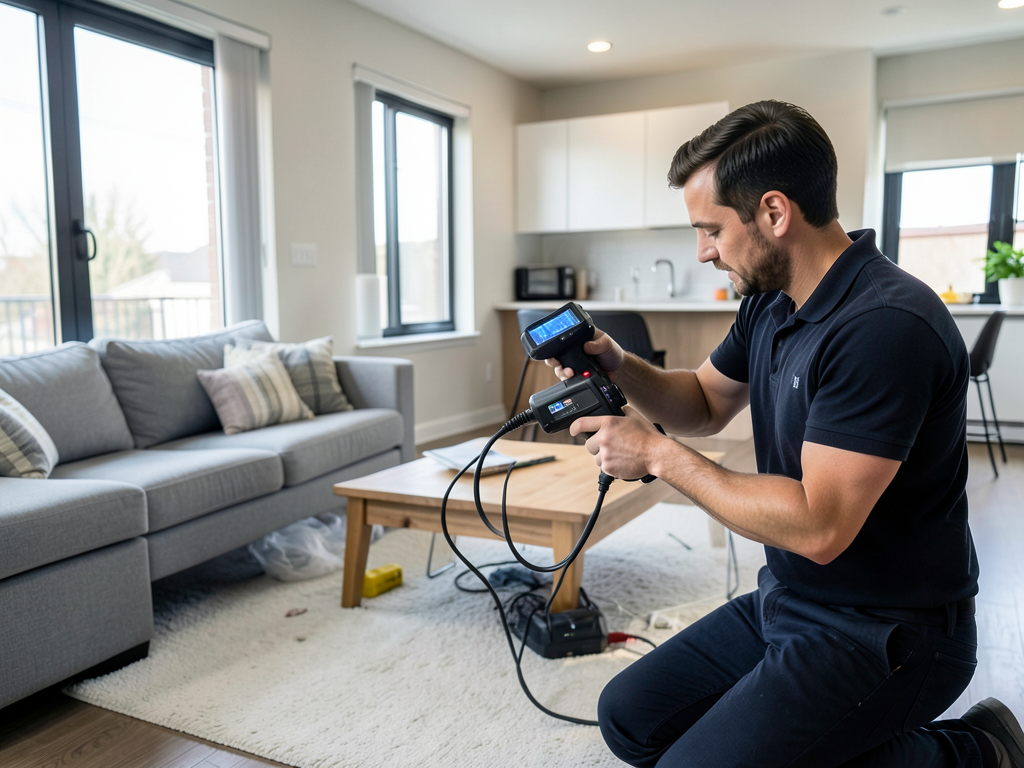
Addressing airflow issues in open concept rowhomes requires professional evaluation. A qualified HVAC technician can perform diagnostic tests to identify specific problems in your home’s airflow patterns.
Thermal imaging cameras reveal temperature variations throughout your space, highlighting areas where your system struggles. Airflow meters measure actual delivery volumes at different vents, identifying restrictions or imbalances.
Based on these diagnostics, your technician can recommend targeted solutions rather than one-size-fits-all approaches. This might include duct modifications, additional return vents, or supplemental cooling systems for problem areas.
Maintenance Requirements for Open Concept Systems
Open concept HVAC systems often require more frequent maintenance than traditional setups. The increased air volume and longer run times mean filters need changing more often, typically every 30-60 days instead of every 90 days.
Regular duct cleaning becomes important when your system serves larger open spaces. Dust and debris can accumulate more quickly when air circulates across expanded areas, potentially reducing efficiency and indoor air quality.
Coil cleaning should be performed annually to ensure your system maintains optimal heat transfer efficiency. In open concept homes where systems run longer cycles, dirty coils can significantly impact performance.
Cost Considerations and ROI
Investing in proper airflow management for your open concept rowhome represents a significant expense, but the returns extend beyond comfort. Energy savings from efficient systems often offset the initial investment within three to five years.
Improved comfort can increase your home’s value, particularly important in Baltimore’s competitive real estate market. Many buyers specifically seek homes with effective climate control in open concept spaces.
Reduced wear on your HVAC equipment through proper sizing and zoning can extend system life by several years, delaying the need for costly replacements.
Local Building Code Requirements
Baltimore City building codes include specific requirements for HVAC modifications in historic districts like Greektown. Any significant changes to your system may require permits and inspections to ensure compliance with local regulations.
Maryland’s energy efficiency standards, based on the International Energy Conservation Code, mandate minimum performance levels for new HVAC equipment. These requirements ensure your upgrades meet current environmental and efficiency standards.
Historic preservation guidelines may restrict certain modifications to exterior elements of your home. Working with a contractor familiar with Greektown’s historic district requirements ensures your improvements comply with all applicable regulations.
Choosing the Right HVAC Contractor
Not all HVAC contractors have experience with open concept rowhome challenges. Look for professionals who understand Baltimore’s specific climate conditions and have successfully addressed similar issues in Greektown and surrounding neighborhoods.
Ask potential contractors about their experience with Manual J calculations, zoning systems, and historic home modifications. Request references from other open concept home owners in your area.
Verify that your chosen contractor carries proper Maryland HVAC licensing and insurance. The state requires specific certifications for HVAC work, and working with properly licensed professionals protects your investment.
Future-Proofing Your Open Concept Space
As open concept living continues to evolve, consider future needs when implementing airflow solutions. Smart home integration capabilities allow for easy upgrades as technology advances. Planning for potential additions like air purification or whole-house dehumidification ensures your system can accommodate future improvements.
Energy efficiency standards continue to tighten, making high-efficiency equipment a wise long-term investment. Systems with good upgrade paths can adapt to changing requirements without complete replacement.
Consider the potential for solar integration or other renewable energy sources. High-efficiency HVAC paired with renewable energy can dramatically reduce operating costs while minimizing environmental impact.
Conclusion: Achieving Comfort in Your Open Concept Rowhome
Managing airflow in Greektown’s open concept rowhomes requires understanding the unique challenges these spaces present. From temperature stratification to humidity control, each issue demands specific solutions tailored to your home’s characteristics and Baltimore’s climate conditions.
The investment in proper airflow management pays dividends through improved comfort, energy efficiency, and system longevity. Whether you’re dealing with hot spots, humidity problems, or general discomfort, effective solutions exist that can transform your living experience.
Ready to solve your open concept airflow challenges? Call (443) 390-4933 today to schedule your professional assessment. Our experienced technicians understand the specific needs of Greektown’s historic rowhomes and can recommend solutions that work with your home’s architecture while delivering the comfort you deserve.
Frequently Asked Questions
Why does my open concept living room feel so much warmer than the rest of my home?
Open concept spaces often have higher ceilings and larger volumes that trap warm air. Without proper return air placement and zoning, your HVAC system cannot effectively distribute conditioned air across the entire space. The stack effect causes warm air to rise and collect at ceiling level, creating temperature stratification.
Can I add zoning to my existing HVAC system in a Greektown rowhome?
Yes, most existing systems can be retrofitted with zoning controls and motorized dampers. However, your system must have adequate capacity to handle the additional static pressure created by zoning. A professional assessment will determine if your current equipment can support zoning or if upgrades are needed.
How much does it cost to properly address airflow issues in an open concept rowhome?
Costs vary significantly based on your specific situation and chosen solutions. Basic improvements like additional return vents might cost $500-1,500, while comprehensive zoning systems with new equipment can range from $3,000-10,000. A professional assessment provides accurate estimates for your particular needs.
Will improving my airflow reduce my energy bills?
Properly addressing airflow issues typically reduces energy consumption by 15-30%. When your system operates efficiently and maintains consistent temperatures, it runs fewer cycles and consumes less energy. The exact savings depend on your current system’s efficiency and the specific improvements implemented. For more information, visit EPA Indoor Air Quality Guidelines. For more information, visit ASHRAE HVAC Standards.
{
“@context”: “https://schema.org”,
“@type”: “BlogPosting”,
“headline”: “Effective Strategies for Managing Airflow in the Open Concept Rowhomes of Greektown”,
“description”: “Learn how to solve uneven heating and cooling in Baltimore’s open-concept rowhomes. Discover zoning systems, ductless mini-splits, and local HVAC solutions for Greektown.”,
“wordCount”: 2402,
“datePublished”: “2026-05-18T14:46:00.000Z”,
“dateModified”: “2026-05-18T14:46:00.000Z”,
“inLanguage”: “en-US”,
“mainEntityOfPage”: {
“@type”: “WebPage”,
“@id”: “https://victoryhvacbaltimore.com”
},
“publisher”: {
“@type”: “LocalBusiness”,
“name”: “Victory HVAC Baltimore”,
“url”: “https://victoryhvacbaltimore.com”
},
“author”: {
“@type”: “Organization”,
“name”: “Victory HVAC Baltimore”,
“url”: “https://victoryhvacbaltimore.com”
},
“image”: {
“@type”: “ImageObject”,
“url”: “https://victoryhvacbaltimore.com/wp-content/uploads/2026/03/effective-strategies-for-managing-airflow-in-the-o-1.png”
}
}
{
“@context”: “https://schema.org”,
“@type”: “HVACBusiness”,
“name”: “Victory HVAC Baltimore”,
“url”: “https://victoryhvacbaltimore.com”,
“address”: {
“@type”: “PostalAddress”,
“addressLocality”: “Baltimore”
},
“areaServed”: {
“@type”: “City”,
“name”: “Baltimore”
}
}
{
“@context”: “https://schema.org”,
“@type”: “FAQPage”,
“mainEntity”: [
{
“@type”: “Question”,
“name”: “Why does my open concept living room feel so much warmer than the rest of my home?”,
“acceptedAnswer”: {
“@type”: “Answer”,
“text”: “Open concept spaces often have higher ceilings and larger volumes that trap warm air. Without proper return air placement and zoning, your HVAC system cannot effectively distribute conditioned air across the entire space. The stack effect causes warm air to rise and collect at ceiling level, creating temperature stratification.”
}
},
{
“@type”: “Question”,
“name”: “Can I add zoning to my existing HVAC system in a Greektown rowhome?”,
“acceptedAnswer”: {
“@type”: “Answer”,
“text”: “Yes, most existing systems can be retrofitted with zoning controls and motorized dampers. However, your system must have adequate capacity to handle the additional static pressure created by zoning. A professional assessment will determine if your current equipment can support zoning or if upgrades are needed.”
}
},
{
“@type”: “Question”,
“name”: “How much does it cost to properly address airflow issues in an open concept rowhome?”,
“acceptedAnswer”: {
“@type”: “Answer”,
“text”: “Costs vary significantly based on your specific situation and chosen solutions. Basic improvements like additional return vents might cost $500-1,500, while comprehensive zoning systems with new equipment can range from $3,000-10,000. A professional assessment provides accurate estimates for your particular needs.”
}
}
]
}
{
“@context”: “https://schema.org”,
“@type”: “BreadcrumbList”,
“itemListElement”: [
{
“@type”: “ListItem”,
“position”: 1,
“name”: “Home”,
“item”: “https://victoryhvacbaltimore.com”
},
{
“@type”: “ListItem”,
“position”: 2,
“name”: “Blog”,
“item”: “https://victoryhvacbaltimore.com/blog”
},
{
“@type”: “ListItem”,
“position”: 3,
“name”: “Effective Strategies for Managing Airflow in the Open Concept Rowhomes of Greektown”
}
]
}
{
“@context”: “https://schema.org”,
“@type”: “Service”,
“serviceType”: “HVAC”,
“provider”: {
“@type”: “LocalBusiness”,
“name”: “Victory HVAC Baltimore”,
“url”: “https://victoryhvacbaltimore.com”
},
“areaServed”: {
“@type”: “City”,
“name”: “Baltimore”
},
“description”: “Learn how to solve uneven heating and cooling in Baltimore’s open-concept rowhomes. Discover zoning systems, ductless mini-splits, and local HVAC solutions for Greektown.”
}