
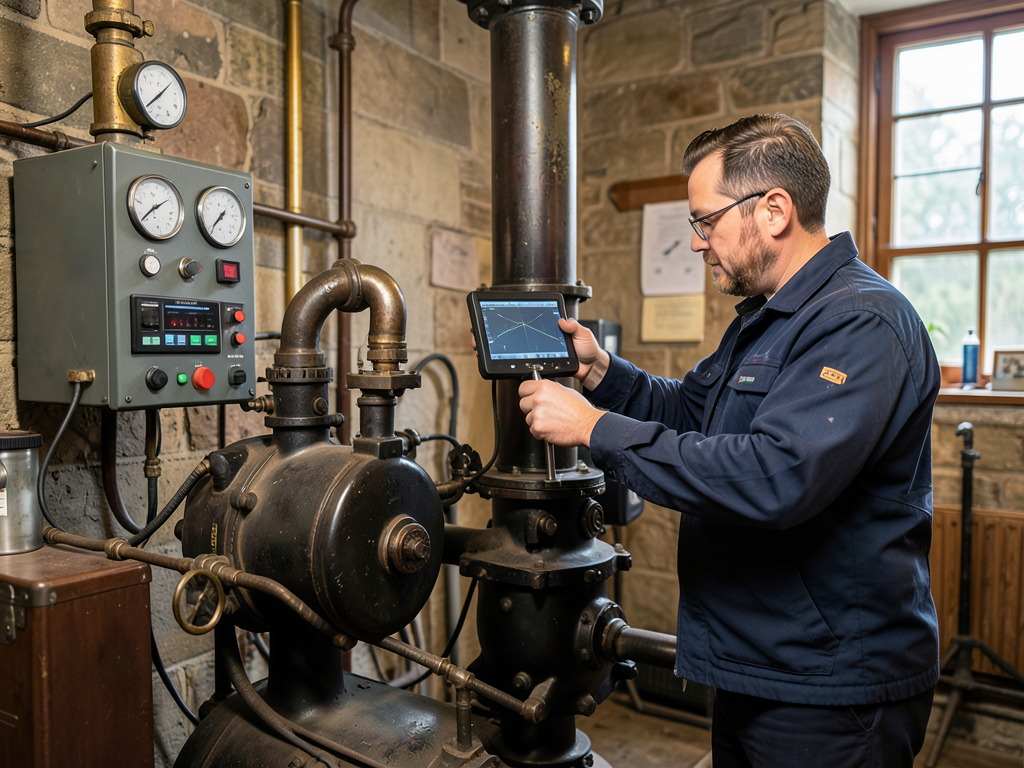
Specialized Boiler Maintenance for Historic Victorian Homes in Bolton Hill
Bolton Hill’s historic Victorian brownstones and townhomes rely on steam and hydronic boiler systems that require specialized care. These century-old heating systems need annual maintenance to prevent failures during Baltimore’s freezing winters. Our technicians understand the unique challenges of maintaining boilers in 21217’s historic district, from balancing cast iron radiators to testing safety valves on aging equipment.
Steam boilers in Bolton Hill’s Victorian homes distribute heat through a network of pipes and radiators. Unlike modern forced-air systems, these boilers require precise water chemistry monitoring and regular sediment flushing to prevent scale buildup. The high ceilings and thick masonry walls in these homes also create unique heating patterns that demand expert radiator balancing and steam trap maintenance.
Annual boiler maintenance in Bolton Hill prevents emergency breakdowns when you need heat most. Our 15-point inspection catches small issues before they become costly repairs. We test for carbon monoxide leaks, check expansion tanks, and verify proper venting – critical safety steps for gas-fired equipment in historic basements. Regular tune-ups also improve efficiency by 10-15%, reducing your winter heating costs in these energy-hungry old homes. EPA Carbon Monoxide Safety Guidelines.
Why Annual Boiler Maintenance is Vital for Bolton Hill Homes
Historic Victorian homes in Bolton Hill face unique heating challenges that modern homes don’t experience. The original steam and hydronic systems installed over 100 years ago require specialized knowledge to maintain properly. These systems were built to last but need regular care to function safely and efficiently in today’s climate.
Bolton Hill’s 21217 zip code contains some of Baltimore’s most valuable historic real estate. The neighborhood’s brownstones and townhomes feature intricate architectural details and original heating systems that many modern HVAC technicians aren’t trained to service. Our team specializes in preserving these historic heating systems while improving their safety and efficiency.
Steam heat distribution in Victorian homes creates unique comfort challenges. The high ceilings common in these properties require careful radiator balancing to ensure even heat distribution. Without proper maintenance, some rooms become too hot while others remain cold. Our technicians use specialized tools to measure steam pressure and adjust radiator valves for optimal comfort throughout your home.
The aging infrastructure in Bolton Hill’s historic district creates additional maintenance concerns. Many homes still use the original gas lines and venting systems installed when the houses were built. These components deteriorate over time and can create safety hazards if not properly inspected and maintained. We check for gas leaks, carbon monoxide risks, and proper combustion air supply during every service call. Carbon Monoxide Leak Detection.
Baltimore’s freeze-thaw cycles particularly stress historic heating systems. When temperatures drop below freezing, the sudden demand for heat can reveal weaknesses in aging boilers. Regular maintenance identifies potential failures before they leave you without heat during a winter storm. We recommend scheduling your annual tune-up in early fall before the heating season begins.
Our Comprehensive 15-Point Boiler Inspection Checklist
Our specialized boiler maintenance service follows a detailed 15-point inspection process designed specifically for historic Victorian heating systems. Each step addresses the unique needs of steam and hydronic boilers common in Bolton Hill’s 21217 homes.
First, we test the boiler’s combustion efficiency using a digital analyzer. This measures carbon monoxide output and ensures the burner is operating at peak efficiency. Historic boilers often develop soot buildup that reduces efficiency and creates safety hazards. We clean the heat exchanger and burner assembly to restore proper operation.
Next, we check all safety controls including the low water cutoff, pressure relief valve, and high limit control. These safety devices prevent dangerous overpressure conditions that could damage your home or create explosion risks. We test each control to verify it operates within manufacturer specifications.
The third step involves inspecting the expansion tank, a critical component in hydronic systems. We check the tank’s air charge and verify it can accommodate water expansion as the system heats up. A failed expansion tank can cause pressure fluctuations that damage pipes and radiators.
We then examine the water chemistry in your system. Historic boilers often suffer from scale buildup that reduces heat transfer efficiency. We test the water for pH levels and mineral content, adding treatment chemicals if needed to prevent corrosion and scale formation. Adding Central Air to Your Hampden Rowhome Without Ruining the Character.
The fifth step focuses on venting and combustion air supply. We inspect the chimney draft, check for proper flue gas temperatures, and verify adequate combustion air is available. Many Bolton Hill homes have converted from coal to gas but still use the original chimneys, which may need upgrades for modern equipment.
We continue with radiator balancing, adjusting steam valves and air vents to ensure even heat distribution. This step is crucial in high-ceiling Victorian homes where improper balancing creates hot and cold spots throughout the house.
The seventh step involves checking all piping for leaks, corrosion, and proper support. We look for signs of water damage around radiators and inspect the boiler’s water level controls to prevent dry firing conditions.
We then test the system’s electrical components, checking for proper voltage, ground connections, and thermostat operation. Many historic homes have outdated electrical systems that may not properly support modern boiler controls.
The ninth step examines the gas supply and pressure. We verify the gas meter can handle the boiler’s demand and check for proper pressure regulation. Some older homes in Bolton Hill have undersized gas lines that limit boiler performance.
We inspect the condensate return system, checking for proper slope, leaks, and pump operation. Steam systems rely on returning condensate to the boiler, and any issues in this system reduce efficiency and can cause water hammer.
The eleventh step involves cleaning or replacing air vents on radiators. These small but critical components allow air to escape as steam enters the radiator. Clogged vents prevent proper heating and create system imbalances.
We then verify proper water levels in the boiler and check for any signs of leaks or corrosion in the boiler sections. We also inspect the burner flame pattern to ensure clean, efficient combustion.
The thirteenth step tests the system’s response to thermostat changes. We verify the boiler cycles on and off properly and that all zones heat up as expected.
We finish with a comprehensive safety check, testing for carbon monoxide in the boiler room and verifying all emergency shutoff devices function properly. We also provide a detailed report of our findings and recommendations for any needed repairs. How to Get Emergency AC Repair in Canton When Your System Fails in a Heatwave.
Specialized Care for Steam and Hydronic Systems
Steam and hydronic heating systems require different maintenance approaches than modern forced-air furnaces. These systems use water as the heat transfer medium, creating unique challenges in historic Baltimore homes.
Steam boilers operate at higher temperatures and pressures than hot water systems. They require careful monitoring of water levels since steam loss through vents and leaks can create dangerous low-water conditions. We check the low water cutoff daily during the heating season and test it monthly to ensure it functions properly.
Hydronic systems use hot water circulated by pumps through radiators or radiant floor systems. These systems operate at lower pressures but still require careful maintenance. We check pump operation, verify proper flow rates, and inspect all valves for proper function.
Bolton Hill’s Victorian homes often feature original cast iron radiators that require special care. These heavy radiators can develop internal corrosion that reduces heat output. We inspect each radiator for cold spots, which indicate internal blockages or air pockets that need bleeding.
Steam traps are critical components in steam systems that often fail in historic equipment. These automatic valves release air and condensate while keeping steam in the radiator. Failed steam traps waste energy and create system imbalances. We test each trap and replace those that aren’t functioning properly.
The original piping in many Bolton Hill homes was designed for coal-fired boilers that operated differently than modern gas equipment. We often need to modify venting and combustion air supply to meet current safety standards while preserving the historic character of the heating system.
Water quality is crucial for both steam and hydronic systems. The high mineral content in Baltimore’s water can cause scale buildup that reduces efficiency and damages components. We test water chemistry and add appropriate treatment chemicals to protect your system.
Expansion tanks in hydronic systems require special attention in historic homes. These tanks absorb water expansion as the system heats up. A failed expansion tank can cause pressure relief valves to leak or create dangerous pressure conditions. We check tank pressure and replace bladders when needed.
Many Bolton Hill homes have converted from coal to gas but kept the original boilers. These converted systems often need modifications to operate safely with modern fuel. We check for proper combustion, verify venting adequacy, and ensure all safety controls function correctly.
The age of equipment in historic homes creates additional maintenance challenges. Parts for boilers over 50 years old may be difficult to find, requiring creative repair solutions. Our technicians maintain relationships with specialty suppliers who can provide hard-to-find components for vintage equipment.
Emergency Boiler Services near Mt. Royal and Park Avenue
When your boiler fails in the middle of winter, you need fast, reliable service from technicians who understand historic heating systems. Our emergency response team serves all of Bolton Hill, including the Mt. Royal area and homes along Park Avenue.
We maintain fully stocked service vehicles with common replacement parts for steam and hydronic boilers. This allows us to complete most emergency repairs on the first visit, getting your heat back on quickly. Our technicians carry specialized tools for vintage equipment that many other companies don’t have. Getting Ductless Mini Split Installation for Your Federal Hill Rowhome.
Emergency service calls in Bolton Hill often involve diagnosing problems unique to historic systems. Common issues include failed pressure relief valves, broken circulator pumps, and malfunctioning thermostats. We’ve seen every failure pattern in these old systems and can quickly identify the root cause.
Our response time averages 60-90 minutes for emergency calls within the 21217 zip code. We prioritize calls from elderly residents and families with young children during extreme cold weather. When you call, we’ll ask specific questions about your system to dispatch the right technician with the appropriate tools and parts. Why Pikesville Families are Switching to High Efficiency Heat Pumps.
Many emergency calls result from lack of maintenance. A properly maintained boiler rarely fails unexpectedly. However, when emergencies do occur, our technicians can often provide temporary solutions to restore heat while ordering necessary replacement parts.
We understand that historic home preservation is important to Bolton Hill residents. Our emergency repairs focus on solutions that maintain the integrity of your original heating system while ensuring safe, reliable operation. We never recommend unnecessary replacements when repairs can extend your system’s life.
Emergency service includes carbon monoxide testing, which is critical in older homes where venting may have deteriorated. We use digital analyzers to check for dangerous gas levels and verify proper combustion. This testing is included in every emergency call at no additional charge.
During extreme weather events, we maintain extended hours and additional staff to handle the increased call volume. Our goal is to have every emergency customer with heat within 4 hours of their call, though complex repairs may require additional time for parts acquisition.
We provide clear communication throughout the repair process, explaining what went wrong and what options exist for permanent repairs. Our upfront pricing means you’ll know the cost before we begin work, with no surprises on your bill.
Energy Efficiency Improvements for Historic Homes
Improving energy efficiency in historic Victorian homes requires balancing modern technology with historic preservation. Our energy audits identify opportunities to reduce heating costs while maintaining your home’s character.
Many Bolton Hill homes lose significant heat through original windows and doors. While we don’t replace these historic features, we can recommend and install high-efficiency storm windows that improve insulation without altering the home’s appearance. These additions can reduce heat loss by 25-30%.
Smart thermostat installation offers another efficiency opportunity. Modern programmable thermostats can reduce heating costs by 10-15% by automatically lowering temperatures when you’re asleep or away. We install thermostats that work with both steam and hydronic systems while preserving your home’s historic aesthetics.
Insulation improvements in historic homes must be approached carefully to avoid moisture problems. We recommend adding insulation to accessible areas like attics while avoiding wall cavities that could trap moisture against historic plaster. Proper insulation reduces heat loss and improves comfort.
Boiler replacement may be necessary when efficiency drops below 70%. Modern high-efficiency boilers can achieve 85-95% efficiency, significantly reducing fuel costs. We specialize in replacing old equipment with new systems that maintain the appearance of your historic heating setup.
Radiator reflectors can improve heat distribution in rooms with high ceilings. These simple devices reflect heat back into the room rather than letting it escape through exterior walls. Installation takes just a few hours but can improve comfort in difficult-to-heat spaces.
Zone control systems allow you to heat only occupied areas of your home. This is particularly useful in large Victorian homes where some rooms may be rarely used. We can retrofit your existing system with zone controls that reduce overall energy consumption.
Regular maintenance itself improves efficiency. A clean, properly adjusted boiler can use 10-15% less fuel than a neglected system. Our annual tune-ups include efficiency testing and adjustments to ensure your system operates at peak performance.
We provide detailed energy reports showing potential savings from recommended improvements. These reports include payback calculations so you can make informed decisions about which upgrades make financial sense for your situation.
Frequently Asked Questions
How often should I have my historic boiler serviced?
Annual maintenance is essential for boilers in historic Victorian homes. The original equipment and aging components require regular inspection to prevent failures and ensure safe operation. We recommend scheduling service in early fall before the heating season begins.
What are signs my boiler needs immediate attention?
Unusual noises, yellow flames instead of blue, water leaks, strange odors, or failure to maintain proper pressure are all signs requiring immediate service. If you notice any of these symptoms, call us right away at (443) 390-4933 for emergency assistance.
Can you work on boilers from the 1920s and 1930s?
Yes, we specialize in maintaining and repairing boilers from all eras, including early 20th century equipment common in Bolton Hill’s historic homes. Our technicians have experience with vintage systems and maintain relationships with suppliers who provide hard-to-find parts.
How long do historic boilers typically last?
With proper maintenance, many historic boilers last 30-50 years or more. Some original boilers from the early 1900s are still operational today. However, efficiency typically declines after 20-25 years, making replacement worth considering for energy savings.
Do you offer emergency service on weekends and holidays?
Yes, we provide 24/7 emergency service throughout Bolton Hill and the greater Baltimore area. Our technicians are on call every day of the year to handle heating emergencies when you need us most.
What’s included in your annual maintenance service?
Our comprehensive service includes combustion analysis, safety control testing, water chemistry analysis, radiator balancing, venting inspection, and detailed system diagnostics. We provide a written report of our findings and recommendations for any needed repairs.
How can I improve my historic home’s heating efficiency?
We recommend annual maintenance, smart thermostat installation, storm window addition, and proper insulation as the most cost-effective improvements. For older systems, we may suggest efficiency upgrades or replacement with modern high-efficiency equipment.
Do you handle permits for boiler work in Baltimore City?
Yes, we obtain all necessary permits for boiler installation, replacement, and major repairs in Baltimore City. Our technicians are familiar with local code requirements and ensure all work meets current safety standards.
Call (443) 390-4933 Today to Schedule Your Inspection
Don’t wait for your historic boiler to fail during a cold snap. Our specialized technicians understand the unique needs of Victorian heating systems in Bolton Hill’s 21217 zip code. We’ll inspect your system, identify potential problems, and ensure your home stays warm all winter long.
Pick up the phone and call (443) 390-4933 before the next storm hits. Our team is ready to provide the expert care your historic heating system deserves. We offer convenient appointment times, upfront pricing, and a satisfaction guarantee on all our work.
Whether you need routine maintenance, emergency repairs, or efficiency improvements, we have the experience and knowledge to handle your historic boiler properly. Our technicians live and work in the Baltimore area, so we understand the local climate challenges and building code requirements that affect your heating system.
Call (443) 390-4933 today to schedule your inspection. We’ll help you protect your investment in your historic home while ensuring safe, reliable heat for years to come. Don’t let an aging boiler leave you in the cold – contact us now for professional service you can trust. For more information, visit ASME Boiler and Pressure Vessel Code.
{
“@context”: “https://schema.org”,
“@type”: “BlogPosting”,
“headline”: “Specialized Boiler Maintenance for Historic Victorian Homes in Bolton Hill”,
“description”: “Expert boiler maintenance for historic Bolton Hill Victorian homes. Annual tune-ups prevent failures and improve efficiency. Call (443) 390-4933 for 24/7 service.”,
“wordCount”: 2841,
“datePublished”: “2026-03-12T07:44:00.000Z”,
“dateModified”: “2026-03-12T07:44:00.000Z”,
“inLanguage”: “en-US”,
“mainEntityOfPage”: {
“@type”: “WebPage”,
“@id”: “https://victoryhvacbaltimore.com”
},
“publisher”: {
“@type”: “LocalBusiness”,
“name”: “Victory HVAC Baltimore”,
“url”: “https://victoryhvacbaltimore.com”
},
“author”: {
“@type”: “Organization”,
“name”: “Victory HVAC Baltimore”,
“url”: “https://victoryhvacbaltimore.com”
},
“image”: {
“@type”: “ImageObject”,
“url”: “https://victoryhvacbaltimore.com/wp-content/uploads/2026/03/specialized-boiler-maintenance-for-historic-victor-1-1.png”
}
}
{
“@context”: “https://schema.org”,
“@type”: “HVACBusiness”,
“name”: “Victory HVAC Baltimore”,
“url”: “https://victoryhvacbaltimore.com”,
“address”: {
“@type”: “PostalAddress”,
“addressLocality”: “Baltimore”
},
“areaServed”: {
“@type”: “City”,
“name”: “Baltimore”
}
}
{
“@context”: “https://schema.org”,
“@type”: “FAQPage”,
“mainEntity”: [
{
“@type”: “Question”,
“name”: “How often should I have my historic boiler serviced?”,
“acceptedAnswer”: {
“@type”: “Answer”,
“text”: “Annual maintenance is essential for boilers in historic Victorian homes. The original equipment and aging components require regular inspection to prevent failures and ensure safe operation. We recommend scheduling service in early fall before the heating season begins.”
}
},
{
“@type”: “Question”,
“name”: “What are signs my boiler needs immediate attention?”,
“acceptedAnswer”: {
“@type”: “Answer”,
“text”: “Unusual noises, yellow flames instead of blue, water leaks, strange odors, or failure to maintain proper pressure are all signs requiring immediate service. If you notice any of these symptoms, call us right away at (443) 390-4933 for emergency assistance.”
}
},
{
“@type”: “Question”,
“name”: “Can you work on boilers from the 1920s and 1930s?”,
“acceptedAnswer”: {
“@type”: “Answer”,
“text”: “Yes, we specialize in maintaining and repairing boilers from all eras, including early 20th century equipment common in Bolton Hill’s historic homes. Our technicians have experience with vintage systems and maintain relationships with suppliers who provide hard-to-find parts.”
}
},
{
“@type”: “Question”,
“name”: “How long do historic boilers typically last?”,
“acceptedAnswer”: {
“@type”: “Answer”,
“text”: “With proper maintenance, many historic boilers last 30-50 years or more. Some original boilers from the early 1900s are still operational today. However, efficiency typically declines after 20-25 years, making replacement worth considering for energy savings.”
}
},
{
“@type”: “Question”,
“name”: “Do you offer emergency service on weekends and holidays?”,
“acceptedAnswer”: {
“@type”: “Answer”,
“text”: “Yes, we provide 24/7 emergency service throughout Bolton Hill and the greater Baltimore area. Our technicians are on call every day of the year to handle heating emergencies when you need us most.”
}
},
{
“@type”: “Question”,
“name”: “What’s included in your annual maintenance service?”,
“acceptedAnswer”: {
“@type”: “Answer”,
“text”: “Our comprehensive service includes combustion analysis, safety control testing, water chemistry analysis, radiator balancing, venting inspection, and detailed system diagnostics. We provide a written report of our findings and recommendations for any needed repairs.”
}
},
{
“@type”: “Question”,
“name”: “How can I improve my historic home’s heating efficiency?”,
“acceptedAnswer”: {
“@type”: “Answer”,
“text”: “We recommend annual maintenance, smart thermostat installation, storm window addition, and proper insulation as the most cost-effective improvements. For older systems, we may suggest efficiency upgrades or replacement with modern high-efficiency equipment.”
}
},
{
“@type”: “Question”,
“name”: “Do you handle permits for boiler work in Baltimore City?”,
“acceptedAnswer”: {
“@type”: “Answer”,
“text”: “Yes, we obtain all necessary permits for boiler installation, replacement, and major repairs in Baltimore City. Our technicians are familiar with local code requirements and ensure all work meets current safety standards.”
}
}
]
}
{
“@context”: “https://schema.org”,
“@type”: “BreadcrumbList”,
“itemListElement”: [
{
“@type”: “ListItem”,
“position”: 1,
“name”: “Home”,
“item”: “https://victoryhvacbaltimore.com”
},
{
“@type”: “ListItem”,
“position”: 2,
“name”: “Blog”,
“item”: “https://victoryhvacbaltimore.com/blog”
},
{
“@type”: “ListItem”,
“position”: 3,
“name”: “Specialized Boiler Maintenance for Historic Victorian Homes in Bolton Hill”
}
]
}
{
“@context”: “https://schema.org”,
“@type”: “Service”,
“serviceType”: “HVAC”,
“provider”: {
“@type”: “LocalBusiness”,
“name”: “Victory HVAC Baltimore”,
“url”: “https://victoryhvacbaltimore.com”
},
“areaServed”: {
“@type”: “City”,
“name”: “Baltimore”
},
“description”: “Expert boiler maintenance for historic Bolton Hill Victorian homes. Annual tune-ups prevent failures and improve efficiency. Call (443) 390-4933 for 24/7 service.”
}