
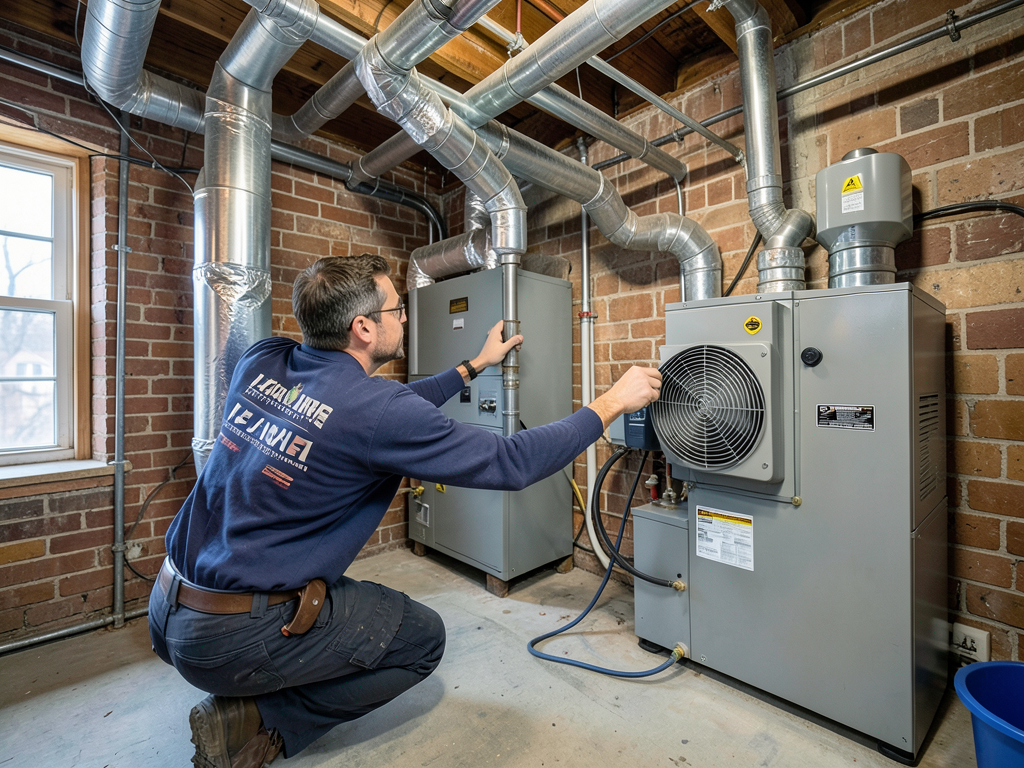
Improving Indoor Air Quality for Families Living in Highlandtown Rowhouses
Highlandtown row houses face unique air quality challenges from Baltimore’s industrial history and coastal humidity. Families here breathe air that often contains pollutants from the nearby Port of Baltimore and Interstate 95 corridor. These row homes built in the early 1900s trap moisture and contaminants in their tightly packed brick walls and shared party walls. Poor ventilation in these historic structures allows mold spores and dust to accumulate year-round. Why Pikesville Families are Switching to High Efficiency Heat Pumps.
Highlandtown’s air quality issues stem from multiple sources. The neighborhood sits between the harbor’s industrial zone and the highway’s vehicle emissions. Summer humidity levels regularly exceed 70 percent creating perfect conditions for mold growth. Winter heating systems stir up dust that has settled in old ductwork over decades. Many row homes lack modern air filtration systems leaving families exposed to allergens and pollutants.
Improving indoor air quality in Highlandtown row houses requires understanding the specific problems these homes face. The brick construction holds moisture against walls. Shared walls between units allow contaminants to travel between homes. Small window areas limit natural ventilation. Many homes have outdated HVAC systems that cannot effectively filter air. These factors combine to create air quality problems unique to Baltimore’s historic row house neighborhoods.
Common Air Quality Problems in Highlandtown Row Houses
Highlandtown row houses experience several recurring air quality issues. Mold growth appears on basement walls and in bathroom corners where humidity stays high. Dust mites thrive in the warm humid conditions common from May through September. Volatile organic compounds off-gas from old paint and building materials in homes built before modern safety standards. Carbon monoxide can accumulate when gas appliances vent improperly through aging chimney systems. Carbon Monoxide Leak Detection.
The tight construction of row houses creates additional problems. Shared party walls mean that air quality issues in one home can affect neighbors. A mold problem in one basement can spread through wall cavities to adjacent homes. Cooking odors and smoke travel between units more easily than in detached homes. The lack of cross ventilation means that once pollutants enter a home they stay trapped inside.
Seasonal changes create different challenges throughout the year. Spring brings pollen through open windows. Summer heat and humidity accelerate mold growth. Fall leaves and debris clog exterior vents. Winter heating systems circulate dust that has settled in ducts over the summer months. Each season requires different air quality management strategies for Highlandtown residents.
Testing Your Home’s Air Quality
Professional air quality testing reveals what contaminants exist in your home. Technicians use specialized equipment to measure particulate matter including PM2.5 and PM10 particles. They test for volatile organic compounds that off-gas from furniture and building materials. Carbon dioxide levels indicate how well your home ventilates. Humidity measurements show whether conditions support mold growth.
Testing follows EPA guidelines for residential indoor air quality assessment. Technicians place monitors in different rooms to get accurate readings throughout the home. They check for radon gas which can seep through basement floors in some Baltimore neighborhoods. Carbon monoxide detectors verify that gas appliances vent properly. The testing process typically takes two to three hours depending on home size. EPA Indoor Air Quality Guidelines.
Results show specific problems that need addressing. High humidity levels indicate a need for dehumidification. Elevated particulate counts suggest inadequate filtration. VOC readings above 500 parts per billion require source control measures. Carbon dioxide levels above 1000 parts per million indicate poor ventilation. These measurements guide the selection of appropriate air quality solutions.
Air Filtration Solutions for Row Houses
High-efficiency air filtration systems remove particles from indoor air. HEPA filters capture 99.97 percent of particles 0.3 microns and larger. These include pollen, mold spores, dust mites, and pet dander. MERV 13 filters provide hospital-grade filtration for residential systems. They trap smaller particles than standard filters while maintaining good airflow.
UV germicidal lights installed in ductwork kill bacteria and mold spores. The ultraviolet light disrupts the DNA of microorganisms preventing them from reproducing. This technology works continuously to reduce biological contaminants in the air stream. UV systems require annual bulb replacement to maintain effectiveness.
Electronic air cleaners use charged plates to attract and trap particles. They can remove smoke, cooking odors, and chemical fumes from indoor air. These systems work well in kitchens and areas where odors accumulate. They require regular cleaning of collection plates to maintain efficiency.
Humidity Control Systems
Highlandtown’s humid climate makes dehumidification essential for good air quality. Whole-house dehumidifiers connect to existing HVAC systems to remove excess moisture. They maintain relative humidity between 30 and 50 percent preventing mold growth. Portable dehumidifiers work for specific problem areas like basements and crawl spaces.
Energy recovery ventilators exchange stale indoor air with fresh outdoor air. They transfer heat and moisture between air streams to minimize energy loss. ERVs maintain comfortable humidity levels while providing fresh air ventilation. This technology proves especially valuable in tightly sealed row houses where natural ventilation is limited.
Smart humidity controls monitor moisture levels and adjust system operation automatically. They prevent over-drying in winter and excessive humidity in summer. Some systems integrate with home automation platforms for remote monitoring and control. These controls help maintain optimal conditions year-round.
Ventilation Improvements
Proper ventilation removes stale air and brings in fresh air. Bathroom exhaust fans should vent directly outdoors not into attics or wall cavities. Kitchen range hoods capture cooking fumes before they spread through the home. Whole-house fans can provide rapid air exchange when outdoor conditions are favorable.
Mechanical ventilation systems provide controlled fresh air exchange. They include heat recovery ventilators that transfer heat between incoming and outgoing air streams. This technology reduces energy costs while improving air quality. Ventilation systems should be sized according to EPA and ASHRAE standards for the specific home. ASHRAE Air Quality Standards.
Window modifications can improve natural ventilation. Installing window screens allows fresh air entry while keeping insects out. Casement windows that open fully provide better airflow than double-hung windows. Strategic window placement creates cross ventilation patterns that move air through the home.
Source Control Measures
Eliminating pollution sources improves air quality more effectively than treating symptoms. Remove shoes at entry doors to prevent tracking in outdoor pollutants. Use low-VOC paints and building materials for any renovations. Choose furniture and carpets that do not off-gas harmful chemicals.
Regular cleaning reduces dust and allergen accumulation. Vacuum carpets with HEPA-filtered vacuums twice weekly. Wash bedding in hot water weekly to kill dust mites. Clean or replace HVAC filters monthly during peak usage seasons. These simple steps significantly improve indoor air quality.
Moisture control prevents mold growth. Fix plumbing leaks promptly. Use exhaust fans when showering or cooking. Keep indoor plants to a minimum as soil can harbor mold. Monitor basement humidity with a hygrometer and use dehumidifiers as needed.
Choosing the Right Air Quality System
Selecting appropriate air quality equipment depends on specific home conditions. Homes with allergy sufferers need high-MERV filtration and UV light systems. Properties with moisture problems require dehumidification. Older homes with gas appliances need carbon monoxide monitoring and proper venting.
System sizing follows industry standards for the specific application. Oversized equipment cycles on and off frequently reducing efficiency. Undersized systems cannot maintain desired conditions. Professional load calculations determine the correct equipment capacity for each home.
Installation quality affects system performance significantly. Proper ductwork sealing prevents air leaks that reduce efficiency. Correct refrigerant charge ensures optimal cooling performance. Appropriate drainage prevents water damage from condensate. These details require professional expertise to execute correctly.
Maintenance Requirements
Air quality systems need regular maintenance to function properly. Filter replacement schedules depend on filter type and home conditions. HEPA filters typically last six to twelve months. Pleated filters need replacement every three months. Washable filters require monthly cleaning.
UV light systems need annual bulb replacement even if they still produce visible light. The ultraviolet output diminishes over time reducing effectiveness. Cleaning UV lamp surfaces maintains optimal light transmission. Some systems include LED indicators that signal when replacement is needed.
Dehumidifier coils require annual cleaning to remove dust and debris. Drain lines need inspection to prevent clogs that cause water damage. Humidity sensors should be calibrated periodically to ensure accurate readings. These maintenance tasks keep systems operating at peak efficiency.
Cost Considerations
Air quality improvement costs vary based on home size and specific needs. Basic high-MERV filter upgrades cost $200 to $500 including installation. Whole-house HEPA filtration systems range from $1,500 to $3,000. UV light systems typically cost $800 to $1,500 installed.
Dehumidification systems cost $1,500 to $3,500 for whole-house units. Energy recovery ventilators range from $2,000 to $4,000 installed. These investments often pay for themselves through reduced energy costs and improved health outcomes.
Financing options make air quality improvements more accessible. Many HVAC companies offer payment plans for larger systems. Some energy efficiency programs provide rebates for high-efficiency equipment. Local utility companies sometimes offer incentives for indoor air quality improvements.
Health Benefits
Improved air quality provides measurable health benefits. Reduced allergen exposure decreases asthma and allergy symptoms. Better humidity control prevents respiratory infections. Lower VOC levels reduce headaches and fatigue. These improvements enhance quality of life for all family members.
Children and elderly family members benefit most from air quality improvements. Their respiratory systems are more sensitive to pollutants. Better air quality can reduce doctor visits and medication needs. Improved sleep quality results from better breathing conditions at night.
Long-term exposure to poor air quality causes chronic health problems. These include respiratory diseases, cardiovascular issues, and certain cancers. Investing in air quality protection provides health benefits that compound over time. The cost of prevention often proves less than treating health problems later.
Local Resources and Regulations
Baltimore City building codes require proper ventilation in residential properties. The Baltimore Housing Code mandates functional exhaust fans in bathrooms and kitchens. New HVAC installations must meet current efficiency standards. These regulations ensure minimum air quality standards in rental properties.
The Maryland Department of the Environment provides air quality information for the Baltimore region. They monitor outdoor air quality and issue alerts when pollution levels are high. This information helps residents make decisions about outdoor activities and ventilation strategies.
Local HVAC contractors understand Baltimore’s specific air quality challenges. They know which equipment performs best in the local climate. They understand the construction characteristics of Baltimore row houses. This local expertise proves valuable when selecting and installing air quality systems.
Frequently Asked Questions
How often should I replace my air filters?
Filter replacement frequency depends on filter type and home conditions. Standard pleated filters need replacement every three months. HEPA filters typically last six to twelve months. Homes with pets or allergy sufferers may need more frequent replacement. Check filters monthly and replace when visibly dirty.
Can I install air quality equipment myself?
Basic air filters are homeowner-installable. However, whole-house systems require professional installation. Improper installation can create safety hazards and void equipment warranties. Professional installation ensures systems operate correctly and efficiently. Most manufacturers require professional installation for warranty coverage.
How much does professional air quality testing cost?
Professional air quality testing typically costs $300 to $600 depending on home size and test scope. Basic testing includes particulate and VOC measurements. Comprehensive testing adds radon, carbon monoxide, and humidity assessments. Some companies offer free basic testing with system installation.
Will air quality improvements reduce my energy bills?
High-efficiency air quality systems can reduce energy consumption. Proper humidity control allows higher thermostat settings in summer. Clean filters improve HVAC system efficiency. However, some systems like energy recovery ventilators may slightly increase energy use. Overall impact depends on specific equipment and usage patterns.
How long does it take to notice air quality improvements?
Some improvements are noticeable immediately. Filter upgrades show results within hours. Dehumidification effects appear within a day. Complete system installations may take several days to show full benefits as air cycles through the home multiple times. Consistent operation provides the best results.
Getting Started with Air Quality Improvements
Begin with a professional air quality assessment to identify specific problems. This testing reveals what contaminants exist and at what levels. The assessment guides equipment selection and identifies priority issues. Many companies offer free basic assessments with system quotes.
Address the most serious problems first. High humidity requires immediate dehumidification. Poor filtration needs upgraded filters or air cleaners. Ventilation issues may need mechanical ventilation systems. A phased approach allows spreading costs over time while addressing critical issues first.
Monitor results after installation to verify improvements. Many modern systems include air quality monitoring features. Track changes in allergy symptoms, sleep quality, and overall comfort. These measurements show whether investments are providing desired benefits.
Long-term Air Quality Management
Maintaining good air quality requires ongoing attention. Establish regular maintenance schedules for all air quality equipment. Keep records of filter changes, system cleanings, and performance measurements. Address new issues promptly before they become serious problems.
Stay informed about new air quality technologies and techniques. The field continues to evolve with new filtration materials, smarter controls, and more efficient systems. Regular consultation with air quality professionals helps identify opportunities for improvement.
Share air quality knowledge with family members. Everyone should understand basic air quality principles and maintenance requirements. This shared responsibility ensures consistent attention to air quality issues.
Environmental Considerations
Air quality improvements often benefit the environment. High-efficiency systems reduce energy consumption and associated emissions. Better filtration can extend HVAC equipment life reducing waste. Some air quality technologies help buildings meet green building standards.
Choose equipment with good environmental ratings. Look for ENERGY STAR certification on HVAC equipment. Select filters that can be recycled rather than landfilled. Consider the full lifecycle environmental impact when selecting systems.
Indoor air quality connects to outdoor air quality. Reducing energy consumption decreases power plant emissions. Proper ventilation can reduce indoor concentrations of outdoor pollutants. These connections highlight the importance of comprehensive air quality management.
Emergency Situations
Certain air quality problems require immediate attention. Carbon monoxide leaks pose immediate health hazards. Severe mold growth can cause acute respiratory problems. Gas odors indicate potential explosion hazards. These situations require immediate evacuation and professional intervention.
Install carbon monoxide detectors on every level of your home. Test them monthly and replace batteries annually. Keep emergency contact numbers readily available. Know the symptoms of carbon monoxide poisoning including headache, dizziness, and nausea. How to Get Emergency AC Repair in Canton When Your System Fails in a Heatwave.
Develop an emergency response plan for air quality problems. Know evacuation routes and meeting points. Keep important documents in easily accessible locations. Practice emergency procedures with all family members.
Professional Services Available
Professional air quality services include assessment, equipment installation, and maintenance. Assessment services identify specific problems and recommend solutions. Installation services ensure equipment operates correctly and safely. Maintenance services keep systems functioning at peak efficiency.
Choose contractors with specific air quality expertise. Look for NATE certification and experience with indoor air quality systems. Ask about specific experience with Baltimore row houses and local conditions. Check references and reviews from local customers.
Professional services often include warranties on equipment and labor. Understand warranty terms and what they cover. Regular maintenance may be required to maintain warranty coverage. Professional service agreements can provide peace of mind and predictable costs.
Call (443) 390-4933 today to schedule your indoor air quality assessment. Our Baltimore-based technicians understand the unique challenges of Highlandtown row houses and can recommend solutions that work for your specific situation.
Don’t wait until air quality problems affect your family’s health. Contact us now to learn how we can help you breathe easier in your Highlandtown home. Our team provides free consultations and can often complete installations within one week of your assessment.
{
“@context”: “https://schema.org”,
“@type”: “BlogPosting”,
“headline”: “Improving Indoor Air Quality for Families Living in Highlandtown Rowhouses”,
“description”: “Discover how Baltimore’s Highlandtown row homes face unique air quality challenges from humidity and industrial pollutants. Learn expert solutions for cleaner indoor air.”,
“wordCount”: 2609,
“datePublished”: “2026-03-15T15:55:00.000Z”,
“dateModified”: “2026-03-15T15:55:00.000Z”,
“inLanguage”: “en-US”,
“mainEntityOfPage”: {
“@type”: “WebPage”,
“@id”: “https://victoryhvacbaltimore.com”
},
“publisher”: {
“@type”: “LocalBusiness”,
“name”: “Victory HVAC Baltimore”,
“url”: “https://victoryhvacbaltimore.com”
},
“author”: {
“@type”: “Organization”,
“name”: “Victory HVAC Baltimore”,
“url”: “https://victoryhvacbaltimore.com”
},
“image”: {
“@type”: “ImageObject”,
“url”: “https://victoryhvacbaltimore.com/wp-content/uploads/2026/03/improving-indoor-air-quality-for-families-living-i-1-1.png”
}
}
{
“@context”: “https://schema.org”,
“@type”: “HVACBusiness”,
“name”: “Victory HVAC Baltimore”,
“url”: “https://victoryhvacbaltimore.com”,
“address”: {
“@type”: “PostalAddress”,
“addressLocality”: “Baltimore”
},
“areaServed”: {
“@type”: “City”,
“name”: “Baltimore”
}
}
{
“@context”: “https://schema.org”,
“@type”: “FAQPage”,
“mainEntity”: [
{
“@type”: “Question”,
“name”: “How often should I replace my air filters?”,
“acceptedAnswer”: {
“@type”: “Answer”,
“text”: “Filter replacement frequency depends on filter type and home conditions. Standard pleated filters need replacement every three months. HEPA filters typically last six to twelve months. Homes with pets or allergy sufferers may need more frequent replacement. Check filters monthly and replace when visibly dirty.”
}
},
{
“@type”: “Question”,
“name”: “Can I install air quality equipment myself?”,
“acceptedAnswer”: {
“@type”: “Answer”,
“text”: “Basic air filters are homeowner-installable. However, whole-house systems require professional installation. Improper installation can create safety hazards and void equipment warranties. Professional installation ensures systems operate correctly and efficiently. Most manufacturers require professional installation for warranty coverage.”
}
},
{
“@type”: “Question”,
“name”: “How much does professional air quality testing cost?”,
“acceptedAnswer”: {
“@type”: “Answer”,
“text”: “Professional air quality testing typically costs $300 to $600 depending on home size and test scope. Basic testing includes particulate and VOC measurements. Comprehensive testing adds radon, carbon monoxide, and humidity assessments. Some companies offer free basic testing with system installation.”
}
},
{
“@type”: “Question”,
“name”: “Will air quality improvements reduce my energy bills?”,
“acceptedAnswer”: {
“@type”: “Answer”,
“text”: “High-efficiency air quality systems can reduce energy consumption. Proper humidity control allows higher thermostat settings in summer. Clean filters improve HVAC system efficiency. However, some systems like energy recovery ventilators may slightly increase energy use. Overall impact depends on specific equipment and usage patterns.”
}
},
{
“@type”: “Question”,
“name”: “How long does it take to notice air quality improvements?”,
“acceptedAnswer”: {
“@type”: “Answer”,
“text”: “Some improvements are noticeable immediately. Filter upgrades show results within hours. Dehumidification effects appear within a day. Complete system installations may take several days to show full benefits as air cycles through the home multiple times. Consistent operation provides the best results.”
}
}
]
}
{
“@context”: “https://schema.org”,
“@type”: “BreadcrumbList”,
“itemListElement”: [
{
“@type”: “ListItem”,
“position”: 1,
“name”: “Home”,
“item”: “https://victoryhvacbaltimore.com”
},
{
“@type”: “ListItem”,
“position”: 2,
“name”: “Blog”,
“item”: “https://victoryhvacbaltimore.com/blog”
},
{
“@type”: “ListItem”,
“position”: 3,
“name”: “Improving Indoor Air Quality for Families Living in Highlandtown Rowhouses”
}
]
}
{
“@context”: “https://schema.org”,
“@type”: “Service”,
“serviceType”: “HVAC”,
“provider”: {
“@type”: “LocalBusiness”,
“name”: “Victory HVAC Baltimore”,
“url”: “https://victoryhvacbaltimore.com”
},
“areaServed”: {
“@type”: “City”,
“name”: “Baltimore”
},
“description”: “Discover how Baltimore’s Highlandtown row homes face unique air quality challenges from humidity and industrial pollutants. Learn expert solutions for cleaner indoor air.”
}